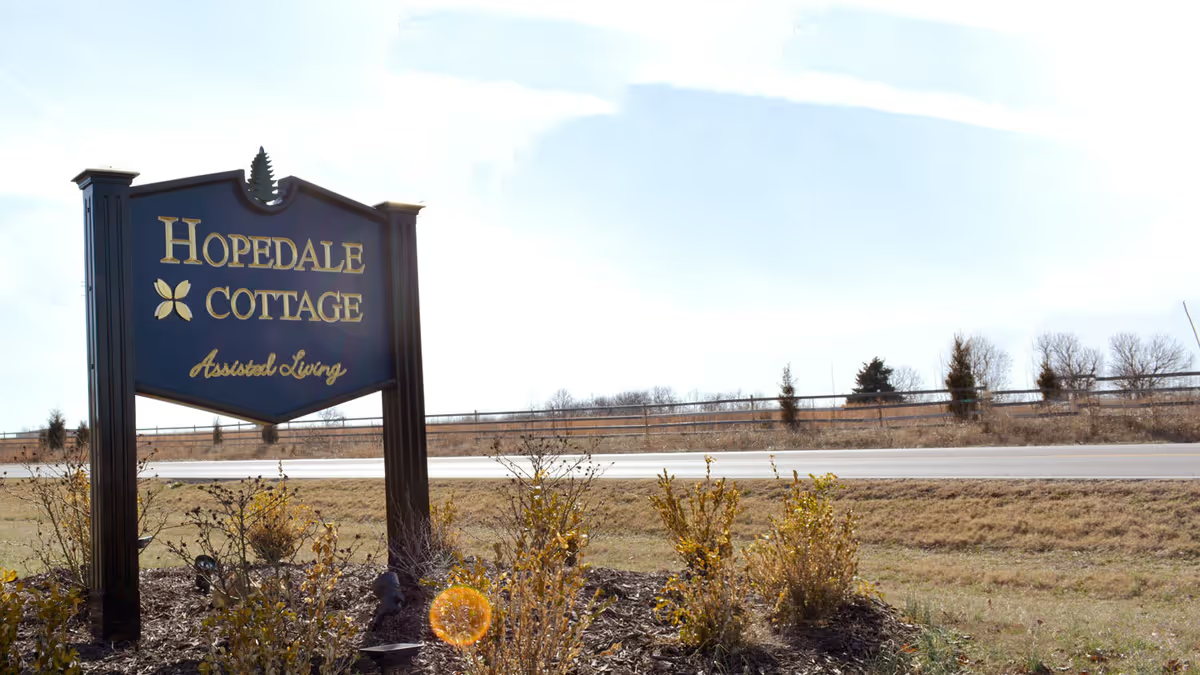
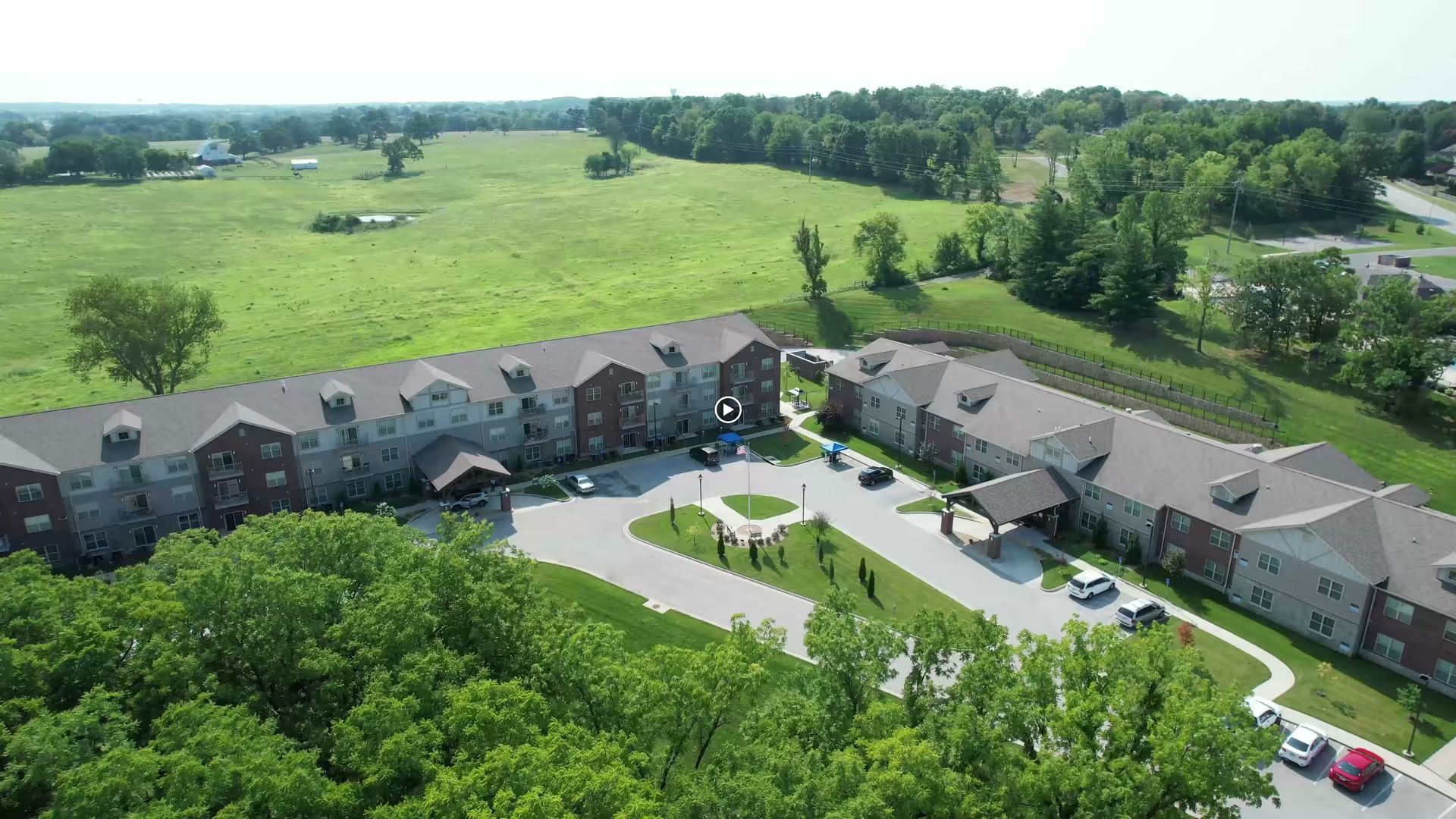
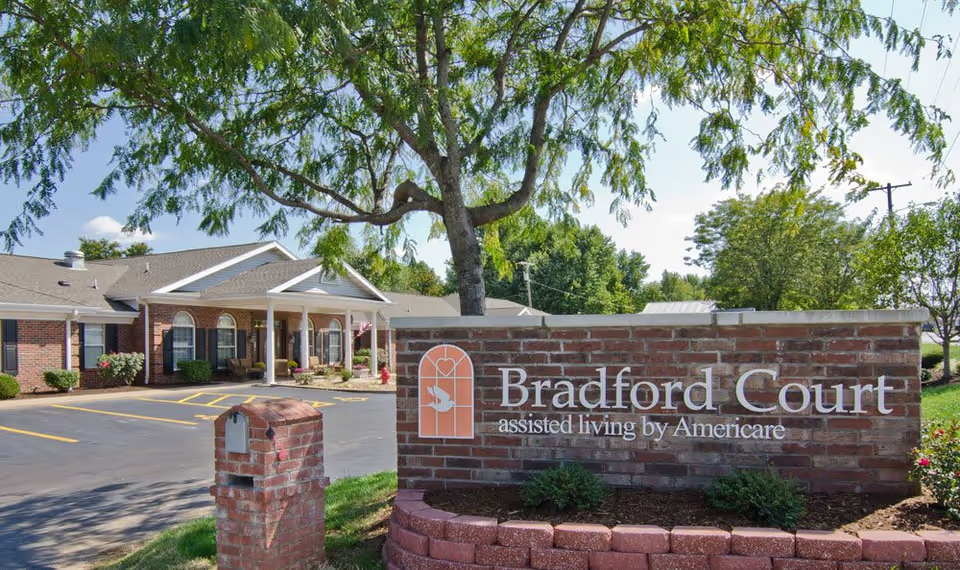
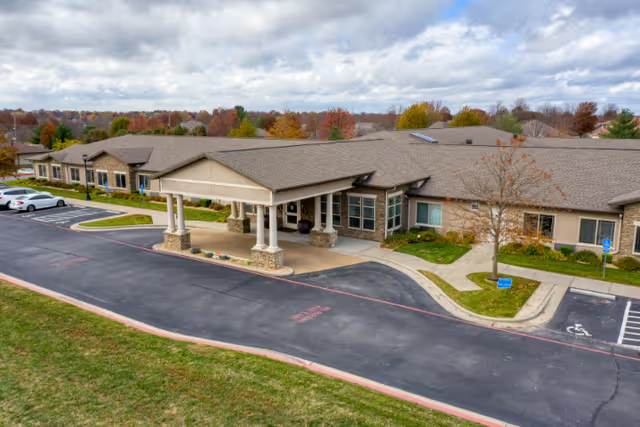
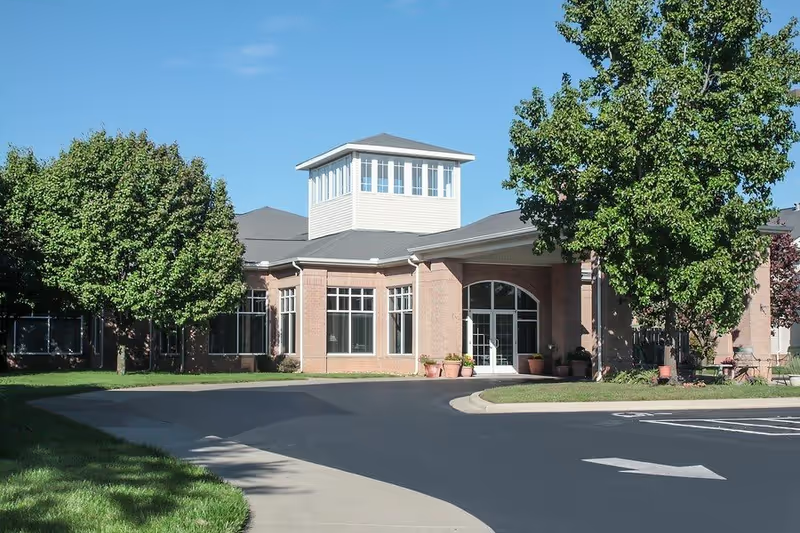
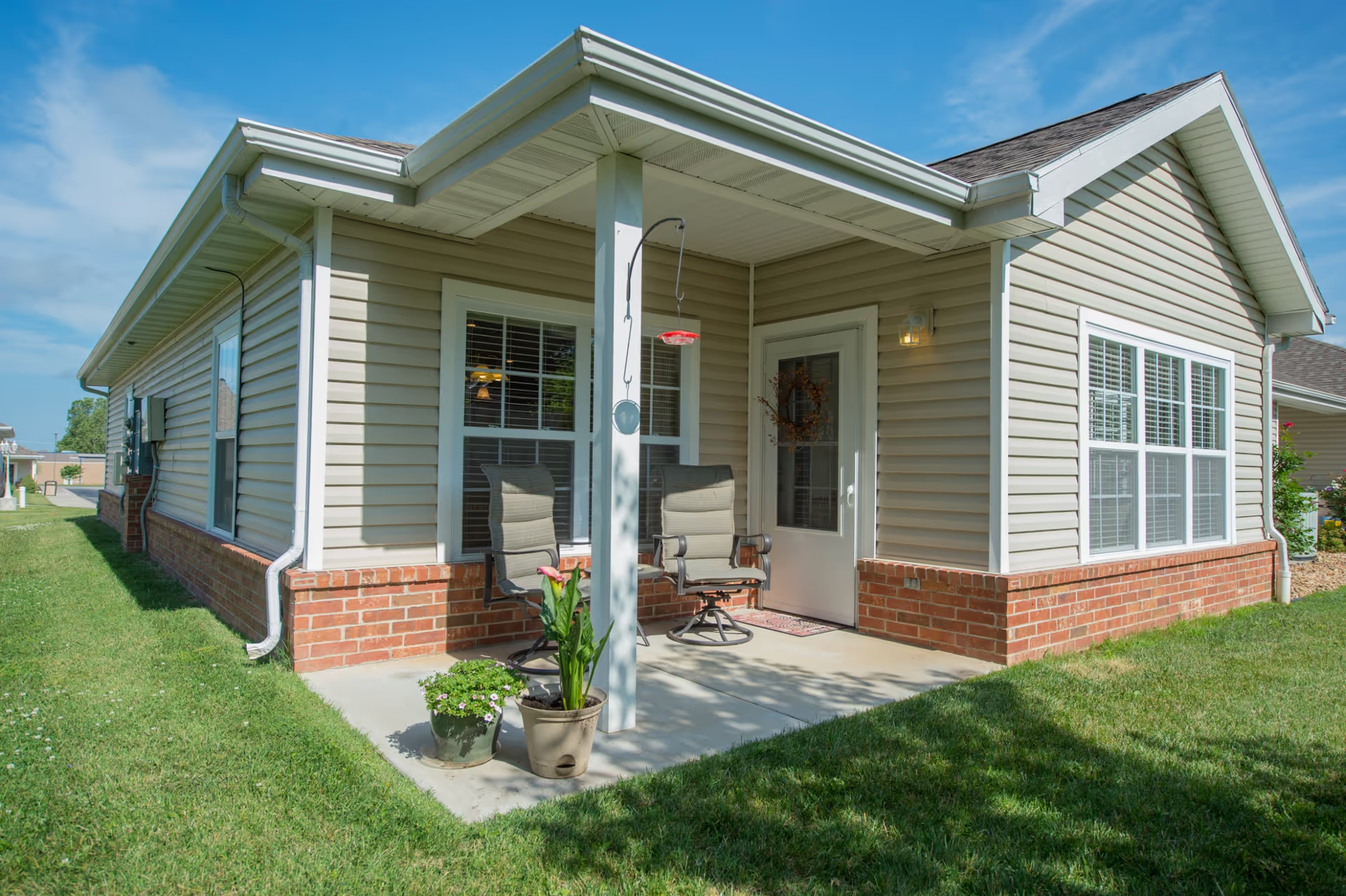
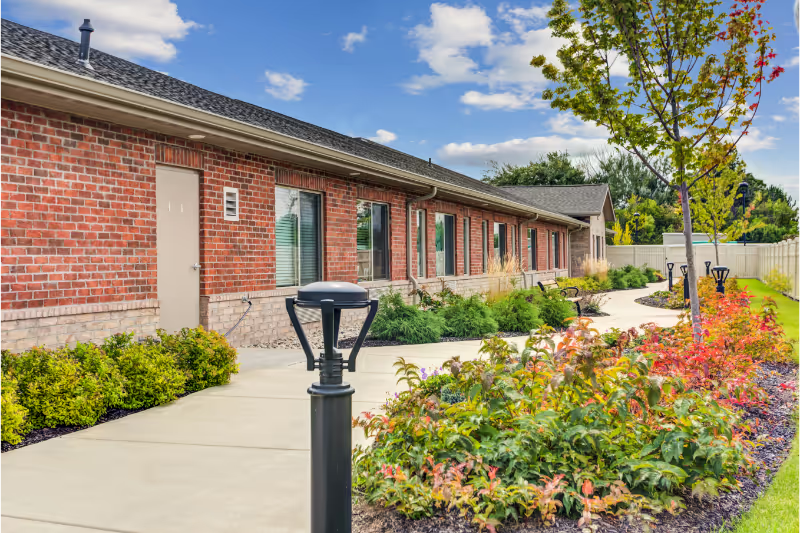
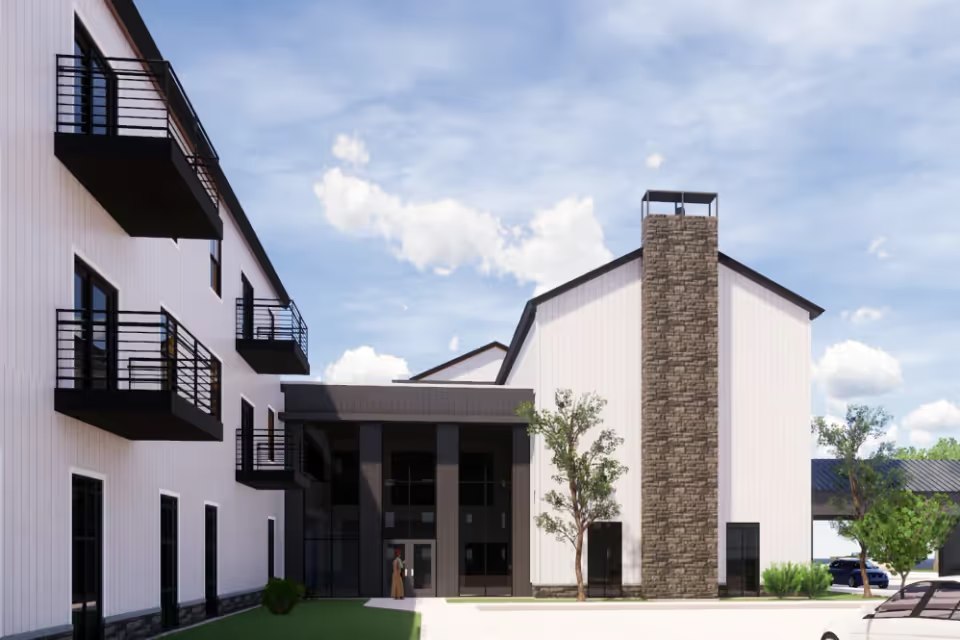
Overall impression: Reviews emphasize a strong, resident-centered culture characterized by consistently positive staff interactions and a home-like cottage campus. Families and residents commonly described the staff as caring, attentive, and available; many reviewers highlighted the facility’s faith-based programming, long-tenured chef, and well-kept grounds as distinguishing strengths. The environment is described as small and cozy, with landscaped courtyards, wide porches, and easy navigation among cottages for residents who are ambulatory.
Care and staffing: Care quality is generally presented as a core strength. Multiple accounts describe respectful, responsive caregiving, effective 24/7 monitoring, and a readiness to support respite and hospice transitions. At the same time, some reviewers noted variability in staff training and occasional lapses in attentiveness or responsiveness; these remarks point to unevenness in front-line staffing rather than a wholesale pattern of poor care. Families should confirm staffing ratios and training expectations during admissions conversations.
Dining and amenities: Dining is a prominent feature. The on-site chef, selectable menus, and two dining areas receive regular praise, and several reviewers described meals as a clear positive for quality of life. There are also notes of inconsistent food quality—occasional overcooked vegetables and an institutional taste reported by some—which suggests variability in day-to-day meal execution. The campus offers wellness-related amenities (salon, whirlpool tub, exercise group) that support resident comfort and social routines.
Activities and social life: The activity program is broad, with frequent examples such as bingo, Wheel of Fortune, weekly town trips, library visits, salon days, and exercise groups. These offerings support an engaged, social atmosphere for many residents. Conversely, a number of reviewers found the activities insufficiently stimulating for residents seeking higher-level intellectual engagement or noted that promotional descriptions did not always match on-the-ground offerings. Prospective residents should review the current activity calendar to ensure alignment with personal interests.
Facilities and accessibility: The cottage-style layout, enclosed courtyard, lush gardens, and well-maintained sidewalks are repeatedly praised and contribute to a residential feel. However, the campus topography includes inclines between cottages and the main center; reviewers noted this can present challenges for walkers and wheelchair users and that independent-living settings may not automatically provide transfer or wheelchair assistance. Families should evaluate specific unit locations and mobility supports when touring.
Management and communication: Administrative interactions were generally described as positive by many reviewers, with several naming helpful administrators and staff. Nevertheless, there are notable concerns about communication clarity at admission, the handling of disputes, and follow-up on loss or financial issues. A few reviewers raised allegations of missing personal items and unresolved refund disputes; these are serious concerns that prospective families should address directly with management and in contract language. Clarifying refund policies, incident investigation processes, and lines of communication before move-in is advisable.
Who this may suit: NorthPark Village appears well suited to prospective residents and families seeking a small, faith-oriented, cottage-style community with a strong emphasis on personal attention, on-site dining, and outdoors-oriented campus life. Candidates who require robust wheelchair-accessible routing, frequent high-level intellectual programming, or absolute consistency in meal presentation should verify those specific needs in advance. Asking targeted questions about staffing, incident resolution, accessibility accommodations, and contractual refund terms will help families assess fit.