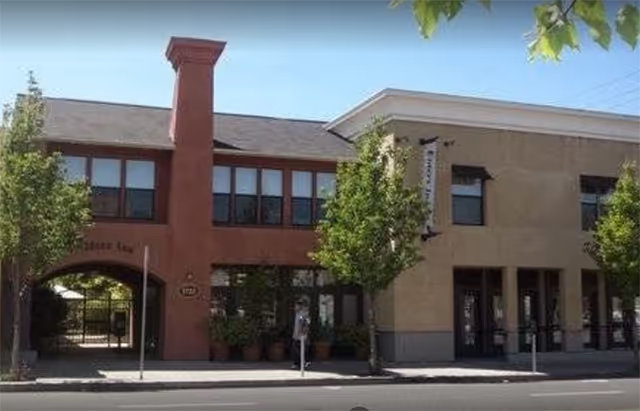
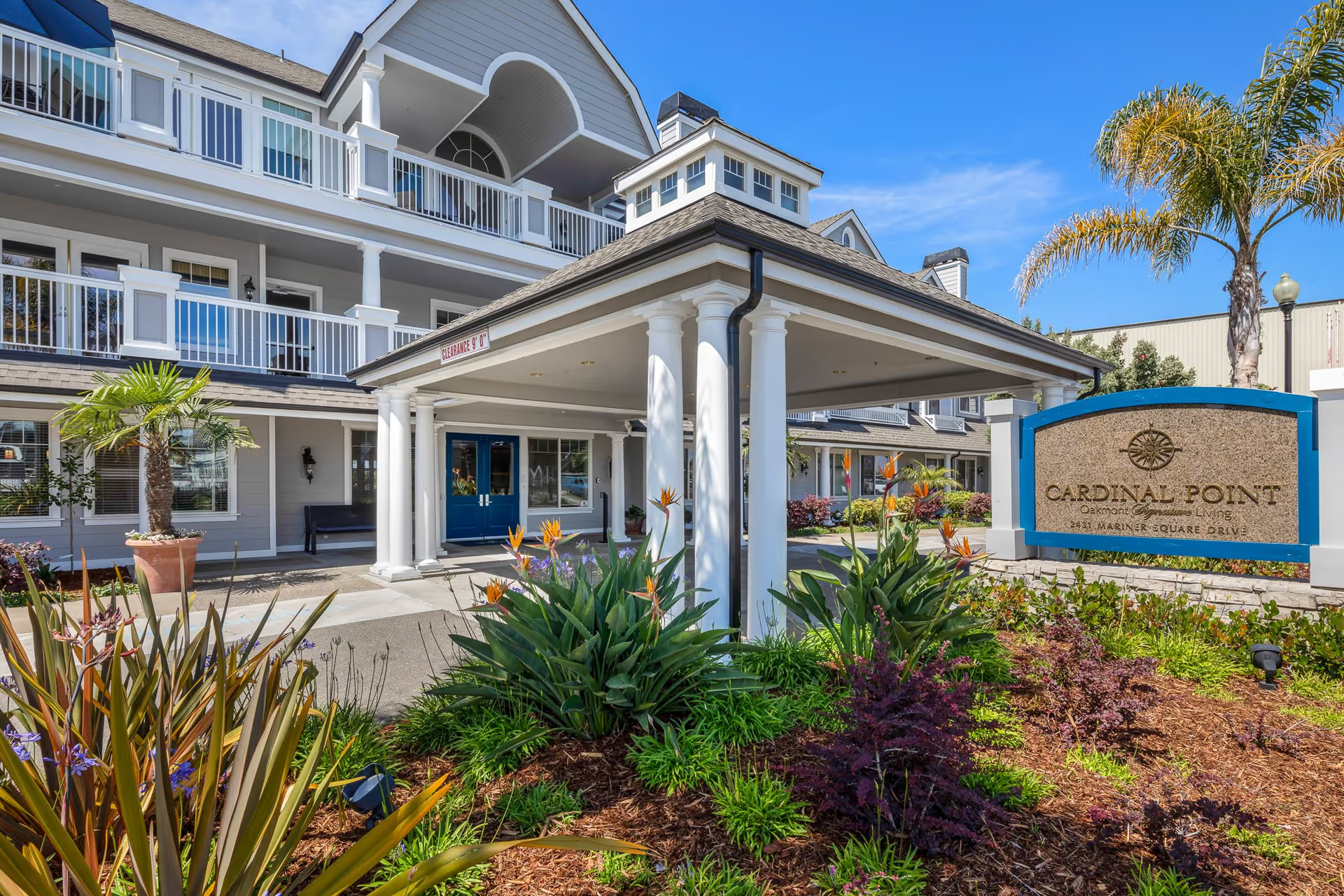
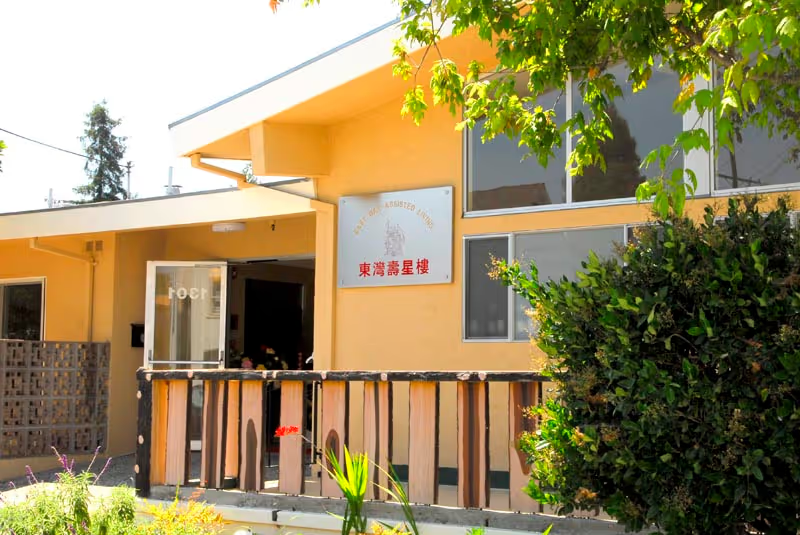
Alameda Healthcare & Wellness Center elicits strongly mixed impressions. Many families praise the therapy teams and direct-care staff, noting rapid functional gains, individualized rehab plans, and therapists who are skilled, organized, and motivating. The facility’s public areas and several rooms are described as modern, attractive, and well maintained; activity programming, music therapy, and social events are consistently cited as strengths that support morale and engagement.
Care quality descriptions are variable. Positive accounts emphasize attentive nursing and caregiving, effective rehabilitation outcomes, and supportive end-of-life care. Contrasting accounts point to inconsistent nursing coverage (particularly evenings and after 5pm), delays in responding to call lights, and lapses in certain aspects of personal care and incontinence management. Reviewers described problems with continuity when nursing staff turnover is high, which can erode personal relationships and complicate individualized care.
Communication and operations are recurring concerns. Multiple families experienced difficulty reaching the facility by phone, long call transfers, and slow or unclear updates from case management and social-work staff. Reviewers also noted weak documentation and follow-up around admissions care plans and physician access, including interruptions to telemedicine or limited physician-family communication. Maintenance responsiveness was another operational theme: delayed repairs (for example HVAC, plumbing, and call‑light systems), missing or uncharged phones, and issues with room temperature control were cited as creating resident discomfort.
Dining and nutrition feedback is mixed. Some families appreciate dietitian involvement and varied menus; others reported inconsistent meal quality, difficulty obtaining supplemental nutrition (for example, Ensure), and dietary handling concerns. Activity and rehabilitation programming is a clear strength for many residents — therapy frequency, group activities, and recreational outings were frequently praised for contributing to recovery and quality of life.
Facility-level risks and serious allegations appeared in a subset of accounts. Reviewers raised infection-control concerns (including references to pneumonia and a listeria exposure) and alleged incidents involving missing personal items and financial misconduct; these claims merit direct inquiry and documentation during any assessment. Cleanliness was described positively by many but criticized by others, with specific mentions of odor concerns and inconsistent room sanitization. Room configuration and occupancy also drew mixed reactions — private rooms are available but some residents are placed in triple rooms or cramped shared therapy spaces.
In summary, Alameda presents a combination of notable clinical and rehabilitative strengths alongside operational and management challenges. Prospective residents and families should weigh the strong therapy offerings, engaged activities, and attractive facility areas against inconsistent staffing, communication shortfalls, maintenance delays, and serious individual allegations. Recommended steps before admission include: meeting the therapy and nursing teams in person, confirming staffing patterns for the unit and after-hours coverage, asking for written care-plan and physician-communication protocols, verifying infection-control policies, inspecting the specific room to be assigned, and clarifying the facility’s procedures for personal‑property inventory and billing/financial safeguards.