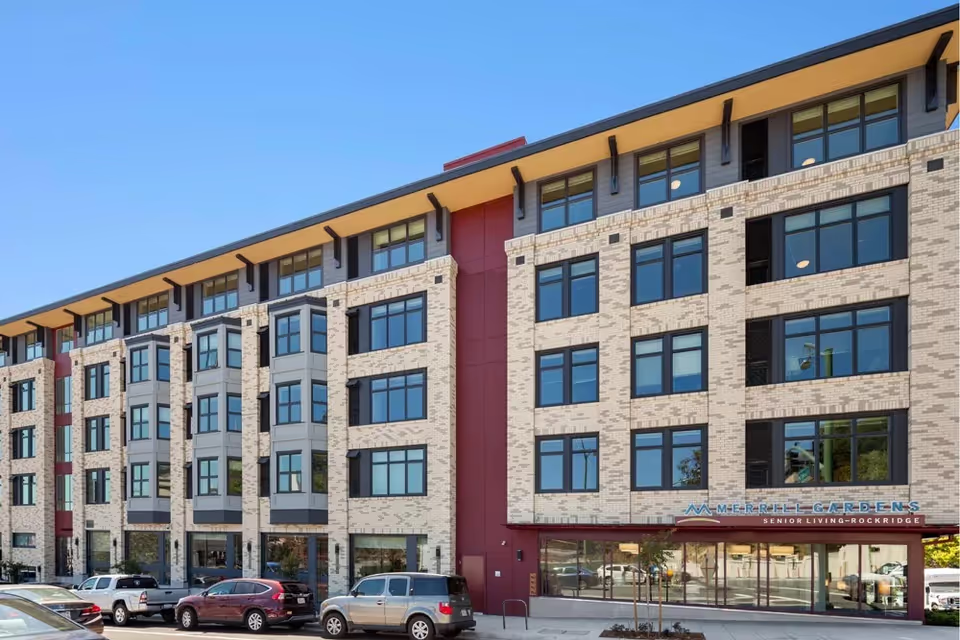
Reviewer accounts indicate a mix of positive clinical outcomes and recurring operational problems. Several families described strong short-term rehabilitation outcomes—therapists and some clinical staff helped residents regain mobility and independence, and unit-level caregivers were praised for supportive attention. Front-desk personnel and certain areas of the campus were also cited as clean and well-maintained, and parking and facilities management received favorable comments.
At the same time, a consistent pattern of operational concerns appears across reviews. The most frequent themes are delayed or inconsistent responsiveness to call lights and requests for assistance, and staffing shortages that create high patient-to-staff ratios. These issues contributed to delays in toileting and repositioning, missed or delayed pain and routine medications, and inconsistent adherence to turning and bathing schedules. Several reviewers also raised medication-administration and documentation gaps, including medication changes communicated poorly or not at all to families.
Facility and environmental issues were raised repeatedly. Reviewers described sanitation and pest-control concerns in resident rooms and some common areas, along with inconsistent room-cleaning and laundry management. There were mentions of stains and cleanliness lapses that suggest weaknesses in housekeeping oversight. Food quality and meal-service continuity were also inconsistent; some families described poor meal experiences and incidents of dropped or spilled food left unattended.
Staff conduct and management practices drew mixed evaluations. While some nurses and aides were described as compassionate and effective, others were characterized by poor communication tone and unprofessional interactions. Reviewers reported problems with scheduling, supervisory follow-through, and a perception that management did not consistently address frontline staffing or quality-control issues. There were also serious individual claims, including allegations related to a resident's death and potential legal action, which underscore concerns about escalation and incident response.
For prospective residents and families, the facility appears capable of delivering effective rehabilitation when therapy and clinical teams are engaged. However, families should clarify staffing levels, call-system response expectations, wound-care and infection-control protocols, and communication practices before admission. Requesting written care plans, regular medication reconciliations, and documentation of wound and turning schedules can help set expectations. If you observe substantive care or cleanliness issues, document them and escalate to facility leadership and, if needed, the appropriate oversight agency.