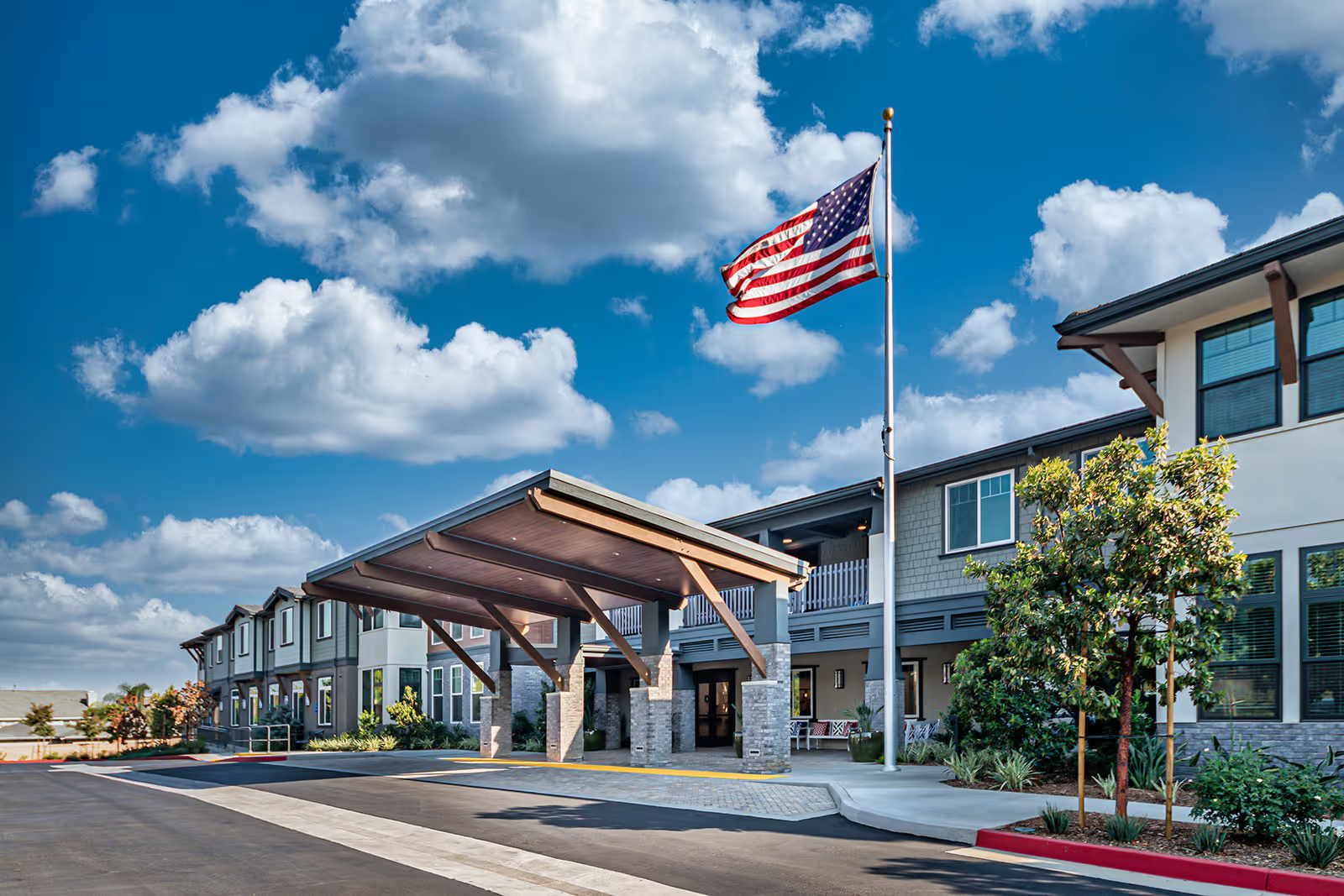
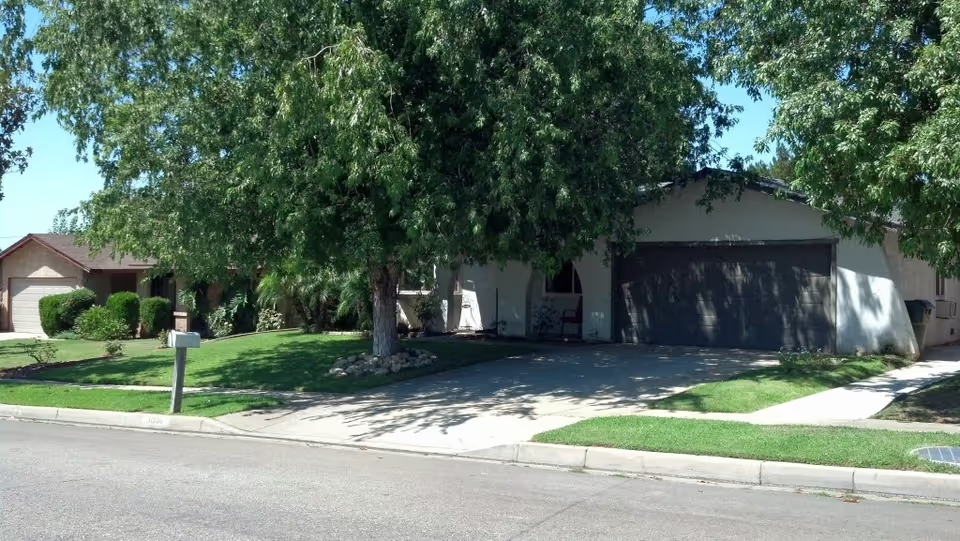
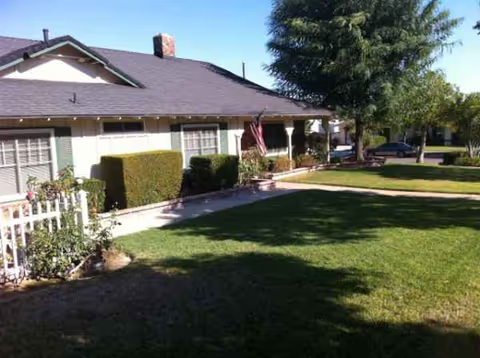
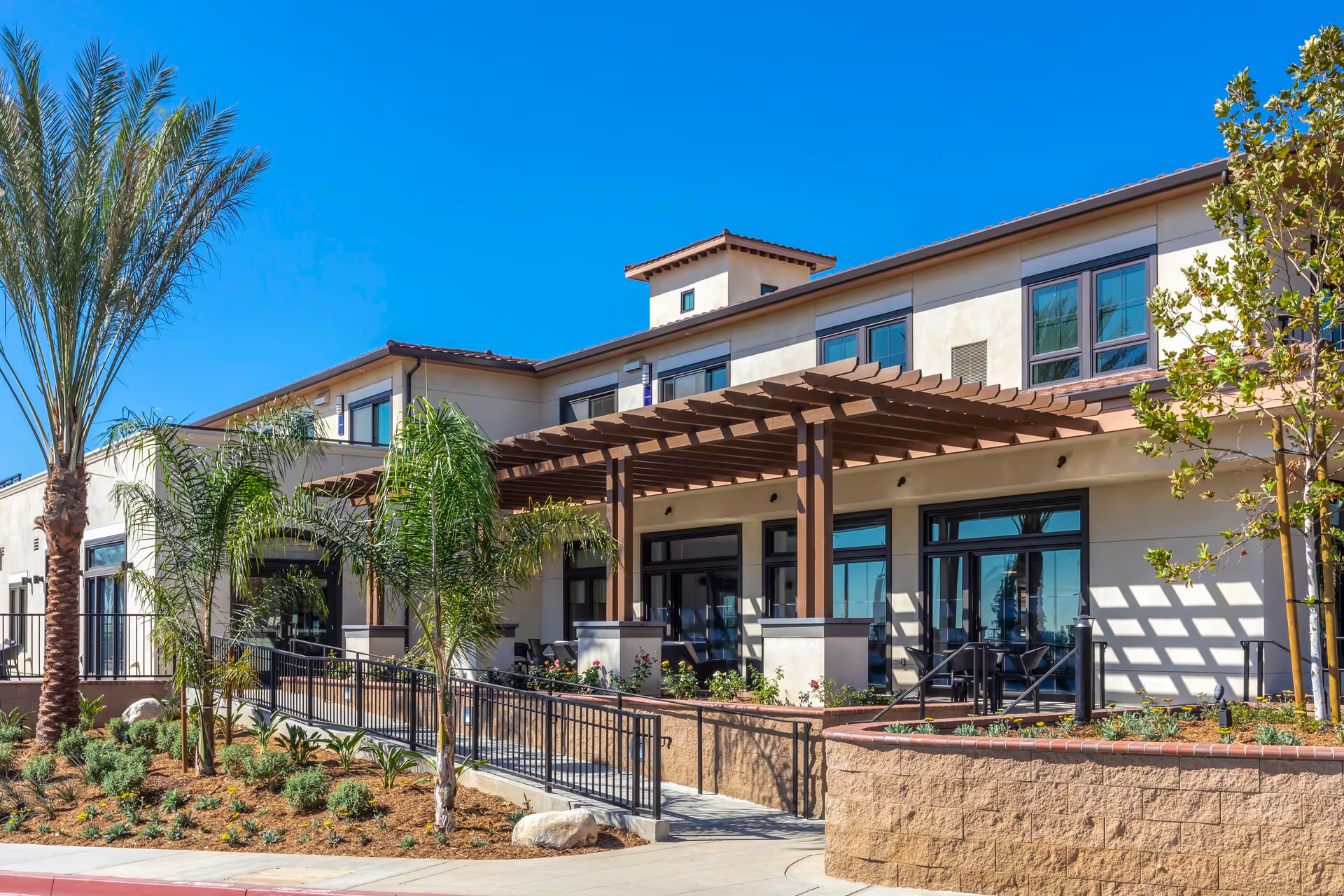
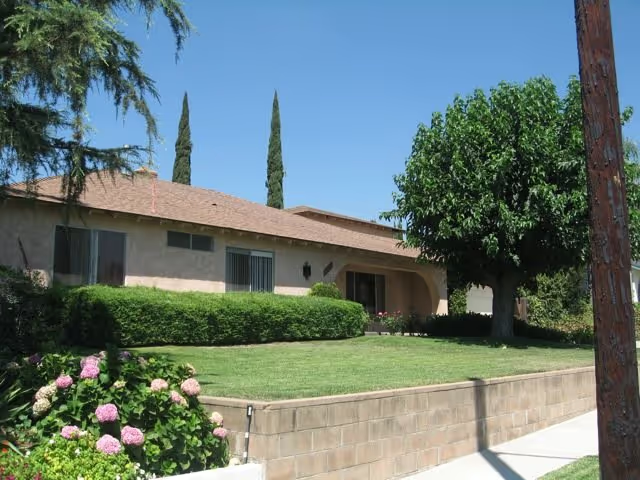
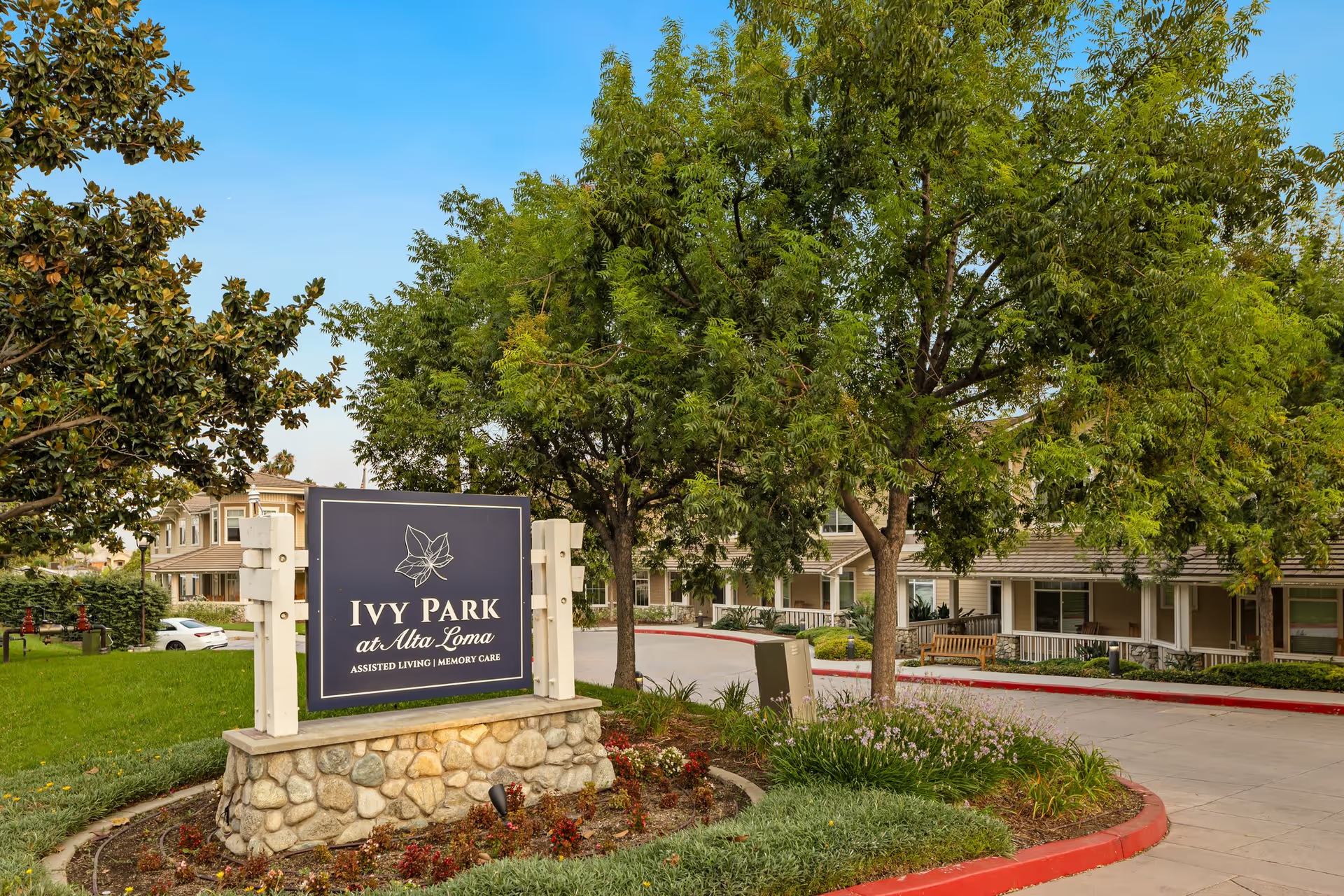
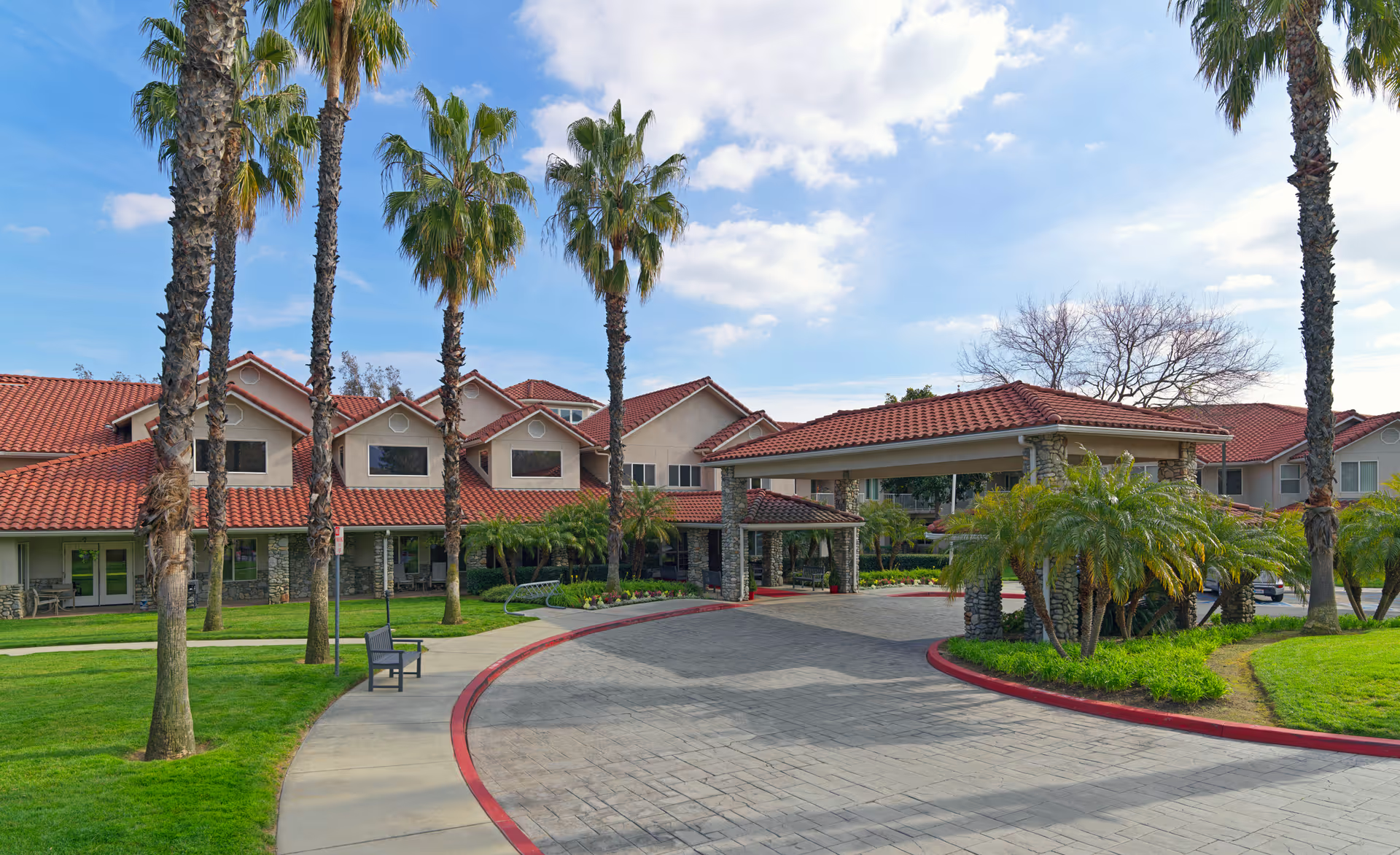
Reviews present a mixed but consistent portrait: direct caregivers are frequently described as compassionate, knowledgeable, and attentive, and many families credit the staff and nursing leadership with stabilizing health issues and creating a comfortable, home-like environment. The community’s smaller scale, courtyard layouts, therapy-animal programming, and active calendar of events are commonly cited as strengths. Dining is often praised—residents and families note good meals, a responsive chef, and flexible accommodations when food is delayed. Several reviewers appreciated the ease of move-in, accessible leadership, and an age-in-place structure that supports different levels of care across separate buildings.
Alongside these strengths, a recurrent operational pattern raises concern. Staffing levels are commonly described as inadequate, particularly on night shifts and during evenings in memory-care houses; reviewers linked low staffing to delayed responses, missed care tasks, and safety incidents. Many accounts describe substantial staff turnover following an ownership transition, with an increased reliance on temporary or agency workers; reviewers connected this to variability in care continuity and team cohesion. Several comments also indicate gaps in licensed clinical coverage at times, which families view as an important factor when a resident has complex medical needs.
Cleanliness and maintenance receive mixed evaluations: some families praise well-kept common areas and grounds, while others describe sanitation issues within particular buildings and uneven housekeeping standards. Meal quality and service are strengths overall but not uniformly consistent—timing and portion/temperature concerns were raised in multiple accounts, and leftover or reheated food was mentioned for certain shifts. Activities programming is a clear positive during daytime hours, but some reviewers noted limited engagement or staffing for evening and late-shift activity in memory-care units.
Management and administration reviews vary considerably. Several families commended accessible directors and proactive nursing communication; others described abrupt personnel changes, perceived unprofessional interactions, and unclear billing practices after cost increases. Cost and billing transparency emerged as a practical consideration—while pricing is competitive for some unit types, a number of families experienced rate increases or found monthly statements difficult to interpret.
For prospective residents and families: the facility shows clear strengths in personal caregiving, social programming, dining, and a supportive small-community atmosphere. At the same time, there are operational weaknesses that may affect safety and consistency of care—particularly staffing levels on nights/evenings, turnover and use of temporary staff, occasional sanitation inconsistencies, and variability between buildings. Recommended checkpoints during a tour include asking about current staffing ratios by shift (including memory-care nights), licensed nurse coverage, average staff tenure, agency-staff usage, specifics on housekeeping schedules, meal-service procedures for late shifts, and a detailed, itemized explanation of monthly charges and recent rate history.