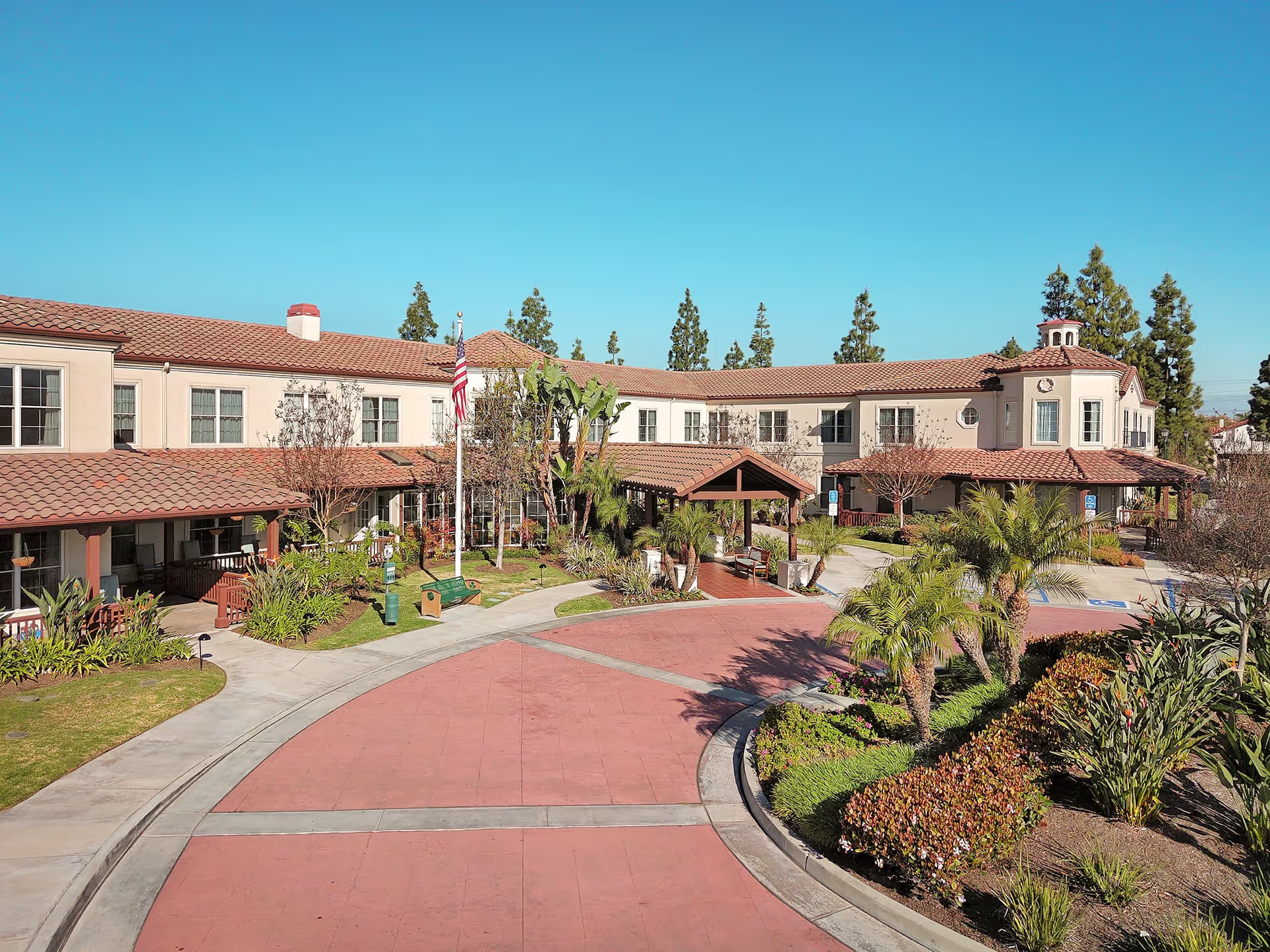
Reviews for Anaheim Crest Nursing Center are markedly polarized. A substantial portion of feedback highlights strong clinical rehabilitation services, engaged CNAs, supportive social-services staff, and a clean, comfortable physical environment. Conversely, a significant set of concerns focuses on operational reliability—especially nursing responsiveness, medication processes, documentation, and leadership stability. Families and patients describe both exemplary caregiving experiences and serious operational breakdowns, creating a pattern of inconsistent experiences.
Care quality and clinical services: Many families praise the rehabilitation program (PT/OT) and onsite specialty clinics, noting good therapy outcomes and convenient access to wound care, podiatry, dental and audiology. CNAs frequently receive positive mention for attentive, compassionate day-to-day care. At the same time, there are repeated concerns about nursing responsiveness to call buttons, delays in addressing clinical deterioration, and gaps in medication administration. These concerns include delayed pain control, missed or delayed medication doses, and variability in how different nursing staff manage complex clinical situations. Together, the pattern suggests strengths in rehabilitative and hands-on caregiving but inconsistent performance in higher-acuity nursing functions and medication management.
Staff and management: Staff-level impressions vary widely. Multiple comments describe caring, professional, and personable staff, including social workers who assist with discharge planning. However, reviewers also describe high turnover and frequent leadership changes, which can undermine operational continuity. There are concerns about documentation practices and transparency, and one category of feedback references alleged mishandling of personal items and identity-related issues. Communication issues extend to handoffs and transfers — families describe unclear or delayed communication around transfers and outside appointments. Language and cultural dynamics are a mixed asset: the facility offers Korean-language and culturally responsive services appreciated by many families, but some reviewers describe staff conversations in non-shared languages that can limit transparency and team communication.
Dining, activities and daily life: The activities program is consistently highlighted as a strength — reviewers note a robust schedule and an engaged activities director. The facility’s environment is often described as clean, cozy, and welcoming. Dining feedback is split: some families appreciate culturally appropriate meal options and dietary accommodations, while others report inconsistent food quality, batch-prepared meals, or missed/late meal service. Meal-timing reliability and food quality appear to be recurring operational pain points.
Facilities, access and equipment: Physical spaces are frequently described as clean and spacious with convenient parking and a comfortable atmosphere. Onsite clinical capacity is a positive for many. Simultaneously, there are reports indicating uneven equipment maintenance and supply continuity, and concerns about after-hours access — locked front-door policies, limited night staffing at the desk, and lack of in-room phone access have been raised as practical barriers for families and residents.
Overall impression and guidance: Anaheim Crest demonstrates clear strengths in rehabilitation, activities, social-services support, and culturally competent offerings. However, the facility also exhibits operational vulnerabilities around nursing responsiveness, medication administration, documentation/transparency, leadership stability, and consistent dining/service delivery. Prospective residents and families would benefit from an in-person visit that includes direct questions about staffing ratios, night coverage and access, medication-administration protocols, handling of personal belongings, documentation practices, and how the facility manages language access during clinical care. Asking for recent staffing and quality metrics and speaking with current families can help clarify whether the facility’s positive practices are consistently applied to a prospective resident’s level-of-care needs.