Anaheim Healthcare Center elicits a broadly mixed but predominantly positive set of impressions. Many families and residents praise the hands-on caregiving teams: CNAs and nurses are frequently described as compassionate, attentive, and personally engaged. Physical and occupational therapy receive consistent commendation for motivating rehabilitative progress and functional gains. Resident-relations personnel and several case managers are singled out for helping families navigate insurance, discharge planning, language needs, and paperwork, contributing to a sense of coordinated transition back home.
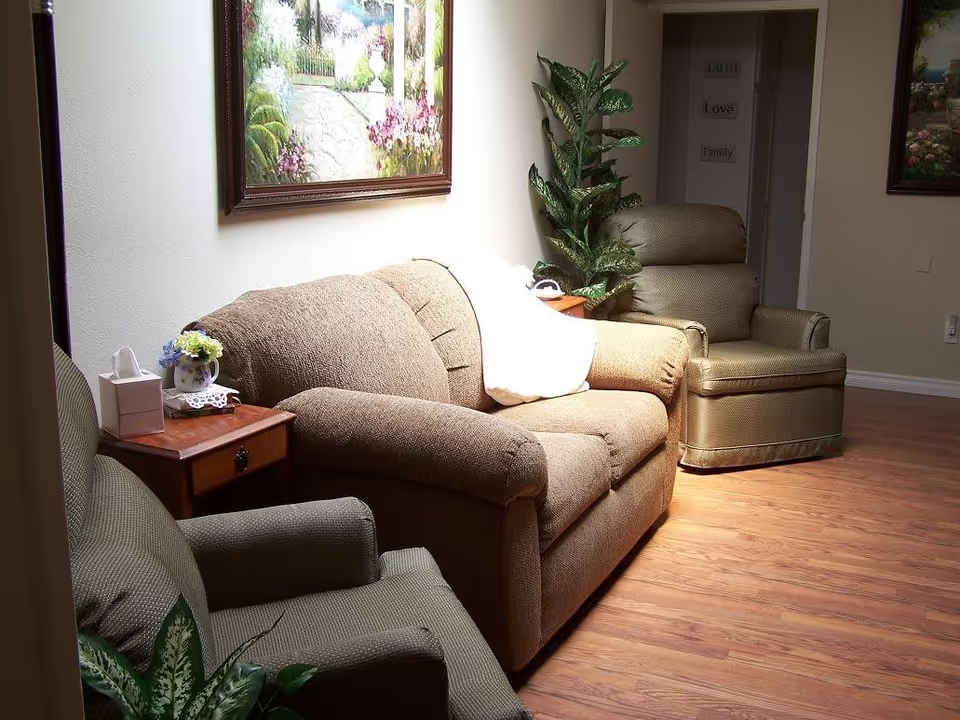
Clinical strengths appear strongest in rehabilitation, wound and treatment nursing, and individualized care planning. Multiple accounts describe measurable progress in mobility, speech, and activities of daily living under therapy teams. The facility's interior cleanliness, welcoming common areas and activity programming (crafts, live music, events) are repeatedly noted as contributors to patient morale. Multilingual services and culturally tailored meal options (including a Vietnamese program) are also cited as meaningful supports for non-English-speaking residents.
At the same time, a recurring pattern of operational inconsistencies emerged across reviews. Medication timing and administration are described as reliable by many but inconsistent by others, with intermittent delays in pain medication and concerns about medication coordination. Staff responsiveness to call lights and urgent needs varies by shift, and families report uneven communication about clinical status and follow-up. Administrative responsiveness is also uneven—weekend coverage and return calls from leadership are described as limited in some accounts. Social-work and case-management availability are praised in some cases but characterized as overloaded or slow in others, producing variability in discharge coordination and paperwork handling.
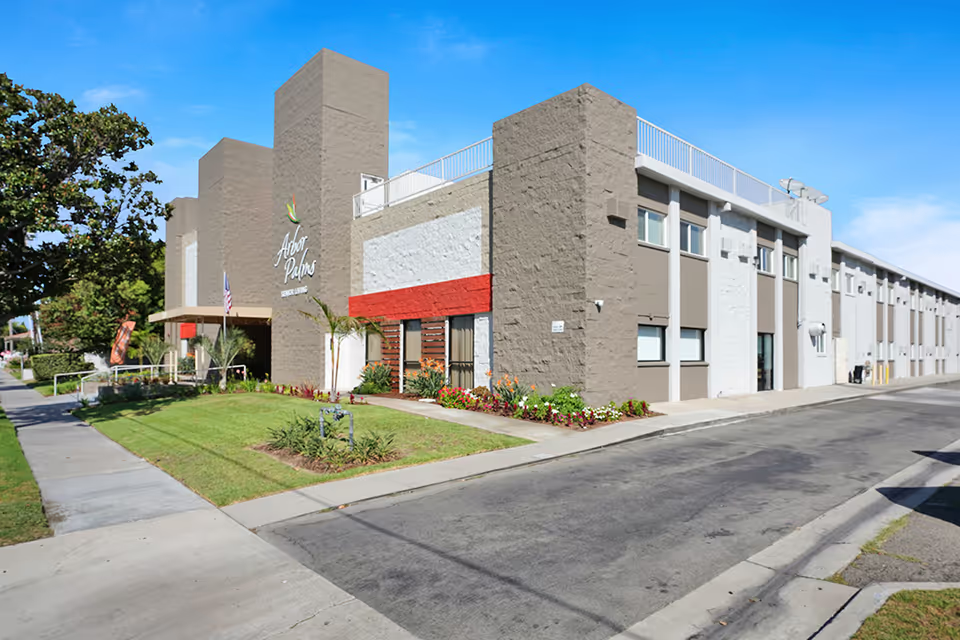
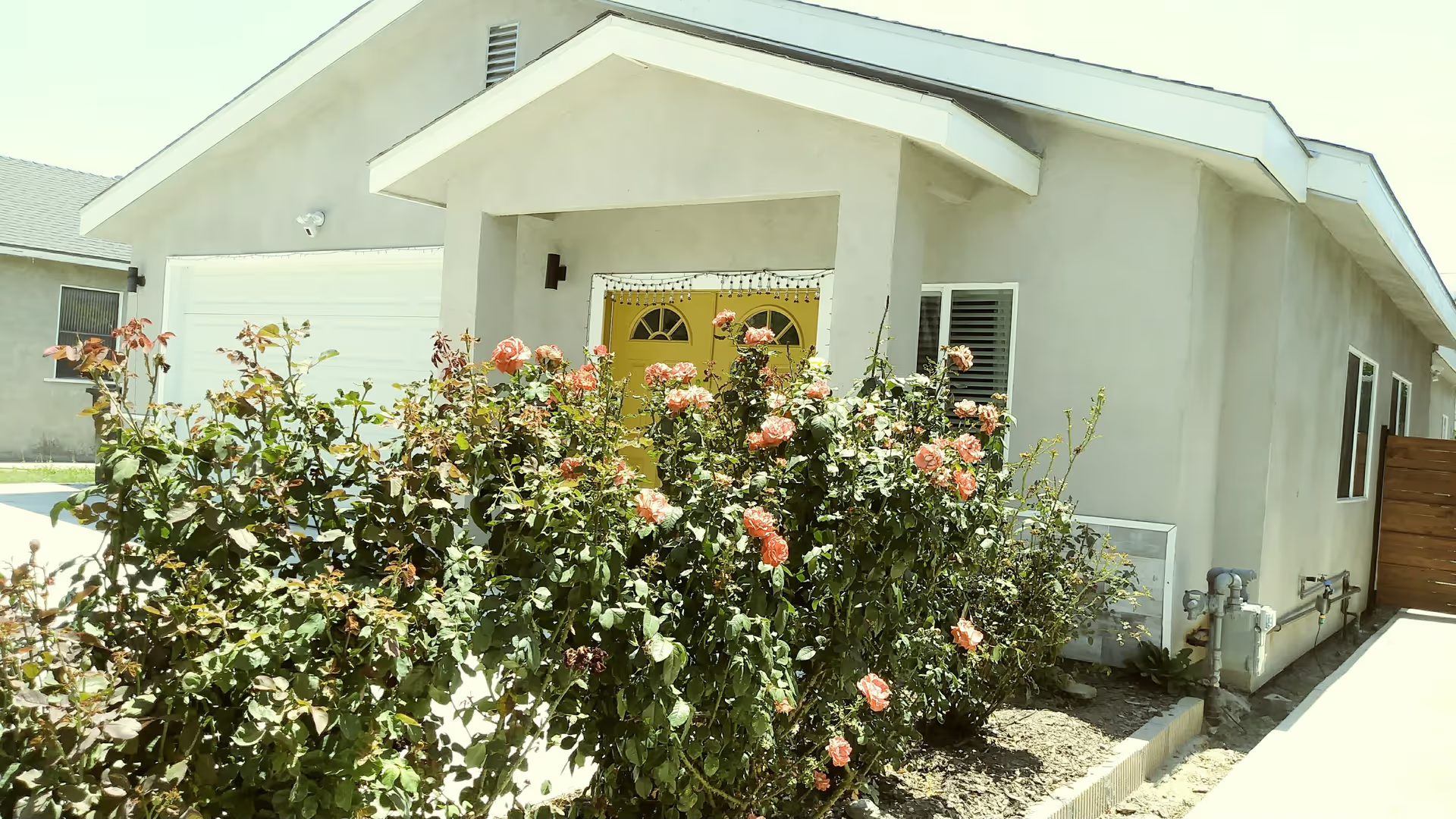
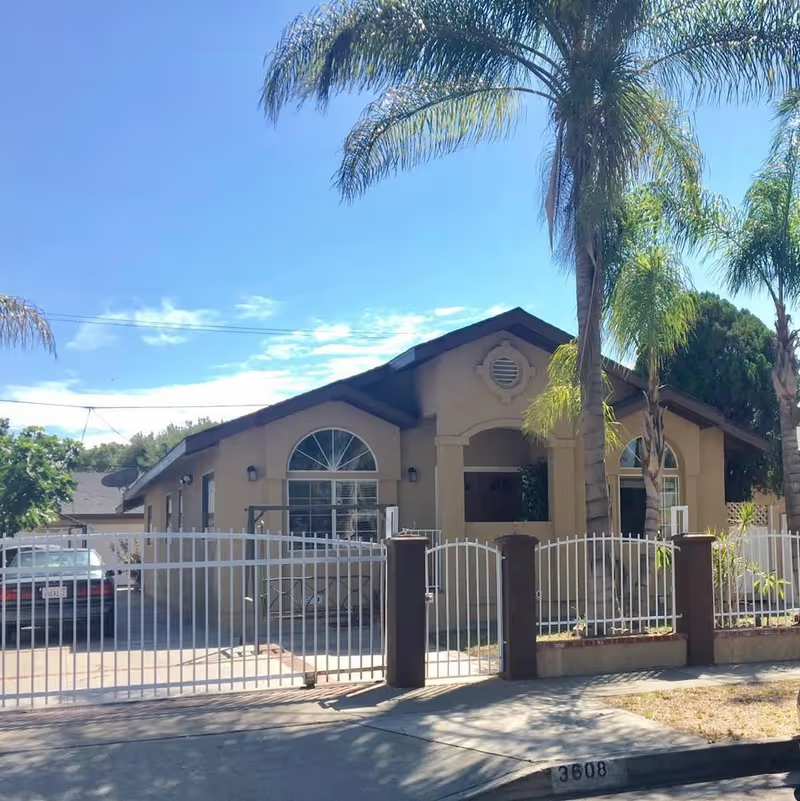
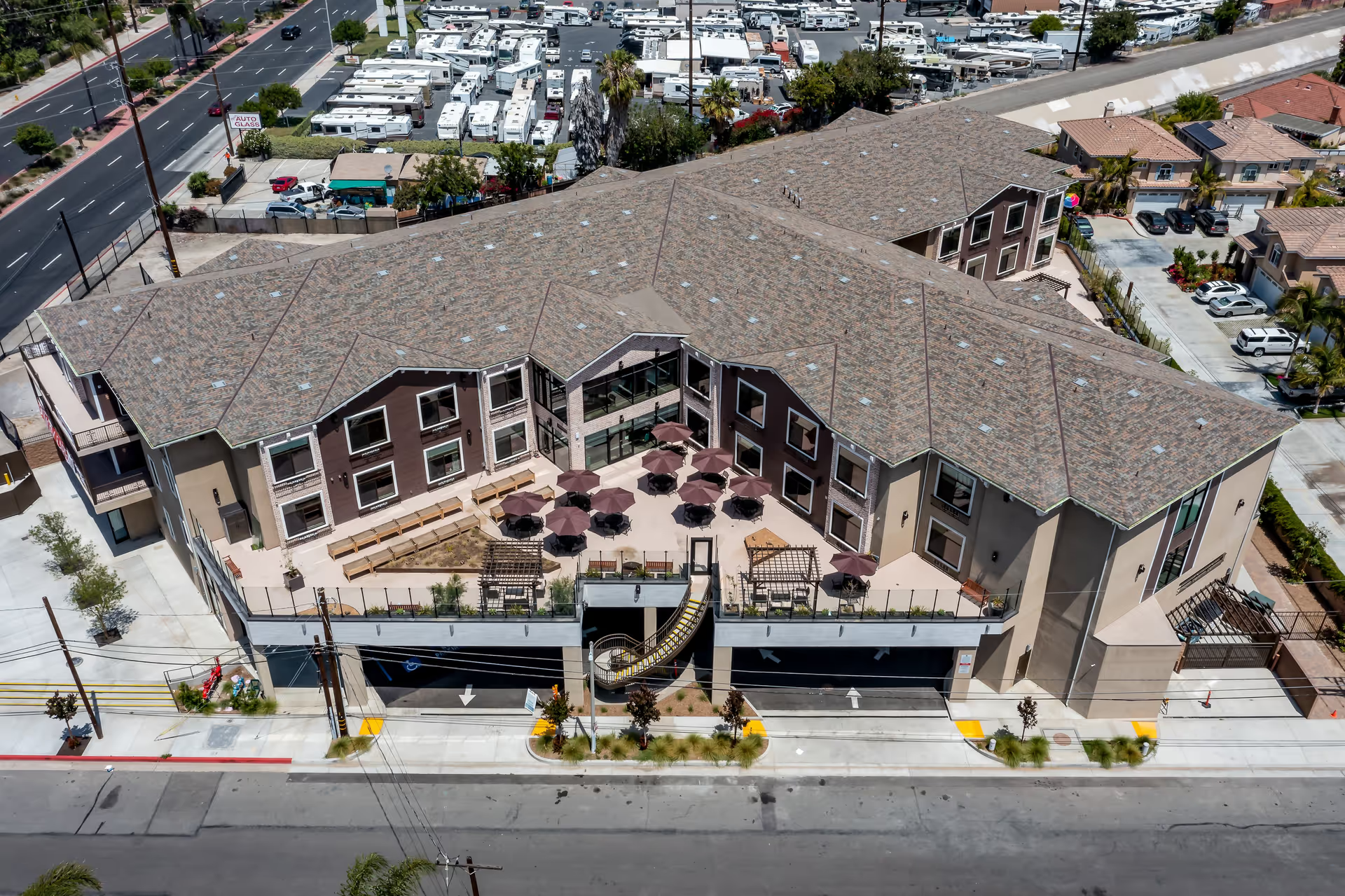
Dining and facility-maintenance comments are mixed. Several reviewers appreciate the food, special dietary accommodations, and warm meal service; others describe cold or uncreative meals and weaknesses in diabetic menu management. The interior is generally regarded as clean and well-maintained, but exterior curb appeal and outdoor aesthetics are described as lacking. A small number of reviews raise sanitation and pest-control concerns and note problems with property handling (lost clothing, billing or medical-record requests), which warrant specific inquiry during tours.
Finally, there are serious individual allegations that families should not ignore: some accounts describe mishandled critical clinical incidents, concerns about infection-control practices, and unresolved family complaints. Those issues are not presented as universal, but they are significant when they occur. Prospective residents and families should weigh the facility's strong rehabilitation track record and generally compassionate frontline staff against these operational variability issues.
Practical next steps for families: arrange an in-person tour, ask about medication-administration protocols and weekend clinical leadership, confirm infection-control and pest-control procedures, inquire about diabetic and specialty meal plans, and meet the social-work/case-management team who will coordinate discharge. Verifying weekend administrative coverage, property-handling policies, and specific therapist schedules can help align expectations with the facility's demonstrated strengths and operational variability.