The reviews show a mix of positive and concerning experiences, producing a polarized overall picture. On the positive side, families and visitors frequently describe an attractive, bright facility with pleasant décor, a calm atmosphere, engaging communal activities, and generally well-liked meals. Several accounts highlight tour and front-line staff who are welcoming and unhurried during visits, and others describe caregiving interactions as friendly and caring.
Care quality appears inconsistent across accounts. Some residents receive attentive, appropriate support, while others experience lapses in responsiveness and continuity of care. Specific operational patterns implied by reviewers include staffing shortfalls and caregiver training gaps, particularly for residents with higher-dependency needs such as dementia. Reports of repeated falls and subsequent moves to other facilities suggest weaknesses in fall-prevention and transfer-safety processes rather than isolated administrative errors.
Staff behavior and training present a mixed picture. Many remarks praise individual caregivers for being kind and engaged, and activities staff receive positive comments for promoting resident interaction. Conversely, multiple comments point to inadequate staffing levels, uneven caregiver competency, and a perception that leadership is sometimes insufficiently involved in day-to-day care oversight. New management and director-level engagement were mentioned as areas needing improvement.
Dining and activities are relative strengths. Families noted a variety of activities and visible resident engagement, and some described dining as good for their relatives. Program quality may vary by shift or by which staff are present, which aligns with the broader pattern of variability in daily operations.
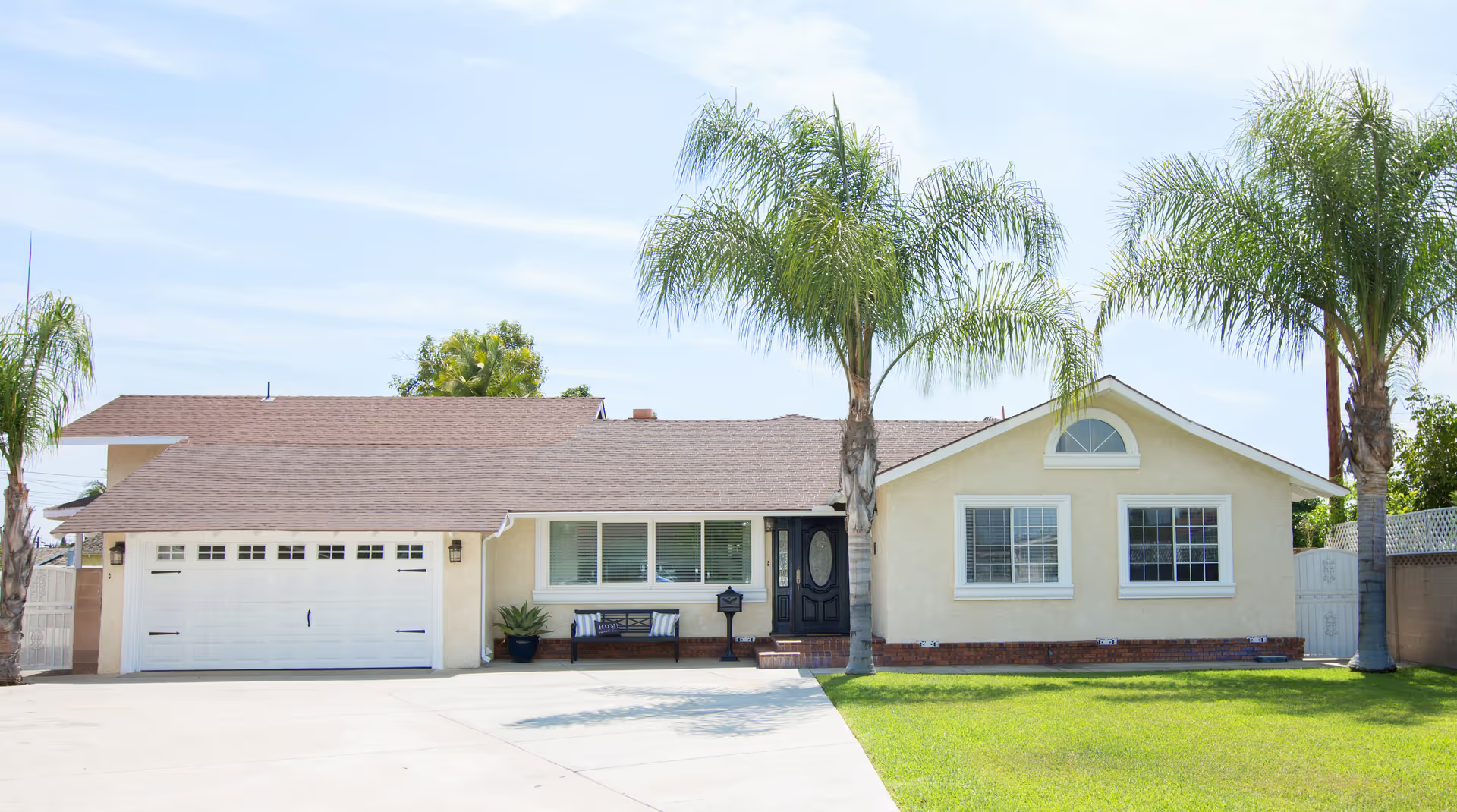
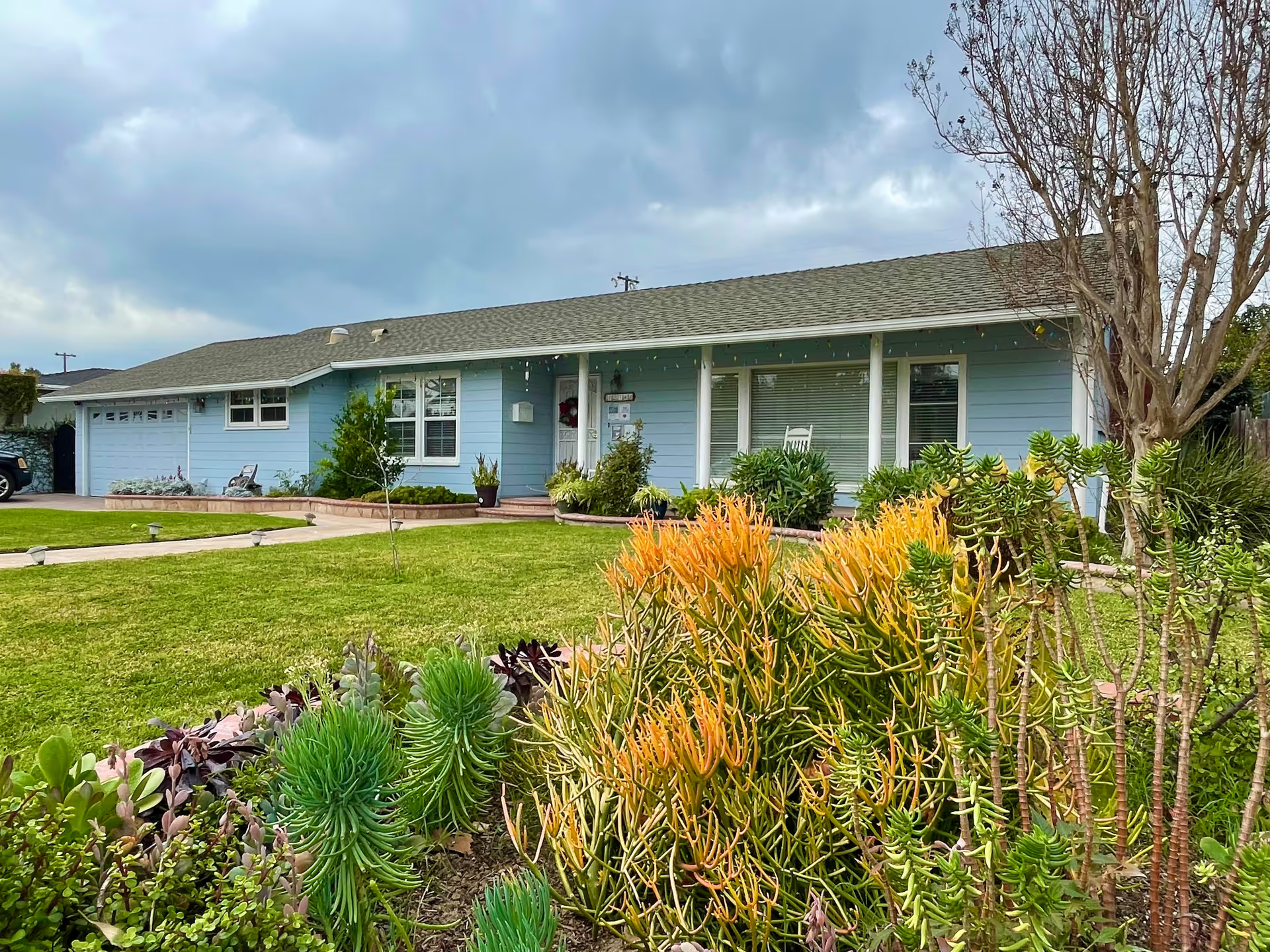
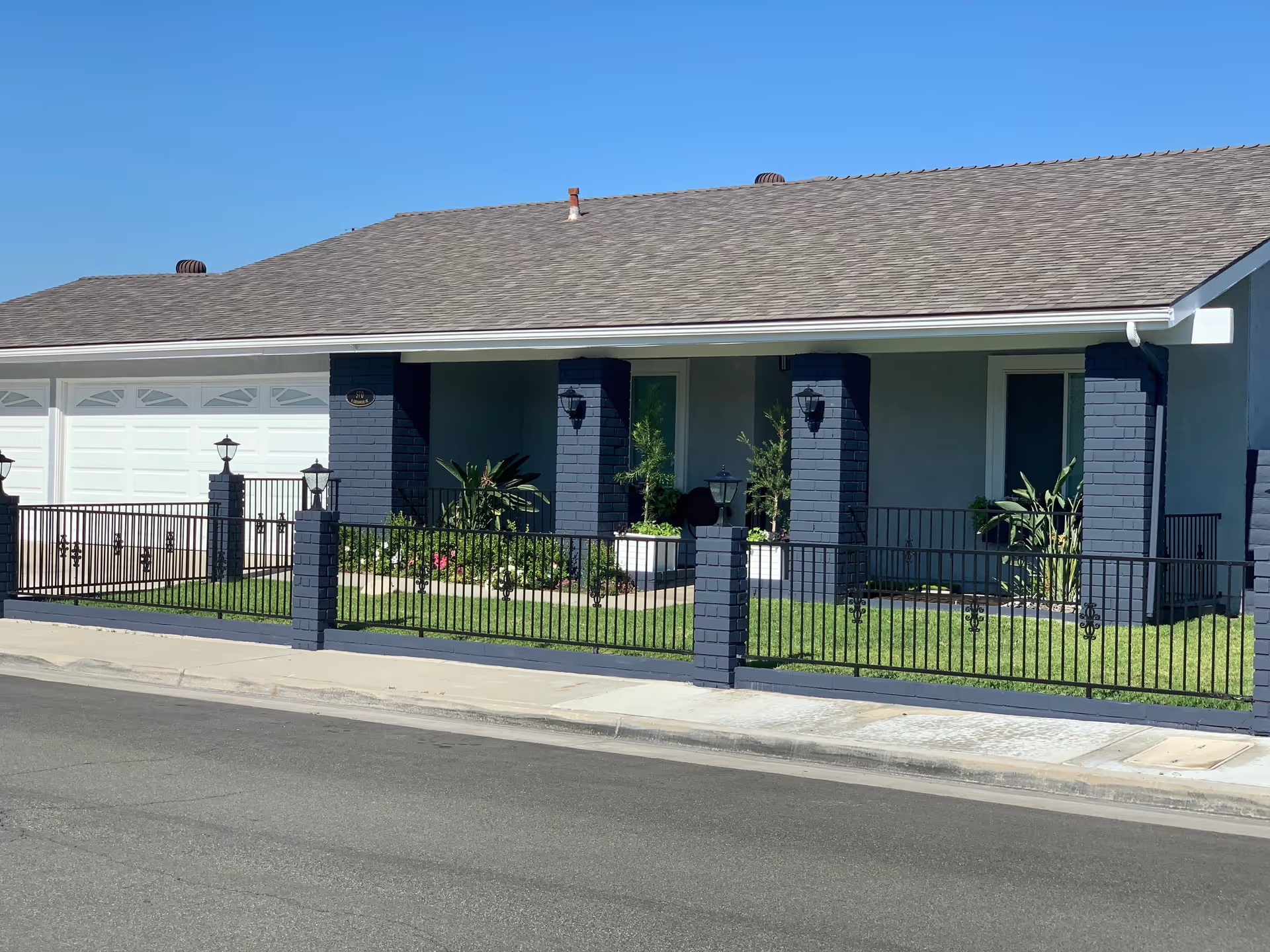
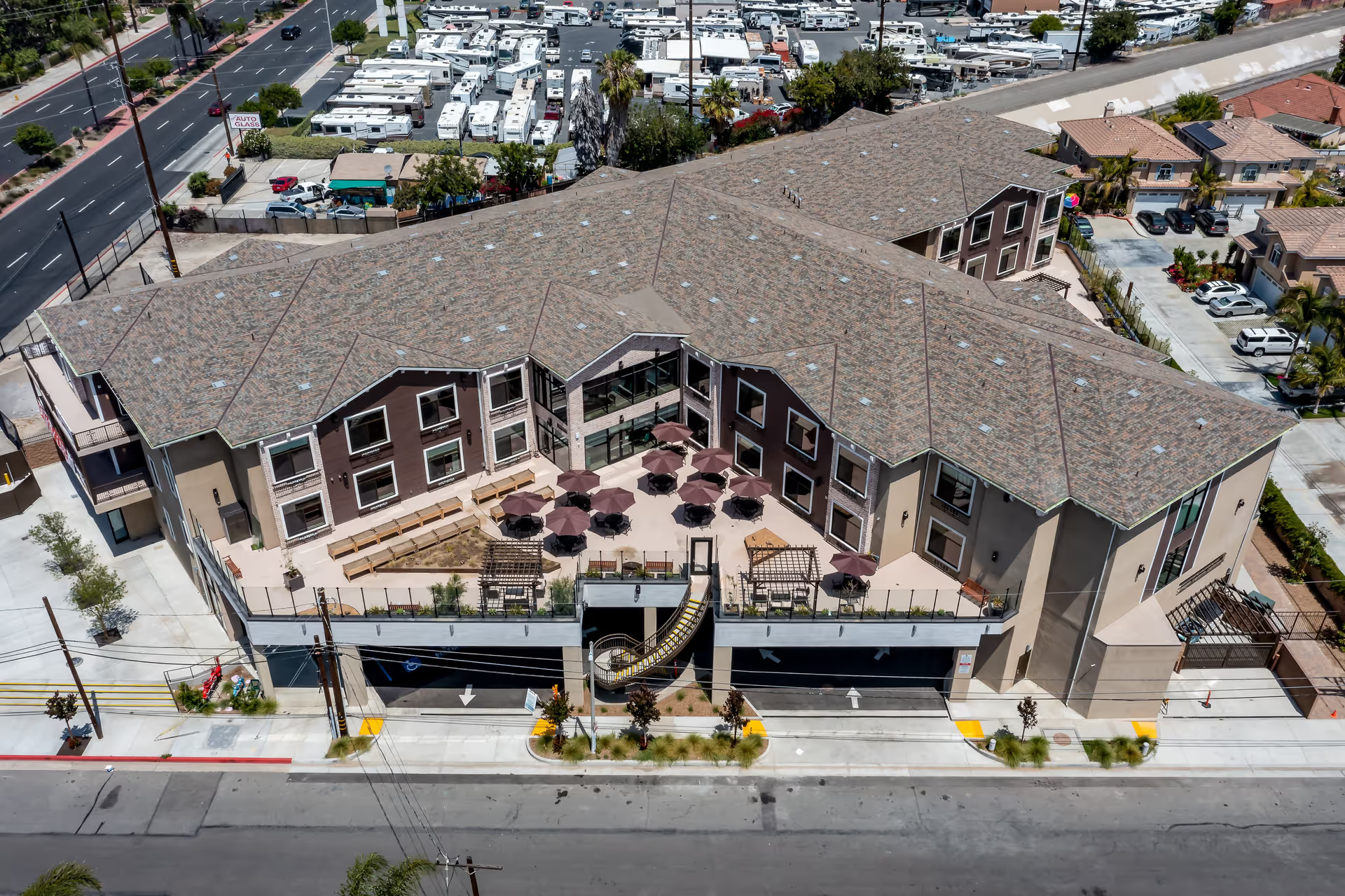
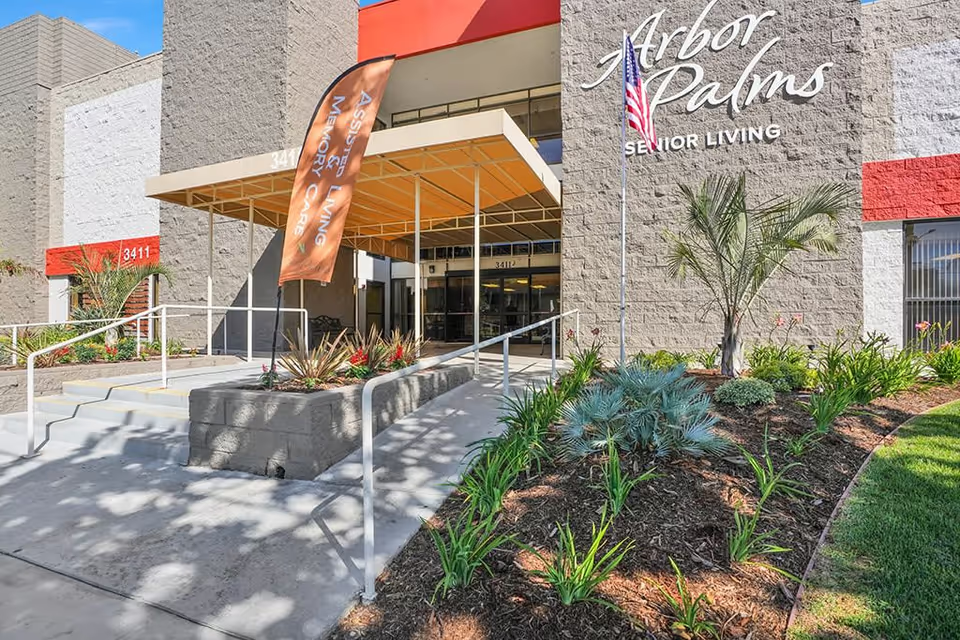
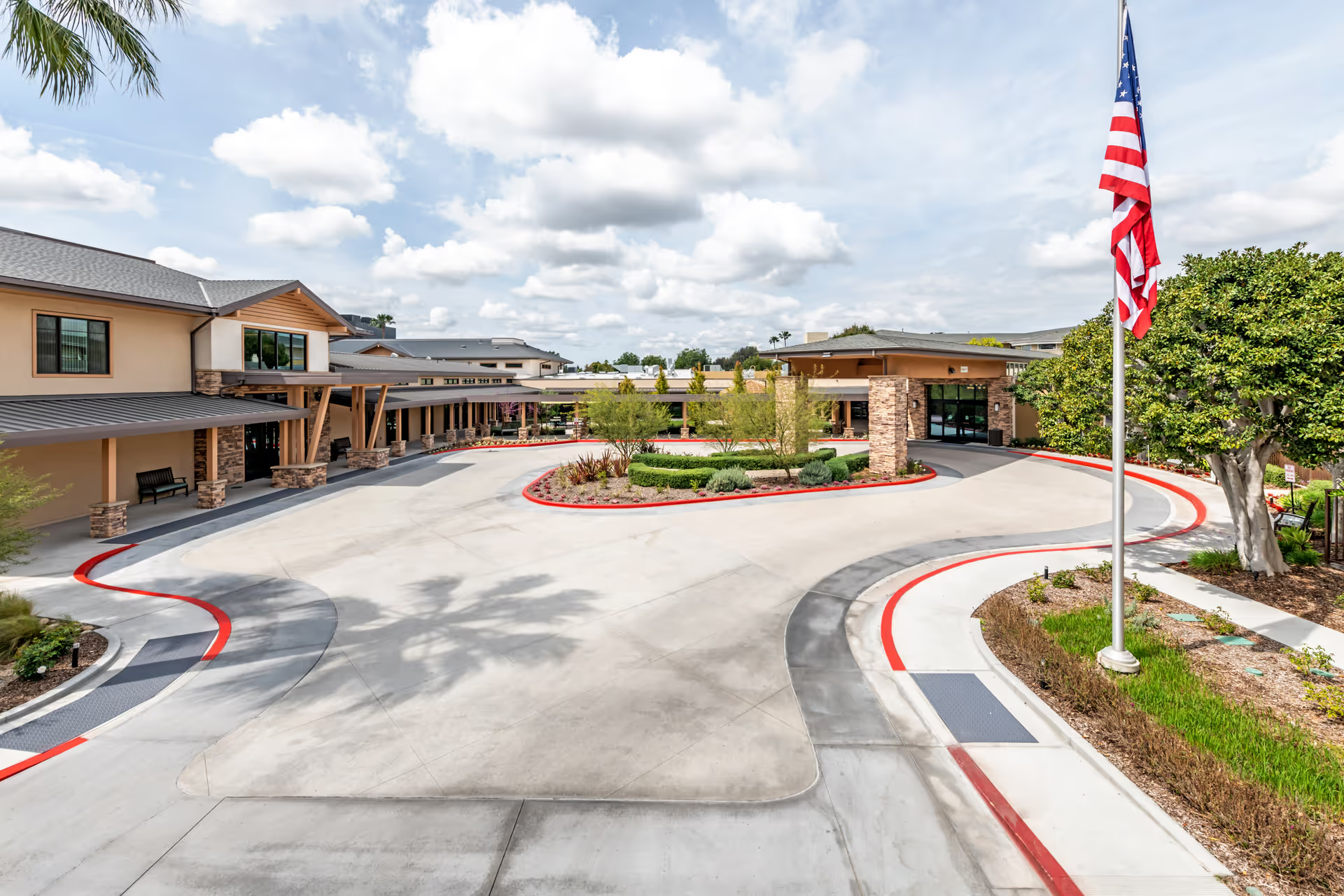
Facility appearance is consistently cited as a strength—clean, bright, and nicely decorated common areas create an inviting environment. However, a number of accounts describe inconsistencies in sanitation and housekeeping standards, indicating that cleanliness may fluctuate over time or by unit.
Management and administrative practices raise additional considerations. There are allegations of overstated dementia-care capabilities and of incentives or pressure tied to positive online reviews; these items point to potential problems in marketing accuracy and feedback-gathering practices. Overall, the pattern suggests that resident experience at this community depends substantially on staffing levels, staff training, and managerial oversight at the time of placement.
For prospective residents and families: verify current staffing ratios, inquire specifically about dementia-care training and fall-prevention protocols, ask about housekeeping schedules and infection-control practices, and request recent references from families with similar needs. Confirm how leadership monitors care quality and how the community documents and responds to incidents to assess whether the facility’s strengths are consistently applied to a prospective resident’s level of need.