Overall impression: Reviewers convey a predominantly positive view of clinical and day-to-day care at the facility, especially for residents with memory disorders. Strengths center on a dementia-capable environment, a secure physical layout that supports wander-management, and caregiving staff who are described as compassionate, patient, and familiar with residents’ names. Families commonly note improvements in health and functioning among residents who received rehabilitation services.
Care and clinical operations: The facility is characterized as having competent nursing and certified nursing assistant teams; specific caregivers and stations received direct praise for their skill and attentiveness. Safety measures such as supervised walking, bed rails, and other memory-care supports are highlighted. Communication about medication changes and incidents is generally described as clear and proactive, giving families a sense of being kept informed. At the same time, there are occasional concerns about responsiveness and consistency in staff conduct that can affect perceived timeliness of care.
Staff and management: Staff behavior is a primary asset — frequently described as kind, respectful, and family-oriented. Several reviewers emphasized the humanity and dedication of individual staff members. Contrastingly, some families experienced inconsistent administrative interactions, particularly at the front desk and during admissions; these experiences point to variability in customer-service skills and a need for additional training in interpersonal professionalism. Property-management issues such as lost clothing and occasional perceptions of uneven cleanliness were brought up by a minority of families and suggest operational areas for improvement.
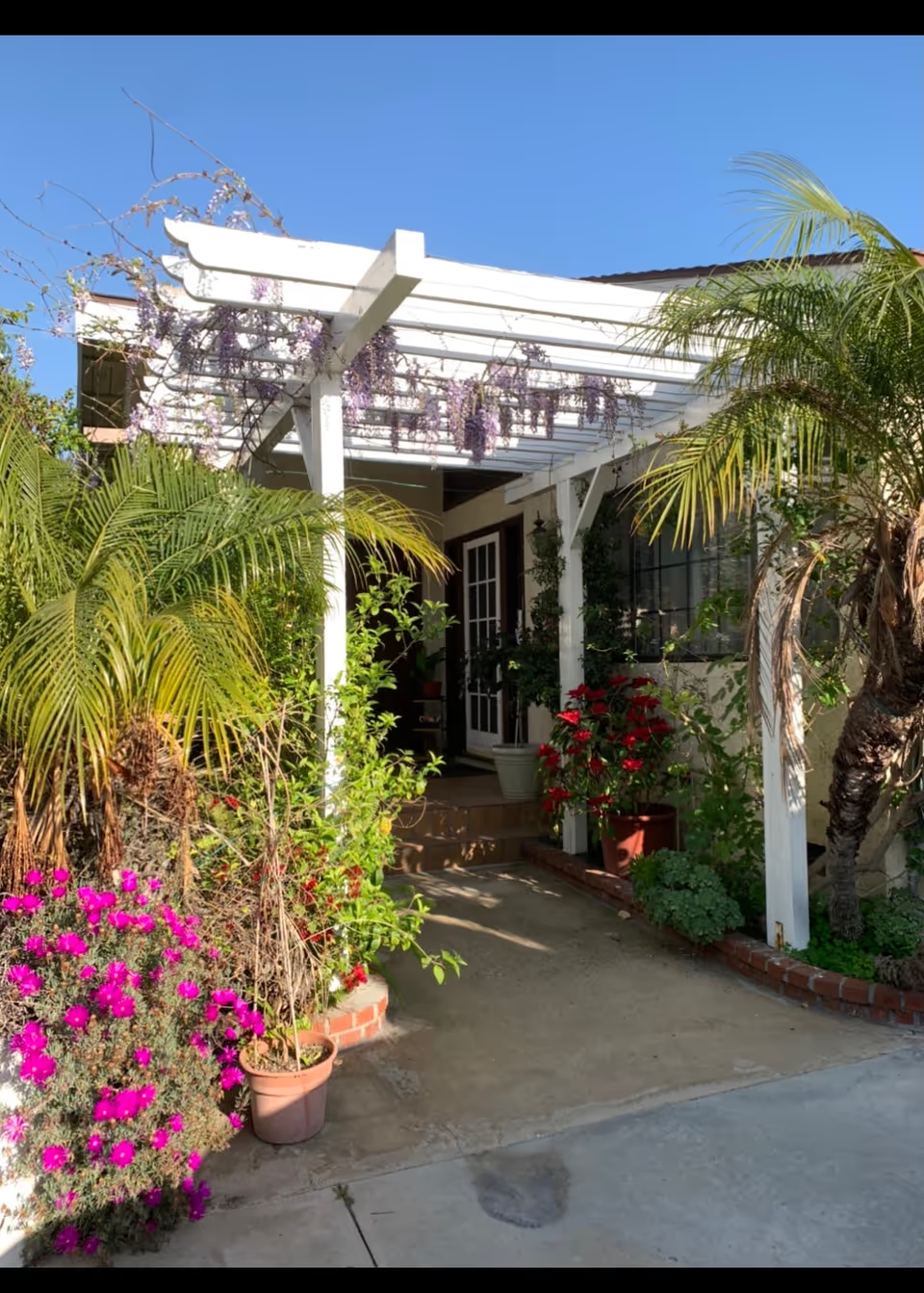
Dining and activities: Dining is viewed positively, with satisfactory meal quality reported and an emphasis on residents being treated with dignity. Activity programming is described as active and culturally responsive, including Korean-language programming. On-site amenities such as a bird aviary and a quiet residential street setting contribute to a homelike atmosphere that families appreciate.
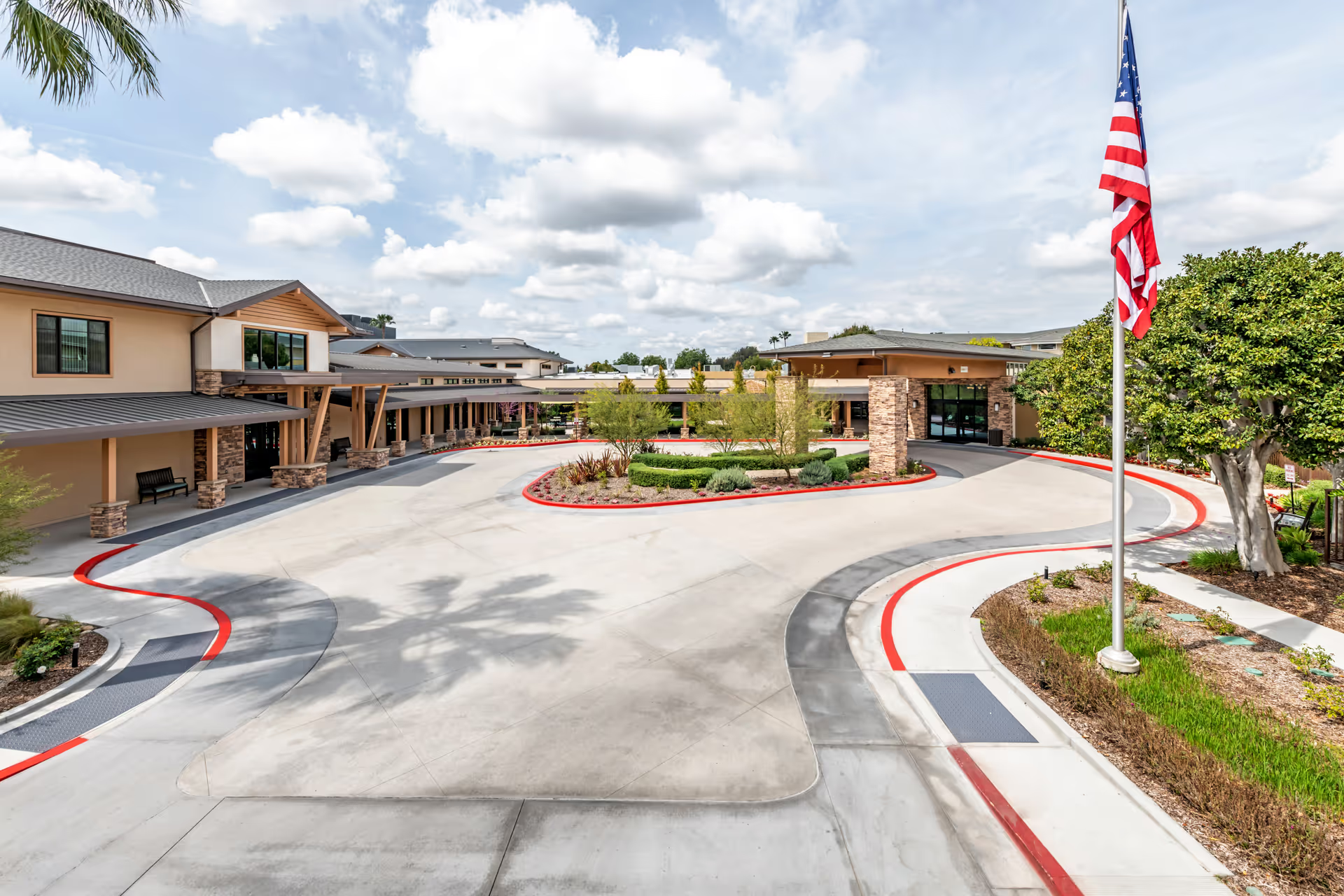
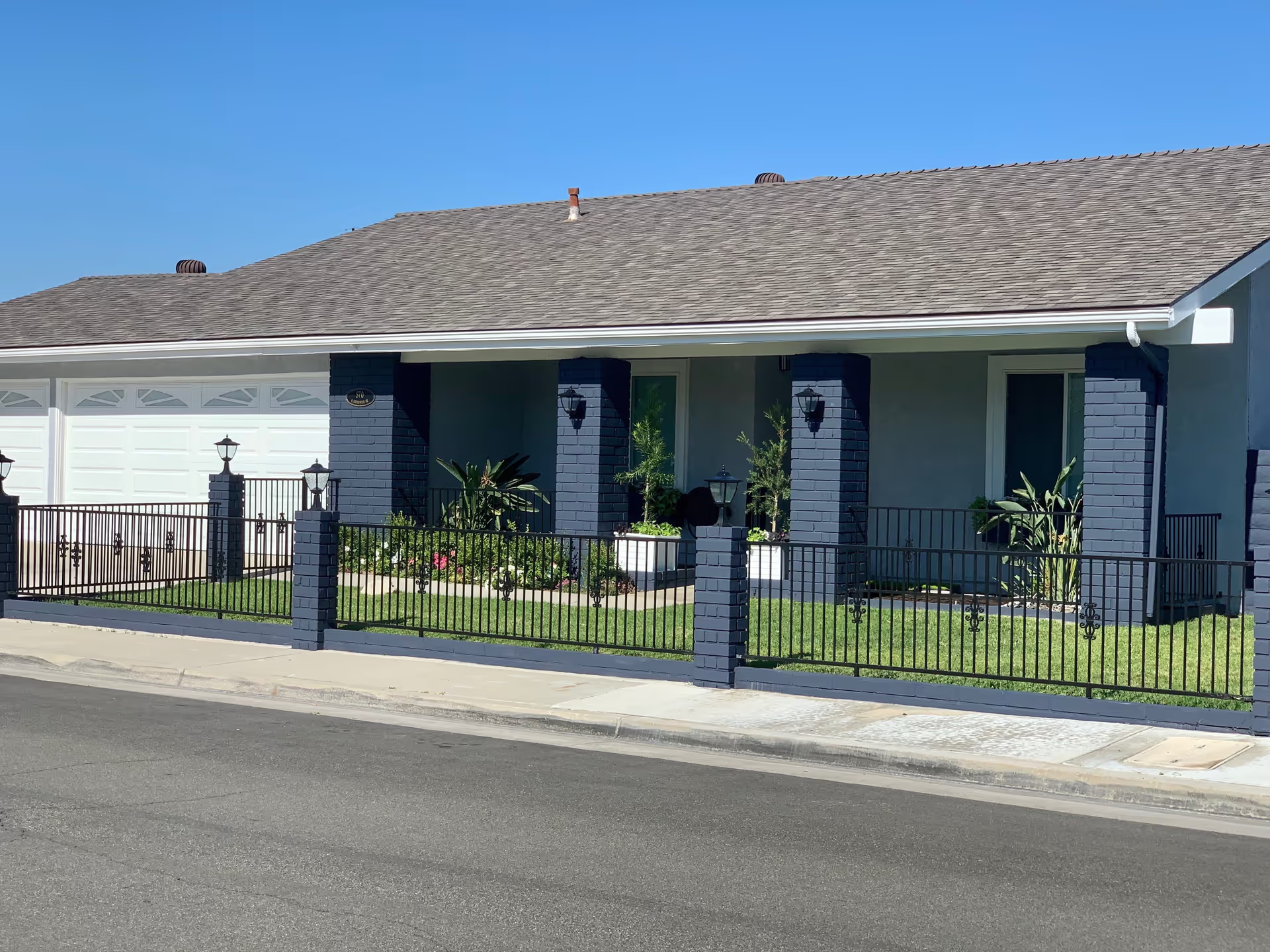
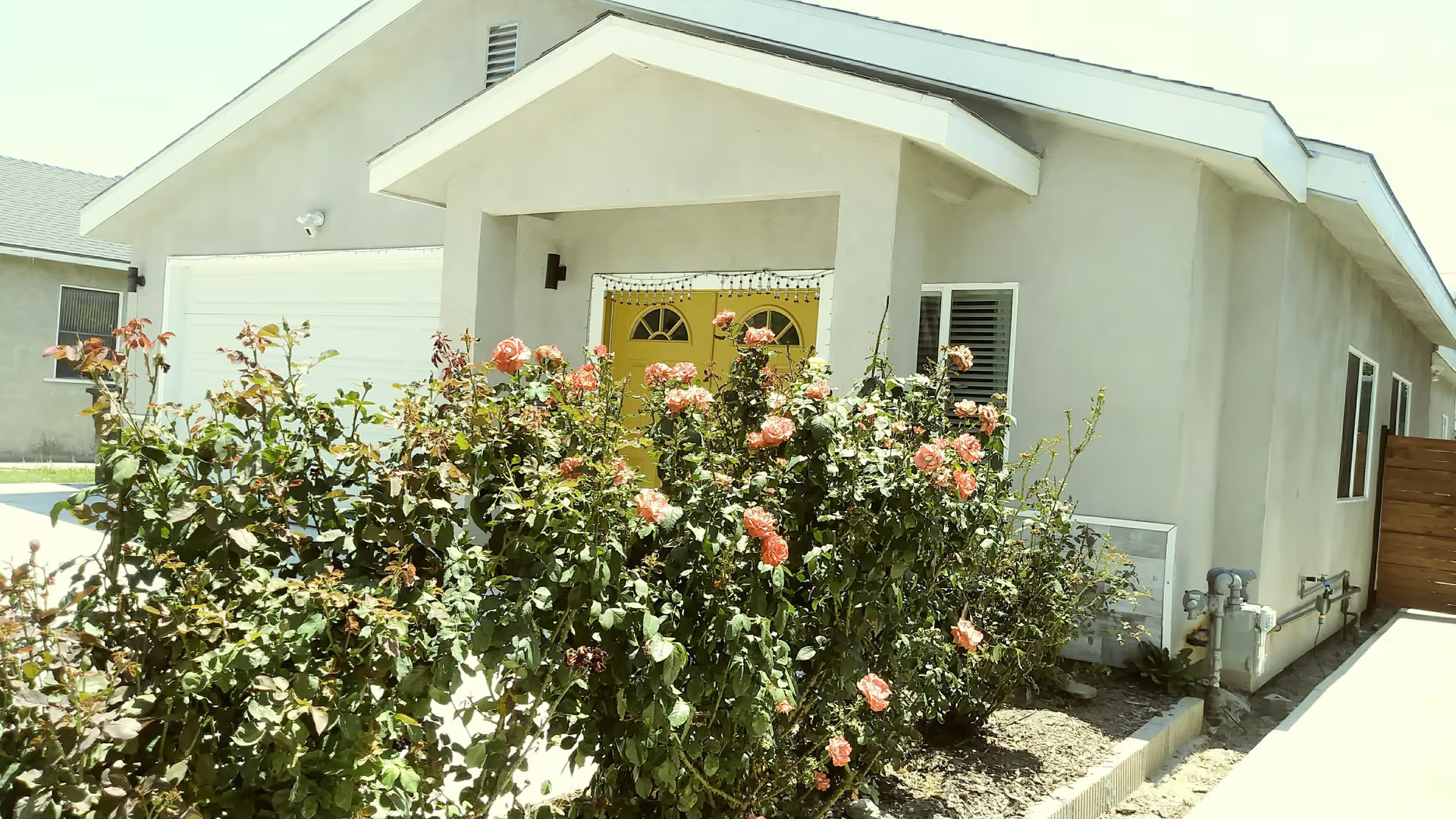
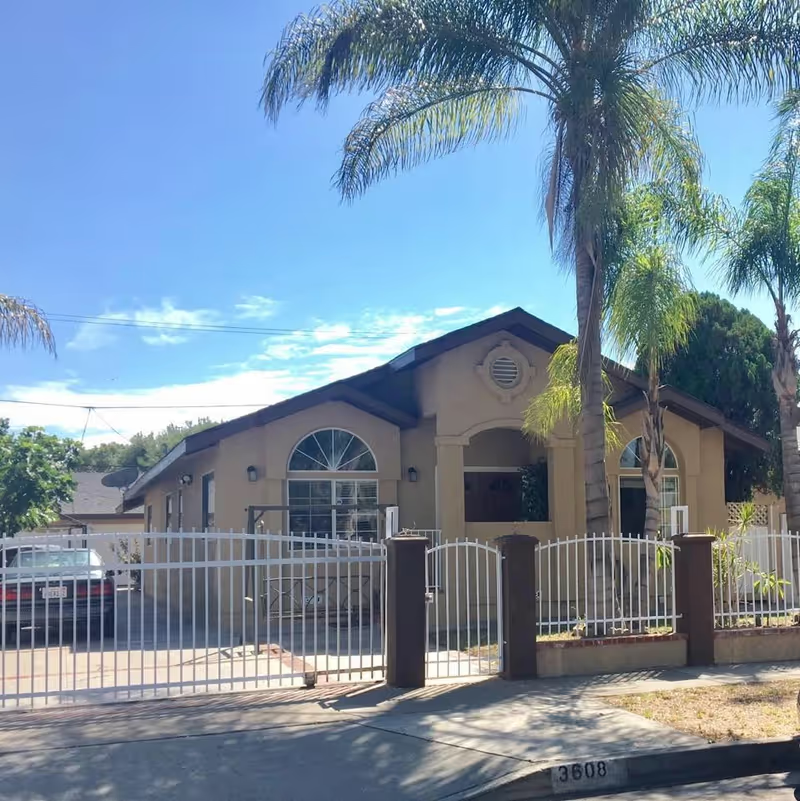
Facilities and access: Interior spaces are often described as clean, organized, and well maintained, supporting a homelike environment for residents. The facility is large and close to hospital resources, which some families find reassuring. Noted facility-level limitations include limited accessible/handicap parking, limited curb appeal of the exterior, and some perceptions of uneven cleanliness across parts of the campus.
Notable patterns and recommendations: The dominant pattern is strong, person-centered direct care combined with effective memory-care programming and good family communication. Recurrent operational themes for management to address are front-desk/admissions consistency, property and laundry controls, admissions wait-time predictability, and targeted interpersonal-skills training for staff in administrative roles. Addressing these administrative and property-management gaps would better align the facility’s operational experience with its strengths in clinical and caregiving quality. Families should weigh the facility’s dementia-care capabilities and staff strengths against the practical considerations of parking, exterior condition, and admissions responsiveness when making placement decisions.