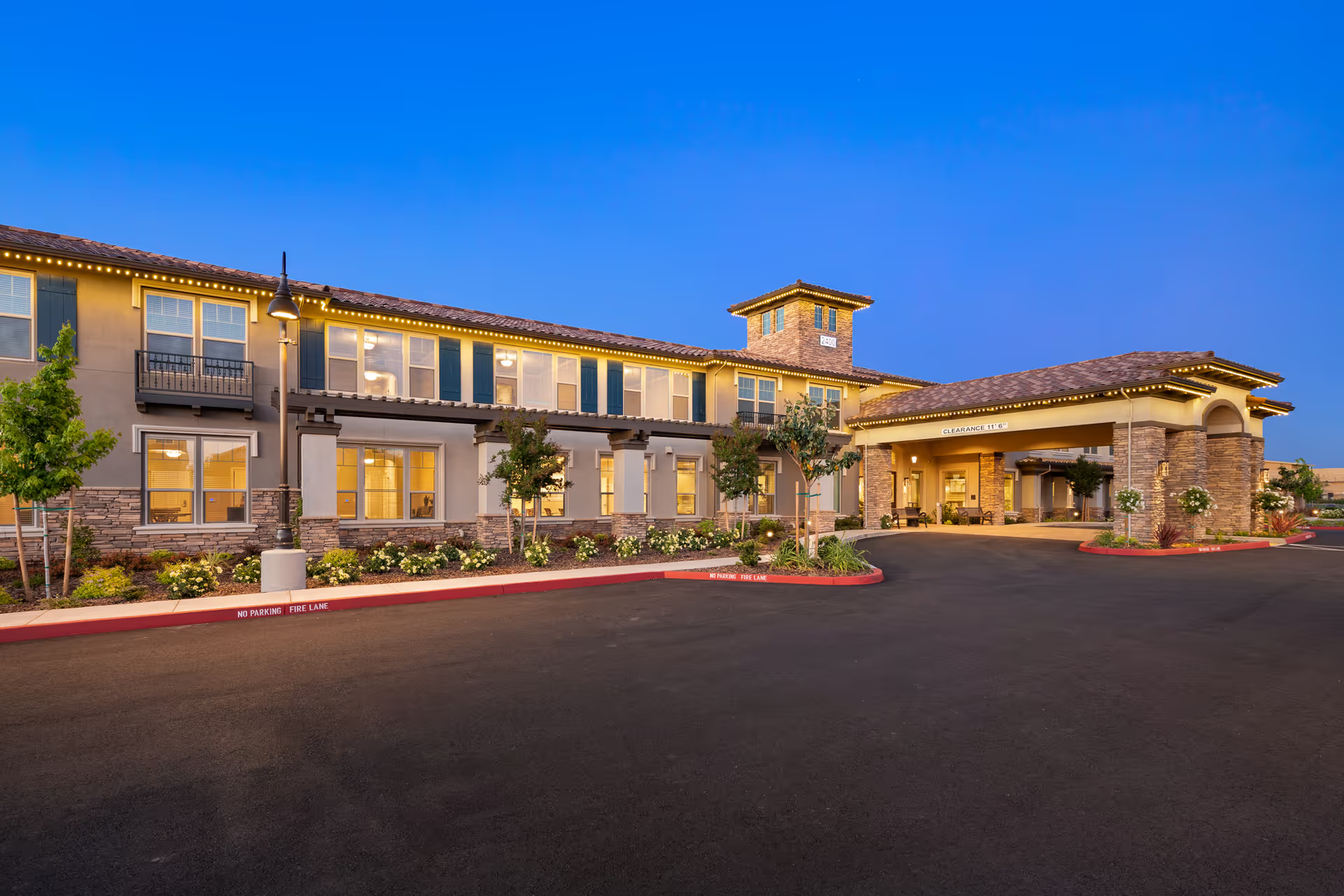
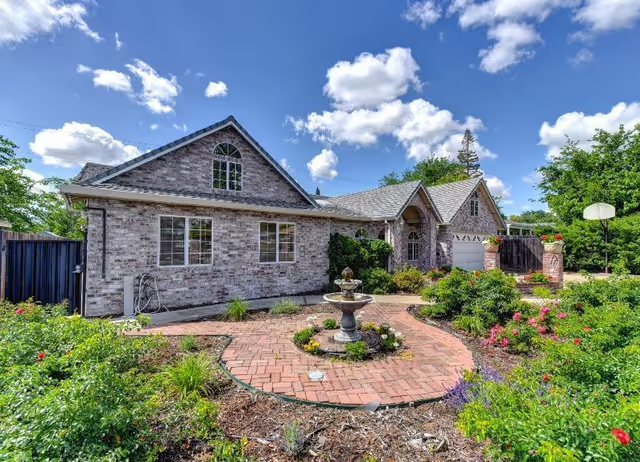
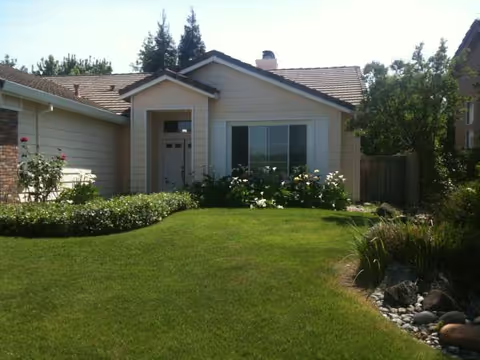
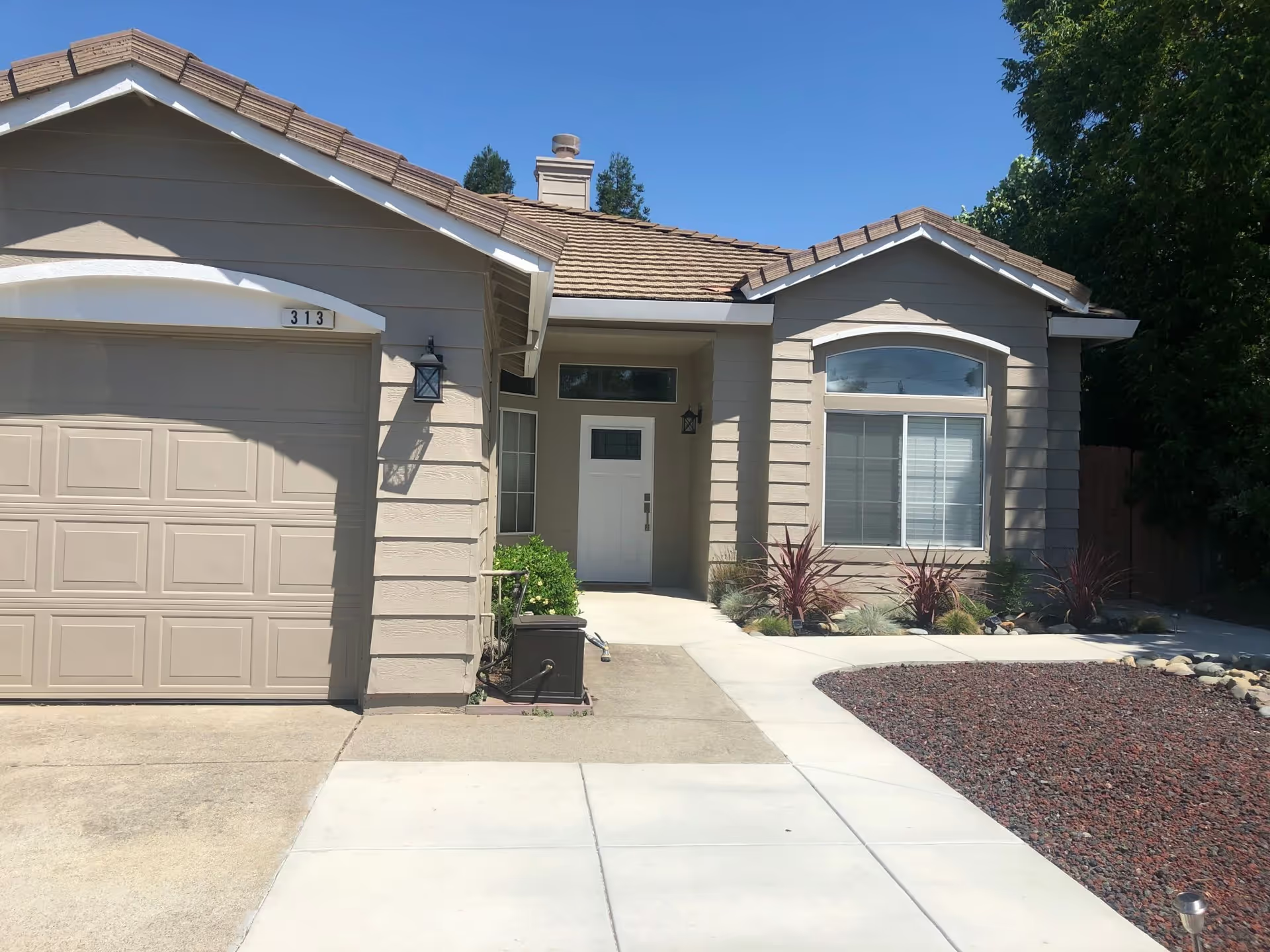
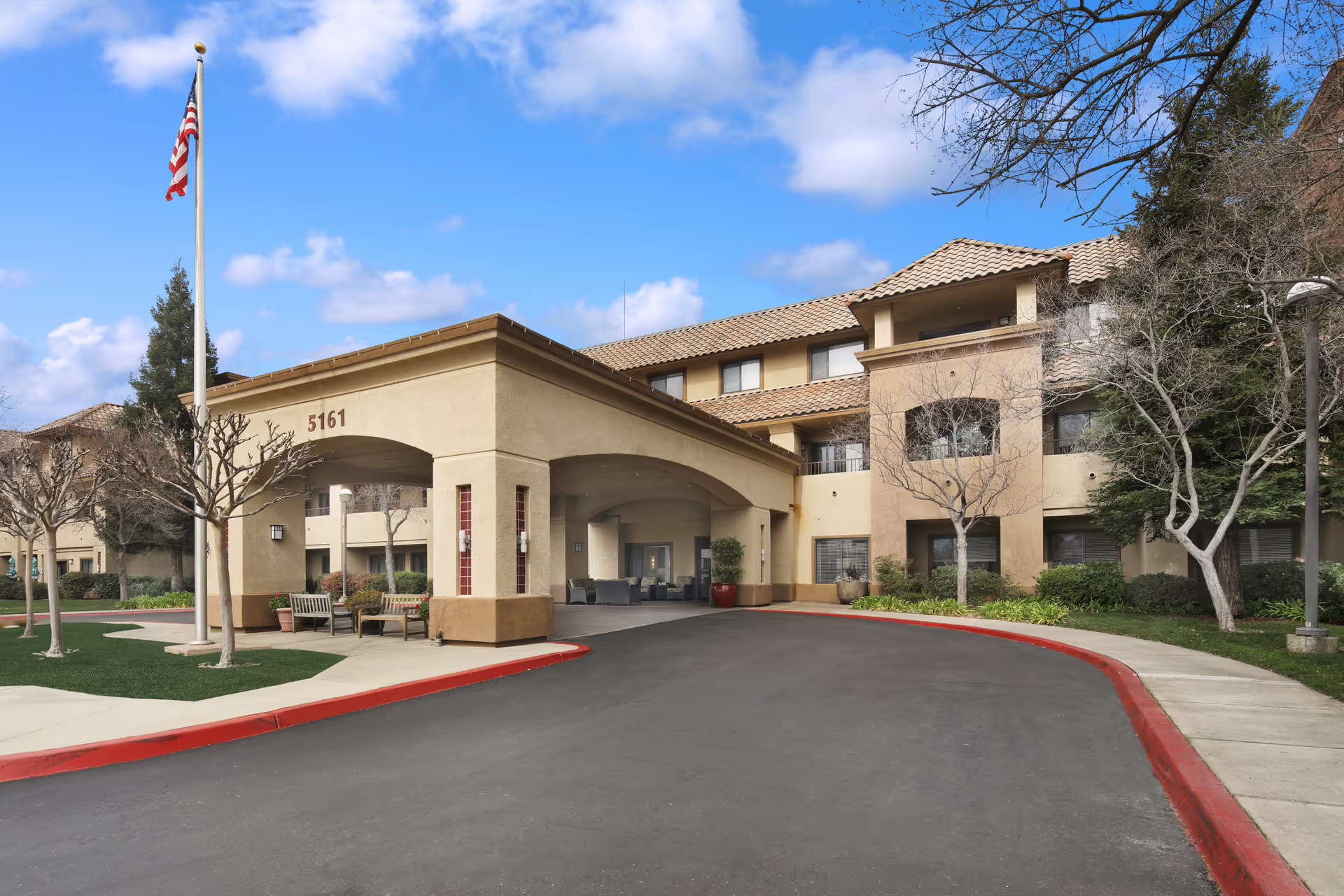
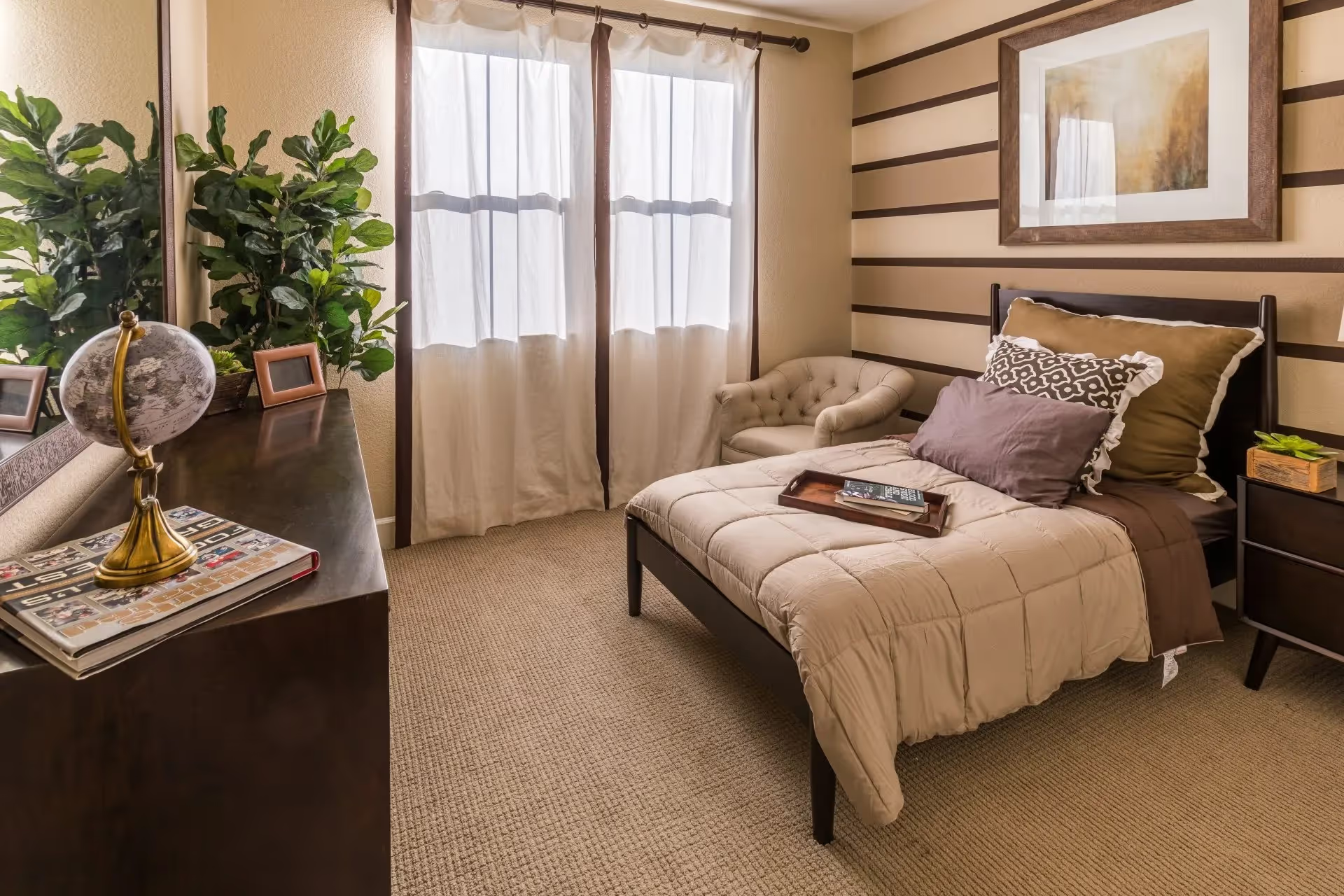
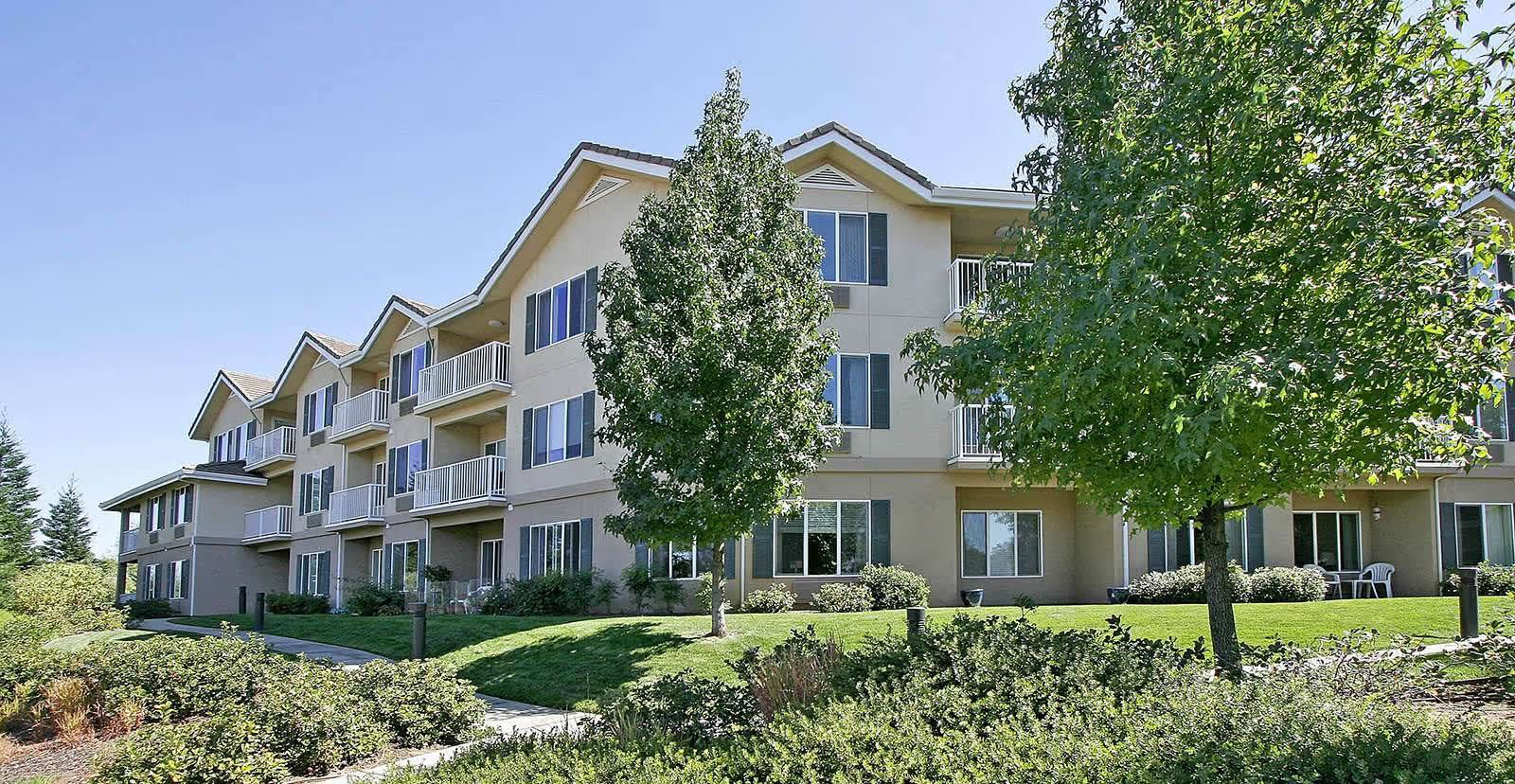
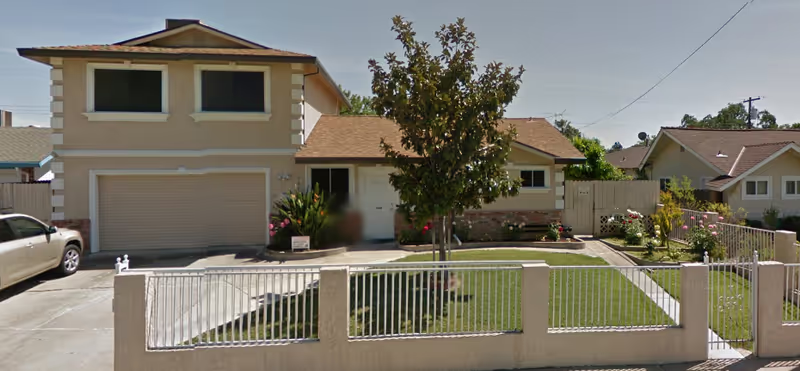
A Bright Future is consistently described as a small, home-style residential option with an emphasis on personalized care, home-cooked food, and a welcoming atmosphere. Families and visitors frequently highlight the facility’s cleanliness, bright renovated rooms, and outdoor features such as a garden and back porch, which support a domestic feel rather than an institutional one. Management and the owner are portrayed as accessible and communicative, and housekeeping and laundry services are noted as reliable elements of day-to-day operations.
Care quality and staff behavior are prominent strengths. Caregivers are characterized as compassionate, knowledgeable, and attentive to medical history, with several accounts crediting staff for early detection of clinical issues and strong infection-control practices. Reviewers cite examples of attentive dementia-support routines, reductions in agitation, and cases where clinical intervention improved outcomes. Memory-care suitability is repeatedly mentioned, and the tone of staff–resident interactions is described as respectful and dignified.
Dining and programming are also recurring positives. Meals are described as scratch-made, often using garden-grown vegetables, with daily fresh fruit and personalized plate options. The culinary program contributes to the home-like environment and is frequently cited as a reason families feel residents are well cared for. Activity offerings include games, puzzles, painting, and walking; the community is described as lively and engaging. However, the activity program leans toward informal, resident-driven options rather than a tightly scheduled exercise curriculum.
Operational limitations surfaced in several accounts. The facility appears to run best for residents with moderate care needs; reviewers raised concerns about staffing levels and transfer capability for residents who require full wheelchair-dependent care. There are mentions of intermittent staff availability during tours or activities and a desire for more structured exercise or therapy classes. A few families described inconsistent experiences with rehabilitation services, producing a mixed picture of post-acute or rehab support. Communication can be challenging for residents with significant hearing loss, suggesting a need for staff training or assistive-listening accommodations.
Overall, A Bright Future presents as a well-kept, community-oriented home with strong interpersonal caregiving and high marks for food and cleanliness. Prospective residents and families should weigh its strengths in personalized, attentive care and home-style amenities against limitations around high-dependency wheelchair care, the relative lack of formal exercise programming, and potential communication needs for hearing-impaired residents. For those whose primary needs are supportive memory care, social engagement, and high-touch daily assistance, the facility’s profile is favorable; for residents requiring frequent, intensive transfer support or regimented rehabilitation services, families should clarify staffing and equipment capabilities during a tour.