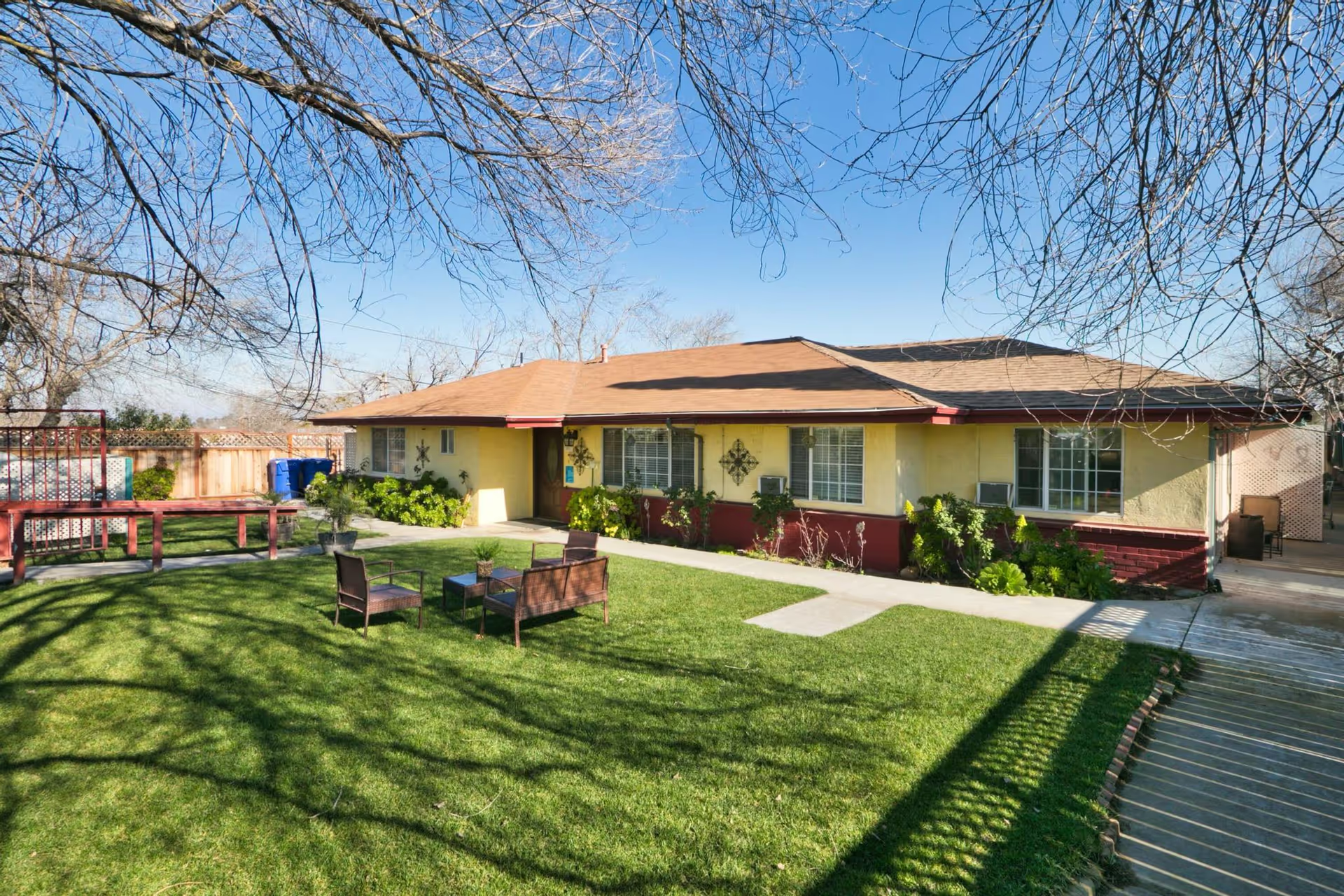
Overall impression Harmony Care Home is described consistently as a small, residential memory-care/home-care setting that emphasizes personalized, dignified care. Reviewers characterize the caregiving as compassionate and attentive, with low staff turnover and frequent mention of calm, patient interactions. Leadership and direct communication from the owner, Teresa, are highlighted as stabilizing factors that contribute to clear family communication and consistent care practices.
Care and staff Care quality is framed around individualized attention and a family-like atmosphere. Staff are repeatedly described as responsive, knowledgeable about hospice, and supportive during transitions to end-of-life care. The leadership presence of the owner is noted for active involvement, clear updates to families, and hands-on dedication. These elements together suggest a staffing model focused on continuity and relationship-based care rather than high-volume institutional throughput.
Dining and activities Dining is frequently praised: meals are described as healthy, fresh, and plentiful, indicating a reliable kitchen program. The facility appears to prioritize pleasant mealtimes as part of resident wellbeing. Programming includes puzzles, games, outings, and on-site salon services (nails and hair), demonstrating a combination of cognitive, social, and personal-care activities intended to support engagement and dignity.
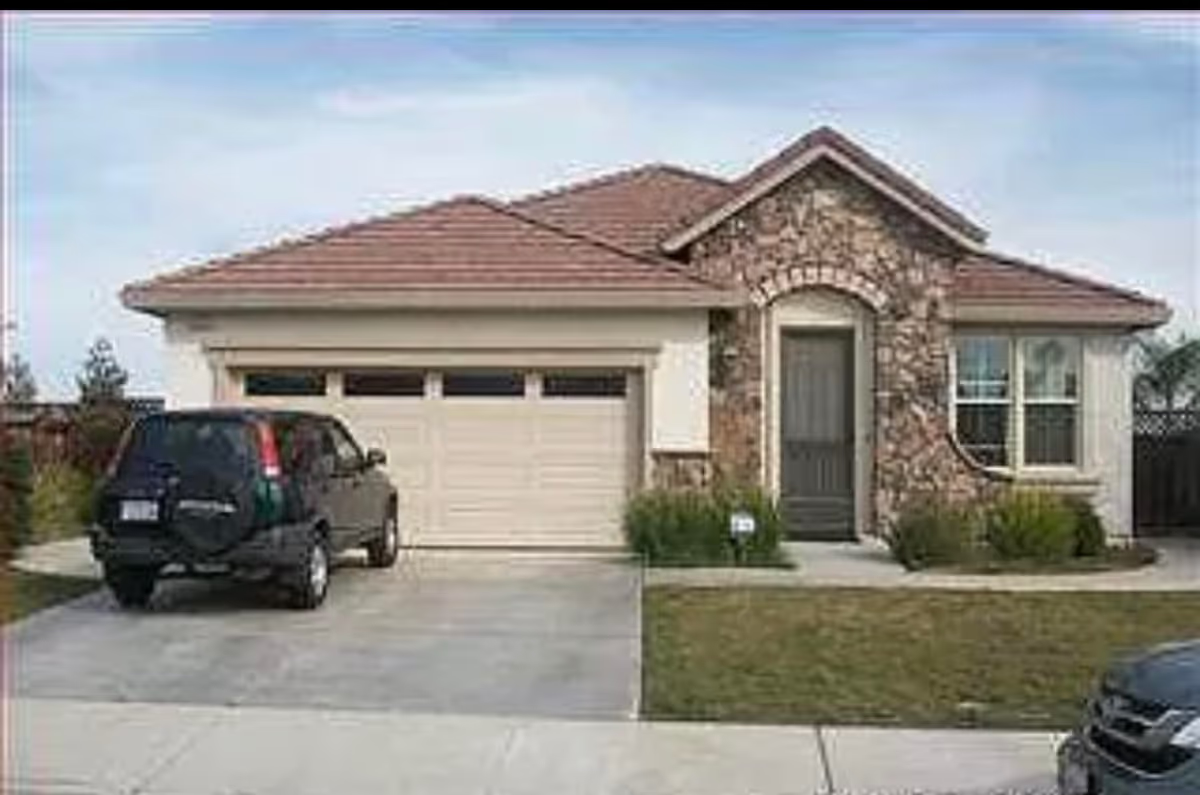
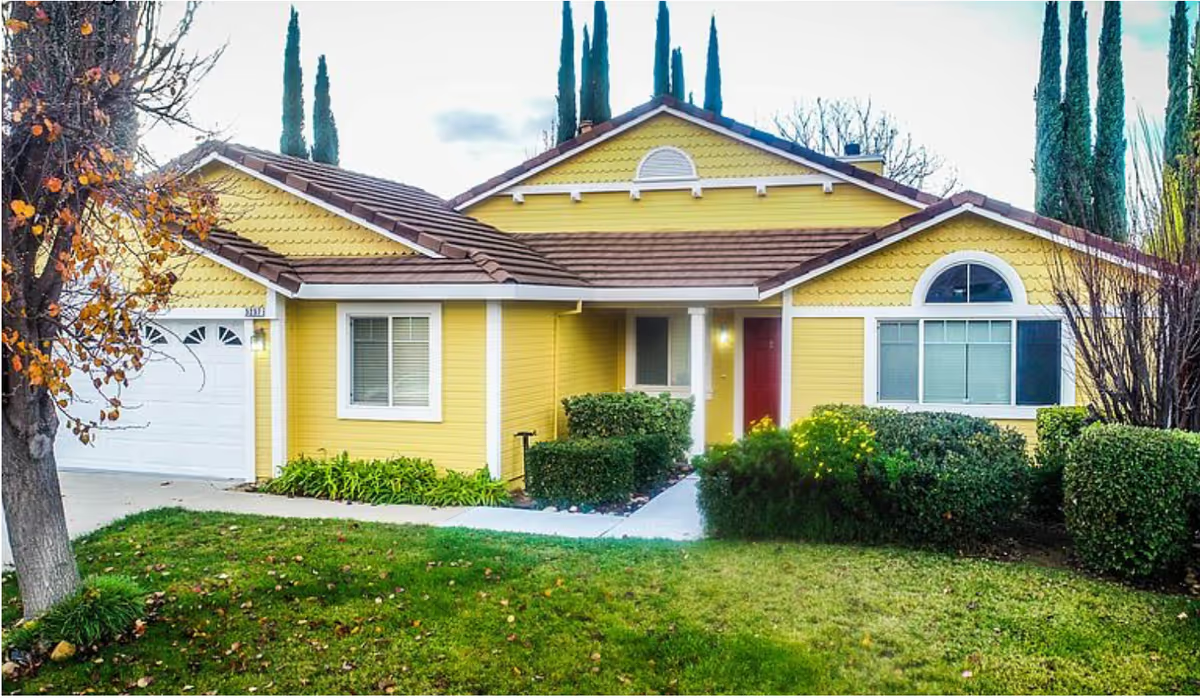
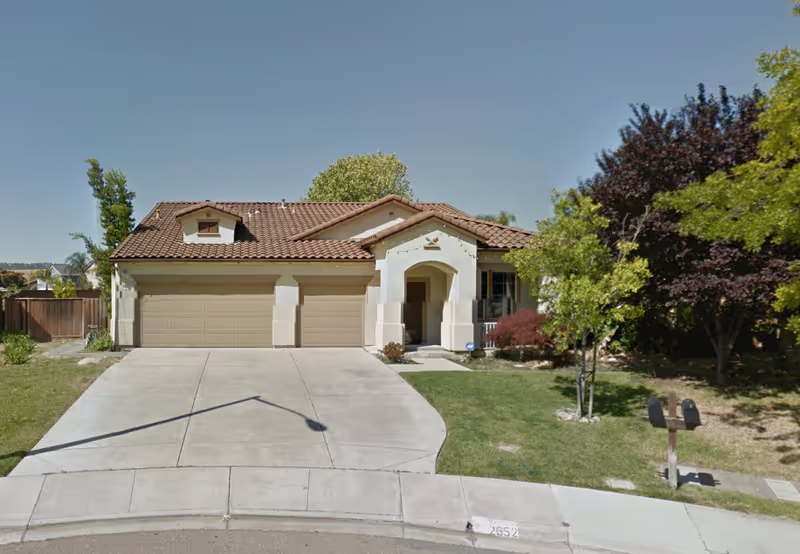
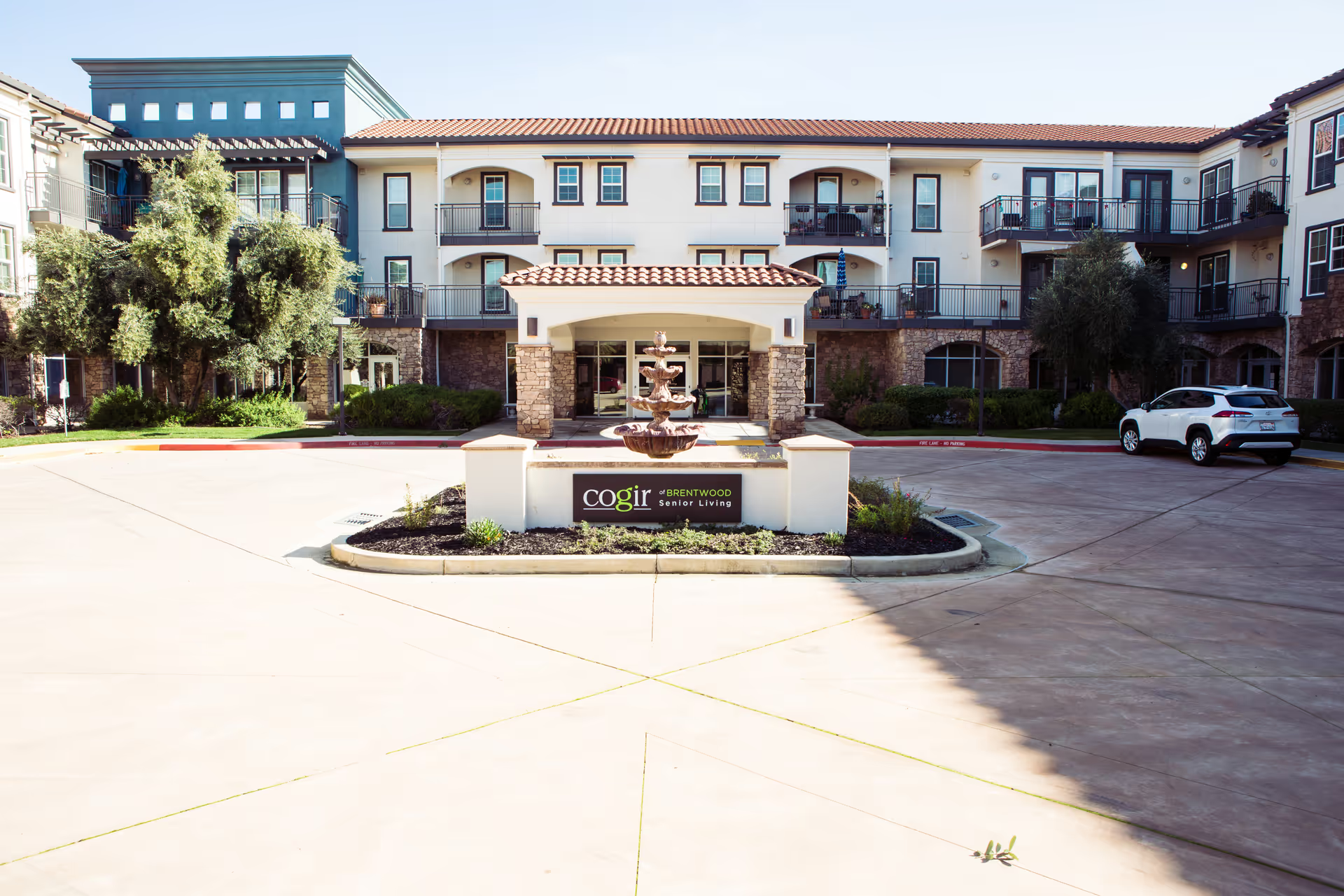
Facilities and environment Physically, the home is presented as clean, cozy, and well-decorated, with a large modern kitchen and outdoor yard that contribute to a residential feel. The environment and scale appear to reinforce the family-style caregiving model; reviewers contrasted the experience favorably with larger or more institutional alternatives. Positive feedback from hospice providers further underscores the coordination between clinical and comfort-focused services.
Notable patterns and considerations The dominant pattern in the reviews is positive; however, there are operational trade-offs prospective families should consider. The home’s smaller, residential scale can limit capacity and availability, and the model appears oriented toward lower- to moderate-acuity needs—families seeking higher-intensity medical or clinical services may need to verify the facility’s capability to meet those needs. Cost is another recurring practical consideration: the setting is described as out-of-budget for some families, indicating a higher price point relative to other local options. Finally, the family-style model, while appreciated by many, may not align with every resident’s preference for a more institutional routine.
Recommendations for prospective families When evaluating Harmony Care Home, consider an in-person visit to assess fit: observe staff–resident interactions, ask about staffing ratios and clinical backup for higher-acuity needs, review pricing and contract terms, and confirm current availability. Given the strong emphasis on owner-led communication and hospice coordination, families valuing continuity and relationship-based care are likely to view the facility favorably; those needing extensive clinical interventions should clarify capabilities before deciding.