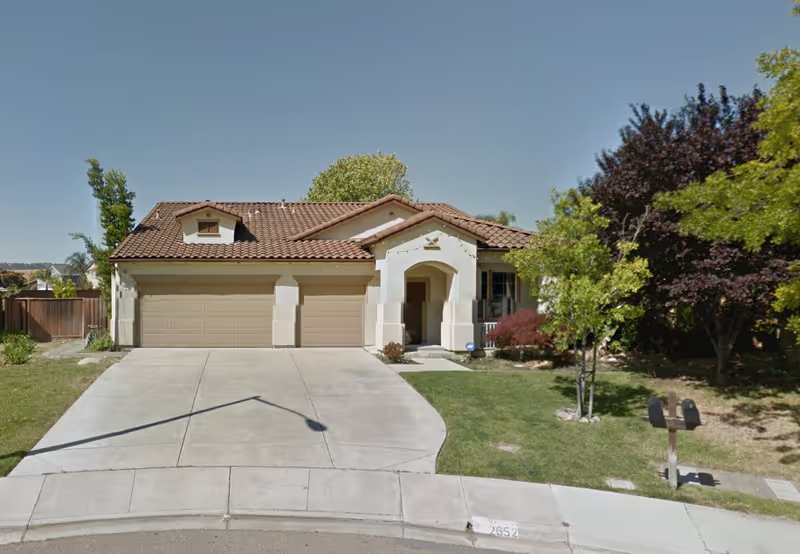
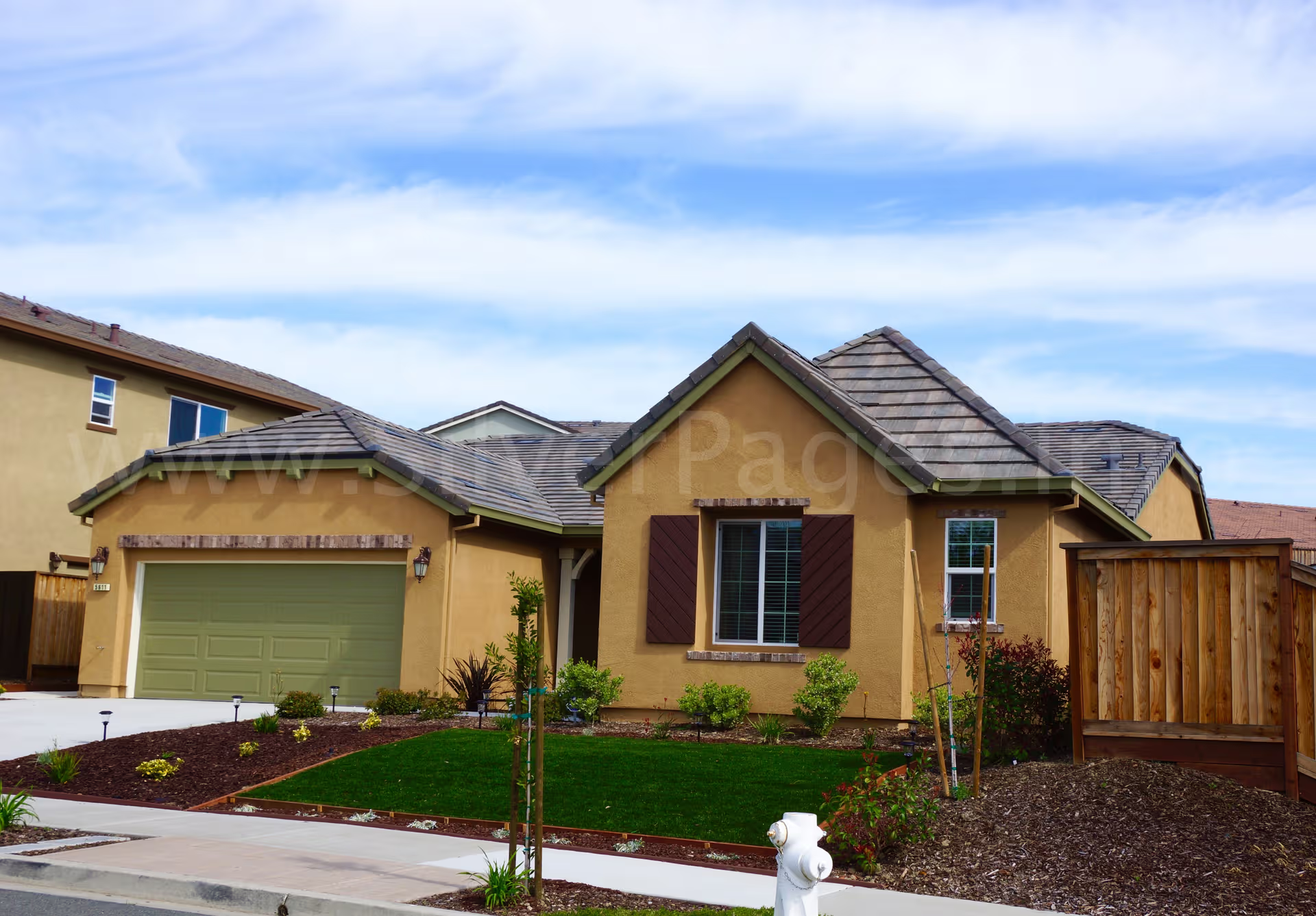
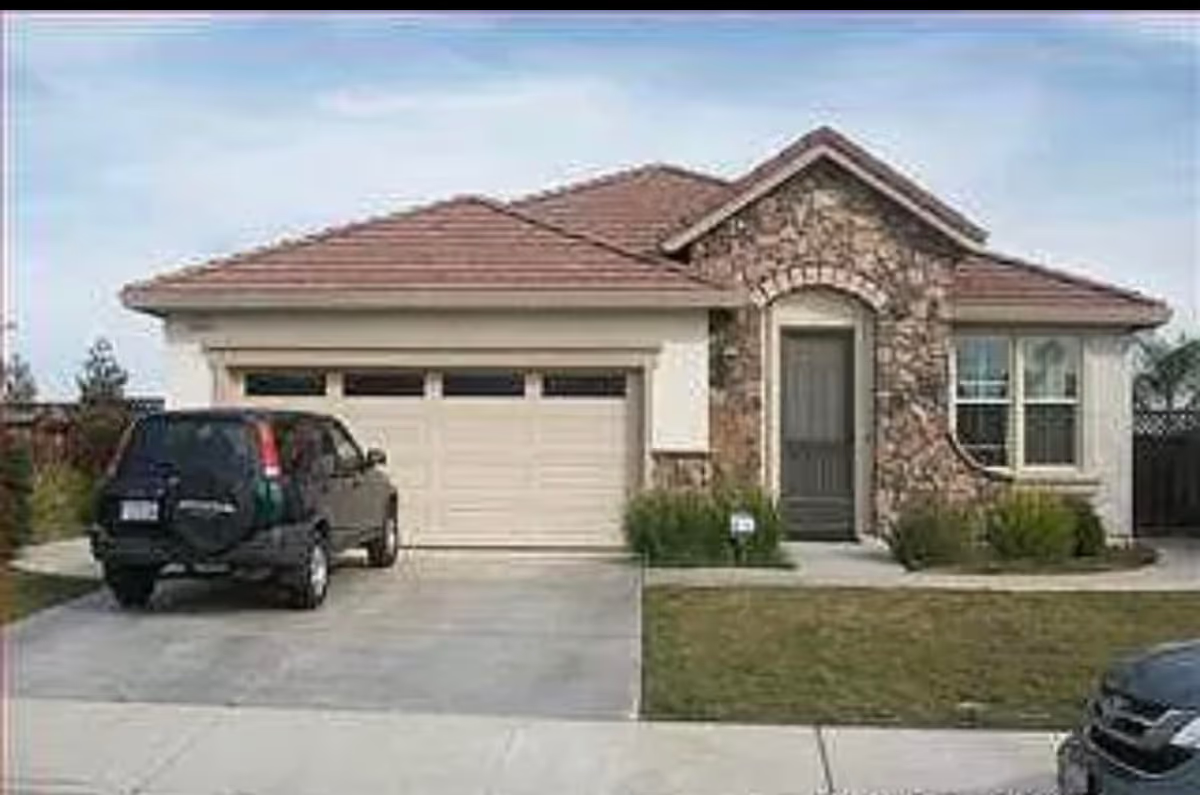
Overall impression: Zannat Boarding Care is presented as a small, home-like residential facility with a consistent emphasis on compassionate, attentive caregiving and clear family communication. Multiple accounts emphasize staff responsiveness, a calm atmosphere that can improve sleep, and proactive clinical practices such as timely medication administration and advance medication notifications. Families frequently describe the environment as warm and comfortable, with awake night staff and active hospice coordination when end-of-life care was needed.
Care and staff: The strongest and most consistent theme is the quality of staff and the facility’s approach to individualized care. Caregivers and owners are described as caring, considerate, and quick to address resident needs; this extends to residents with dementia and to families navigating hospice. Communication with families is characterized as timely and transparent, and staff are often praised for going above and beyond in day-to-day care tasks.
Dining and clinical supports: The facility provides regular meals and snacks and is noted for reliable medication management. Feedback on dining is mixed: some families describe healthy, appealing meals, while others describe dissatisfaction with meal quality. Medication administration and clinical coordination, including hospice integration, are consistently cited as strengths.
Activities and engagement: A recurring operational weakness is limited activity programming and low resident engagement beyond passive entertainment (frequent television viewing). Prospective residents who require an active social or therapeutic programming schedule may find the offerings modest; families seeking structured, assertive activity coordination should clarify the current activity plan with management.
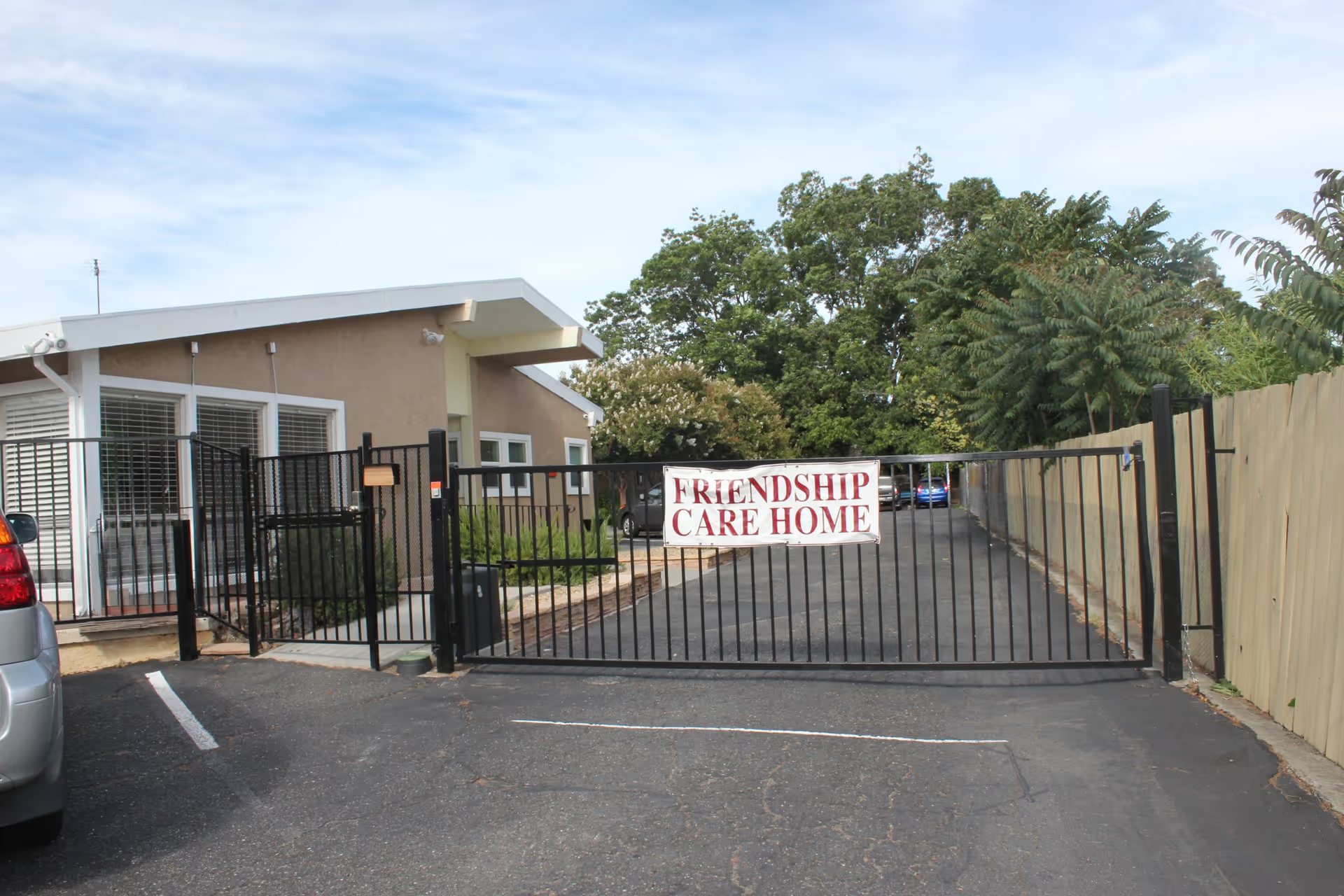
Facilities and accessibility: Zannat operates as a small neighborhood home, which many families find appealing for its intimacy and lower resident count. However, the site’s topography includes steep inclines and limited wheelchair accessibility, which can be a constraint for residents with mobility needs. Prospective families should assess physical-access requirements in person.
Value and management: Management and ownership are described as supportive and family-oriented; several accounts highlight seamless coordination around transitions and end-of-life care. A minority of families expressed concerns about perceived value for cost, while others found the facility affordable. Prospective families should balance the strength of hands-on, individualized caregiving against limitations in programming and site accessibility when evaluating overall fit.