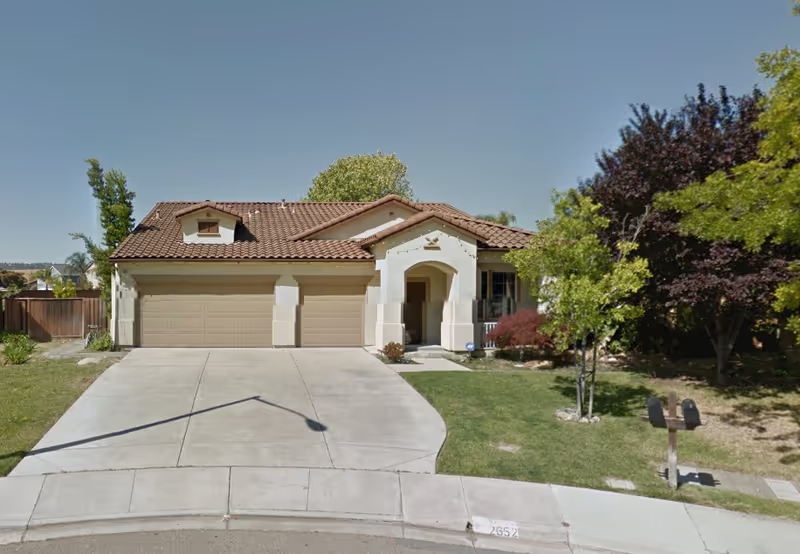
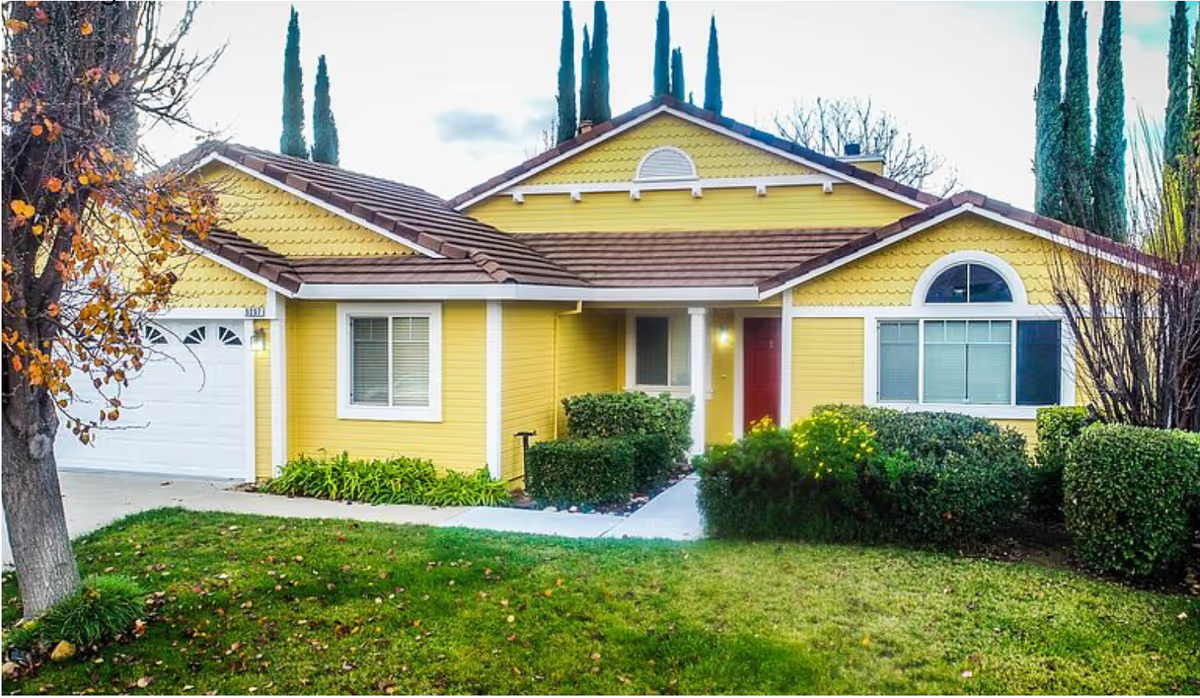
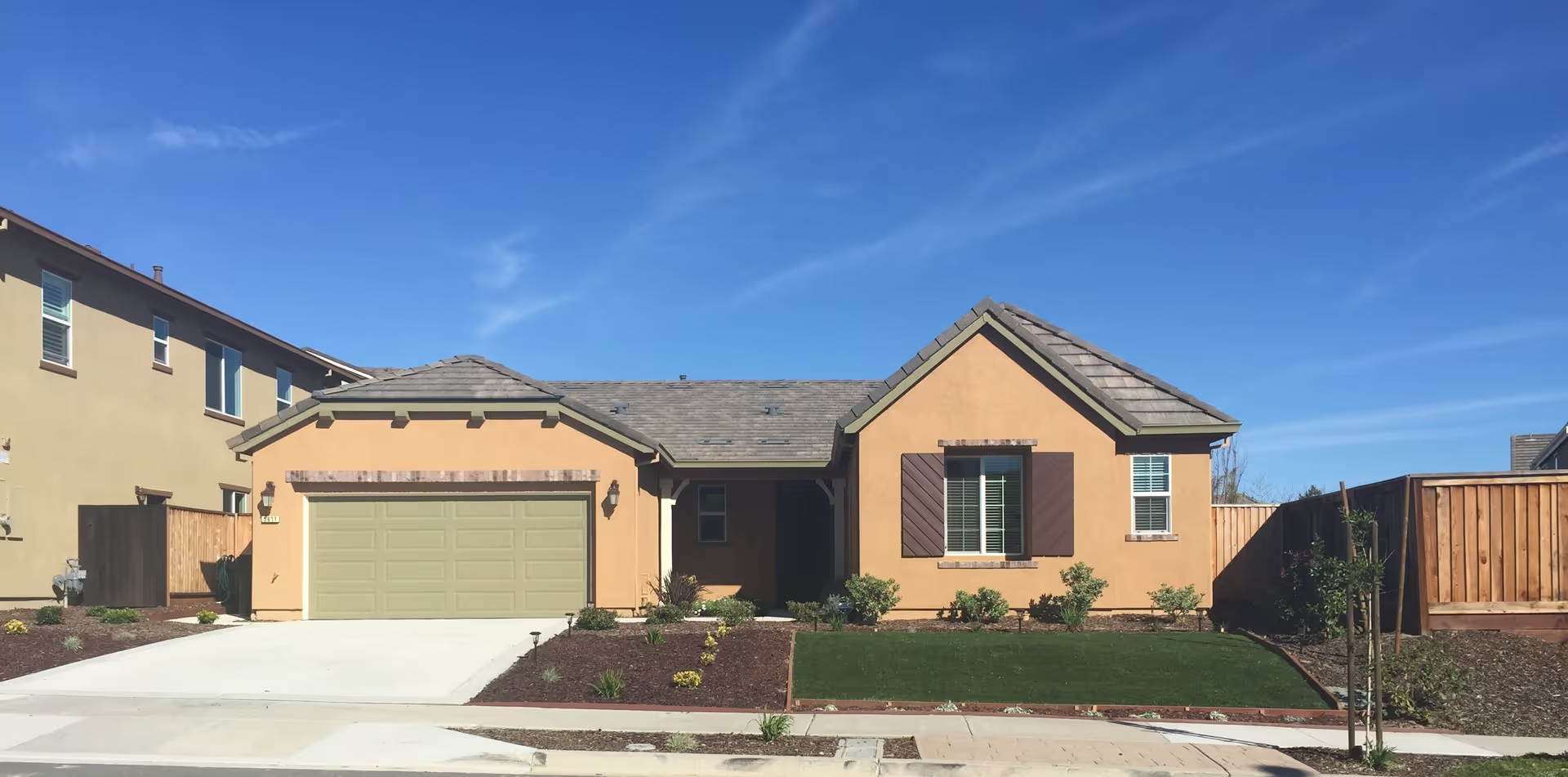
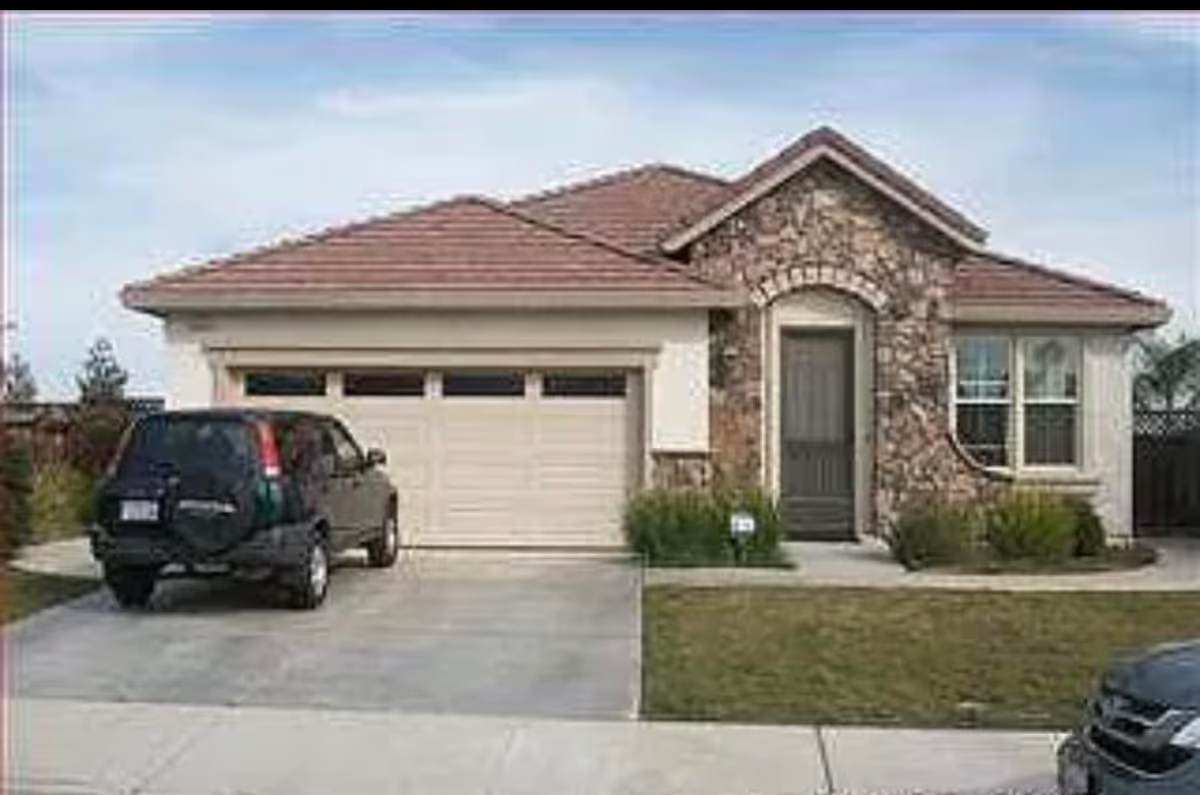
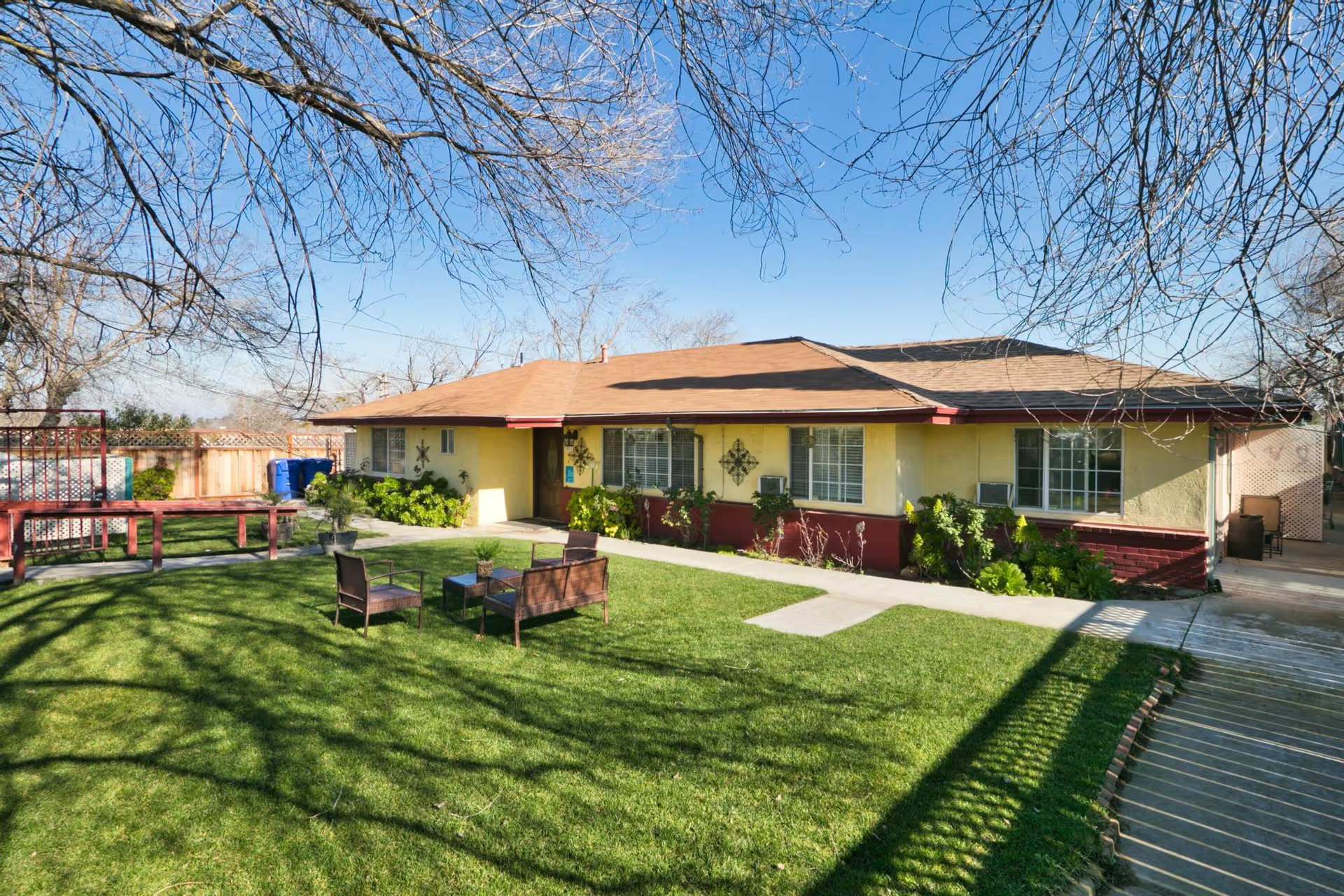
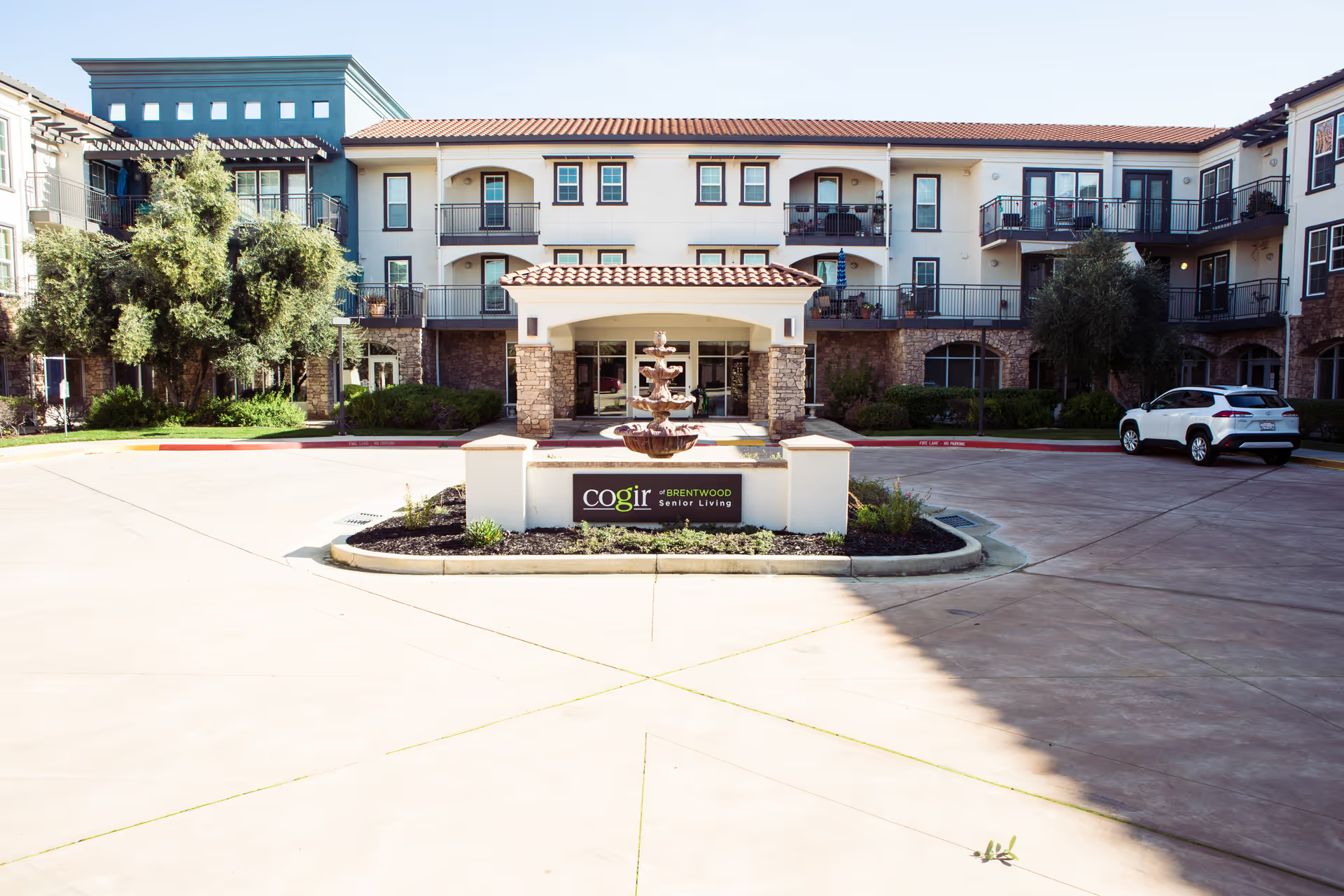
Overall impression: Friendship Care Home presents as a small, home-like residential facility with many families praising the personal, compassionate approach of front-line caregivers and a quiet, community-oriented atmosphere. Strengths most consistently described include a dedicated memory-care program, a secure campus with alert systems, and a lively activities schedule. Several families highlighted effective medication-management collaboration with external providers and an on-site chef who adapts meals to preferences and allergies.
Care and staff: Staff are widely described as caring, personable, and attentive; many reviewers noted hands-on assistance, social engagement, and visible relationships between staff and residents. At the same time, there is variability in staff conduct and responsiveness. Families described occasions when staff were less forthcoming or when help with therapy and mobility was limited. Understaffing was cited as an operational constraint in multiple comments and appears to affect availability for physical-assist needs and timely responses to family inquiries.
Dining and activities: Dining is generally viewed positively—meals are prepared on-site, portions often start generous, and menus can be adapted for preferences and allergies. However, there are recurring notes about inconsistent meal-service continuity, particularly later in the day. The activity program is a clear asset: residents participate in exercises, games (bingo), arts and crafts, music, and outdoor activities; these offerings contribute to social engagement and resident satisfaction.
Facilities and maintenance: Common areas and high-traffic spaces are frequently described as clean and well cared for. Reports about private rooms are mixed: some visitors found updated, comfortable rooms, while others described multi-occupancy or older rooms with maintenance needs such as worn carpeting or basic shower facilities. There are allegations of misleading tour representations regarding room condition and occupancy; prospective families should verify actual room assignments before committing. Security features and a calm environment are positive facility-level attributes.
Management, communication, and policies: Transition support and resident orientation received positive mention. Conversely, communication systems show weaknesses: voicemail capacity, unanswered calls, and delays in family outreach were raised as recurring issues. The facility’s visitation policy is another notable pain point—hours, advance-appointment requirements, arrival notices, and restrictions near sleeping areas were described as rigid and privacy-affecting for some families. Additionally, transportation to appointments is available but often incurs extra fees, which should be confirmed ahead of time.
Who this fits and next steps: Friendship Care Home is likely to suit families seeking a small, intimate setting with strong social programming and attentive caregivers, particularly for memory-care needs. Families prioritizing consistently updated private rooms, flexible visitation, robust rehabilitative support, or guaranteed real-time communication should conduct detailed, in-person verification. Recommended due diligence includes touring the specific room being offered, reviewing written visitation and fee policies, asking about staffing ratios and therapy support, and confirming how the facility manages family communication and after-hours reachability.