Overview Sierra Ridge Memory Care elicits highly mixed but consistent themes: many families and visitors praise the facility’s physical environment, activity programming, and the compassion of direct-care staff, while others describe operational gaps tied to staffing, management, and service consistency. Overall impressions range from ‘‘exceptional memory-care and engaged staff’’ to concerns about the facility’s ability to reliably meet higher-acuity needs.
Care and staff A dominant positive theme is staff warmth and engagement. Numerous accounts describe caregivers, nurses, and med-techs who know residents by name, provide attentive hands-on assistance, and facilitate a calm, home-like atmosphere. Several reviews also note strong hospice coordination and around-the-clock clinical oversight in many cases. Counterbalancing this, there is a recurrent operational pattern of high staff turnover and reliance on temporary or registry personnel. Reviewers linked these staffing patterns to inconsistent care continuity, uneven training or manners among some staff, and periods when response times and supervision weakened. Families described both very positive, family-like care experiences and, in other instances, care that they felt did not match a resident’s needs.
Dining and nutrition Dining impressions are mixed. Many reviews highlight hot, varied lunches, accommodating special diets, and a generous portioning of food; some families praised specific culinary staff and special baking activities. However, reviewers also reported inconsistent meal quality, occasional cafeteria-style service, and turnover among kitchen staff that disrupted continuity. Prospective families are advised to sample meals and ask about current kitchen staffing and meal-service routines during tours.
Activities and social programming Activity programming is a clear strength in many accounts. Regular music sessions, sing-alongs, guest musicians, craft projects, puzzles, and therapy-animal visits are frequently mentioned and appear effective at engaging residents. At the same time, several reviewers noted downtime between events and a desire for more male-focused activities and additional structured exercise programs. Activity staffing was generally described as positive, though its consistency can be affected by broader staffing shortages.
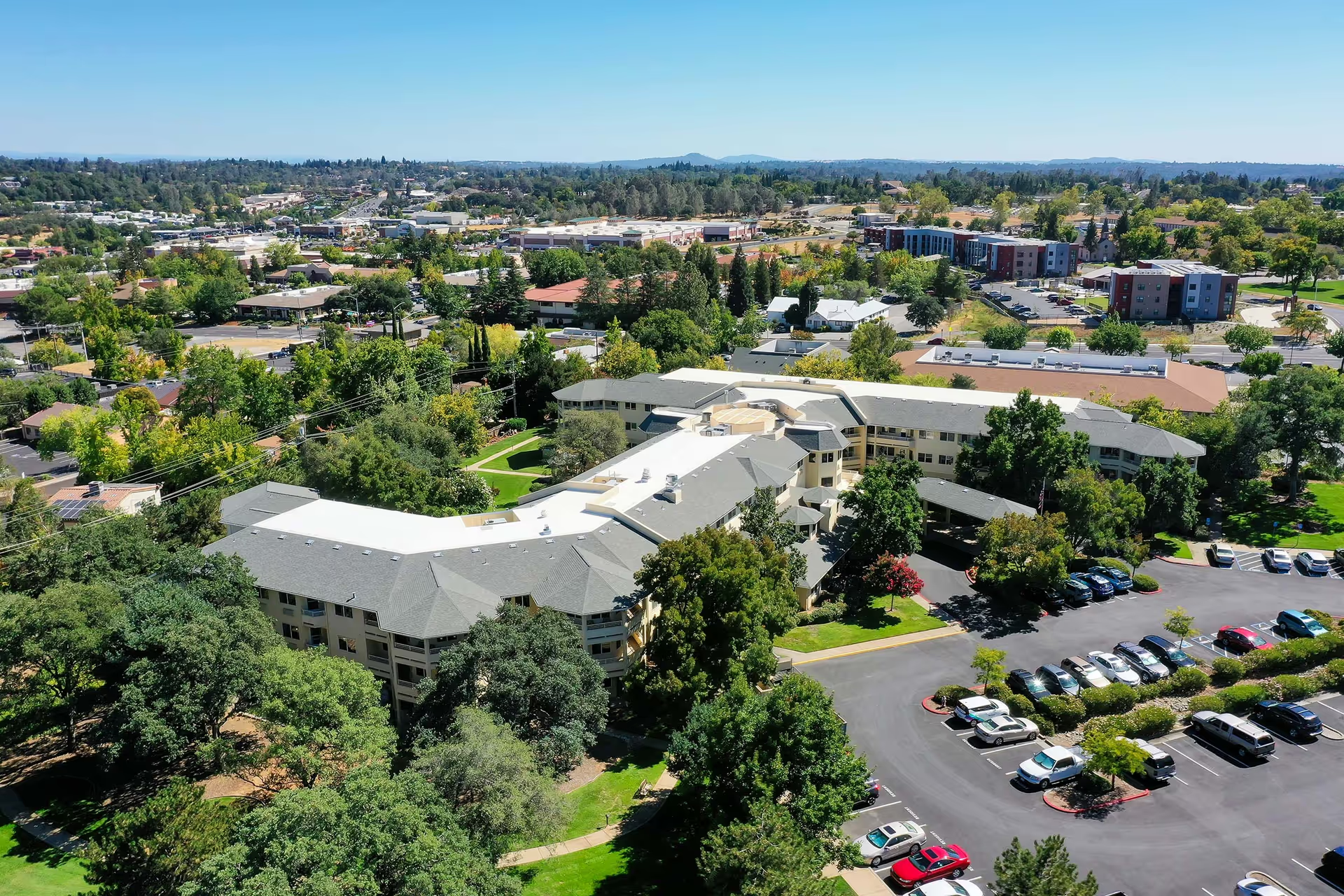
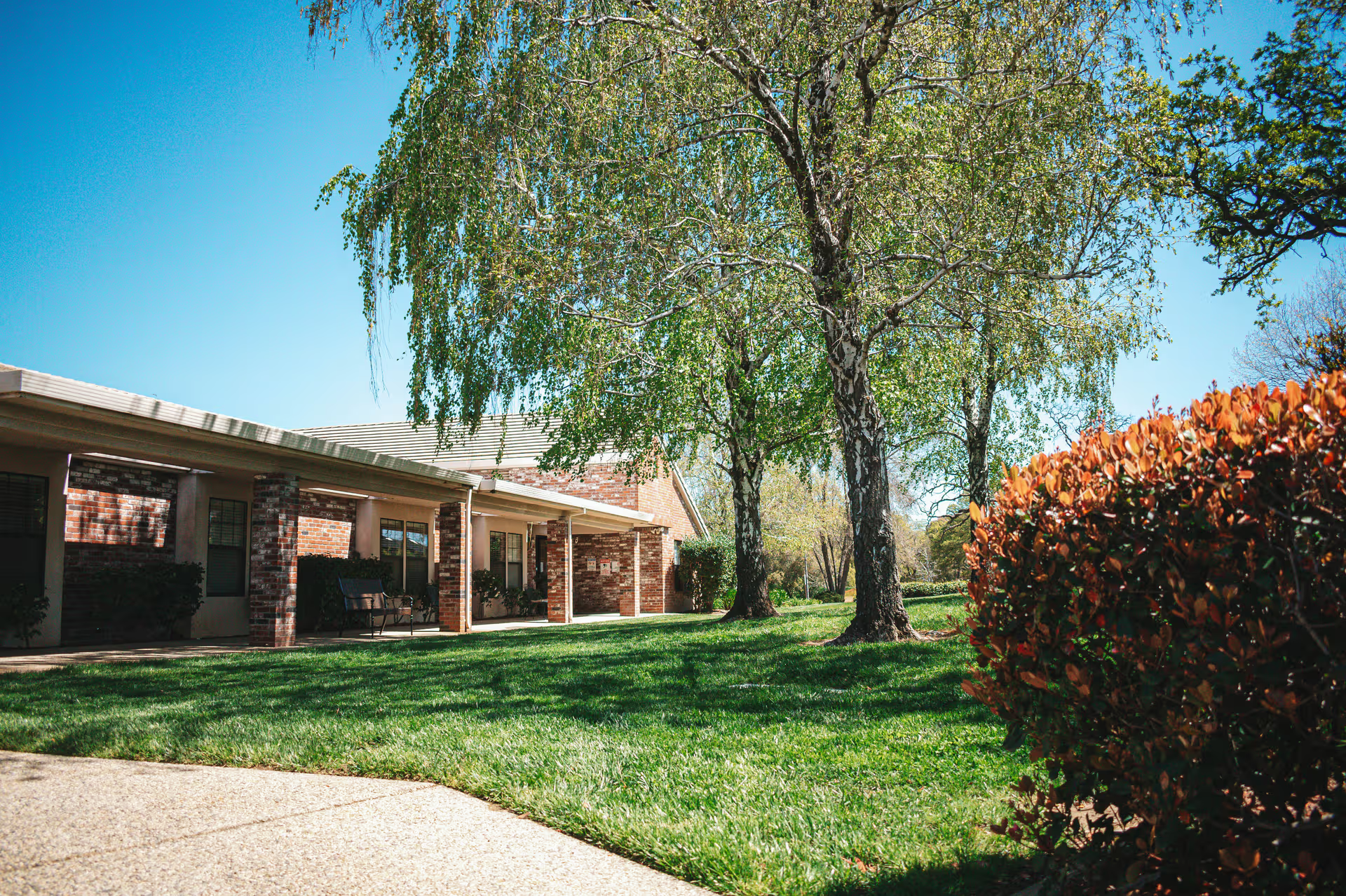
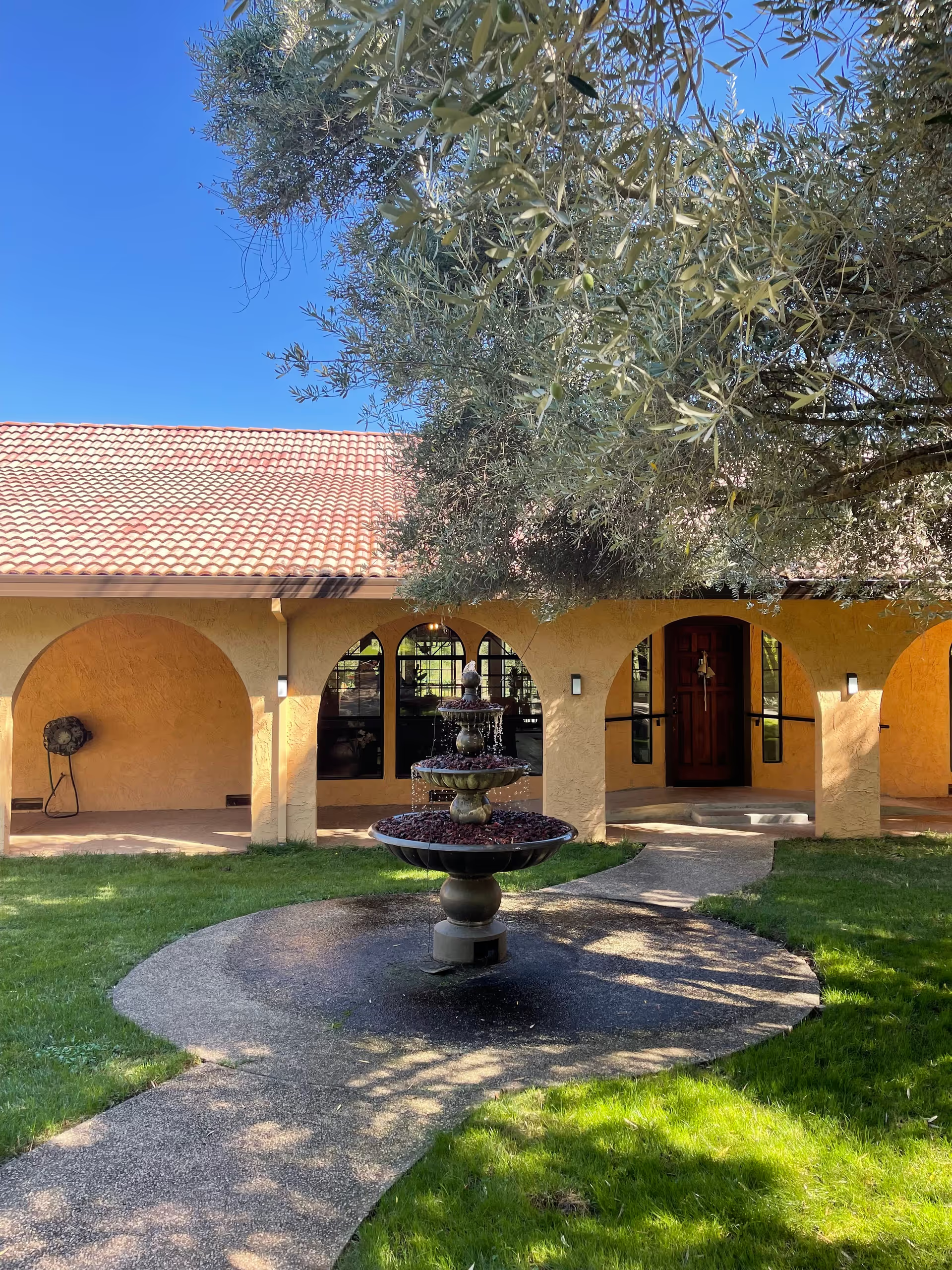
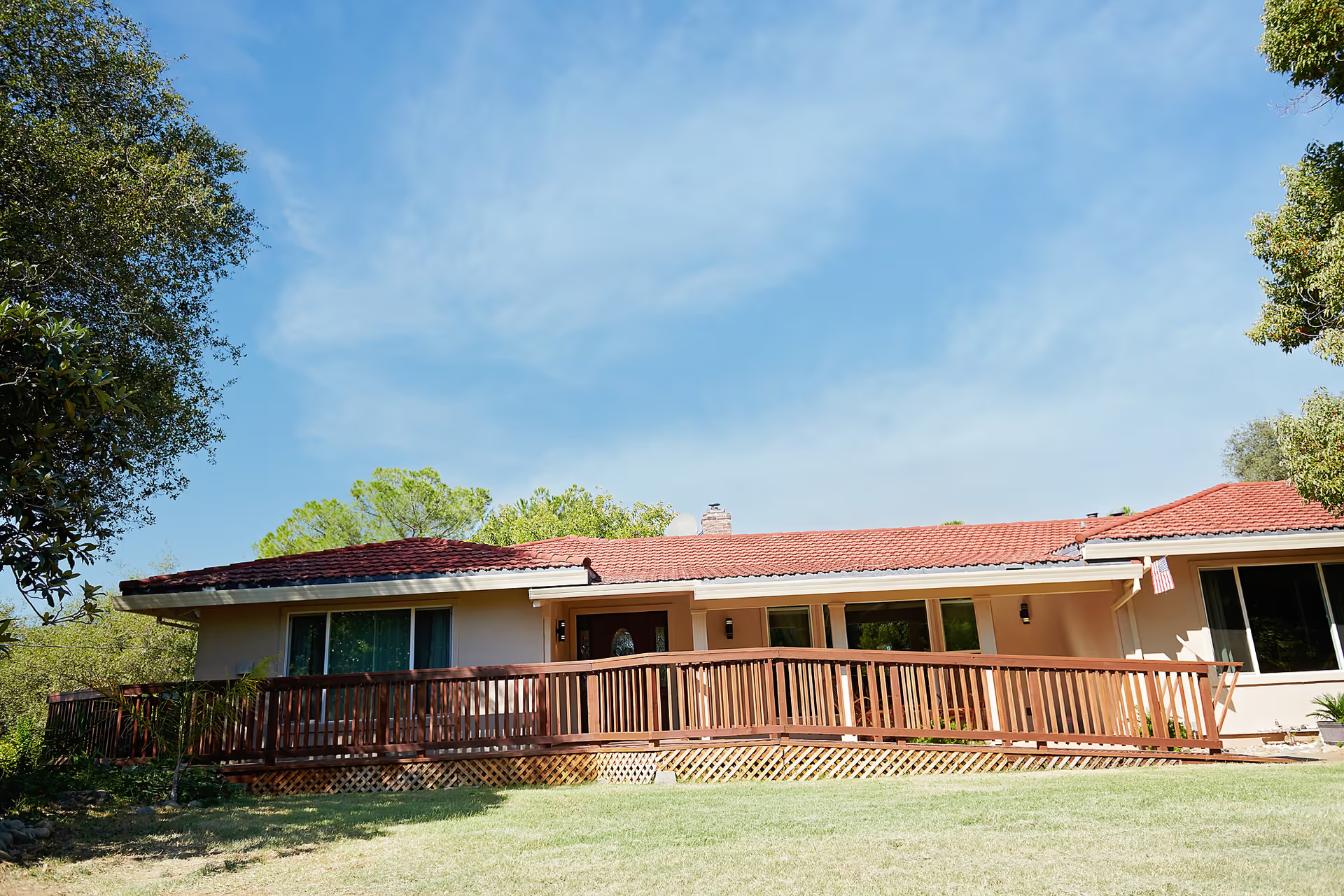
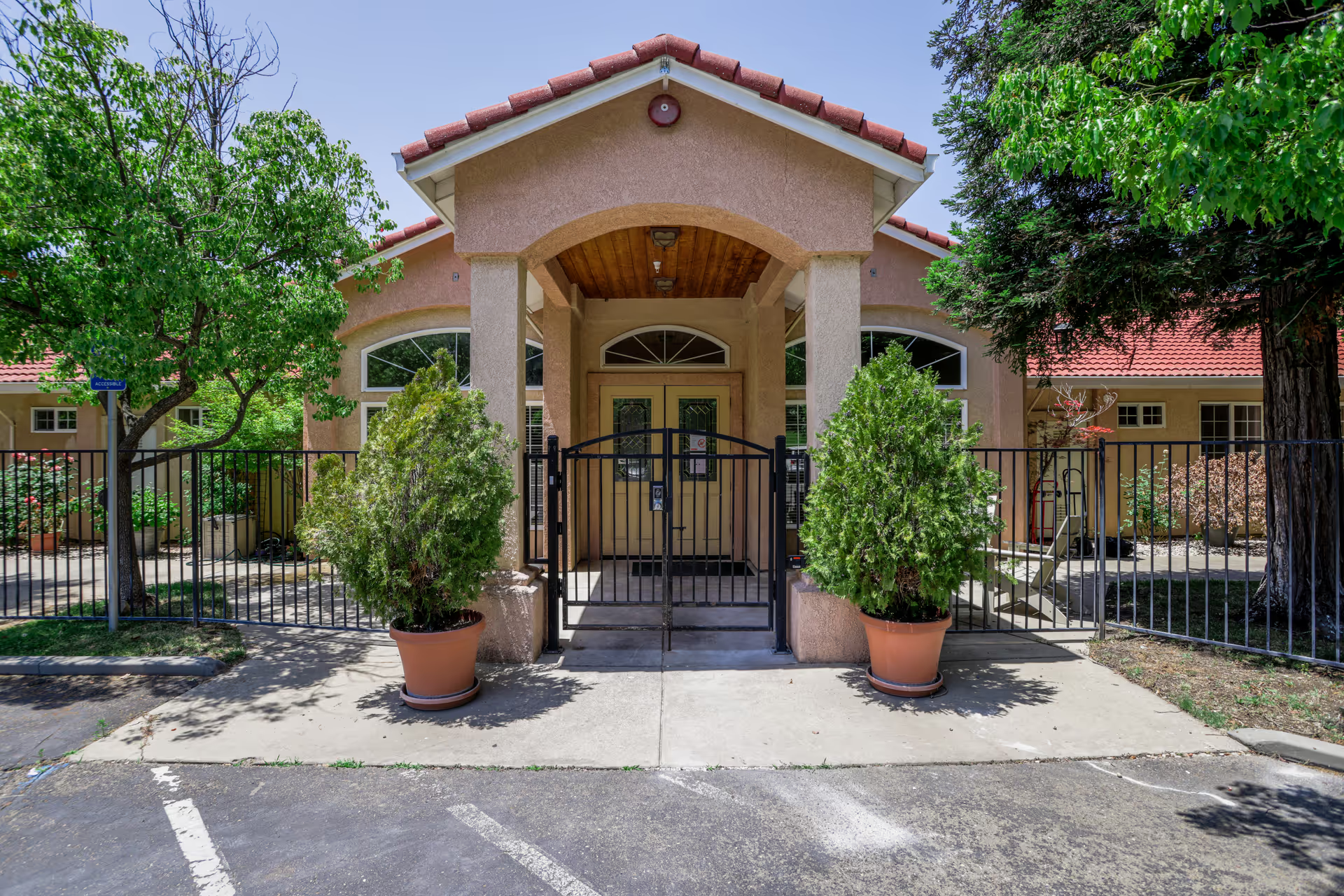
Facilities and accommodations Physical spaces receive strong positive remarks: the building is described as modern, clean, bright, and well maintained, with open floor plans and rooms that can be personalized. Units include full-size beds, dressers, closets, and windows; some families appreciated the option to bring personal furniture. Complaints about facilities tended to be specific and operational (missing items in rooms, limited bathroom cabinetry, occasional couch cleanliness issues) rather than systemic infrastructure failures.
Management, communication, and safety patterns Family experiences with management and communication vary. Many reviewers praised proactive updates, responsive managers, and strong front-desk interactions. Conversely, other families reported inconsistent communication, decisions by management that they found abrupt or unexplained, and concerns about follow-through. Several reviews described serious concerns—including medication-management questions, loss of personal property, sanitation or personal-care delays, and incidents that prompted external inquiry or contact with an ombudsman. These claims suggest the presence of both strong practice and important lapses; where serious allegations were raised, they prompted external review or investigation in at least some accounts.
Notable patterns and guidance for prospective families The overall pattern is variability tied largely to staffing and management continuity. When staffing levels are adequate and experienced caregivers are present, families report excellent engagement, good dining, meaningful activities, and trustworthy clinical coordination. When staffing is thin or turnover is high, families describe inconsistent meals, delays in personal care, and lapses in supervision. Pricing is frequently characterized as on the higher side, and some families questioned long-term value when operational inconsistencies were experienced.
Recommendations for evaluation Prospective residents and families should tour multiple times and observe different shifts, ask about current staff turnover rates and use of registry staff, sample a meal, review staffing ratios and clinical coverage, and clarify rooming options (private versus shared). Because experiences appear to depend on unit staffing and management continuity, frequent family visits and sustained communication with the care team are likely to influence satisfaction and outcomes.
Summary conclusion Sierra Ridge Memory Care offers many strengths—an attractive, well-kept facility, a robust activity program, and numerous accounts of compassionate, attentive staff—but these coexist with recurring operational concerns around staffing, service consistency, and management communication. Families seeking memory-care services should weigh the facility’s clear programmatic advantages against the variability in day-to-day reliability described by reviewers and verify current conditions during the decision process.