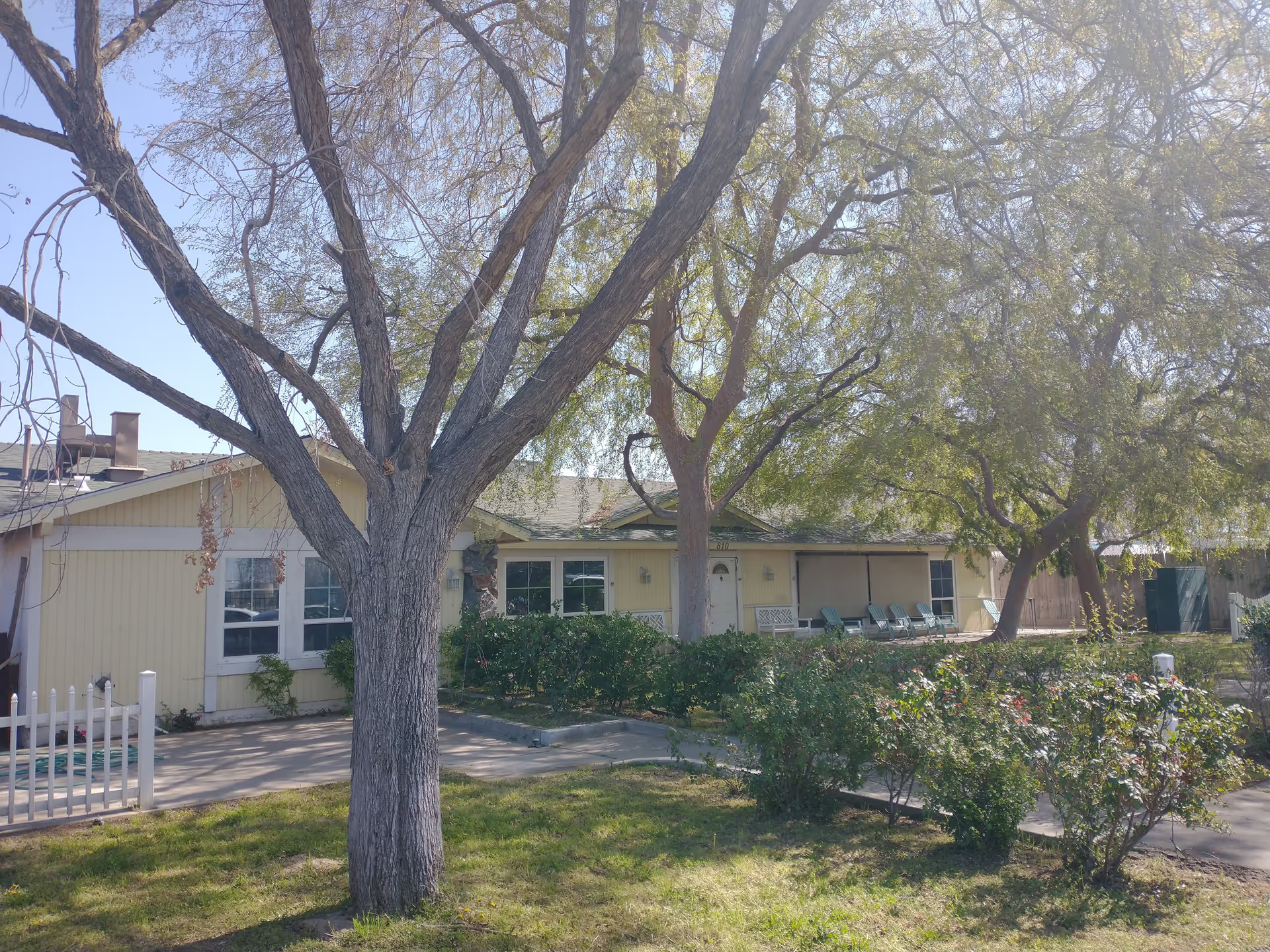
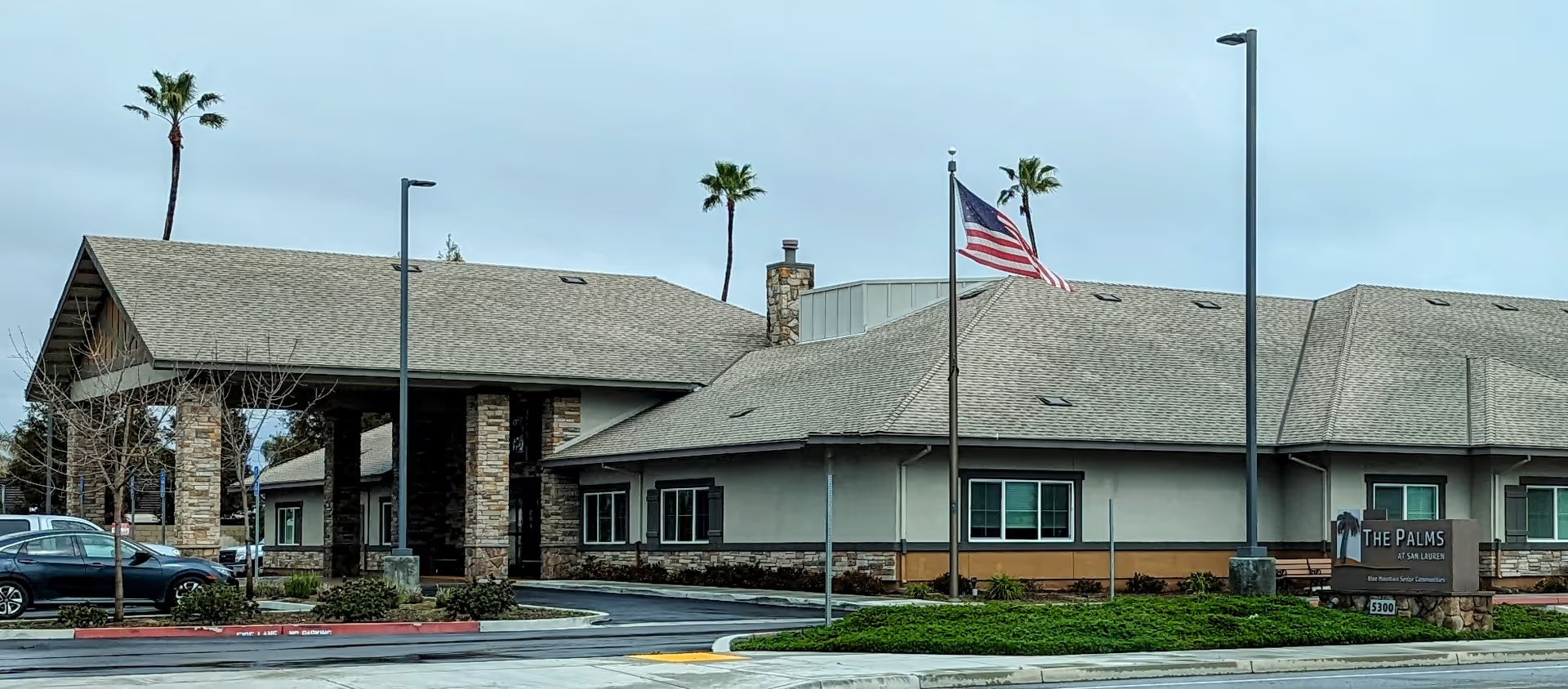
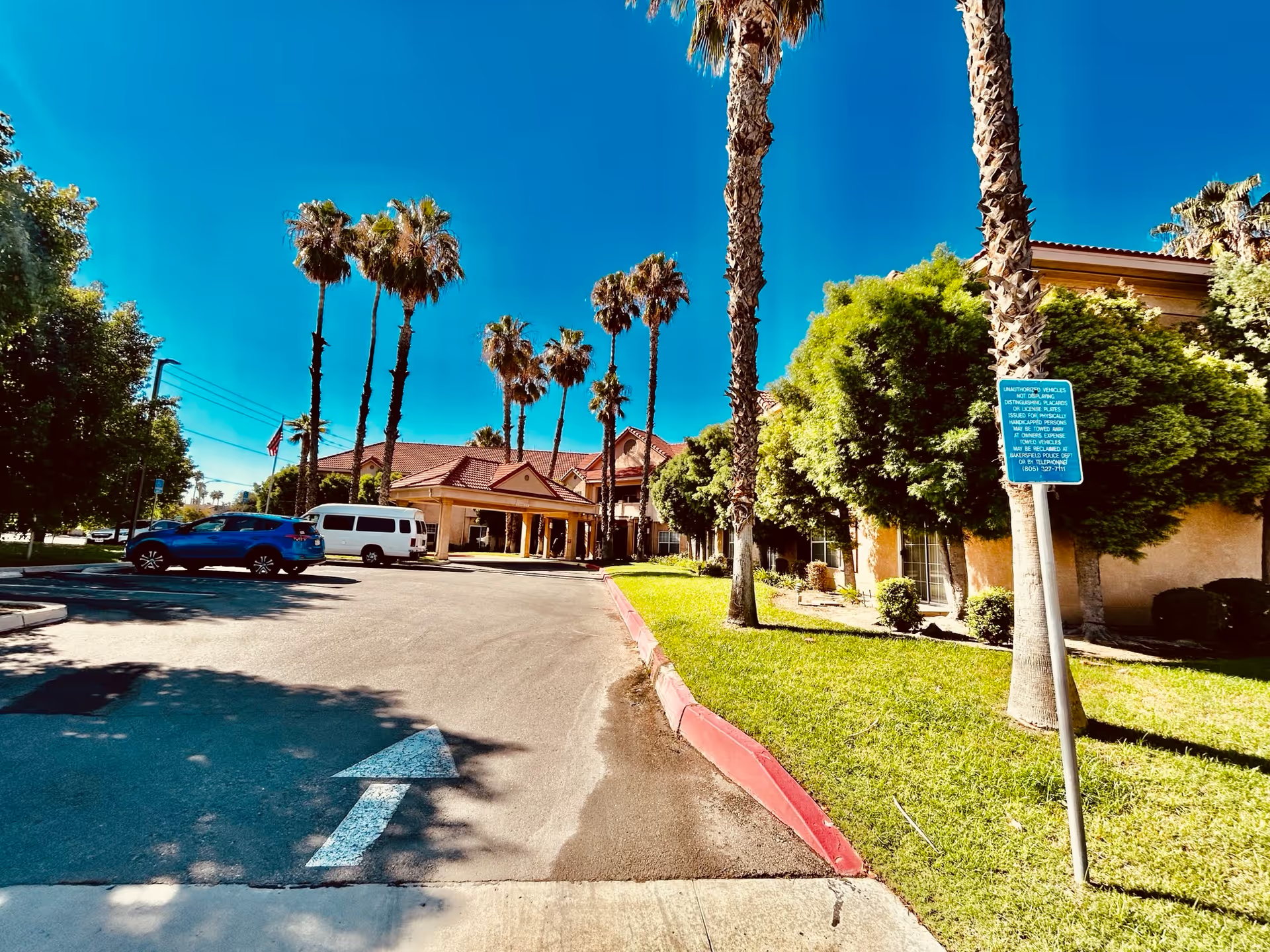
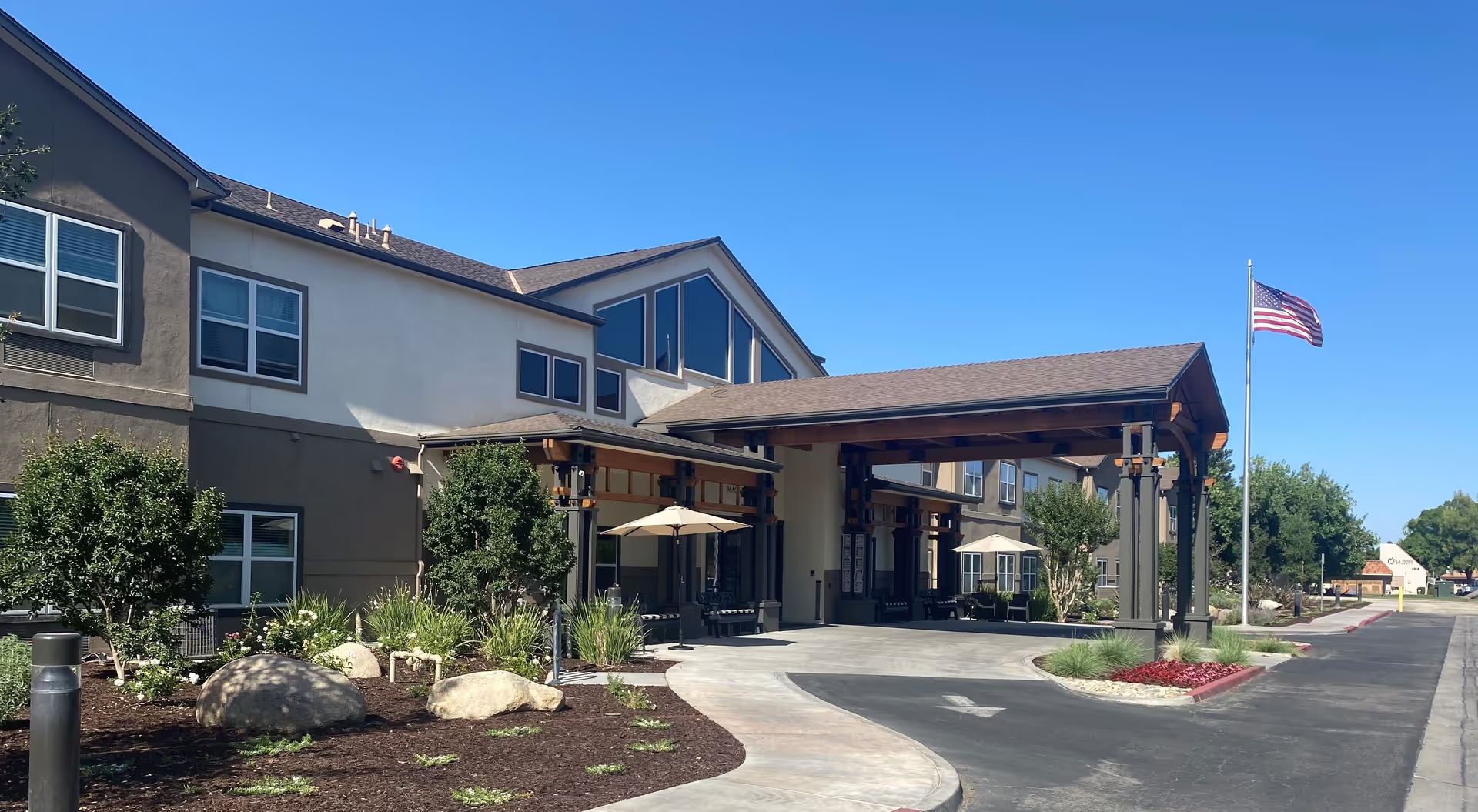
Reviewers describe a facility with clear strengths in clinical rehabilitation, compassionate bedside care, and certain operational areas, combined with recurring operational inconsistencies. Many families praised the nursing teams, particular CNAs, and therapy staff for effective physical and occupational therapy, motivational rehabilitation, and successful discharges home. Several accounts highlight coordinated hospice and dignified end-of-life support, as well as responsive leadership when concerns were escalated. The environment is frequently described as clean and well maintained, with spacious, well-lit rooms and generally palatable meal service.
At the same time, a substantial pattern of variability emerges across multiple dimensions of care. Numerous reports describe delayed responses to call bells and assistance requests, uneven adherence to medication schedules, and instances of missed or hasty medication administration. Reviewers also cited gaps in on-shift clinical supervision and weekend coverage, which families connected to lapses in monitoring and inconsistent clinical follow-up. These operational weaknesses have, in some cases, resulted in urgent transfers or family-initiated discharges.
Staffing and conduct are another area of contrast: while individual staff members and leaders received positive mention for professionalism and responsiveness, other reviewers described disengaged or poorly trained staff, inconsistent bedside communication, and concerns about tone and conduct. Management responsiveness is evident in some cases where issues were addressed promptly, yet families also reported abrupt discharge communication, inconsistent documentation, and at least one serious allegation involving personal property, which indicates a need for clearer protocols and oversight.
Dining, activities, and social programming are generally regarded as positive contributors to resident quality of life. Several reviewers praised the activity staff, social opportunities, and therapy-led engagement. However, meal quality and delivery practices were described as inconsistent: some found meals enjoyable while others reported poorly presented or inaccessible trays. Facility-level issues such as lounge crowding, limited private spaces for family visits or farewells, roommate noise (including television disturbance), limited in-room phone/cell service, and maintenance variances (dust, stained furnishings, occasional HVAC concerns) were repeatedly noted.
In summary, Bakersfield Post Acute appears capable of delivering strong rehabilitative outcomes and compassionate, effective care under the supervision of engaged clinical and therapy teams. Prospective residents and families should weigh those strengths against the documented variability in responsiveness, medication and supervision practices, privacy and roommate arrangements, and communication/administrative controls. A focused pre-admission assessment—asking about typical staffing levels by shift, call-bell response expectations, medication administration protocols, private-room availability, and the facility's processes for addressing conduct or property concerns—would help families gauge whether the facility's operational practices match their expectations for a particular resident.