The reviews reflect a facility with notable strengths alongside recurring operational weaknesses. Many family members and residents described compassionate, attentive caregivers, effective rehabilitation therapy, and supportive social-work and case-management staff. Front-desk personnel and visible administrators received consistent praise for friendliness and efficiency, and several accounts highlighted clean, odor-free public spaces and resident rooms. Recreational programming — including music and organized activities — and flexible dining options were also noted as positive contributors to quality of life.
Care-quality impressions are mixed. Positive comments emphasize professional nursing and therapy that supported mobility and recovery. However, an important pattern concerns responsiveness: delayed assistance to call lights, inconsistent bathing and incontinence-care schedules, and perceived slow removal of lines or devices were described. Medication-administration delays and gaps in coordination among nursing, therapy, and social services were also a recurring operational weakness. Several reviews point to inadequate post-incident documentation and limited family follow-up after falls or injuries, indicating opportunities to strengthen clinical handoffs and incident-management protocols.
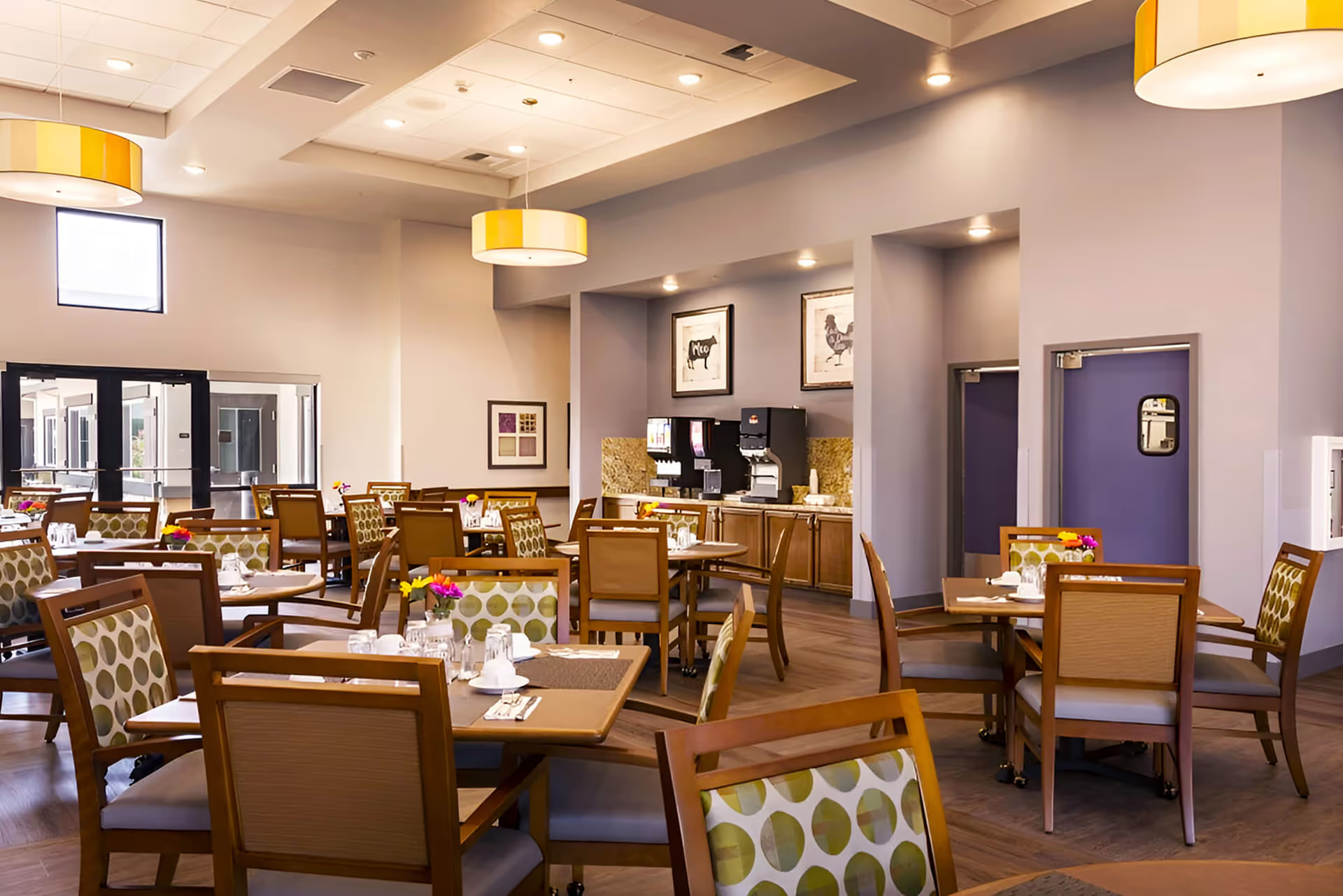
Dining and personal items received contrasting feedback. Some reviewers praised the food (including flexible sandwich options and better-than-hospital meals), while others documented inconsistent meal quality, missing personal food, and concerns about security of belongings. Facility cleanliness was generally seen as good by many visitors and families, but selected reports raised sanitation and pest-control concerns and uneven room housekeeping. Equipment maintenance and availability (for example, assistive devices and other bedside equipment) appeared inconsistent in a subset of accounts.
Management and communication are similarly mixed. Social workers and case managers were frequently identified as helpful and effective, and some leadership figures were credited with improving frontline performance. Conversely, other reviewers described unresponsive management, inconsistent admission and consent practices, and staff communication whose tone caused concern. Phone-system reliability and family-communication channels were noted as troublesome in several reviews, limiting timely updates.
Notable patterns for prospective residents and families: (1) evaluate staffing levels and overnight coverage during your tour; (2) clarify wound/fall follow-up, documentation, and family-notification procedures; (3) confirm medication-administration and equipment-maintenance protocols; and (4) discuss dining options, personal-item policies, and pest-control practices. Overall, the facility provides strong rehabilitation and many examples of compassionate care, but families should actively assess operational practices around responsiveness, communication, and incident follow-up before placement.