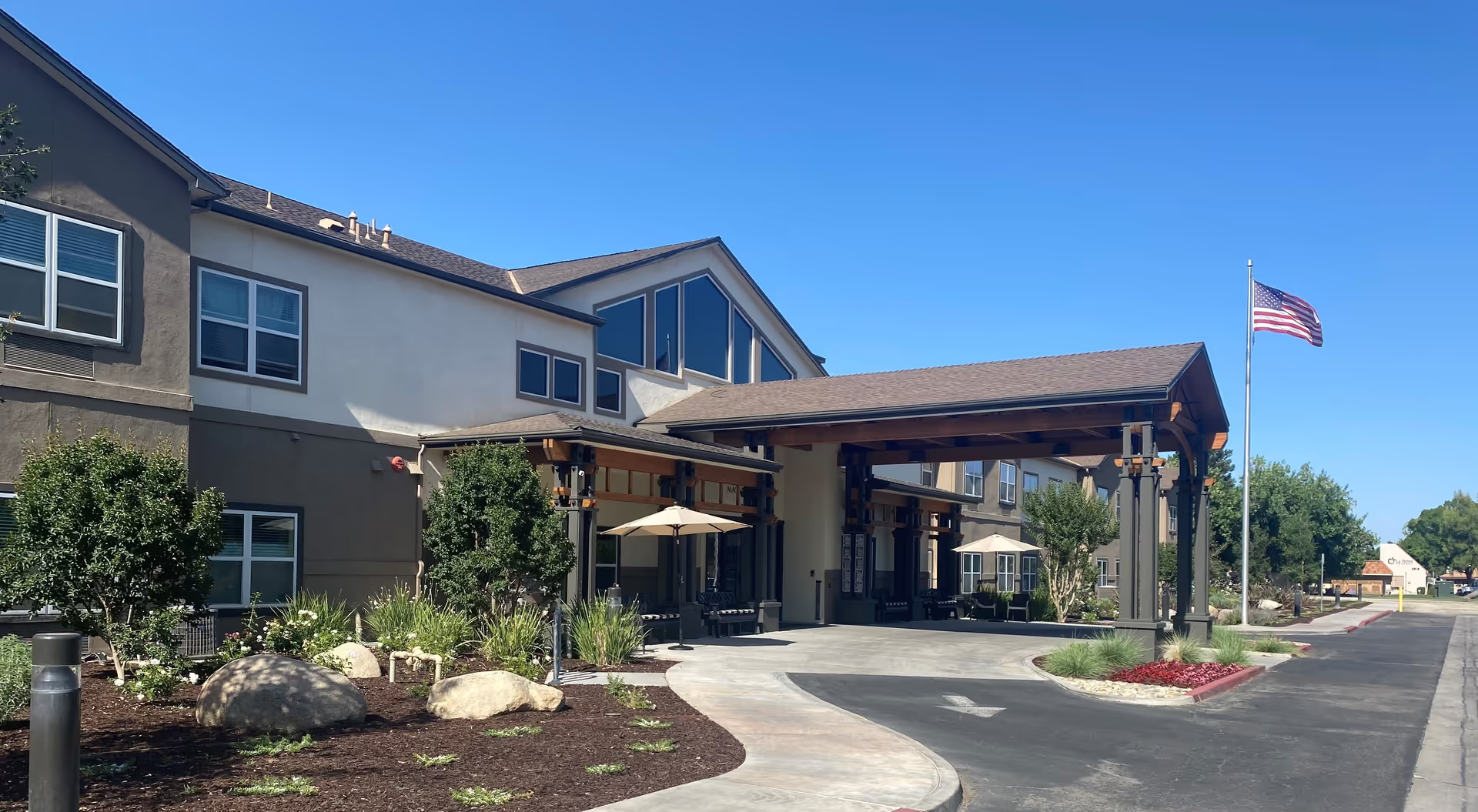
Ivy Park at Seven Oaks is repeatedly described as a modern, well-appointed assisted living community with many amenities families expect from a higher-end provider. Common positive themes include an attractive, hotel-like interior, well-kept common areas, accessible and ADA-friendly apartment options, secure memory-care spaces, and generous outdoor grounds that are pet friendly. Dining is frequently praised for its restaurant-style presentation, menu-based options, and a variety of healthy, well-presented meals. Many families also highlighted on-site clinical access such as weekly doctor visits, coordinated move-in support, respite care, and active social programming that includes games, arts and crafts, outings, and scheduled entertainment.
Care and staff quality are described in markedly mixed terms. Numerous accounts emphasize attentive, compassionate caregivers and organized administrative personnel who provide strong family communication, individualized attention, and assistance that gives families peace of mind. Several reviewers named specific staff and leaders who went above and beyond to make residents comfortable. At the same time, there is a recurring pattern of concerns: reports of variable staffing levels, defensive or inconsistent communication during tours or billing conversations, and instances where families felt clinical response or dementia-specific training was insufficient. These issues appear to concentrate around memory-care staffing and clinical-incident response; some families expressed serious unease about medication oversight and emergency responsiveness.
Operational and management themes are similarly ambivalent. While some reviewers consider the price justified for the amenities and level of service, others cited higher-than-expected fees, additional charges for personal care, and inconsistencies between quoted and billed amounts. Several reviewers perceived managerial focus on revenue or appearance over day-to-day care, and some described frequent leadership changes or reliance on third-party caregiver arrangements that contributed to uneven resident experience. There are also isolated sanitation and maintenance concerns flagged by families, indicating uneven housekeeping or upkeep in particular units or areas.
For prospective residents and families, the facility offers clear strengths: strong dining, many engagement opportunities, a secure campus, and many staff who are caring and professional. The primary areas to probe during a visit are leadership stability, staffing ratios (especially in memory care), dementia-specific staff training and emergency-response protocols, and transparency of costs and billing. Given the mixed nature of accounts, it is advisable to request written billing estimates, meet memory-care staff directly, inquire about turnover and training practices, and, if possible, observe activity participation and housekeeping in the unit(s) under consideration before making a placement decision.