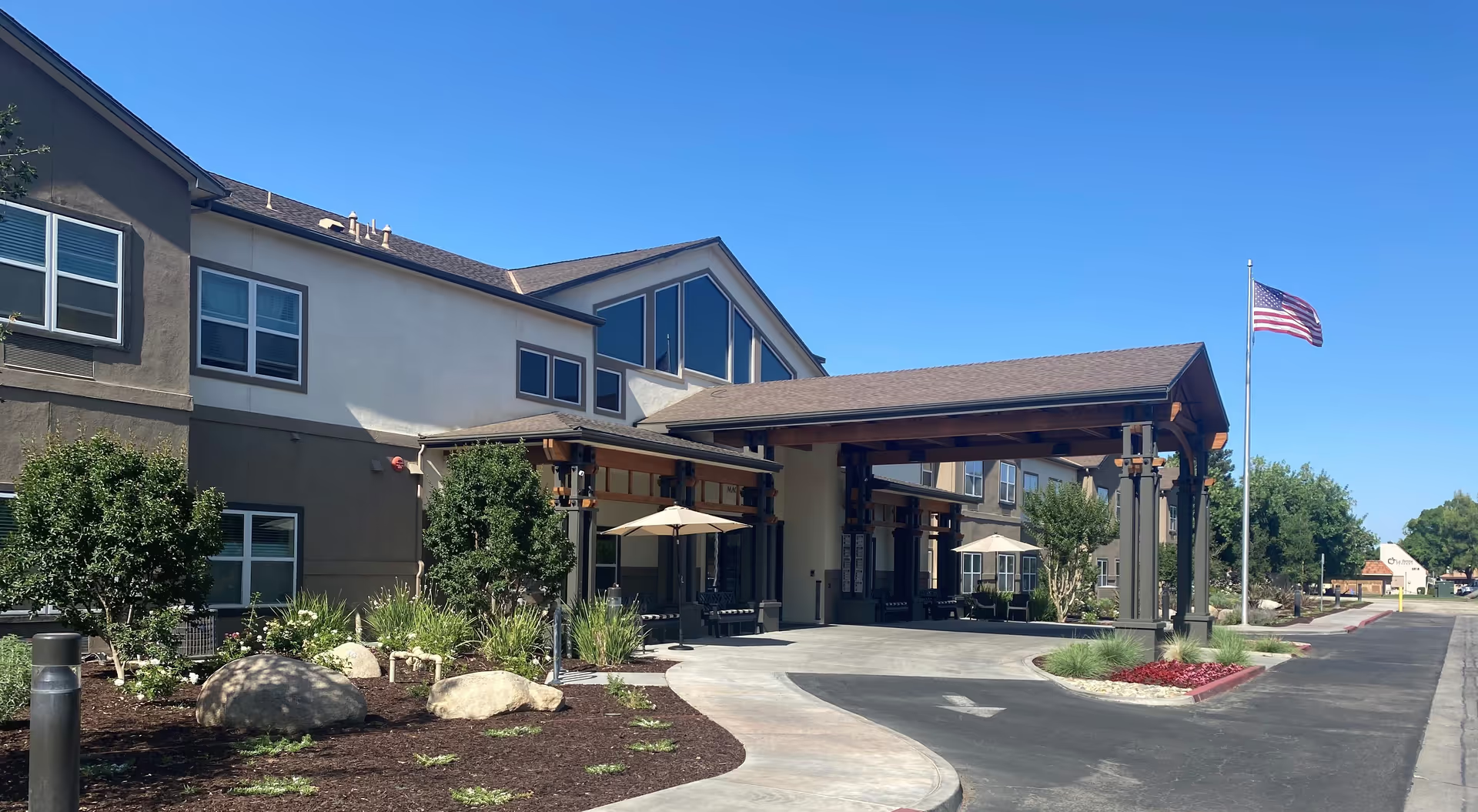
The reviews present a mixed picture of LifeHouse Parkview. Several families described a clean initial move-in and noted that common areas and some residents appear well maintained and groomed. Some reviewers also highlighted helpful front-desk staff and a few positive experiences with clinical care. However, a larger body of commentary identifies recurring operational and service gaps that prospective residents and families should evaluate carefully.
Care quality and clinical services: Reviewers raised concerns about inconsistent nursing conduct and responsiveness. Multiple accounts describe delays in attending to patient needs and in medication administration; at least one review specifically questioned opioid medication management. Rehabilitation services were characterized as brief or inconsistent in duration and follow-up, with reports of therapy visits lasting only five to ten minutes. There were also references to end-of-life care concerns and to legal action involving the facility, which some families cited in describing their experiences.
Staff and communication: A prominent theme is communication difficulty. Several reviewers reported language barriers among staff that made interaction and clinical communication challenging. Families also described staff tone and behavior as at times unprofessional or dismissive, and noted limited empathy and follow-up communication from administration after incidents. These patterns suggest gaps in staff training, supervision, and family engagement processes.
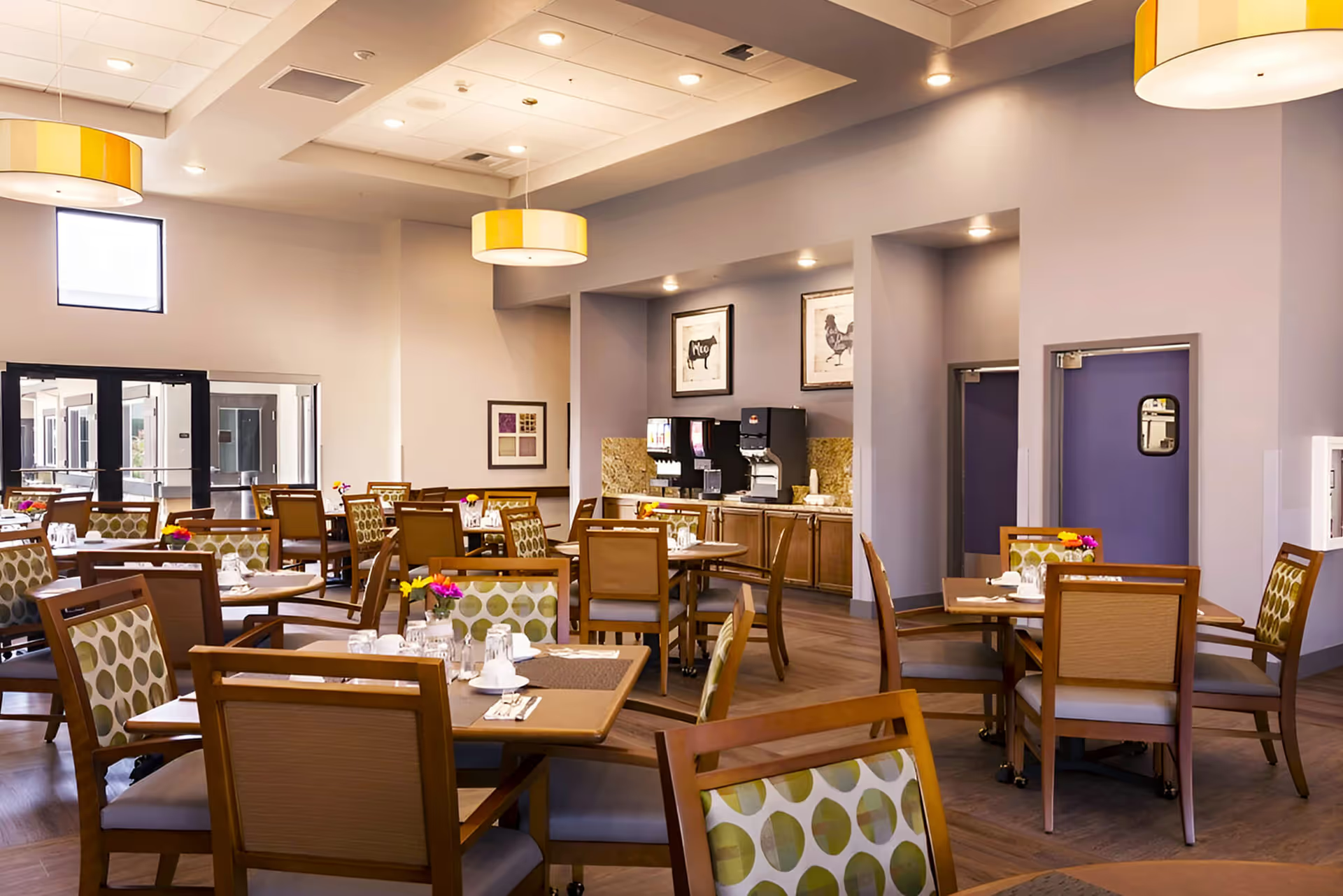
Dining and therapy: Meal quality and dietary accommodation were frequently criticized. Examples include cold or inadequate meals and food not aligned with prescribed renal or diabetic diets, indicating inconsistency in diet management and meal-service continuity. Therapy services were reported as inconsistent in both duration and perceived effectiveness, which may reflect staffing or scheduling constraints in the rehabilitation department.
Facilities and safety: Multiple reviews point to facility-level environmental concerns: odor-control and incontinence-care issues in certain areas, pest-control concerns, thin walls and doors that affect privacy and noise levels, and shared double-occupancy rooms with a single bathroom that limit resident privacy and convenience. There were also examples of maintenance shortcomings — for instance, water leaks or other hazards — that reviewers felt were not addressed promptly, raising safety-management questions.
Management and administrative issues: Reviewers mentioned billing and refund disputes, unpaid amenity issues, and limited responsiveness from administration when families sought resolution. A number of reviewers referenced more serious actions such as complaints or litigation; while these are not quantified here, they underscore the importance of checking regulatory records and asking the facility for documentation of incident responses and corrective actions.
Overall impression and patterns: The dataset reflects a polarized experience: some families report satisfaction and a well-kept, supportive environment, while a larger set of comments indicates operational weaknesses across communication, staffing consistency, sanitation, dietary management, therapy provision, and administrative responsiveness. Prospective residents and their families should conduct in-person visits at different times of day, ask about staffing ratios and language capabilities, review recent inspection reports, inquire about pest-control and odor-management protocols, and obtain written policies on medication management, therapy scheduling, and refund/billing procedures before making a placement decision.