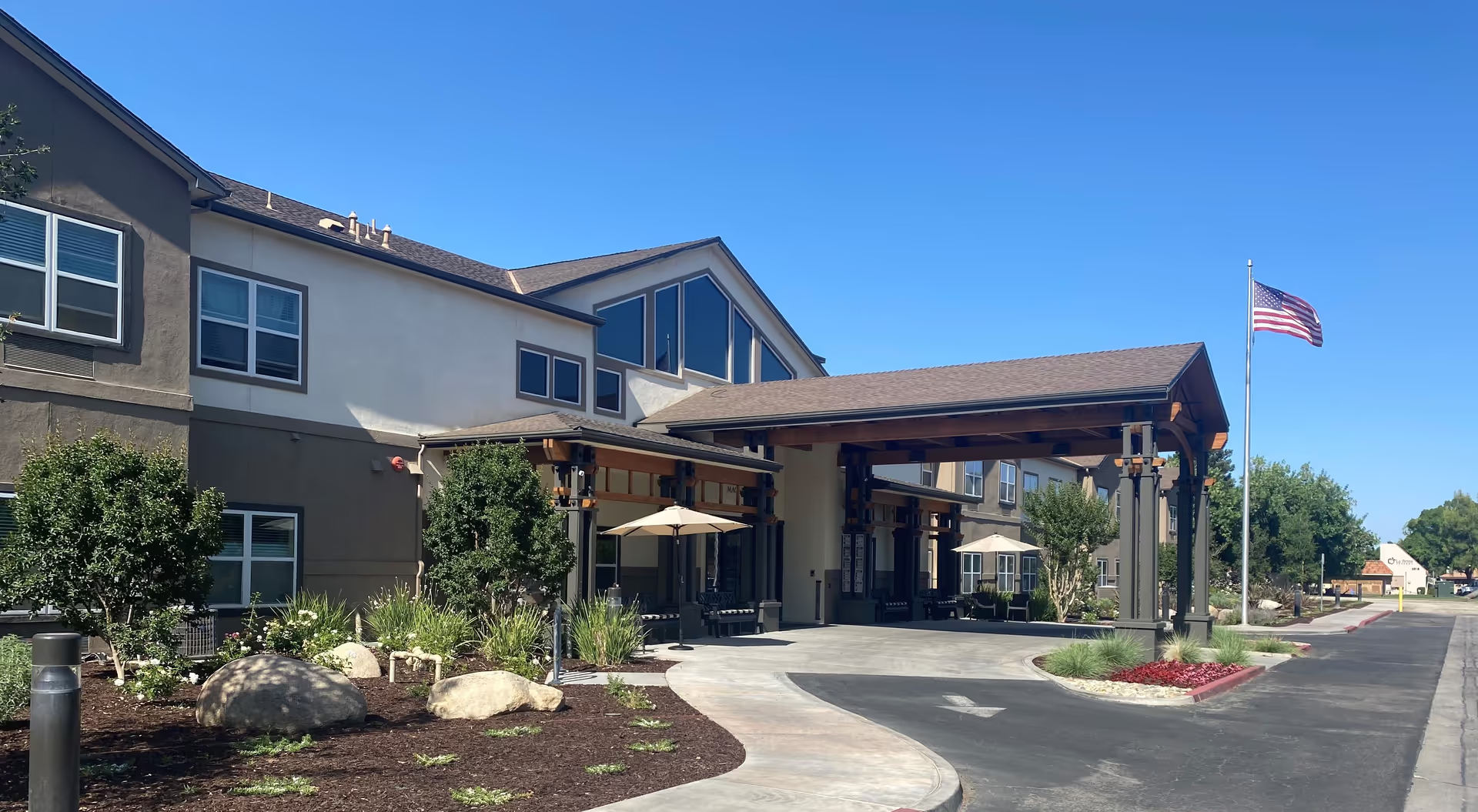
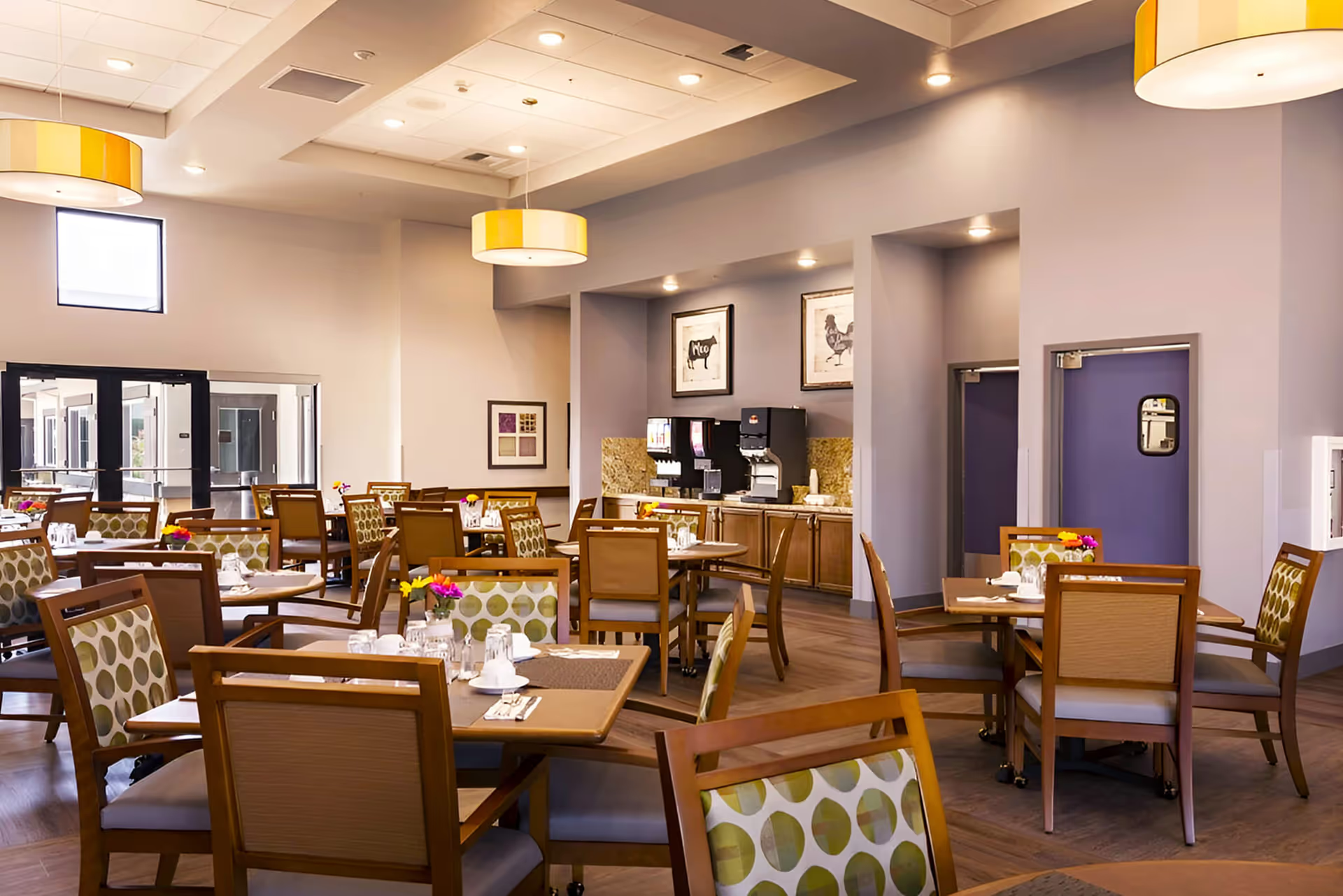
Riverwalk elicits a strongly polarized set of impressions: many families and residents praise the community’s atmosphere, services, and staff, while a distinct set of concerns focuses on operational consistency. The facility’s strengths include a broadly appealing campus with well-maintained grounds and a hotel-like interior, a wide range of apartment types, and a comprehensive continuum of care that includes independent living, assisted living, memory care, and skilled nursing. On-site rehabilitation and physical therapy, an active social calendar (live music, exercise classes, bingo, outings), transportation, and amenities such as a library, salon, pool, and gym are frequently cited as meaningful quality-of-life contributors.
Staffing and direct care receive mixed evaluations. Many accounts describe friendly, compassionate, and long-tenured associates as a clear asset; families highlight helpful admissions staff and responsive daytime teams. Conversely, there are recurrent descriptions of inconsistent staffing coverage—particularly at night or on certain shifts—leading to delayed responses to call bells and lapses in scheduled checks. These variations appear to be a primary driver of both positive and negative care experiences: where staffing is stable, reviewers report attentive care and peace of mind; where coverage is inconsistent, families describe increased oversight and advocacy needs to secure expected services.
Clinical and operational controls show similar variability. The community offers strong rehabilitation services and coordinated caseworker/physician interactions in many cases, but reviewers also describe medication-administration lapses and pharmacy-processing delays; one account referenced an RN intervention that prevented a potential medication error. Sanitation and incontinence-care practices were raised as concerns in some units, and there are intermittent accounts of missing laundry or personal items. These issues suggest gaps in day-to-day clinical routines and property controls rather than uniform systemic failure, but they are important points to verify during a tour and in contract discussions.
Dining and food service are frequently praised for variety, restaurant-style presentation, and accommodations for special diets; desserts and specific menu items receive particular praise. At the same time, several families note inconsistent meal quality, cold plates on occasion, and staffing-related slowdowns in dining rooms. Activity programming is generally highlighted as robust and engaging, with regular live entertainment, fitness classes, religious services, and off-site trips; memory-care engagement was specifically called out as less consistent in some reports, indicating a potential area for focused inquiry.
Management and administrative matters show a mix of responsiveness and friction. Many reviewers commend approachable leadership, helpful admissions representatives, and effective follow-up on some issues. Others describe slower complaint resolution, billing disputes, fee increases, and variability in maintenance responsiveness. Facilities-wise, the property is largely described as attractive and clean, but isolated concerns (roof leaks, carpet or odor issues in corridors, and parking-lot lighting/safety) were mentioned and merit inspection during a visit. Cottage residents sometimes noted distance from main building amenities and potential for internal moves within the campus.
Overall pattern and guidance: Riverwalk offers a well-appointed campus, comprehensive services, and many engaged staff members that deliver a high quality of life for numerous residents. However, variability in staffing, clinical routine adherence, dining consistency, and operational follow-through appear across reviews and are the primary areas of concern. Prospective residents and families should tour multiple units (including memory care and cottages), ask about current staffing ratios by shift, request recent inspection and incident logs, review medication-administration and laundry/property policies, clarify fee structures and notice periods, and meet activity and dining staff. These targeted questions can help determine whether the community’s strengths align with an individual resident’s care needs and expectations.