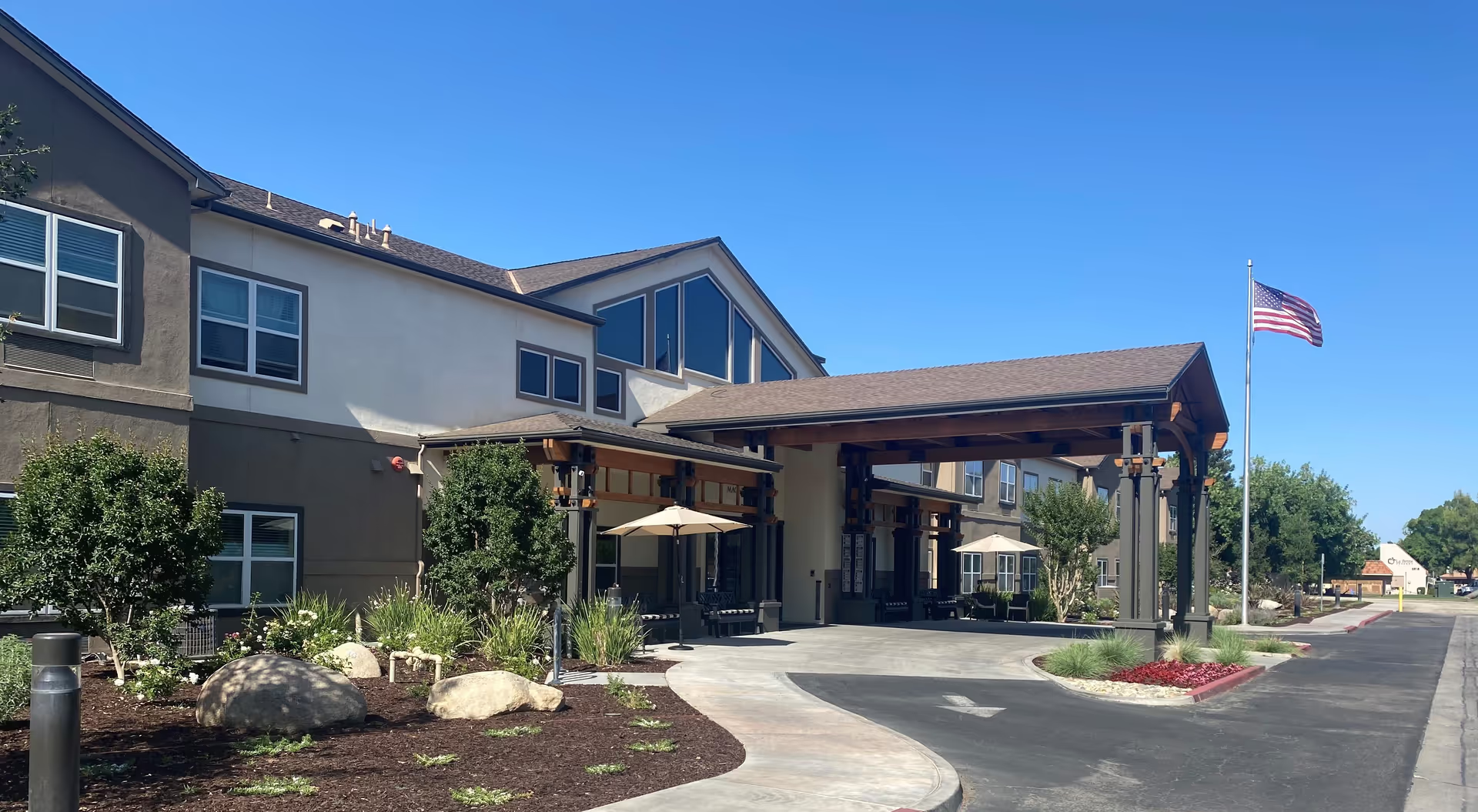
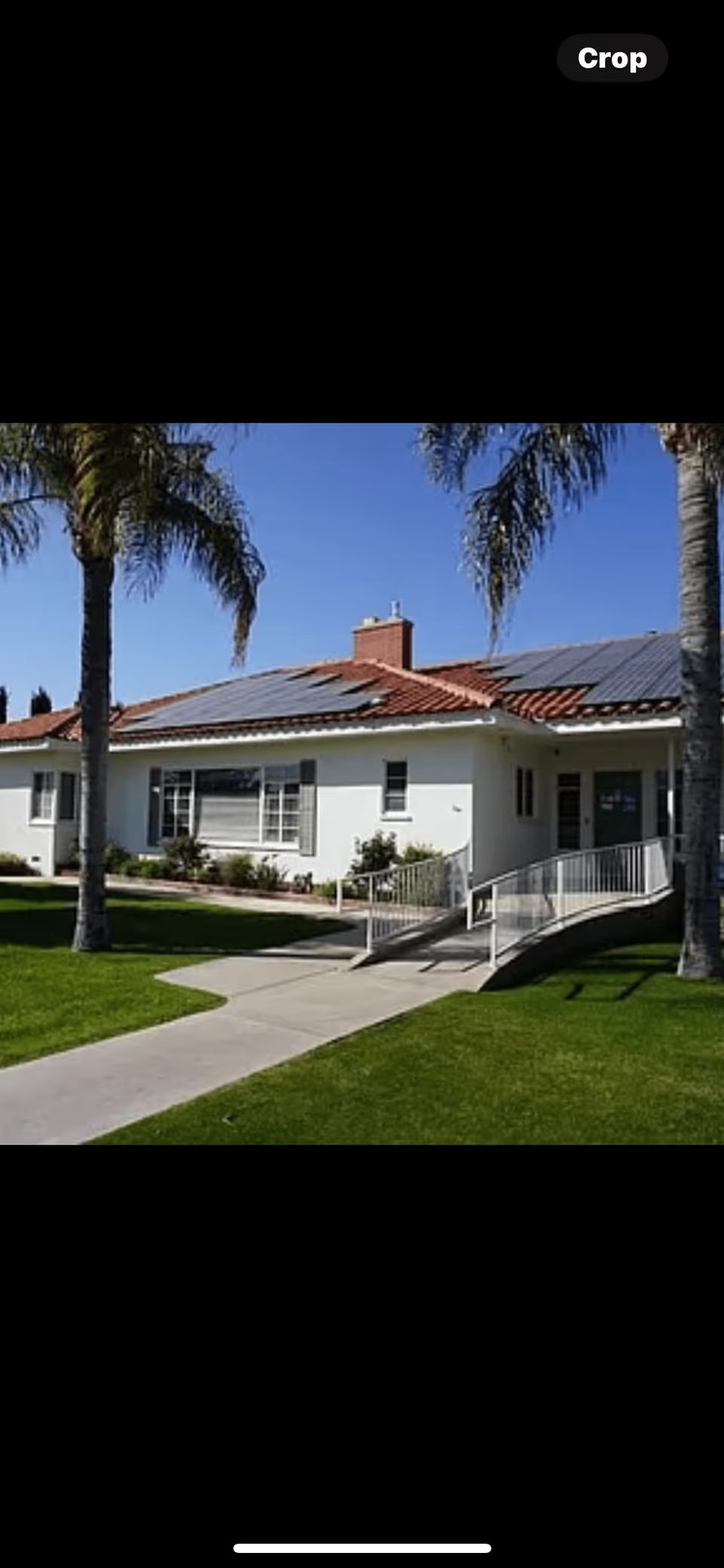
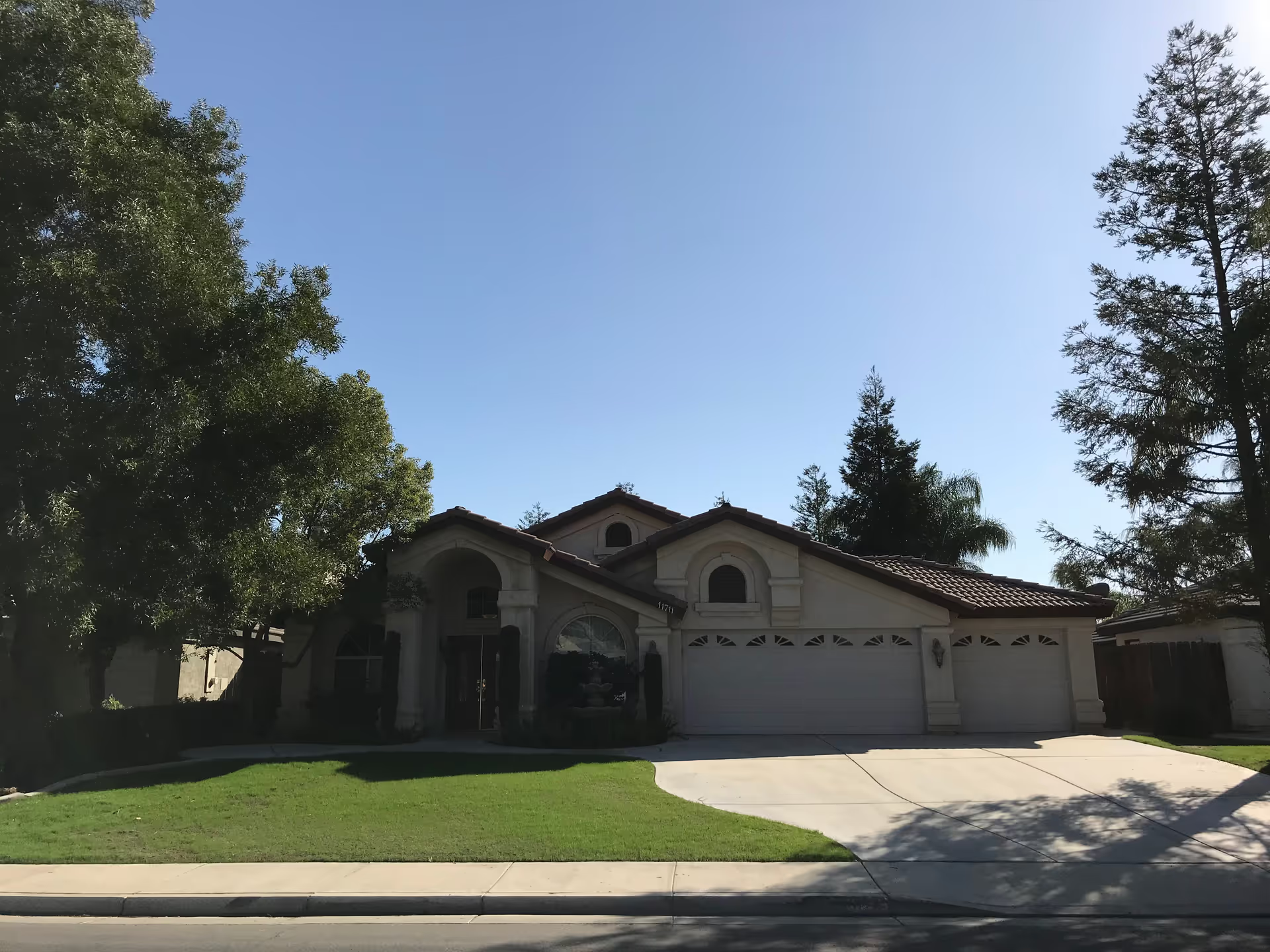
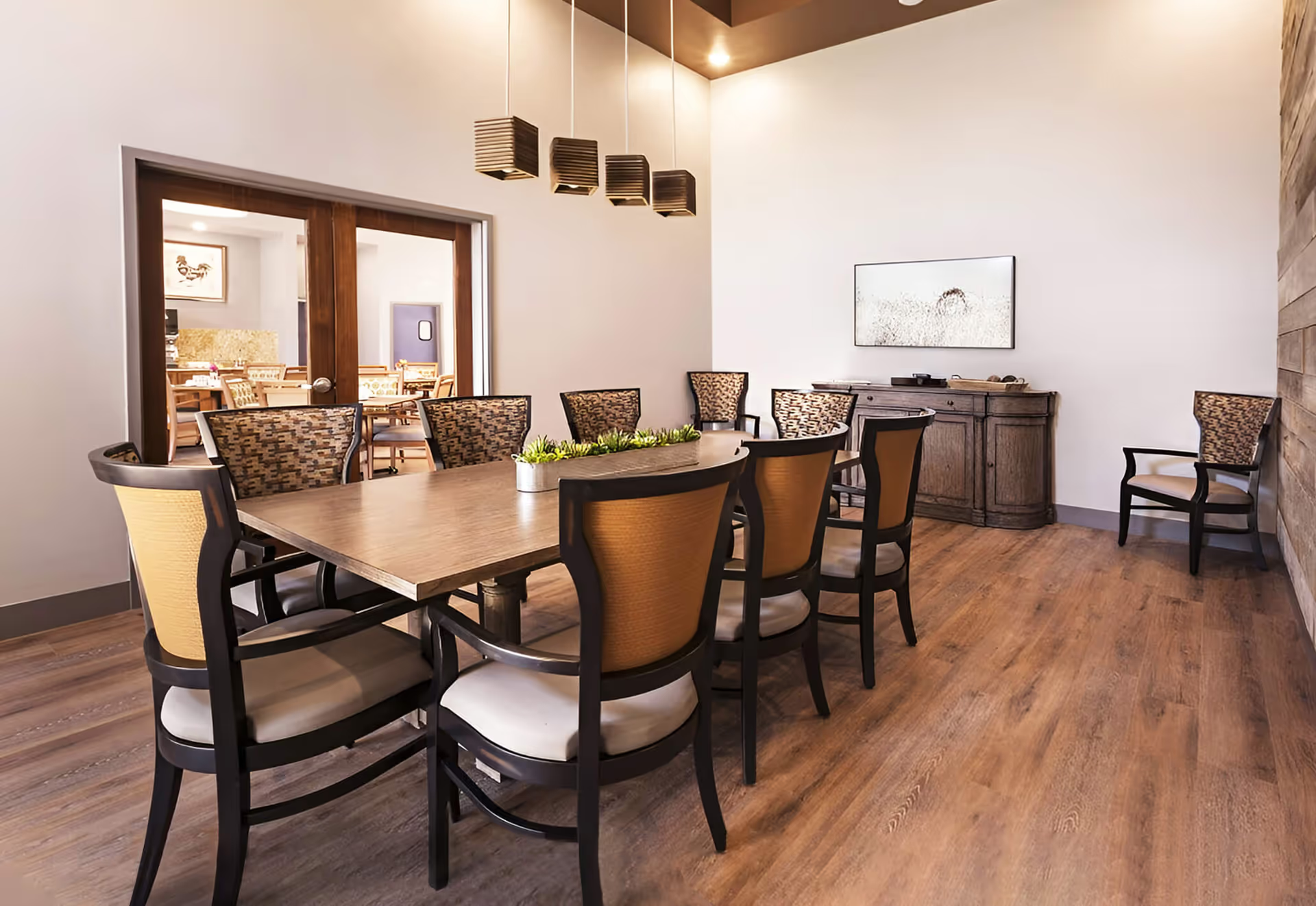
The reviews present a mixed but fairly detailed picture of Rosewood Retirement Community. Many accounts praise the physical campus, amenities, and programmatic offerings: the property includes multiple housing tiers (independent, assisted, memory, and skilled nursing), a range of apartment footprints, updated common areas, and extensive amenities such as pools, spa, fitness rooms, a salon, and on-site retail. Outdoor walking areas, pet-friendly patios, and secure parking are also noted advantages. Dining is frequently described as a strength — chef-driven menus, varied choices, in-room meal delivery options, a new dining room, and long dining hours — although continuity of service has sometimes been affected by operational disruptions.
Staffing and clinical services elicit polarized impressions. Positive comments emphasize friendly, attentive employees across roles, an engaged activity staff, and strong rehabilitation services (OT/PT) and therapy programs. Several reviews highlight an interdisciplinary approach that includes on-site clinical services, memory-care programming, and spiritual support. Conversely, there are recurring concerns about inconsistent staff responsiveness, uneven communication with families, and variability in personal-care practices (notably toileting and related assistance). There are also specific concerns about delays in clinical escalation and hospital-transfer processes that indicate gaps in how acute changes are triaged and communicated.
Activities and community life are commonly cited as robust. Reviewers describe a broad activities calendar — fitness classes, memory and painting classes, gardening clubs, social events, travelogues, and regular entertainment — that contributes to a family-like community atmosphere for many residents. The campus scale supports a range of social options and services, which residents and families often find valuable for social engagement and quality of life.
Operational and management issues appear as a distinct pattern. Several comments point to pandemic-related staffing shortages and intermittent service adjustments (for example, grab-and-go dining). Multiple reviewers raised concerns about the facility’s pricing structure: the combination of buy-in fees, point-based charges, and upfront-payment expectations can be complex and, in a number of cases, was reported as inadequately explained at admission. Ownership or management transitions were also associated with declines in responsiveness and unsatisfactory handling of billing/refund inquiries for some families.
Safety, transparency, and capacity constraints are additional themes. Memory-care capacity and the facility’s ability to accommodate progressive decline were described as limited in at least one account, suggesting a need for clearer pathways and expectations when residents’ care needs increase. There are also occasional notes about security and loss-prevention incidents; one review references an allegation of theft that required police involvement. Finally, while many areas are updated and well maintained, other parts of the campus were described as older or darker in ambience, indicating variability in upkeep and décor across buildings.
Taken together, Rosewood offers substantial amenities, active programming, and strong rehabilitation capabilities that many residents and families value. At the same time, prospective residents should ask targeted admission questions about staffing levels and responsiveness, personal-care protocols (including toileting and call-button systems), clinical escalation and transfer procedures, memory-care capacity and transition plans, and the facility’s financial terms (buy-in, point charges, and refund policies). Visiting multiple units across the campus, meeting clinical and administrative leads, and requesting written explanations of escalation and billing practices will help families evaluate whether the operational practices align with their care and financial expectations.