San Joaquin Nursing and Rehabilitation Center attracts sharply divided feedback. Many families and former residents praise the facility’s therapy teams, activities program, and numerous individual caregivers who provide attentive, compassionate assistance. The rehabilitation/physical therapy program is frequently cited as effective in helping residents regain function, and the activities department is widely described as engaging and morale-boosting. Several reviewers also noted helpful social services, proactive discharge planning, and improvements to room appearance where recent renovations have occurred.
At the same time, a substantial portion of reviews describe operational weaknesses that affect day-to-day care. The most consistent themes are variable staffing levels and long delays responding to call lights; reviewers describe situations where assistance or clinical attention is not timely. Related clinical concerns include medication administration and documentation gaps, missed or delayed treatments, and inconsistent follow-up after falls or changes in condition. Reviewers also raised issues about repositioning and pressure-injury risk, limited hygiene support scheduling, and incidents that they regarded as lapses in basic nursing oversight.
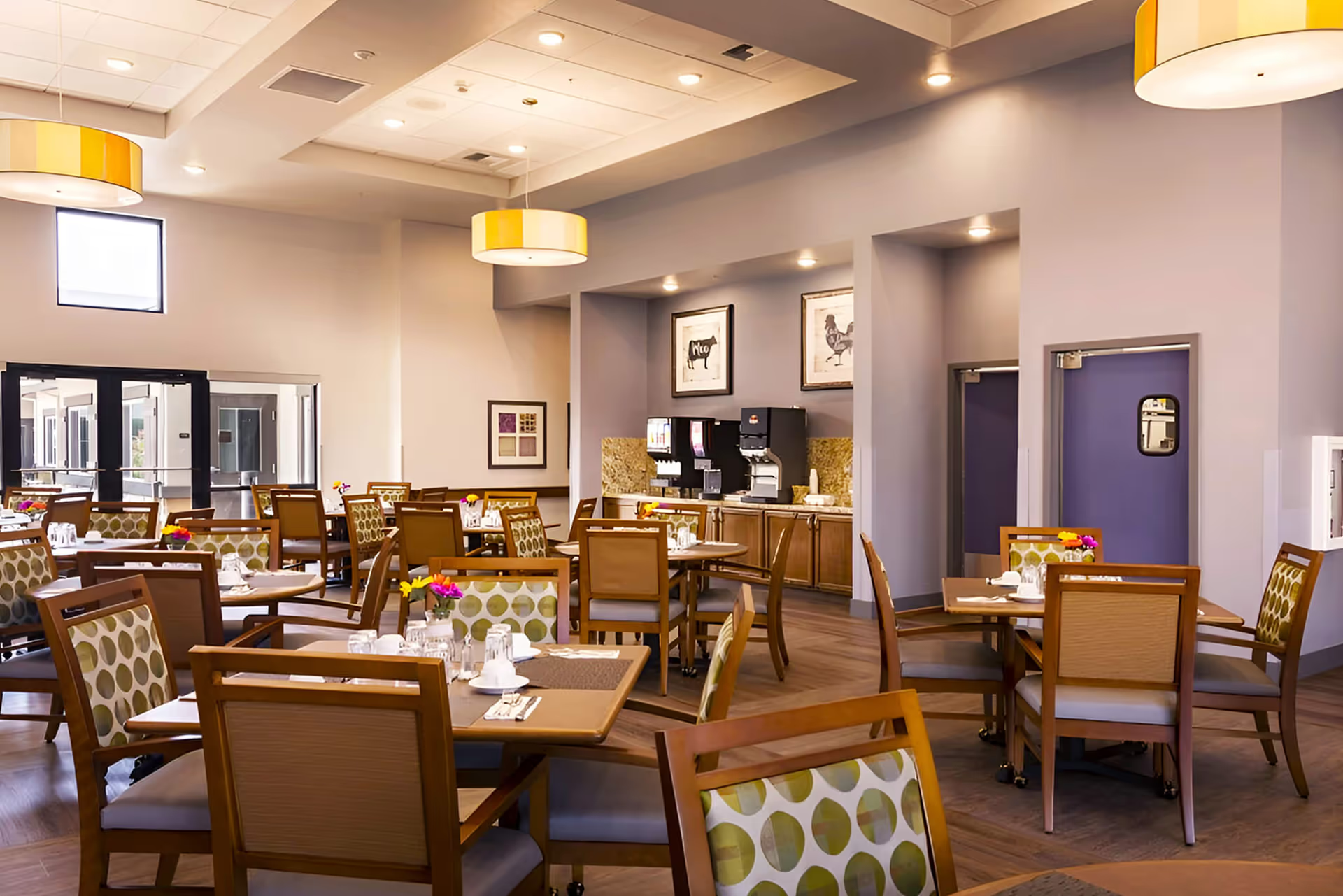
Sanitation and property-management issues appear repeatedly as well. Families raised sanitation concerns and odor concerns in some areas, inconsistencies in incontinence care, and cases of lost laundry or personal items. Dining experiences are mixed: some reviewers appreciate meals and nutrition-focused attention, while others cite inconsistent food quality, meal timing problems, and consequential weight loss or appetite decline in residents. Infection-control and PPE practices were described as inconsistent by several reviewers, with specific concerns voiced during COVID-related periods.
Staff performance is a major source of variability. Many reviewers singled out specific CNAs, nurses, and therapists for praise—describing them as compassionate, proactive, and skilled—while others reported rude or unprofessional conduct from different staff members and shifts. Weekend and shift-to-shift staffing variability was noted as an exacerbating factor. Therapy quality also varied: while some families described intensive, effective sessions, others felt therapy encounters were brief or insufficiently engaging.
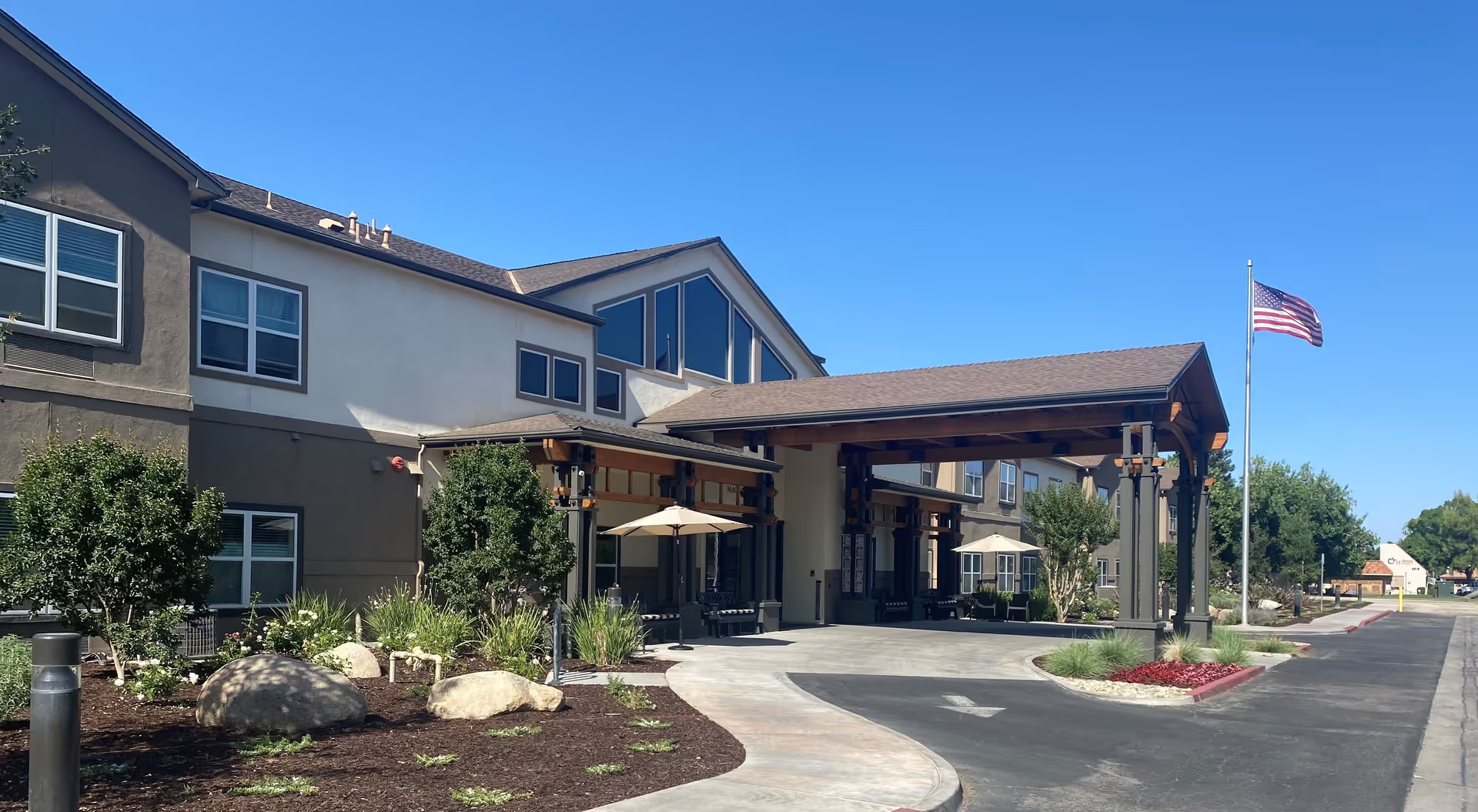
Management and transparency show both strengths and weaknesses. Some reviewers described responsive admissions and social services personnel and welcomed changes under newer management and a Providence Group association, noting visible renovations and improved processes. Conversely, others cited poor communication about clinical status, delayed test results, inadequate incident reporting, and concerns about whether placement decisions were financially motivated. A number of reviewers suggested the issues might warrant regulatory or external oversight.
In summary, San Joaquin offers clear strengths in rehabilitation, activities programming, and many committed frontline caregivers, and there are signs of facility investment and leadership improvement. However, prospective residents and families should be aware of recurring operational concerns: staffing consistency, call-response times, medication and clinical documentation practices, sanitation and property-management processes, and variable therapy intensity. When evaluating this facility, families may wish to tour both renovated and older units, ask about current staffing ratios and weekend coverage, review recent state inspection reports, confirm medication- and incident-reporting procedures, and inquire about laundry/property safeguards and infection-control protocols.