Overview: Reviews indicate a facility with a mixed performance profile where substantive recent improvements are visible alongside persistent operational weaknesses. Positive feedback often highlights interpersonal care, activities, and visible changes under new ownership or management. Negative feedback centers on basic operational reliability: responsiveness, sanitation, room sizing, and consistency of clinical processes.
Care and clinical operations: Many families praised nurses and certified nursing assistants for compassionate, attentive care, particularly on morning shifts and under specific staff members. At the same time, there are recurring concerns about inconsistent responsiveness to call buttons, delays in clinical tasks (for example, missed testing or slow attend-to times), and variability in medication-consent/administration practices. Staffing instability and morale issues are noted as contributing factors to uneven care delivery and occasional communication breakdowns with families.
Staff, culture, and communication: Several reviews describe friendly, welcoming, and family-like interactions from caregiving and housekeeping staff, and there are multiple references to individual staff members and administrators who positively influence the resident experience. Conversely, other accounts describe curt communication, inattentive front-desk interactions, and periods when staff appeared overburdened or insufficiently trained. These mixed impressions suggest variability in staff conduct and training across shifts and roles.
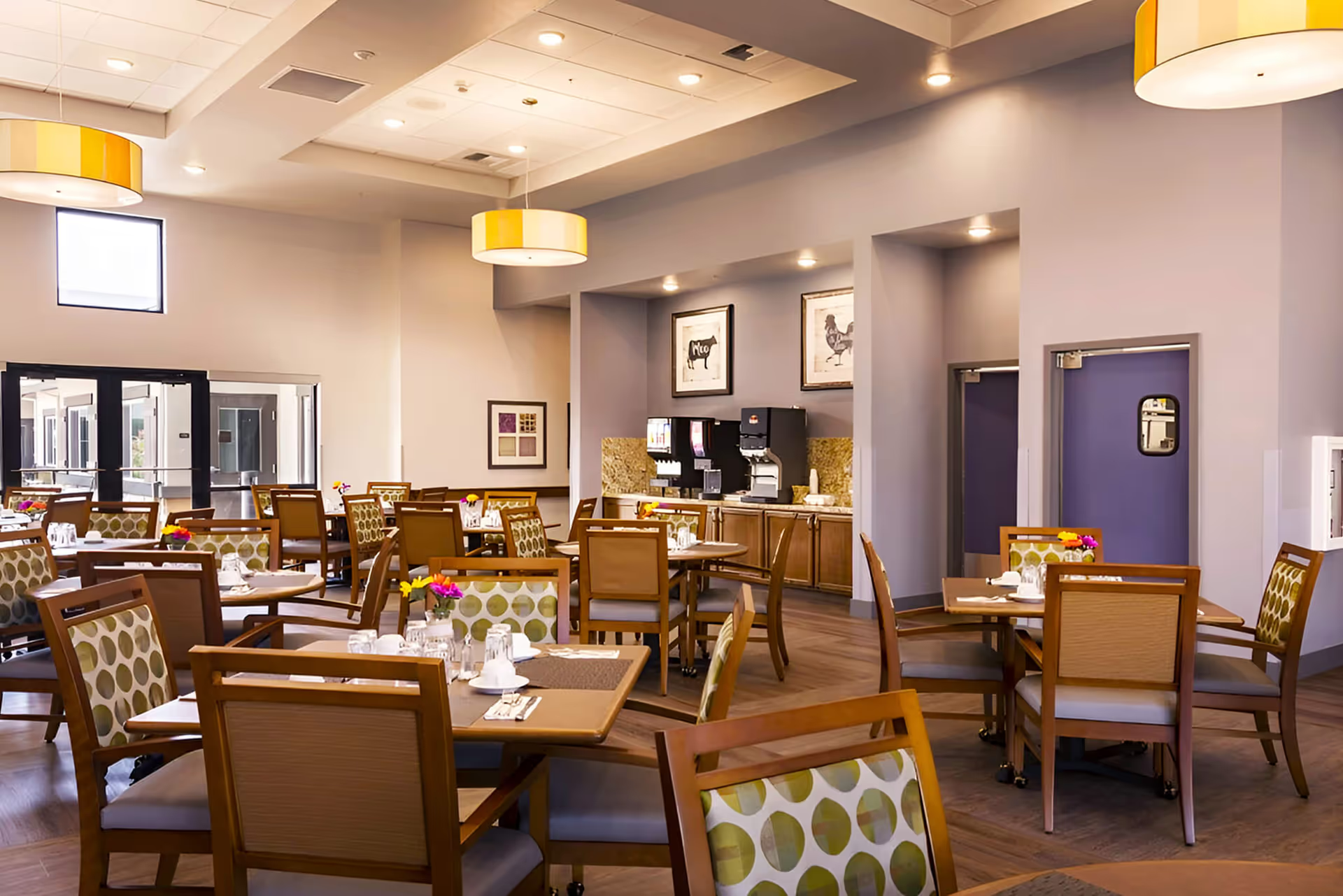
Dining and activities: The activities department receives strong, consistent praise for engagement and resident enjoyment. The kitchen is frequently noted for accommodating dietary needs and improving under new management, though meal quality and service consistency are uneven in other accounts. Prospective residents should expect a robust activities program but variable dining experiences depending on timing and ongoing management changes.
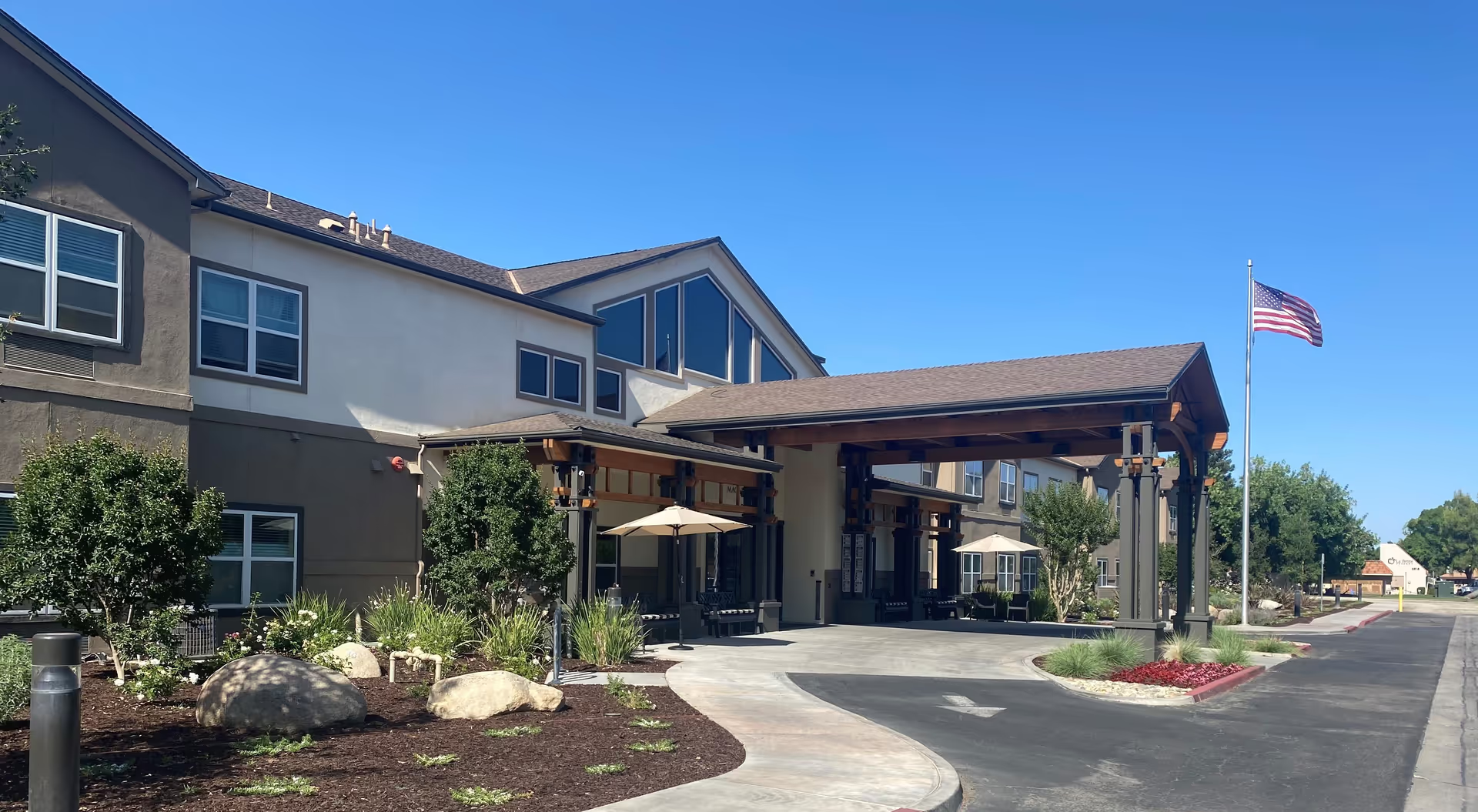
Facilities, cleanliness, and safety: Reports point to meaningful cleanliness improvements associated with recent management and housekeeping efforts; however, sanitation and odor concerns in certain areas remain a recurrent theme. Pest-control issues and general facility-condition concerns (including small, poorly lit or overcrowded rooms in some units) were raised in other accounts. There is also mention of past significant remedial work and regulatory attention, indicating that facility condition and compliance have been areas of concern historically.
Management, admissions, and policies: New ownership, active management, and staff training initiatives are cited as driving positive change, including remodeling and improved oversight. Yet there are consistent concerns about unclear marketing and admissions messaging—specifically about the facility’s clinical focus and what level of service to expect—as well as inconsistent billing/insurance practices. Some reviews reference property-security gaps and allegations of personal-item loss; combined with communication inconsistencies, these issues point to administrative process weaknesses that families should clarify before admission.
Notable patterns and guidance for families: The dominant pattern is contrast: clear improvements tied to leadership changes and engaged staff coexist with legacy operational problems that have not been fully resolved. Prospective residents and families should (1) tour rooms at different times of day to assess room size, lighting, and communal-area conditions; (2) meet nursing leadership to review staffing levels, call-response practices, and medication-consent protocols; (3) ask for written clarification of the facility’s clinical focus and payment/insurance policies; and (4) inquire about pest-control, sanitation schedules, and recent remediation or regulatory history. These targeted questions can help families weigh the demonstrated interpersonal strengths against the operational risks that remain.