Overall impression: Feedback about Sundance Creek Post Acute is mixed but leans positive, with many families and former residents praising the facility’s clinical strengths and the personal attention provided by frontline caregivers. Commonly highlighted positives include compassionate nursing and aide care, a strong therapy program that supports measurable rehabilitation progress, individualized care plans, and coordinated communication with families. The facility’s physical environment is frequently described as clean, comfortable, and home‑like, and administrative staff are often characterized as accessible and supportive.
Care and staff: A dominant theme is that direct‑care staff — CNAs, LVNs, therapists, and many nurses — are caring, professional, and invested in resident recovery and comfort. Reviewers often cite attentive nursing, timely treatments, and therapists who are patient and encouraging. At the same time, there is notable variability in clinical performance: several accounts describe delays or omissions in medication administration, slow response times for call lights, and uneven attention to clinical follow‑through (for example, wound care or coordination of specialty treatments). These patterns suggest that while many shifts run with high competency, staffing consistency and responsiveness can be uneven.
Dining and activities: The dining program is generally viewed positively; the dietary team is credited with accommodating special nutritional needs and offering tailored meals. A minority of comments mention palatability issues, indicating occasional variability in meal quality. Activity and recreation offerings receive consistent praise for being engaging and contributing to a comfortable, family‑like atmosphere that supports resident wellbeing.
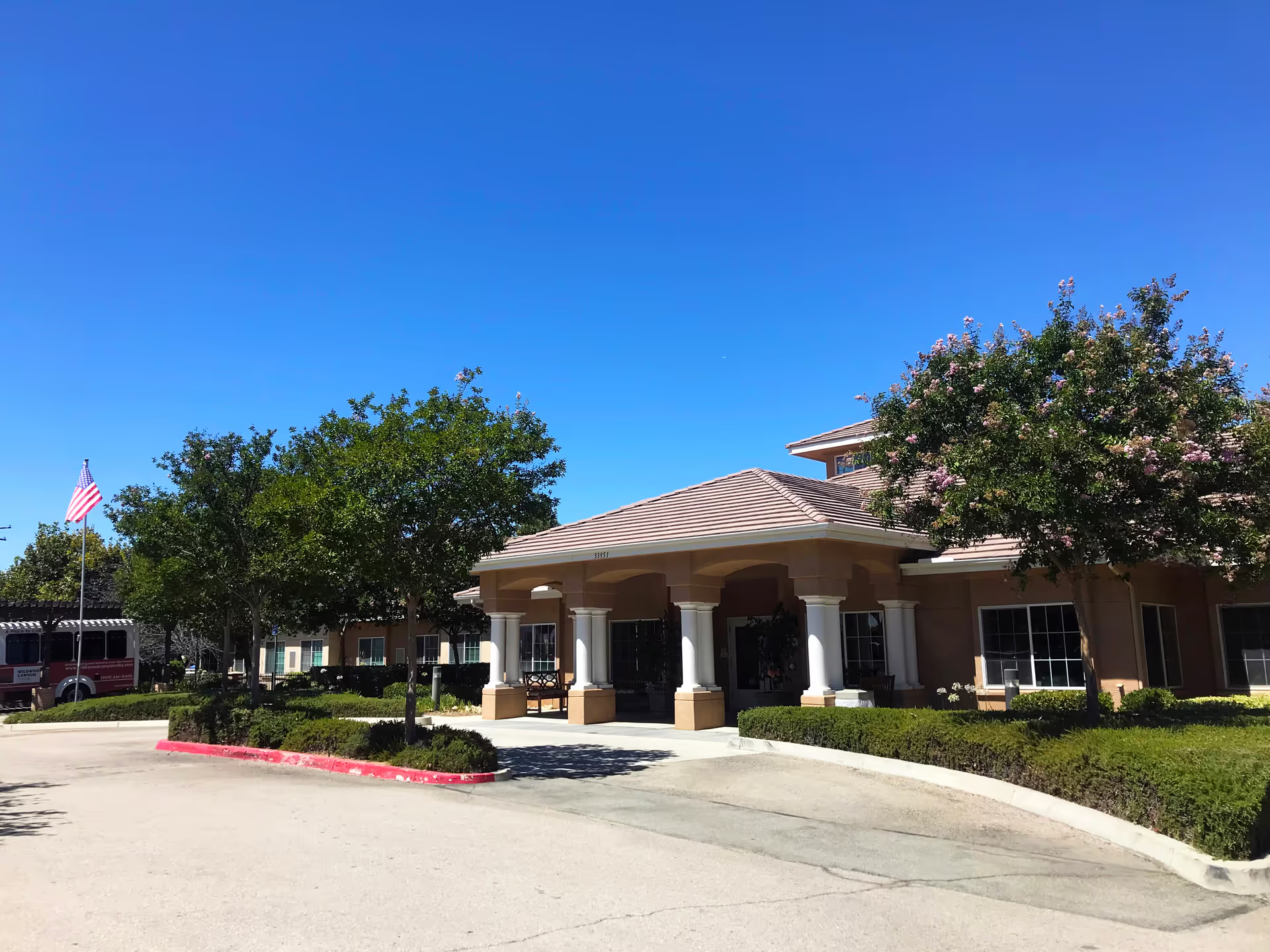
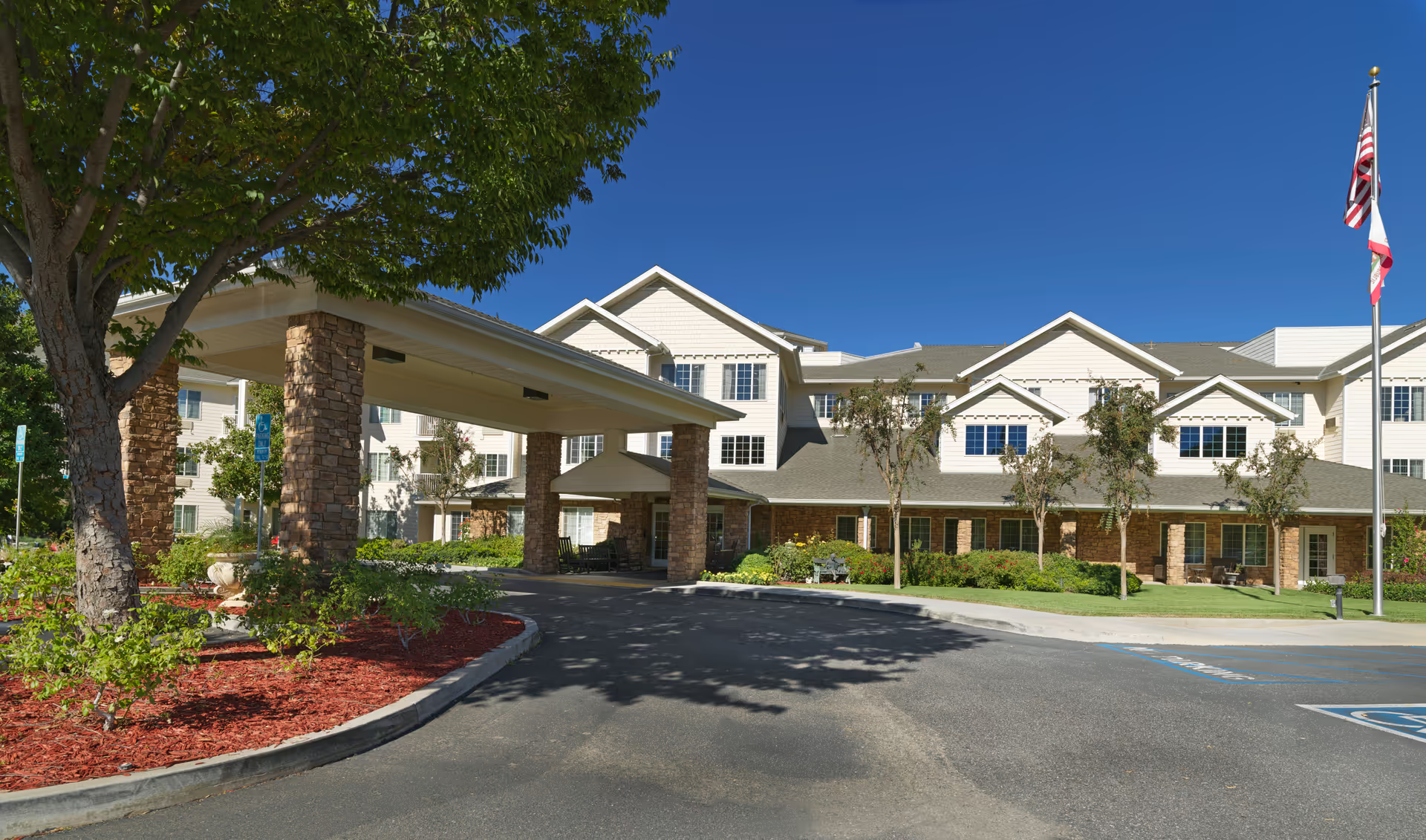
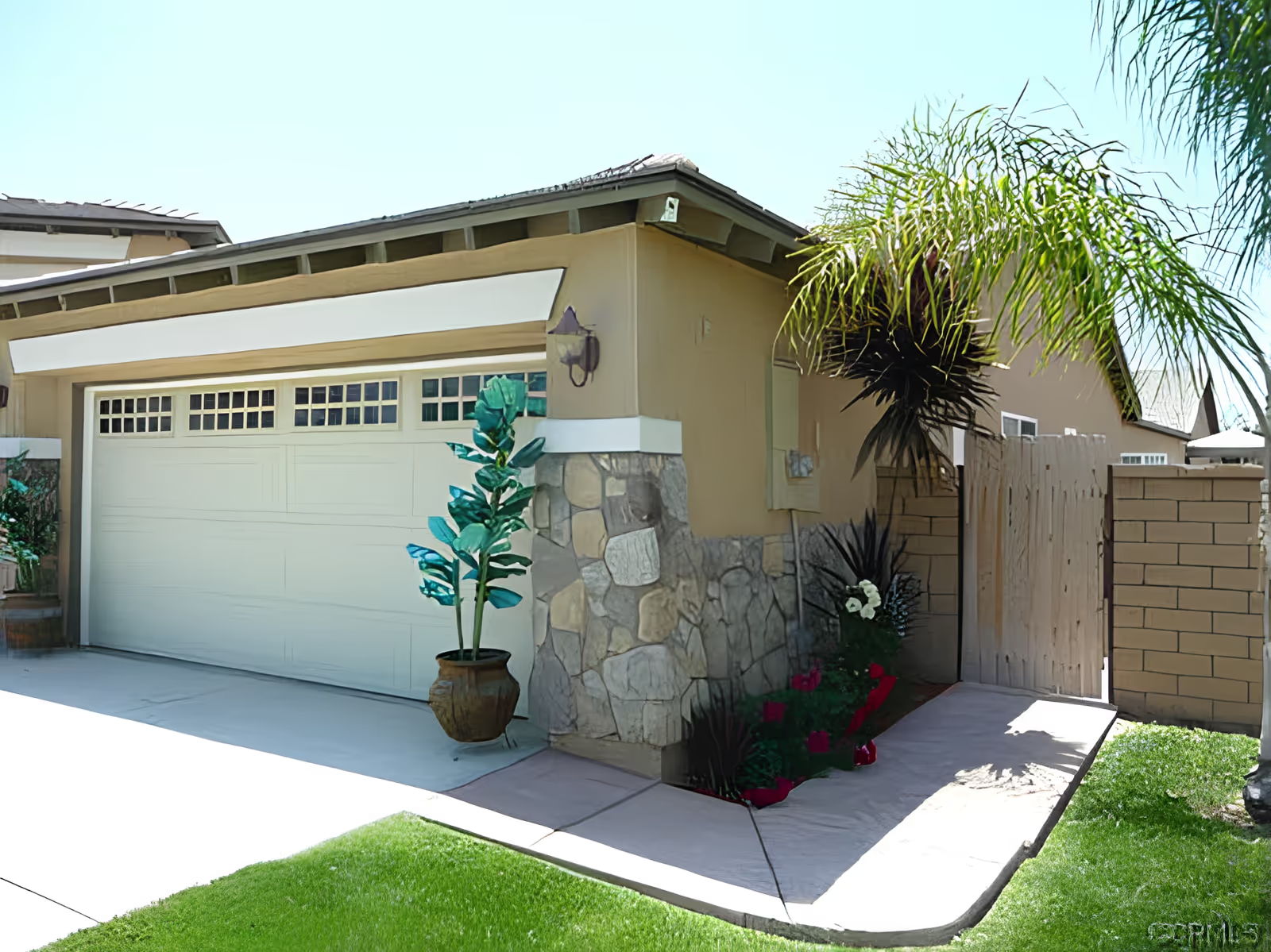
Facilities and cleanliness: Many reviewers describe the building as well‑maintained, clean, and peaceful, with spacious, comfortable rooms and a home‑like atmosphere. However, there are intermittent sanitation and odor concerns reported in some areas, which align with other operational complaints and may be linked to staffing or housekeeping coordination on particular shifts.
Management and operations: Administrative leadership is often described as accessible and supportive, and several families appreciated clear communication and discharge planning resources. Conversely, there are recurring comments about organizational weaknesses: inconsistent paperwork management, perceived underappreciation of frontline staff by management, and uneven supervision that appears to contribute to service lapses. Staffing instability and potential understaffing emerge as cross‑cutting operational issues tied to delayed assistance and inconsistent care delivery. A few serious individual accounts include allegations regarding inappropriate medication use and missed specialty treatments; these are not the norm in the broader feedback but warrant attention given their severity.
Notable patterns and takeaway: Sundance Creek appears to deliver high‑quality, rehabilitative care for many residents, driven by a core of dedicated clinical staff and therapists and supported by a pleasant physical environment. That positive picture is tempered by recurrent operational issues — chiefly inconsistent medication administration, variable responsiveness, sanitation concerns in some areas, and organizational gaps — which create a polarized set of experiences. Prospective residents and families should weigh the facility’s strong therapy and compassionate staff against the potential for variability in daily responsiveness and clinical follow‑through; when possible, ask about current staffing levels, medication-safety practices, and housekeeping protocols during a tour or care‑planning conversation.