Holy Hill Home Care East appears to be a small, family-run residential care home that emphasizes individualized, relationship-based care. Families consistently describe caregivers as compassionate and advocacy-oriented; staff are characterized as attentive, loving, and willing to create a family-like daily routine. Several accounts highlight meaningful interpersonal connections, including intergenerational interaction within the household, and note that residents experienced improved mood and reduced medication needs under this model.
Clinical and personal-care patterns emphasize personalized attention. Caregivers are described as taking an active advocacy role for residents and maintaining close communication with families. The home provides meaningful daily tasks and household chores that some residents found purposeful. Reviewers specifically identified strong end-of-life support and follow-up contact with families after a resident’s death, which contributed to family relief and trust in the facility.
Facility layout and amenities reflect a small-house, home-style environment. Interior areas are described as clean, uncluttered and roomy for a house setting, with an open living area, a large TV room, and an adjacent kitchen that support informal socialization and home-style routines. Bathroom arrangements appear to be shared but include individual fixtures in some configurations. There is limited commentary about formal dining services or a structured activity program beyond household engagement; the environment seems focused on homelike routines rather than institutional programming.
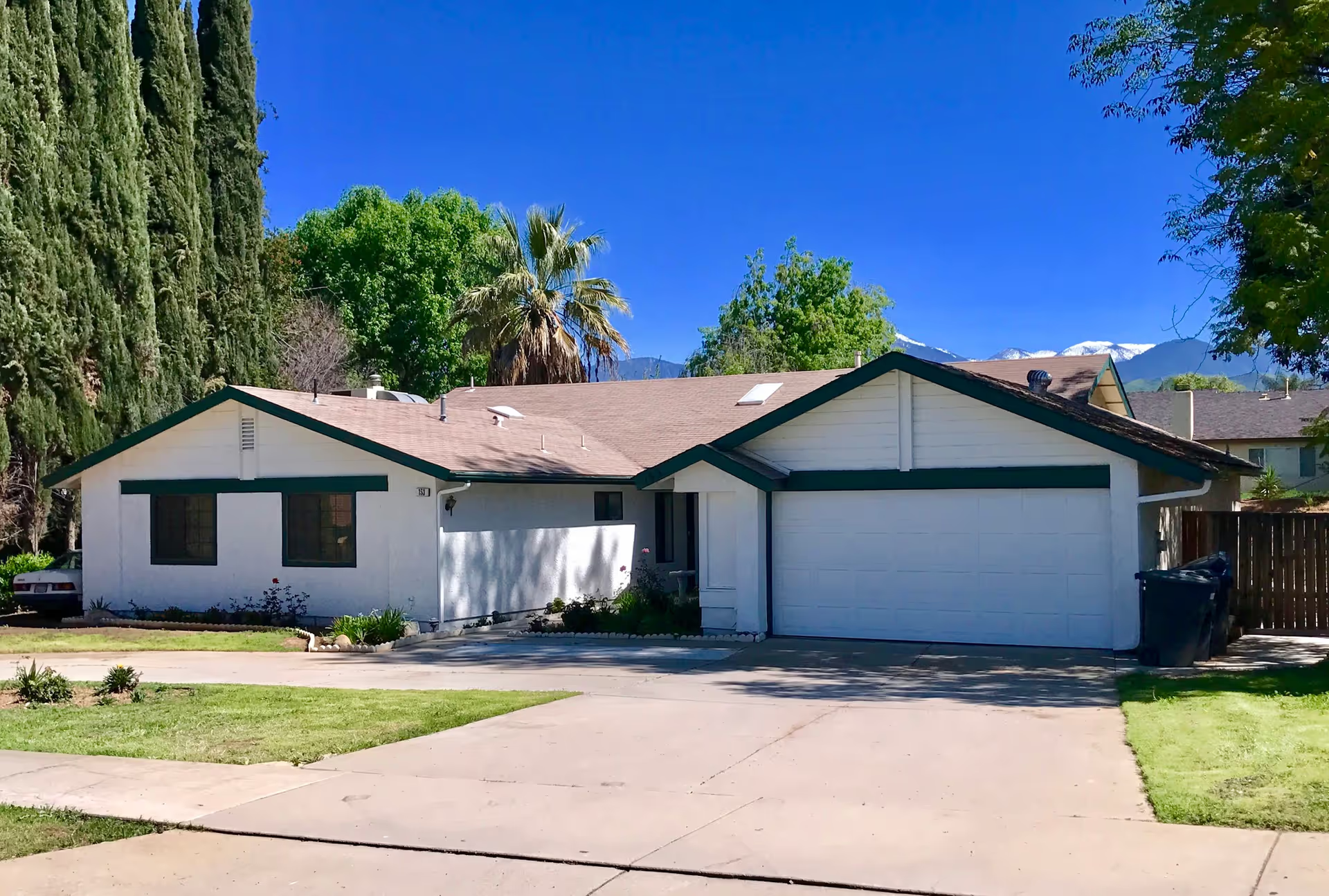
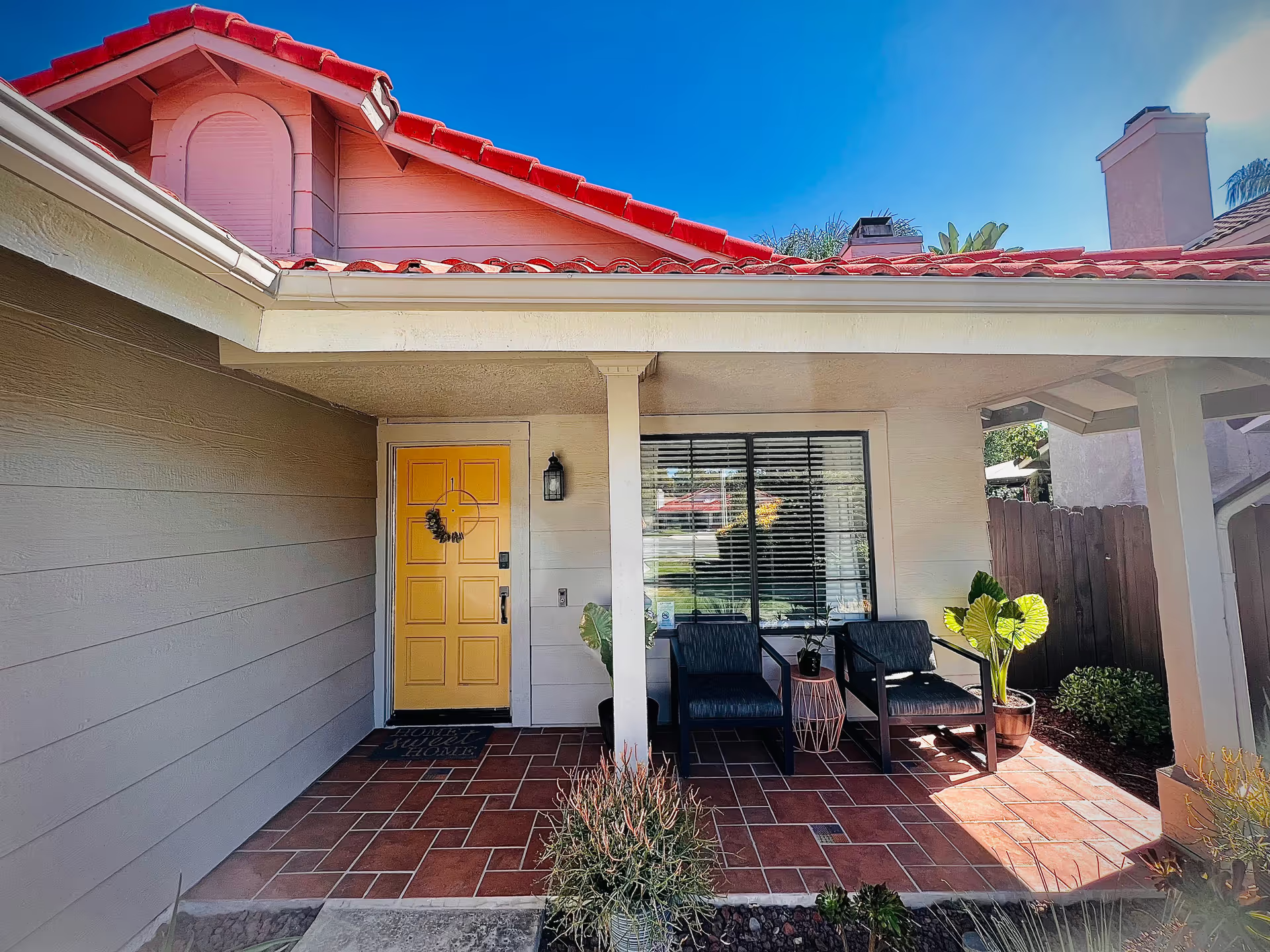
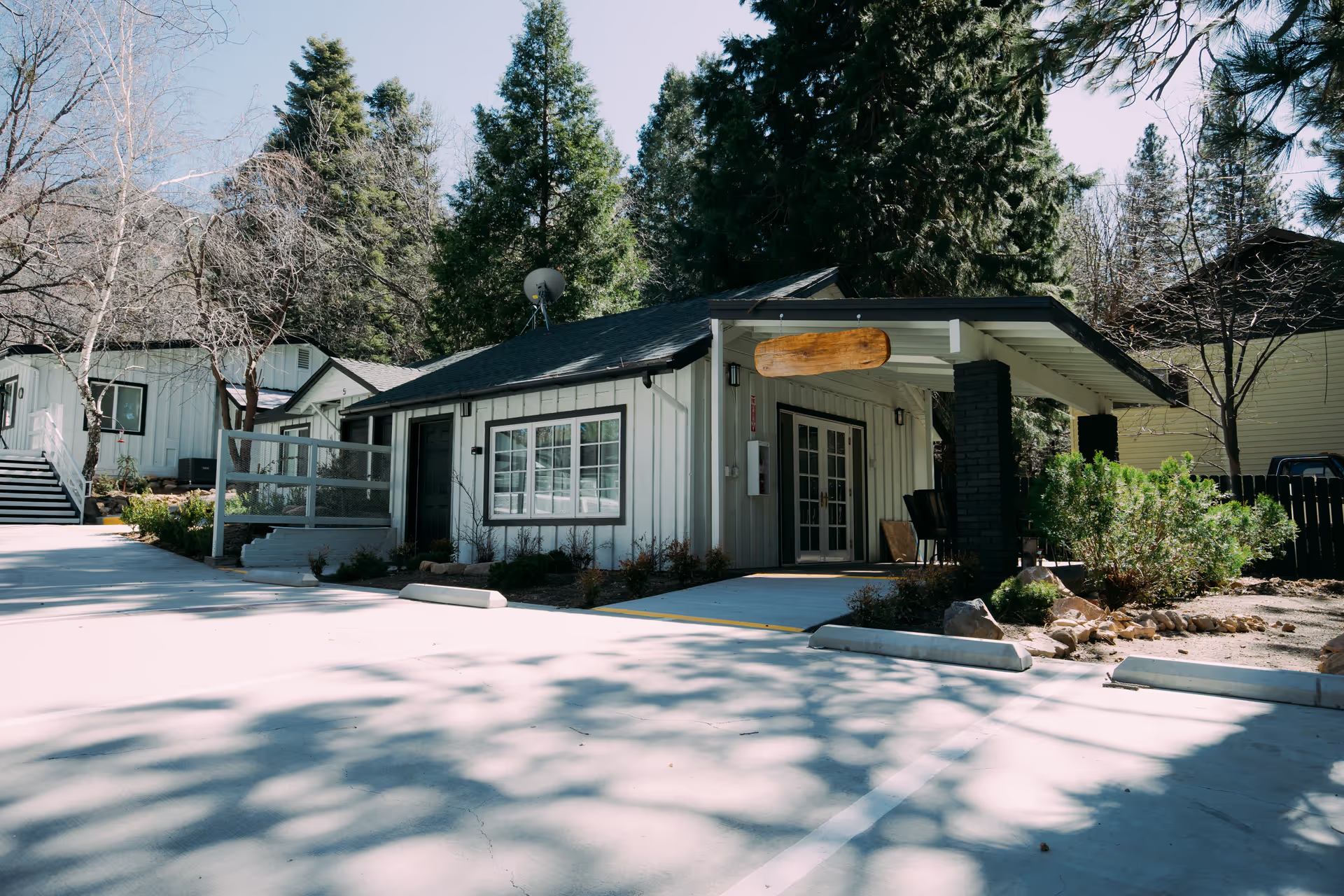
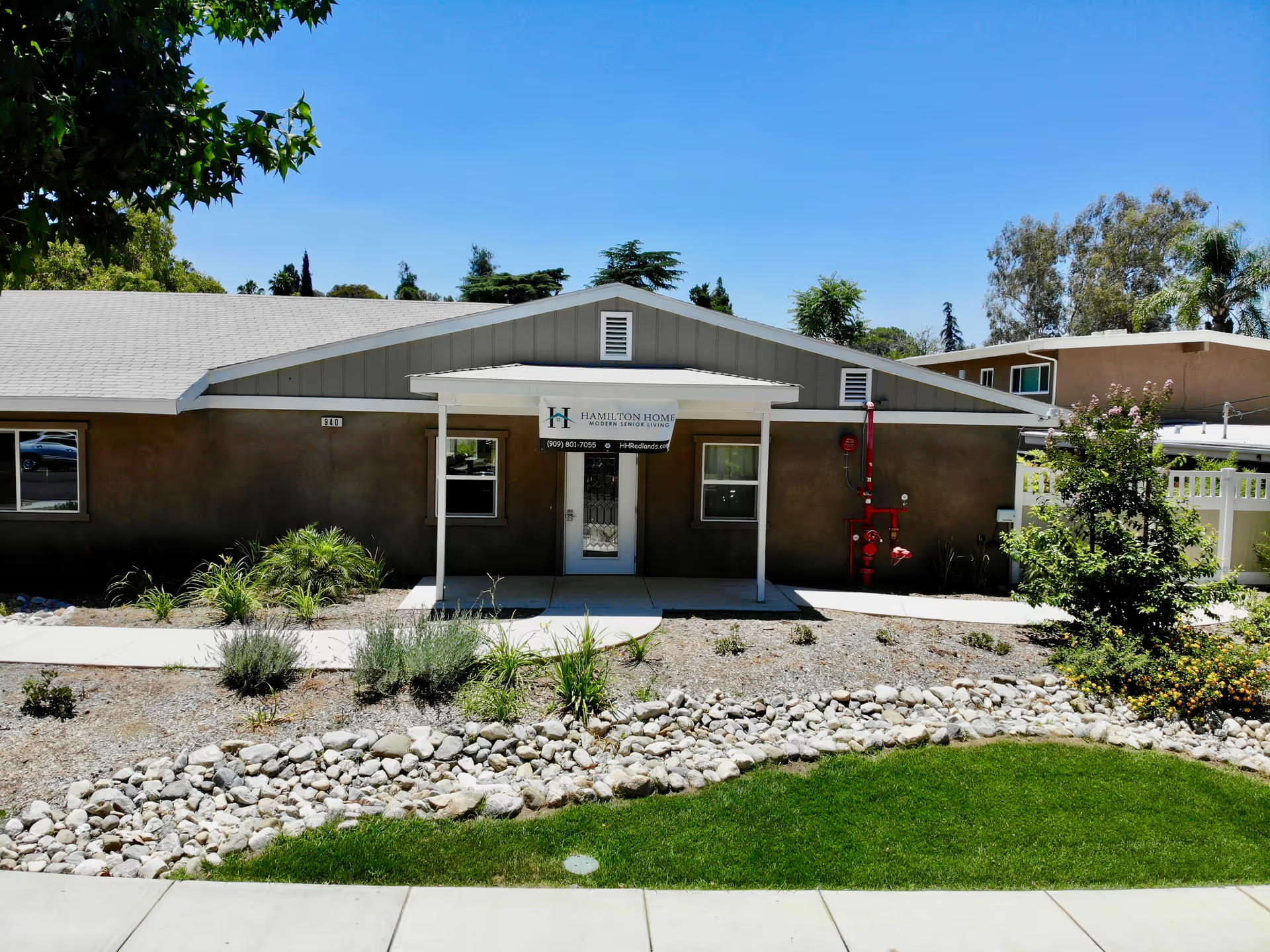
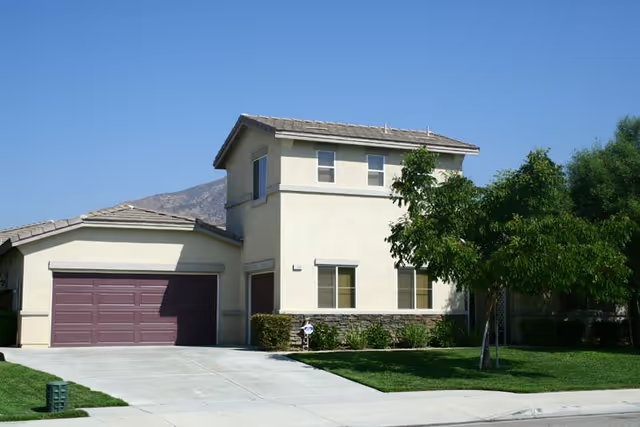
Management is hands-on and owner-operated, with the owner/operator described as open and friendly. The small, single-house scale supports consistent staffing and close family involvement, which many families found reassuring. That scale also creates operational constraints: room sizes are small, bed capacity is limited, and the facility’s exterior was noted as not particularly inviting. The family-run model may limit access to external staffing backup or broader clinical resources that larger providers typically maintain.
Notable patterns for prospective residents and families: this facility is best suited for people who will benefit from close, personalized caregiving in a household setting and who value family integration and continuity of caregivers. Those requiring larger private rooms, more extensive on-site clinical services, or a facility with greater capacity should weigh the trade-offs inherent in a small, single-house operation. Overall, feedback points to strong relational care and meaningful end-of-life support, paired with physical-plant and capacity limitations common to small home-based providers.