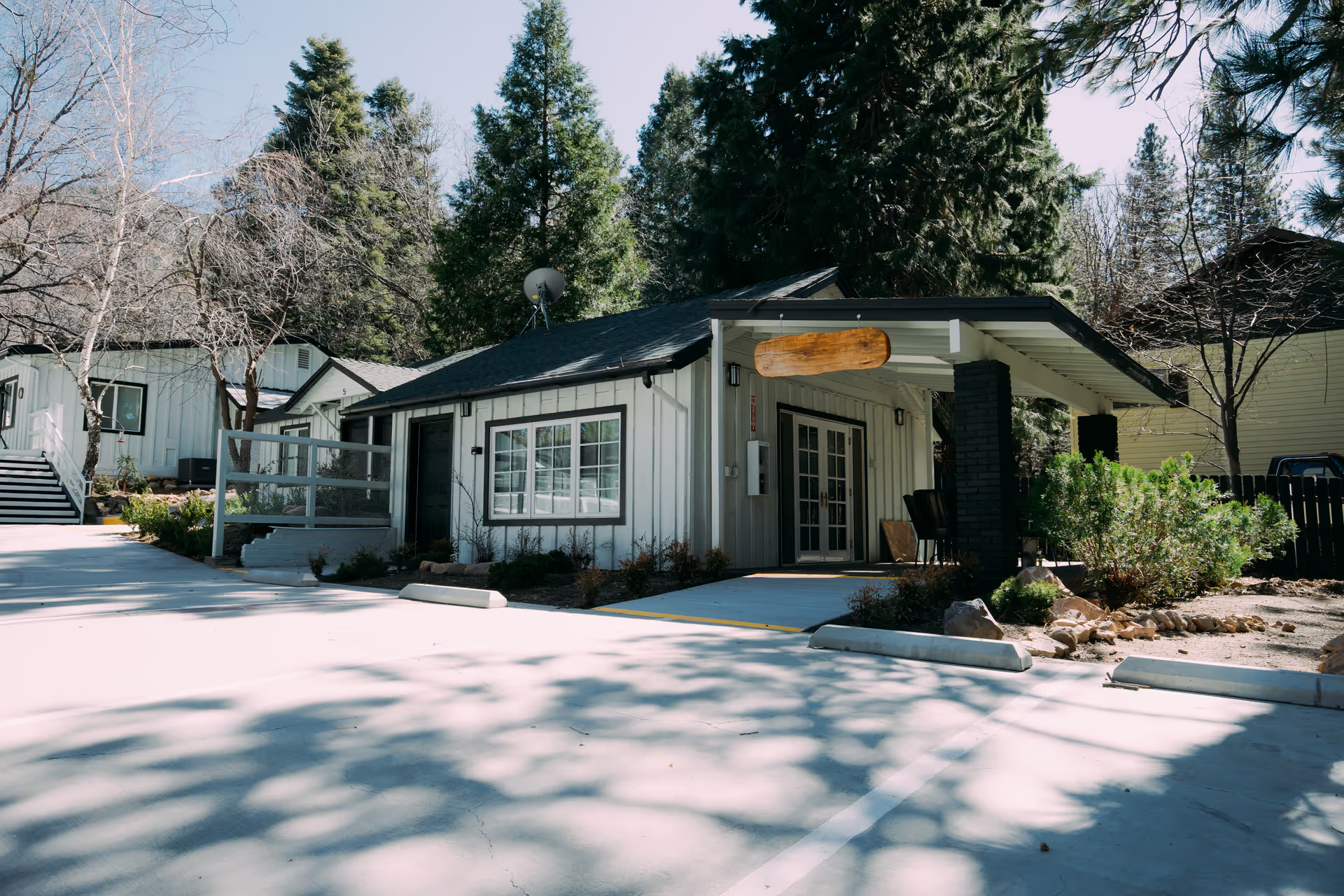
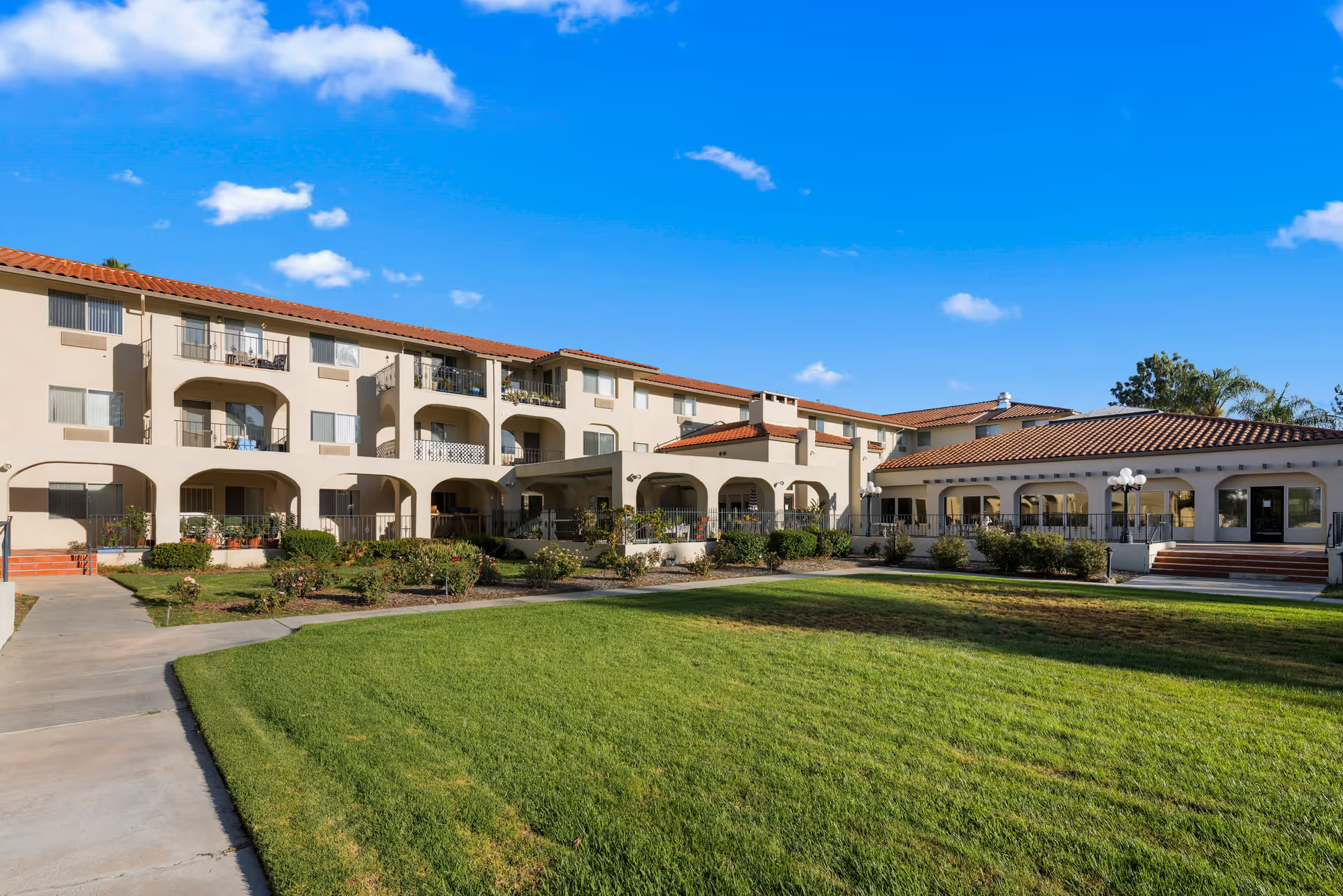
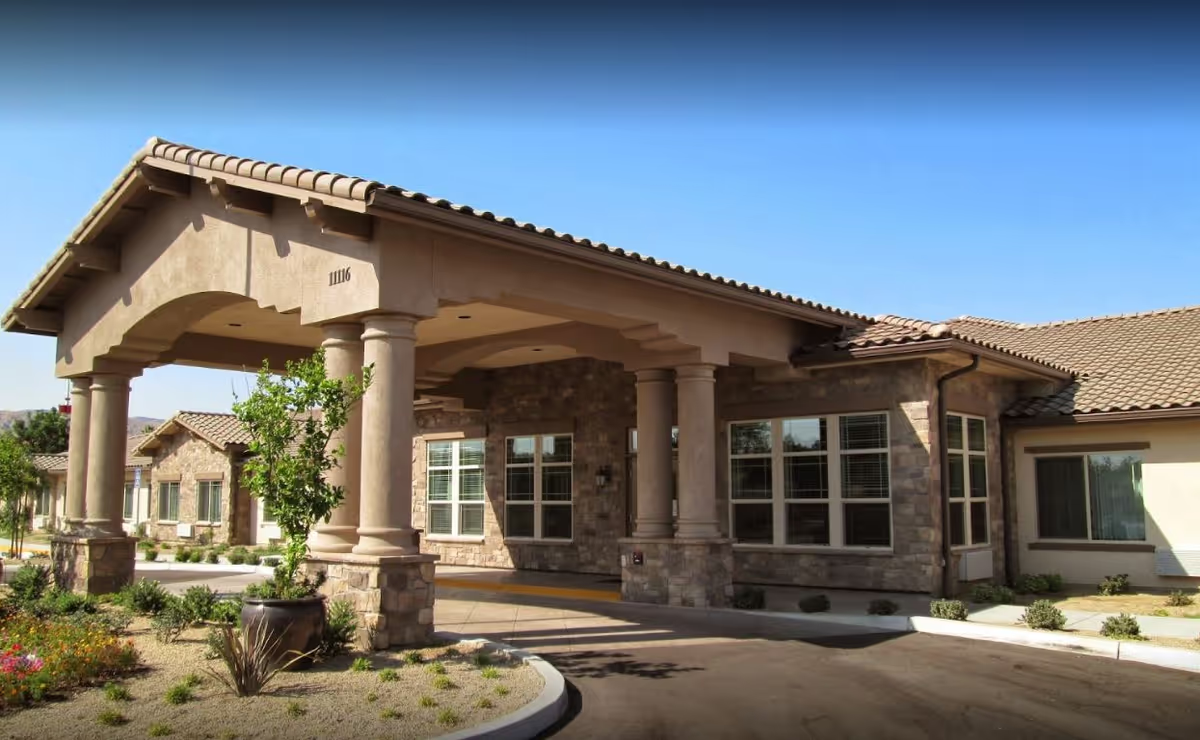
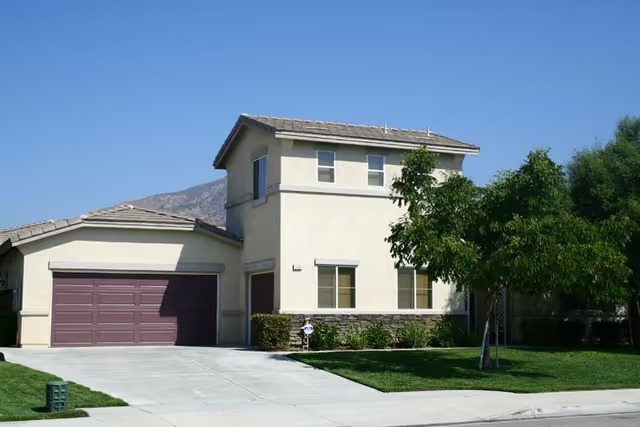
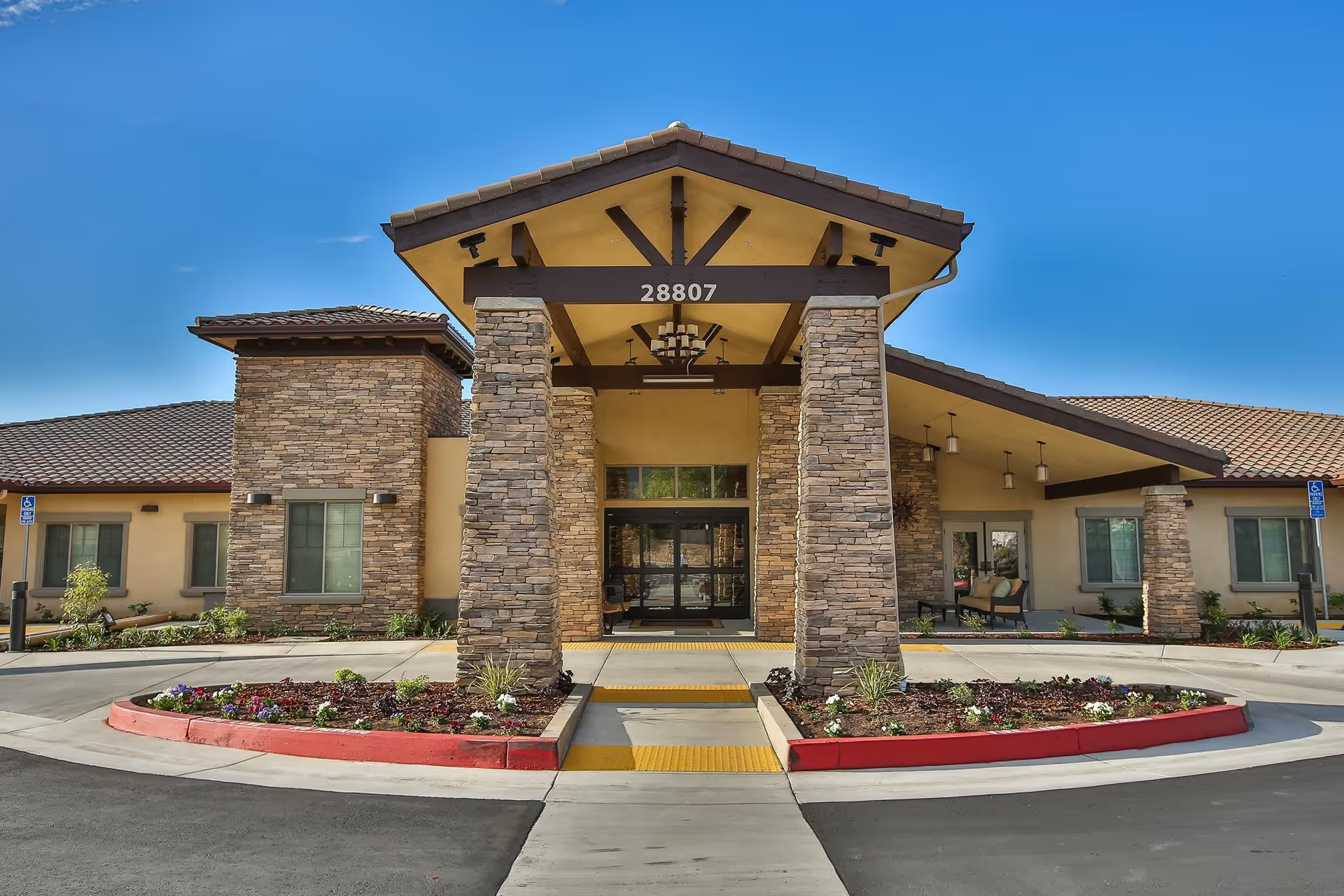
Overview: The Hills of Stillman is consistently described as a small, home-like assisted living community with an emphasis on personal attention and a family atmosphere. Reviewers highlight compassionate and communicative staff, modest but clean facilities, and a management team that maintains frequent communication with families. The setting—adjacent to a park and allowing pets—supports a homelike lifestyle and regular social contact.
Care and staff: Care quality is characterized by attentive, person-centered interactions. Staff are repeatedly described as patient, respectful, and responsive to changes in residents’ needs, with an administrative team portrayed as capable and welcoming. Many reviewers cited strong communication between staff and families and named leadership positively, which suggests consistent supervisory involvement. At the same time, reviewers indicate the community is intimate in scale; that model supports close relationships but limits on-site clinical depth for residents who require more complex medical oversight.
Dining and daily life: Meals are described as home-style and comforting, and communal family events have been a feature of life at the facility. The community offers both private and shared-room options and a basic lifestyle that centers on daily social activities—music, crafts, exercise—and outdoor access to a nearby park. During the pandemic the facility implemented safety measures while maintaining ongoing programming and some family-oriented events.
Activities and accessibility: Social programming is an asset, with multiple references to organized activities and a welcoming communal culture. However, there are indications that activity participation may not be fully accessible for residents with higher care needs or limited mobility. Prospective families should clarify how programs are adapted for varying cognitive and physical abilities before choosing placement.
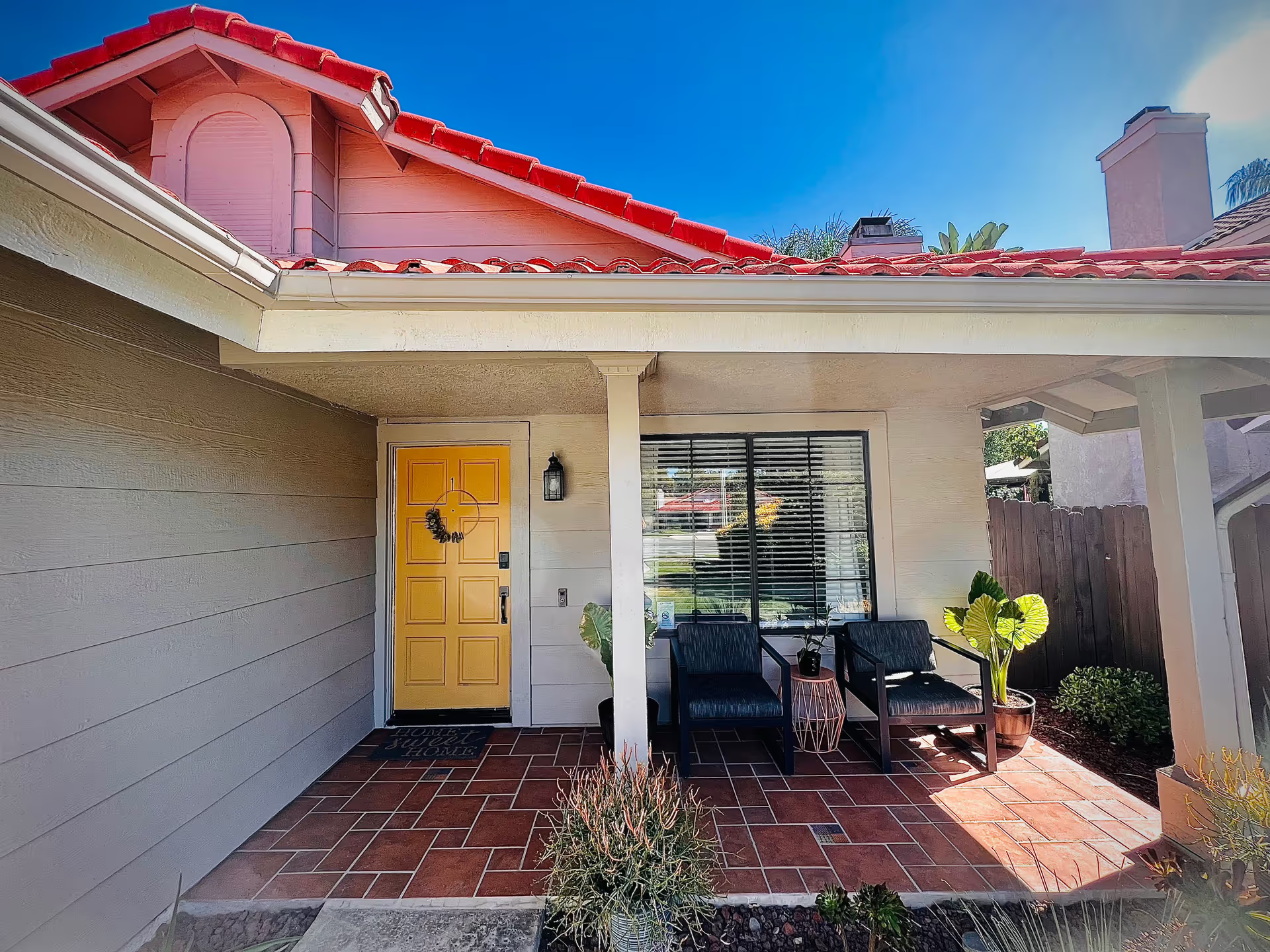
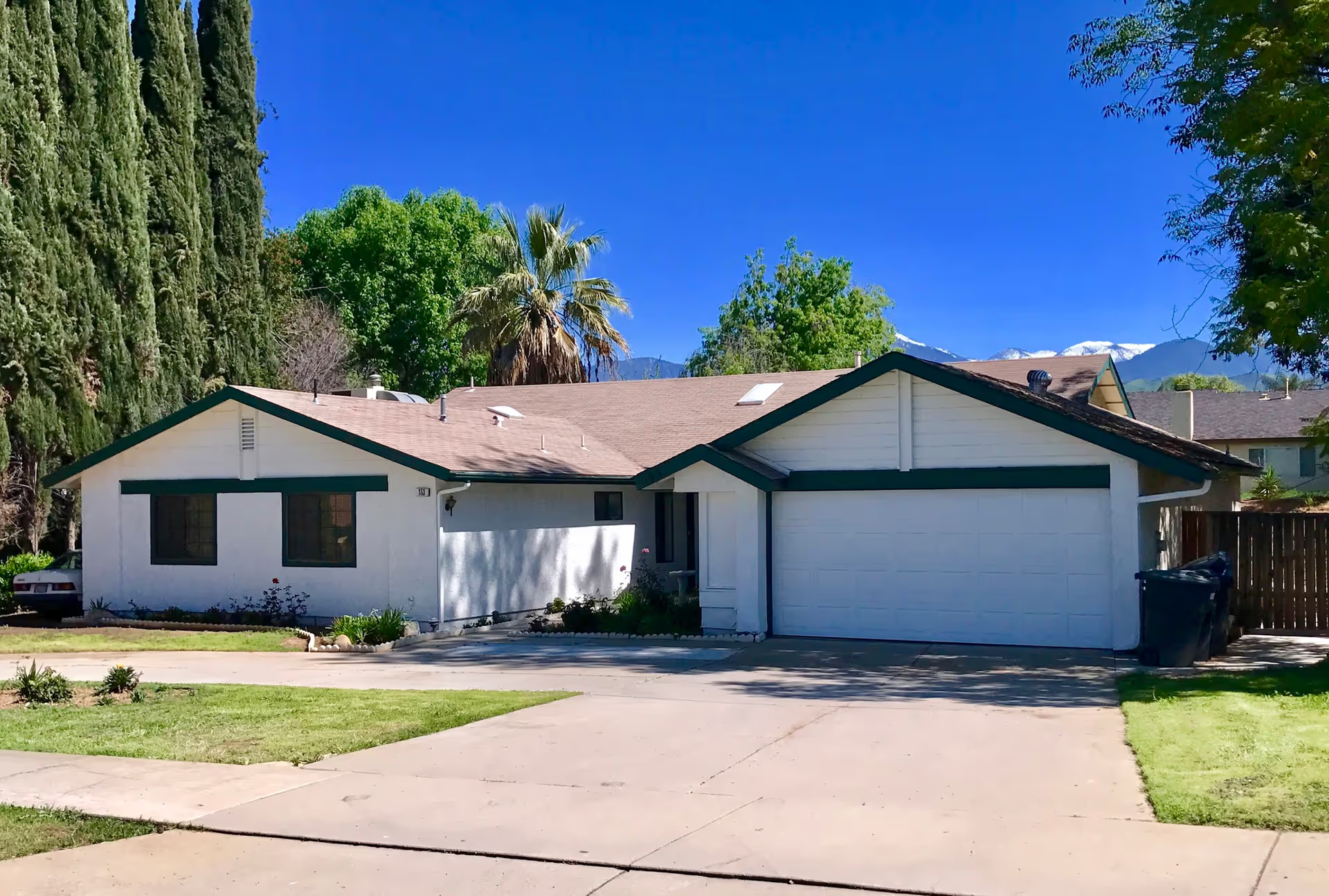
Facilities and operations: The Hills is noted for its tidy, home-like interior and small resident population, which supports personalized attention. The small scale is a double-edged feature: it creates intimacy and strong relationships but also limits the breadth of on-site services and amenities compared with larger communities. The facility accommodates pets and maintains flexible visitation, which families often find favorable.
Notable patterns and cautions: A serious historical incident is referenced in the review set; reviewers frame it as a past issue that they believe is not reflective of current staff or management. Because that legacy can influence family trust, prospective residents and families may wish to ask about past corrective actions, current staff training, and regulatory history. Additionally, the community appears less suitable for residents with rapidly escalating clinical needs or those who require skilled nursing-level care—families should assess transfer protocols and hospice integration if higher-acuity care is anticipated. Finally, some reviewers noted limited publicly available detail about current routines and operational specifics; an in-person visit and direct questions about daily schedules, staffing ratios, and care plans will help fill those gaps.
Bottom line: The Hills of Stillman presents as a well-maintained, small-scale assisted living option with strong interpersonal care, active social life, and engaged management. It is likely a good fit for people who prioritize a home-like atmosphere, close staff relationships, and community activities. Families seeking extensive medical services or a broader range of on-site clinical capabilities should evaluate whether the community’s scope meets those needs and ask targeted questions about accessibility, acuity limits, and the facility’s responses to historical concerns.