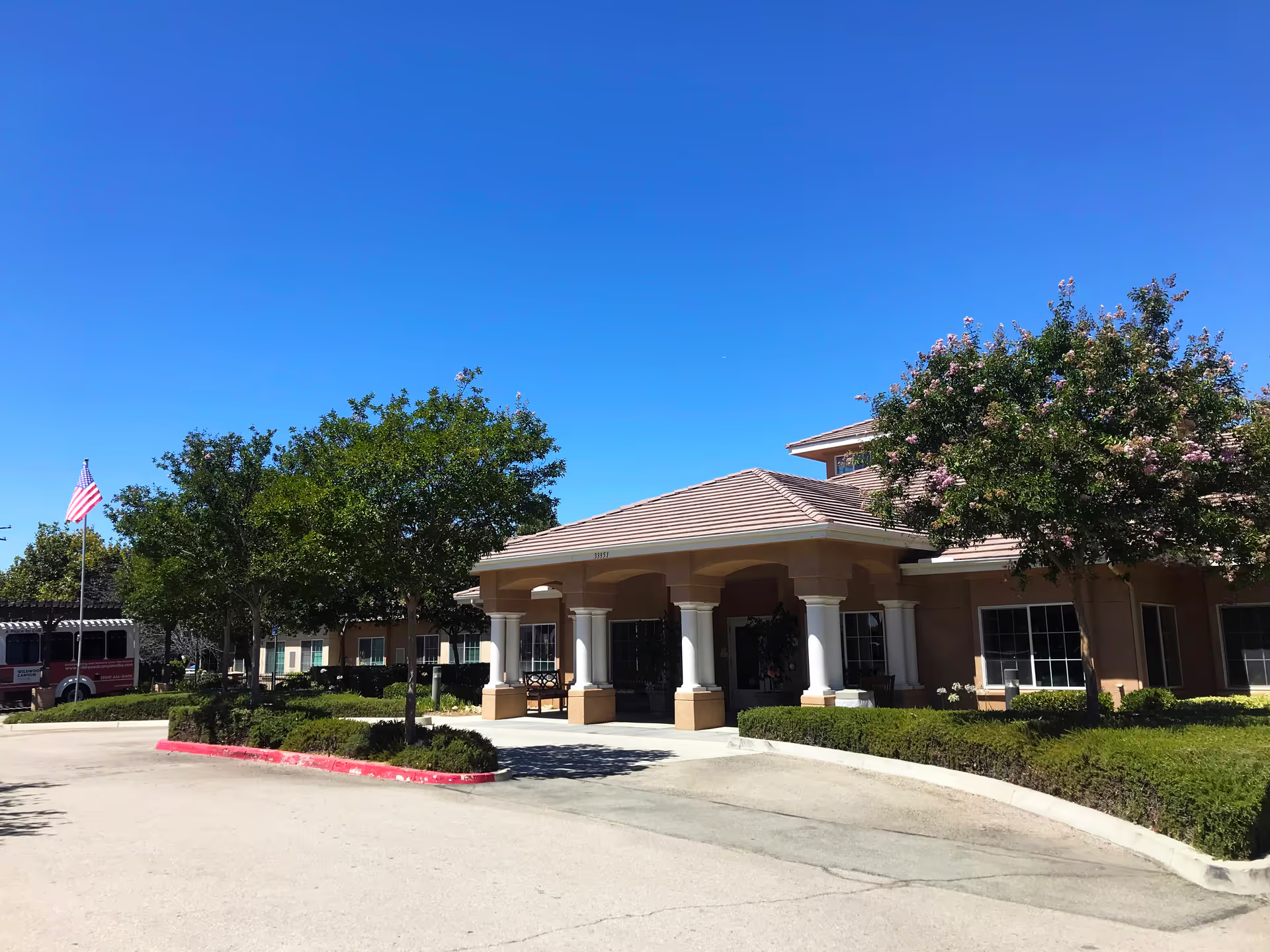
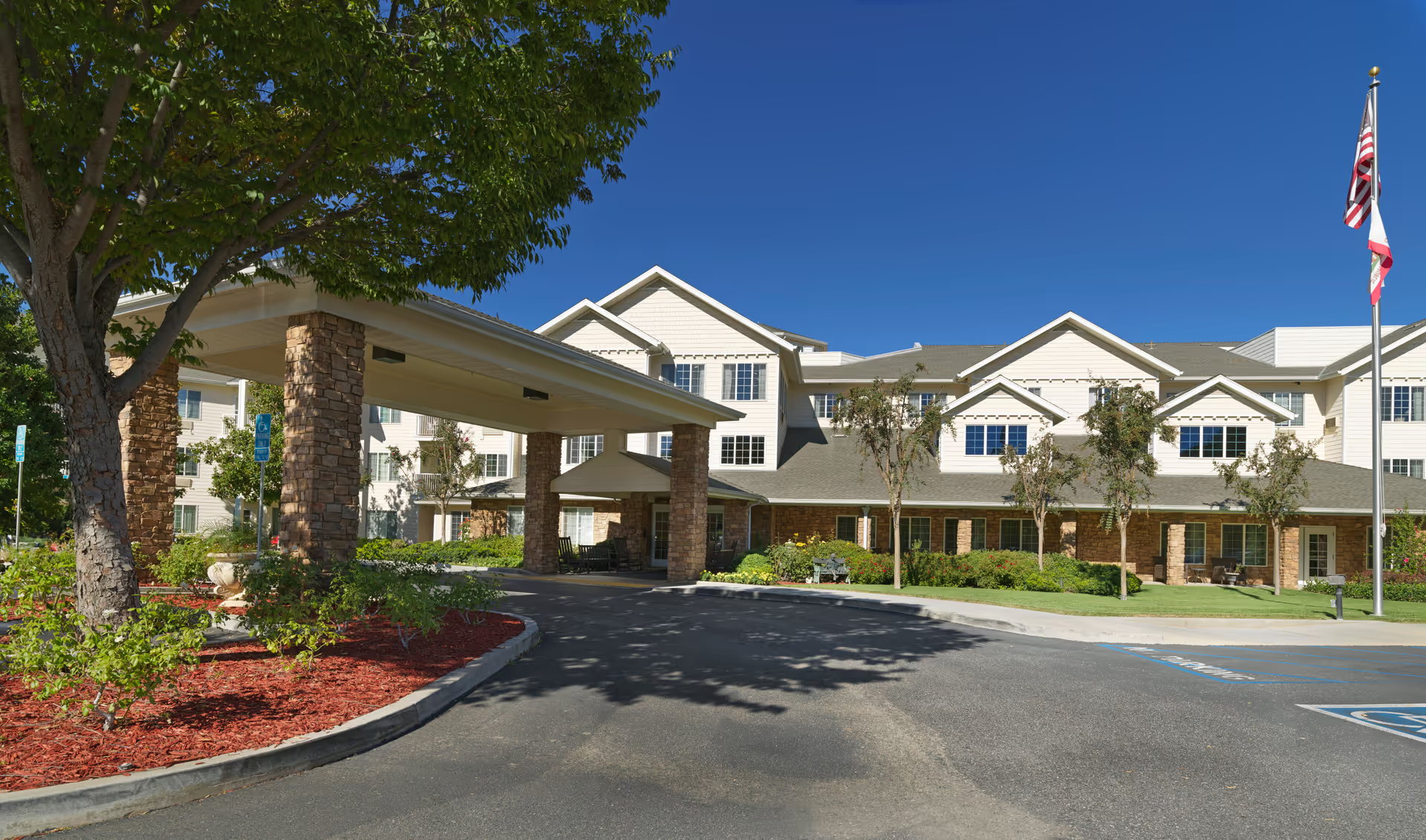
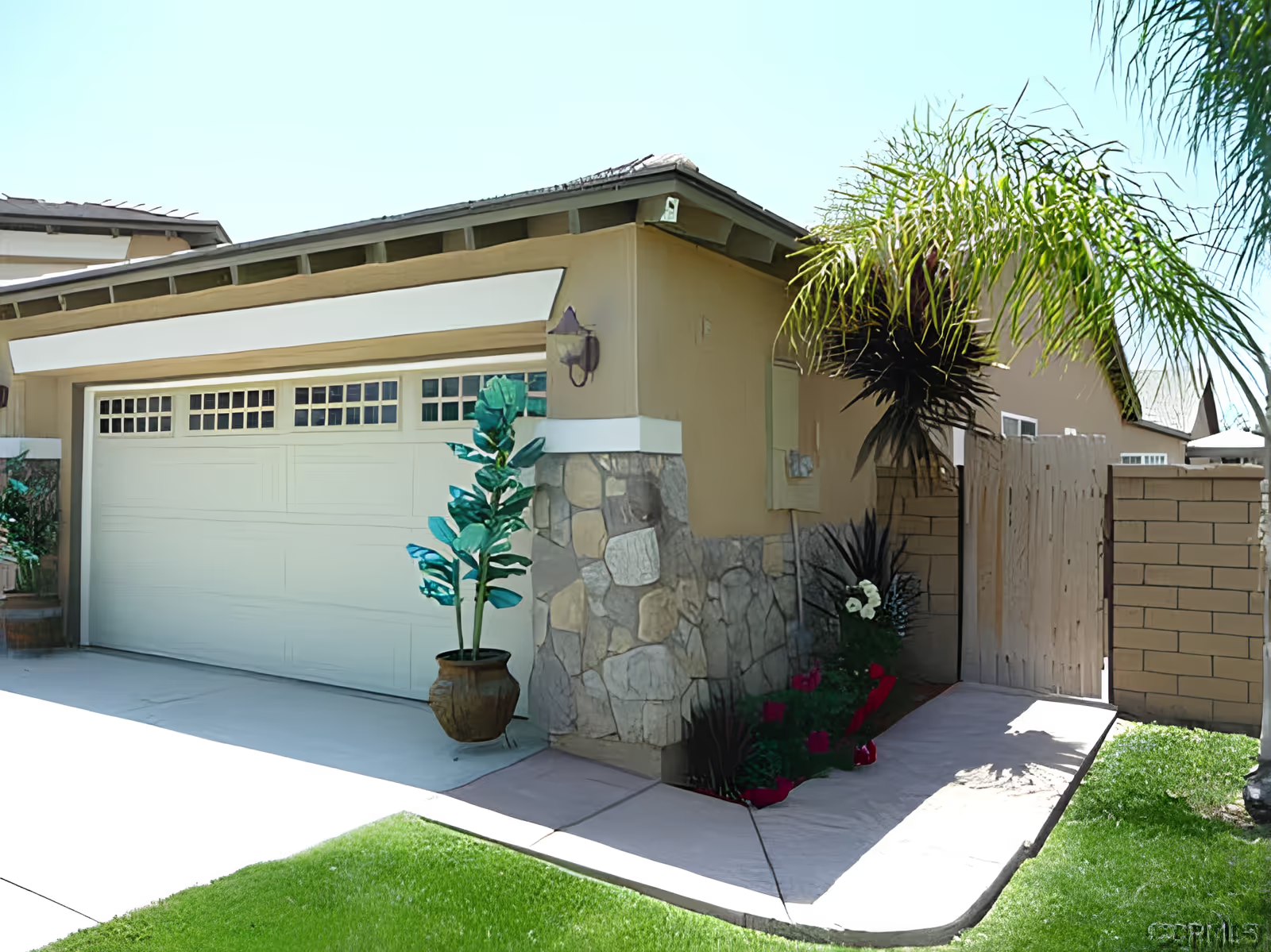
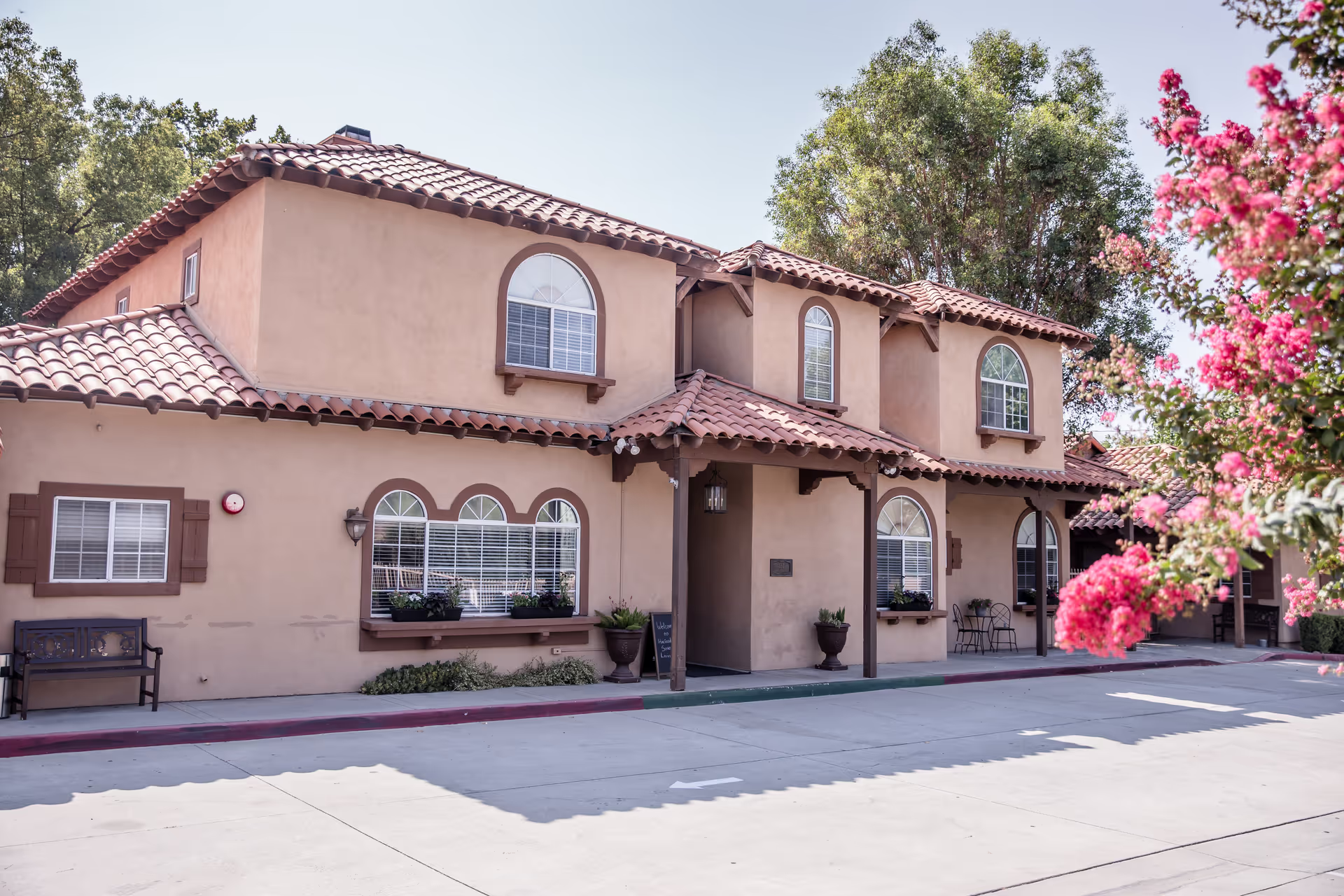
Sunrise Post Acute presents as a small, home-like post-acute/residential setting with several operational strengths and some noteworthy areas for scrutiny. Families commonly describe a personalized approach to care under a knowledgeable owner/operator and a clinical team that includes physicians, nurses, CNAs and therapy staff. Reviewers highlight attentive, friendly direct-care staff, positive physical- and occupational-therapy experiences, and specific praise for wound and surgical-site care. Private rooms with in-room amenities, generally clean common areas, and active remodeling were also noted as positives that support a comfortable stay.
Dining and daily living elements are often cited positively, with descriptions of good food and well-organized meal service. That said, there are occasional comments about specific meal items that suggest variability in menu execution. Activity programming appears to be structured with dementia-friendly elements and engaging offerings; however, activity levels and availability may be constrained for residents with advanced Parkinsonian symptoms or significant mobility limitations, so individualized activity plans should be discussed during placement.
Despite many favorable care comments, several operational concerns recur across reviews and merit attention. Multiple families raised issues around consent procedures and patient privacy, including claims about aggressive outreach and outreach practices; these are significant enough that prospective families should request written policies and examples of how consent and HIPAA protections are enforced. Safety-related themes also appear, specifically around transfer, fall and wandering protocols, indicating a need to review fall-prevention practices, monitoring systems, and staff training. Communication consistency is uneven in some accounts — examples include delayed responsiveness, curt telephone interactions, or perceived gaps in transparency after incidents — which points to variability in front-line responsiveness and family communication processes.
Recommendations for prospective residents and families: arrange a focused tour to observe staff–resident interactions, ask to review current staffing ratios and on-shift clinical coverage, request copies of consent and privacy policies, and inquire about fall-prevention protocols and incident-reporting practices. Request documentation about therapy availability and individualized activity planning for residents with mobility-limiting conditions. Given the mix of strong direct-care praise and serious process-related concerns, verifying these operational details in writing and speaking directly with management will help determine whether the facility’s strengths align with the prospective resident’s clinical and safety needs.