Kyakamena Care Center elicits strongly mixed impressions across reviewers. Many families emphasize the quality of hands-on care: staff are frequently described as compassionate, respectful and attentive, and clinical teams — including nurses, therapists and rehab staff — receive repeated praise for competent, recovery-focused care. The facility appears to provide effective hospice coordination and a range of rehabilitative services (including guided exercise programs and elastic-band instruction), and activity offerings such as music therapy were noted as meaningful for residents. Several reviewers highlighted warm, family-like interpersonal interactions and valued the facility as a reasonably priced option for those on limited incomes.
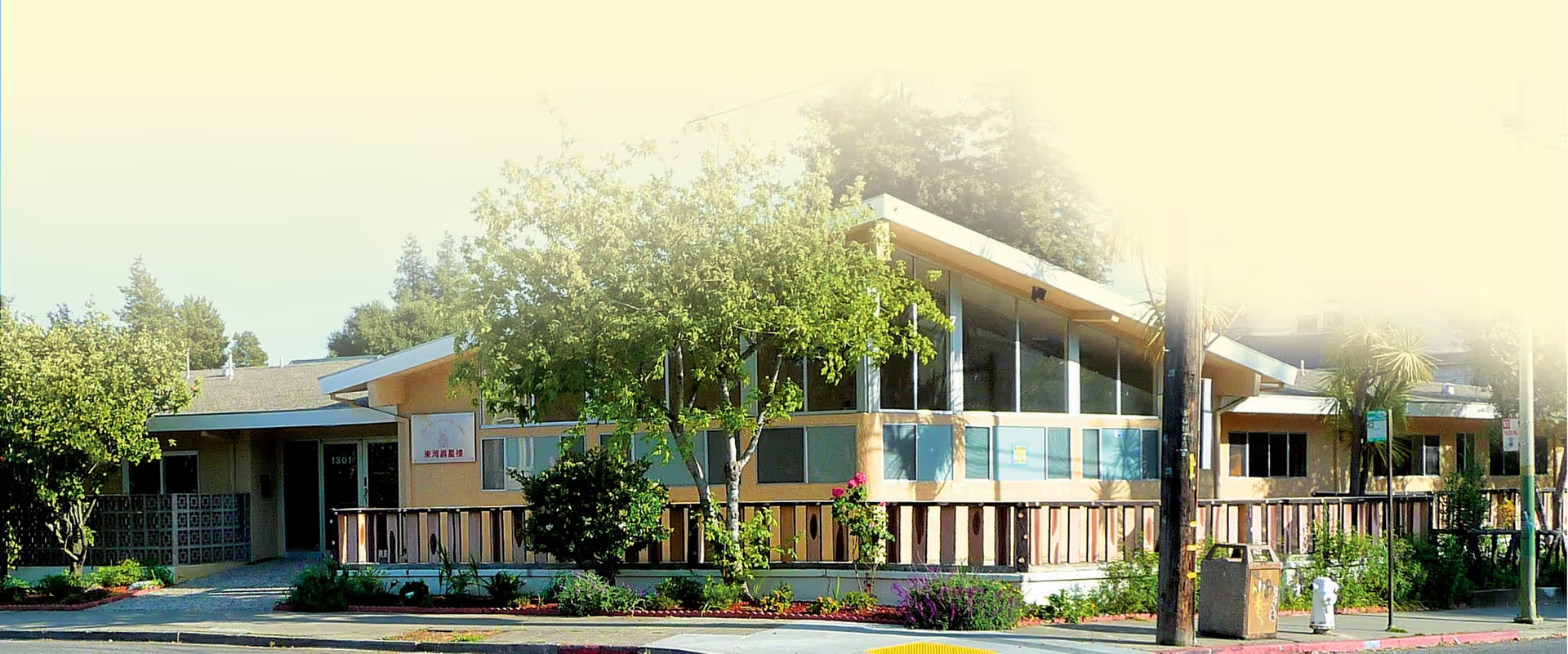
Physical and amenity-related characteristics are likewise mixed. Positive comments include a sunny backyard patio, convenient street parking, and portions of the building that are clean and well-maintained. At the same time, the facility is described as an older building that would benefit from general cosmetic improvements and accessibility work; limited wheelchair clearance and dated infrastructure were specifically noted. Dining is characterized as institutional by some, though the facility does offer options to order outside meals. Overall, rehabilitation and custodial care are seen as strengths when clinical staff are engaged.
A recurrent operational concern centers on communication and administrative responsiveness. Families cite difficulty reaching staff by phone or email, automated voicemail barriers, and delays or gaps in receiving clinical updates — including delayed notification of transfers or lack of progress information. These communication gaps are frequently paired with perceptions of inconsistent administrative leadership. Staffing patterns and responsiveness at the point of care also appear variable: while many reviewers report attentive, above-and-beyond interactions, others describe inconsistent monitoring, slow response times to needs, or concerns about staff conduct and tone in certain shifts.
Cleanliness and housekeeping present a divided picture: some areas and reviewers praise a clean environment, while others describe sanitation concerns and inconsistent housekeeping practices. Noise management and respect for resident routines (for example, quiet times and TV control) were also raised as operational issues in several accounts. Package and mail-handling procedures were noted as an area for improvement by some families.
In summary, Kyakamena Care Center demonstrates clear strengths in interpersonal caregiving, rehabilitative services, and hospice coordination, making it a viable option for families prioritizing compassionate clinical staff and affordability. At the same time, prospective residents and families should evaluate the facility’s administrative communication processes, physical accessibility, and housekeeping consistency during tours and admissions discussions. Asking targeted questions about point-of-contact communication, shift staffing patterns, notification protocols for clinical changes, and recent facility upgrades will help clarify whether the facility’s operational practices match a family’s expectations.