Overall impression: Reviews reflect a mixed picture in which frontline caregiving receives consistent praise while facility condition and organizational processes raise meaningful concerns. Families frequently describe positive personal interactions with nurses and aides, and they highlight specific staff members and leadership who appear engaged and responsive. At the same time, reviewers identify recurring operational weaknesses that affect day-to-day resident experience and clinical oversight.
Care quality: Direct-care staff are commonly described as kind, attentive, and competent in individual interactions; the head nurse and several nurses received positive mention for diligence. However, several families raised serious allegations of prolonged delays in incontinence-related care and instances where clinical changes were not identified promptly. These reports point to gaps in routine monitoring, inconsistent assistance with activities of daily living, and variability in meal-assistance continuity. The pattern suggests care reliability may depend heavily on which shift or which staff member is on duty.
Staff and culture: The facility’s caregiving culture appears to have strengths at the bedside — compassionate staff and family-friendly communication are recurring positives. Conversely, administrative functions and customer-service responsiveness are described as weak: long waits for administrative responses, slow problem resolution, and perceptions of poor coordination. This dichotomy suggests engaged frontline staff operating within a system that may lack consistent supervisory or organizational supports.
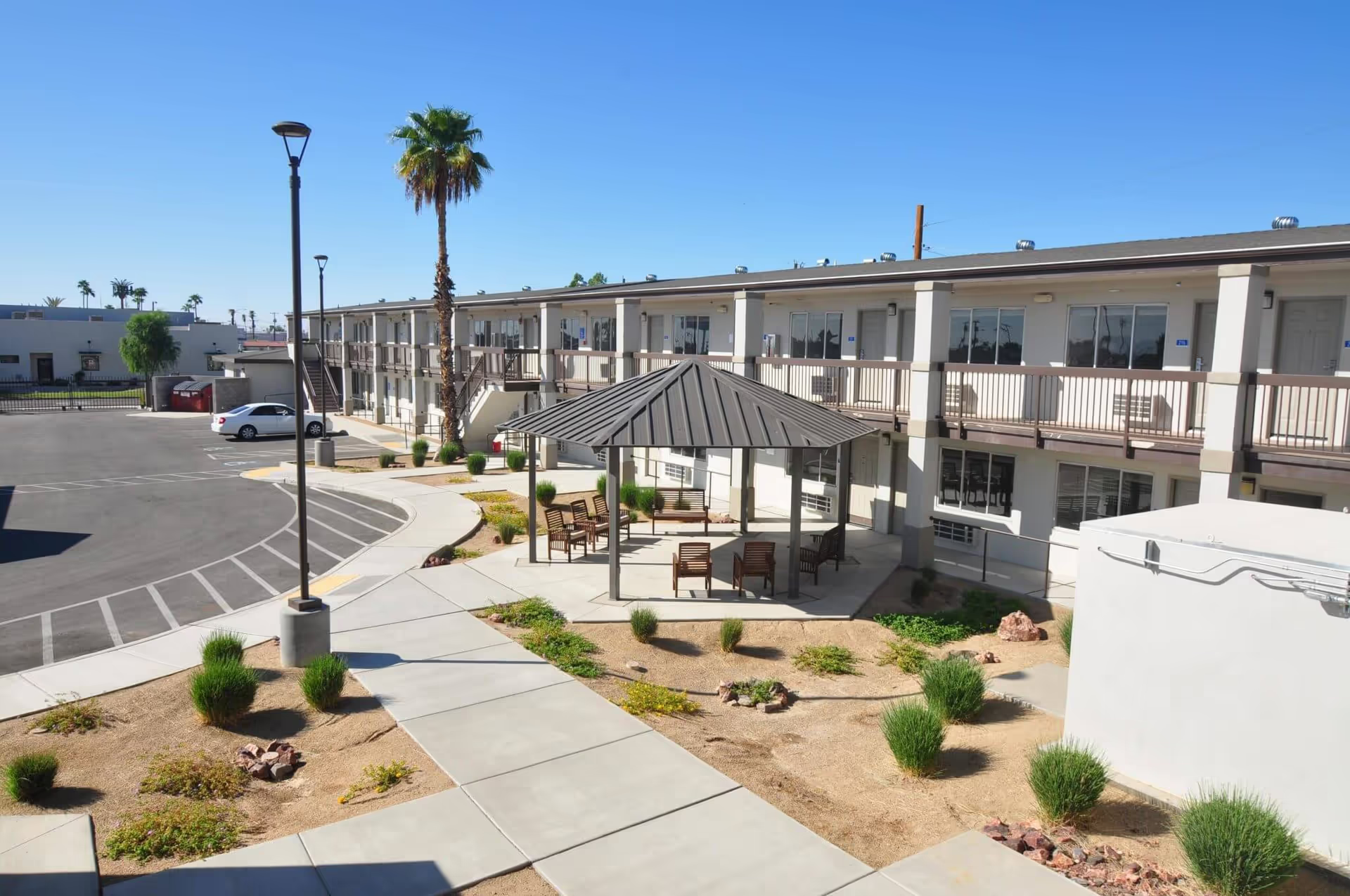
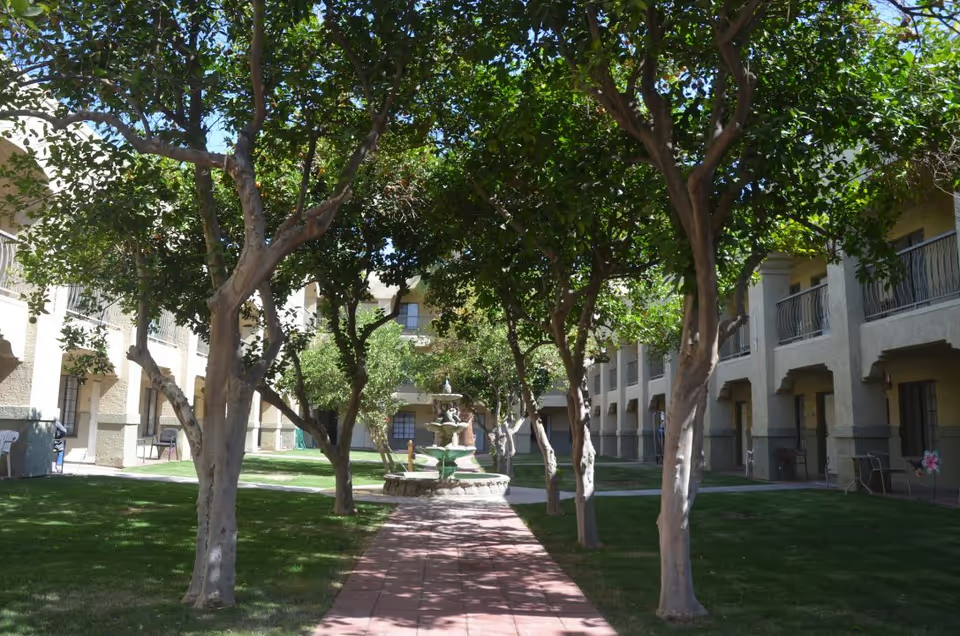
Dining and activities: Reviewers note inconsistent meal-service support and assistance, which, in combination with the facility’s small size, limits the range of programming. There are outdoor patios and usable grounds that families appreciated, but there are limited indoor amenities — reviewers specifically mentioned the absence of a gym or pool and a relative lack of luxuries or robust activity offerings compared with larger facilities.
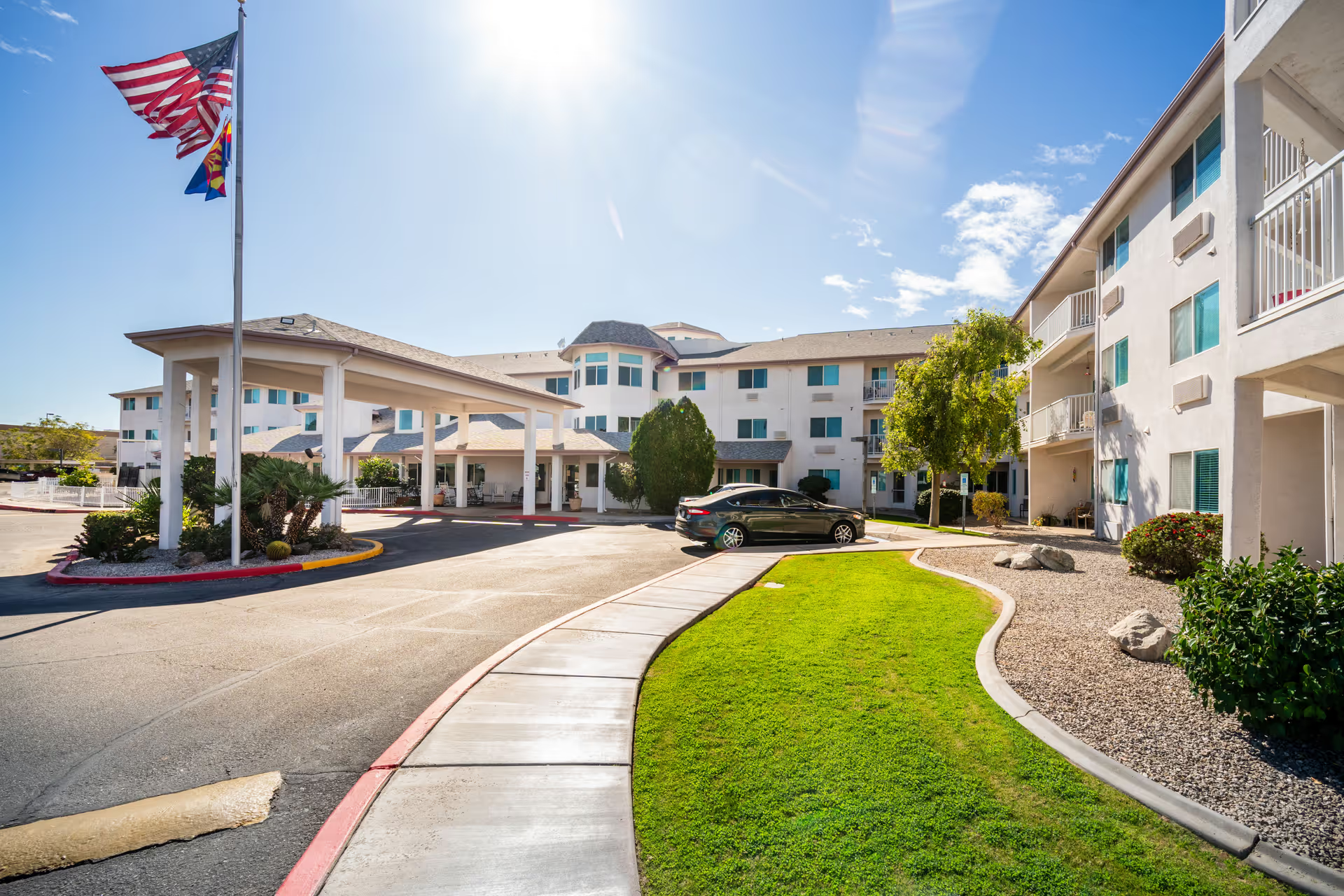
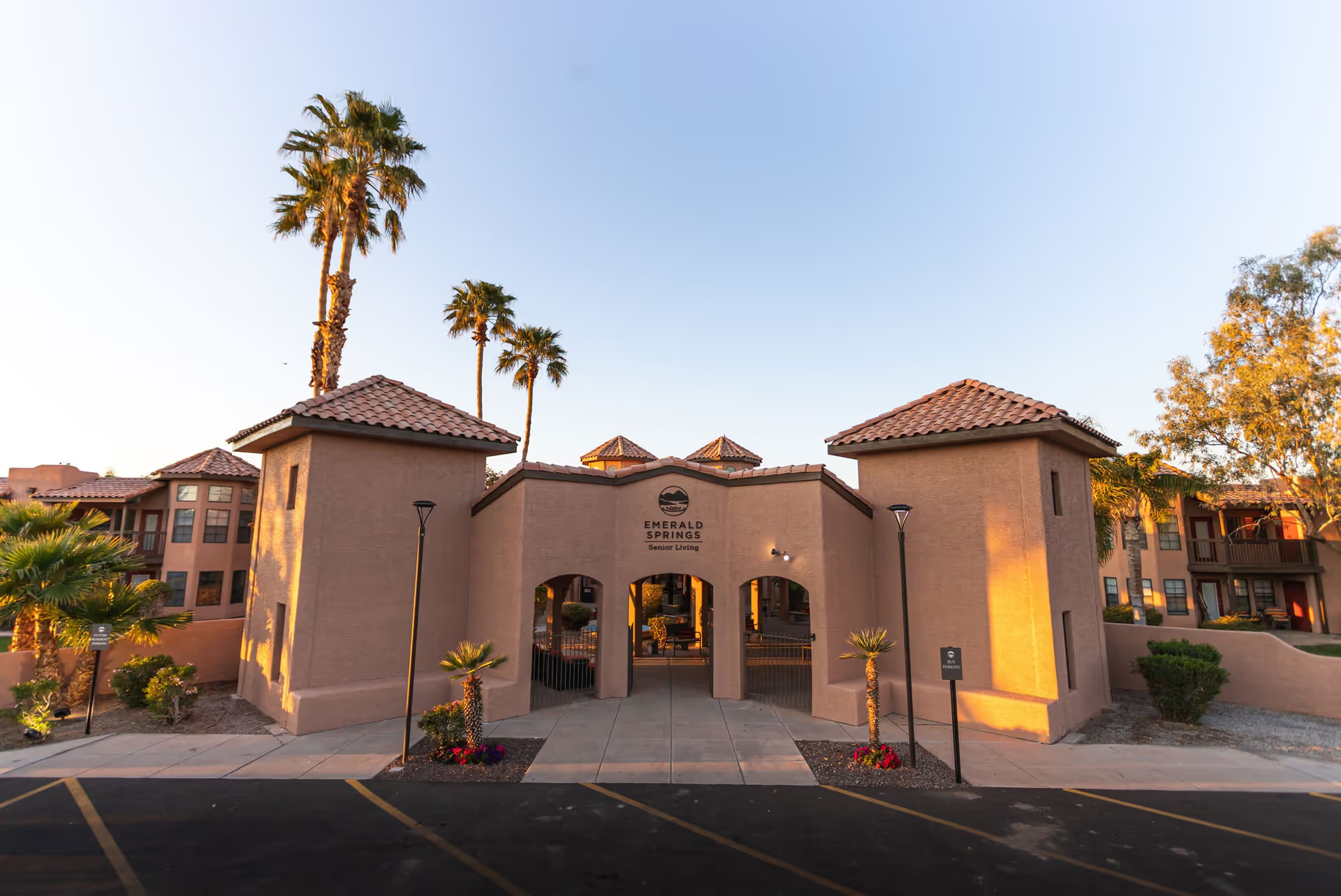
Facilities and environment: Multiple reviewers described the building as dated and in need of better upkeep, with cleanliness and maintenance concerns in some areas and congested hallways during peak times. The small, quaint scale is an asset for families seeking a more intimate setting, but it is also paired with an overall impression of worn infrastructure and limited communal space.
Management, transparency and cost: Families expressed frustration with administrative responsiveness and customer service, and some perceived the facility’s pricing as high relative to its physical condition and available services. Given the combination of strong bedside staff and systemic operational issues, prospective residents should seek specific information on staffing ratios, shift coverage, clinical protocols, and recent inspection or compliance records.
What to watch for when considering this facility: Visit at different times of day and on different shifts, observe mealtime assistance and hallway traffic, ask for current staffing levels and turnover rates, review care-plan documentation and how clinical changes are communicated to families, and request recent maintenance and infection-control records. Balance the documented strengths of compassionate caregivers against the reported inconsistencies in facility upkeep and organizational responsiveness when making a placement decision.