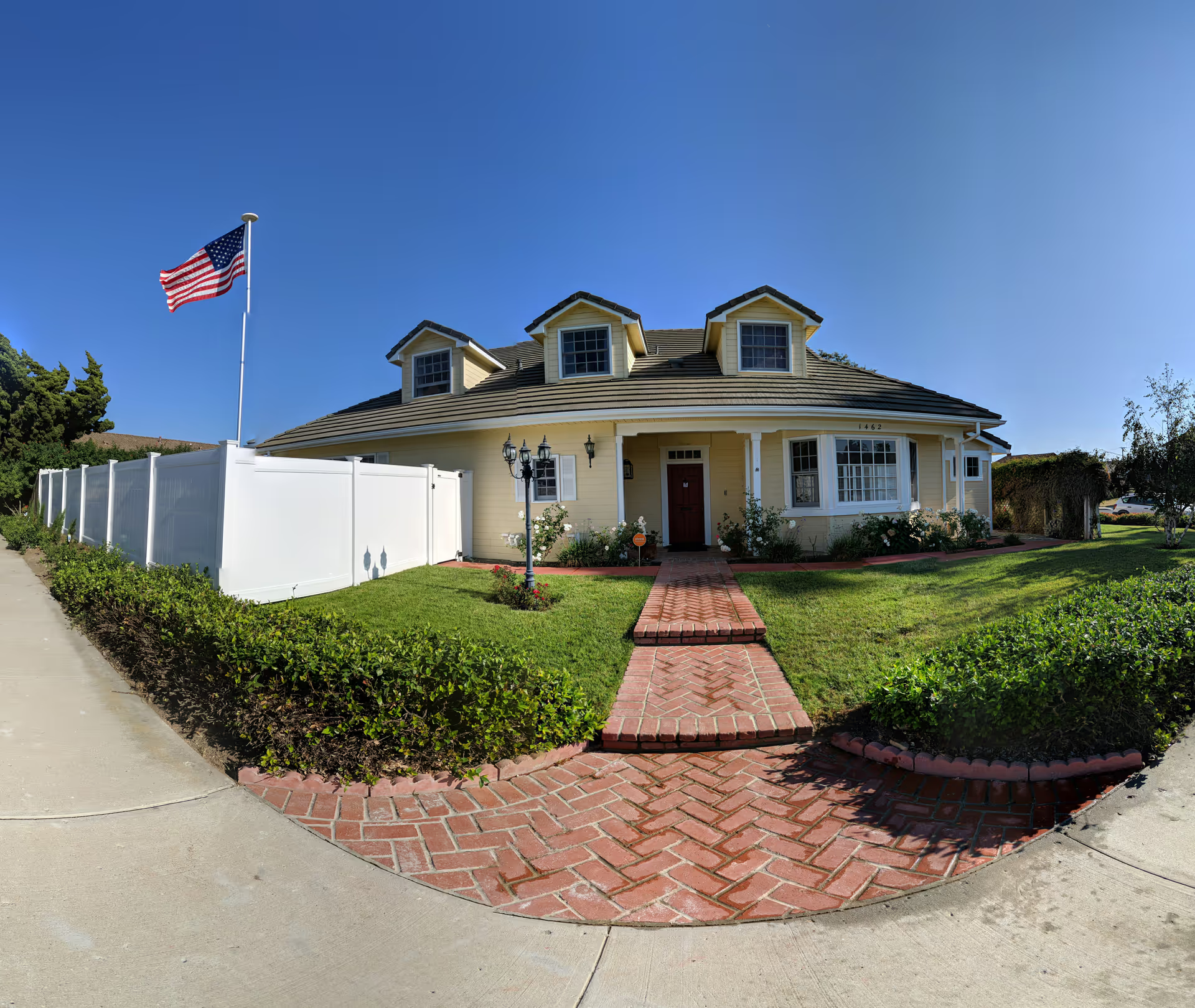
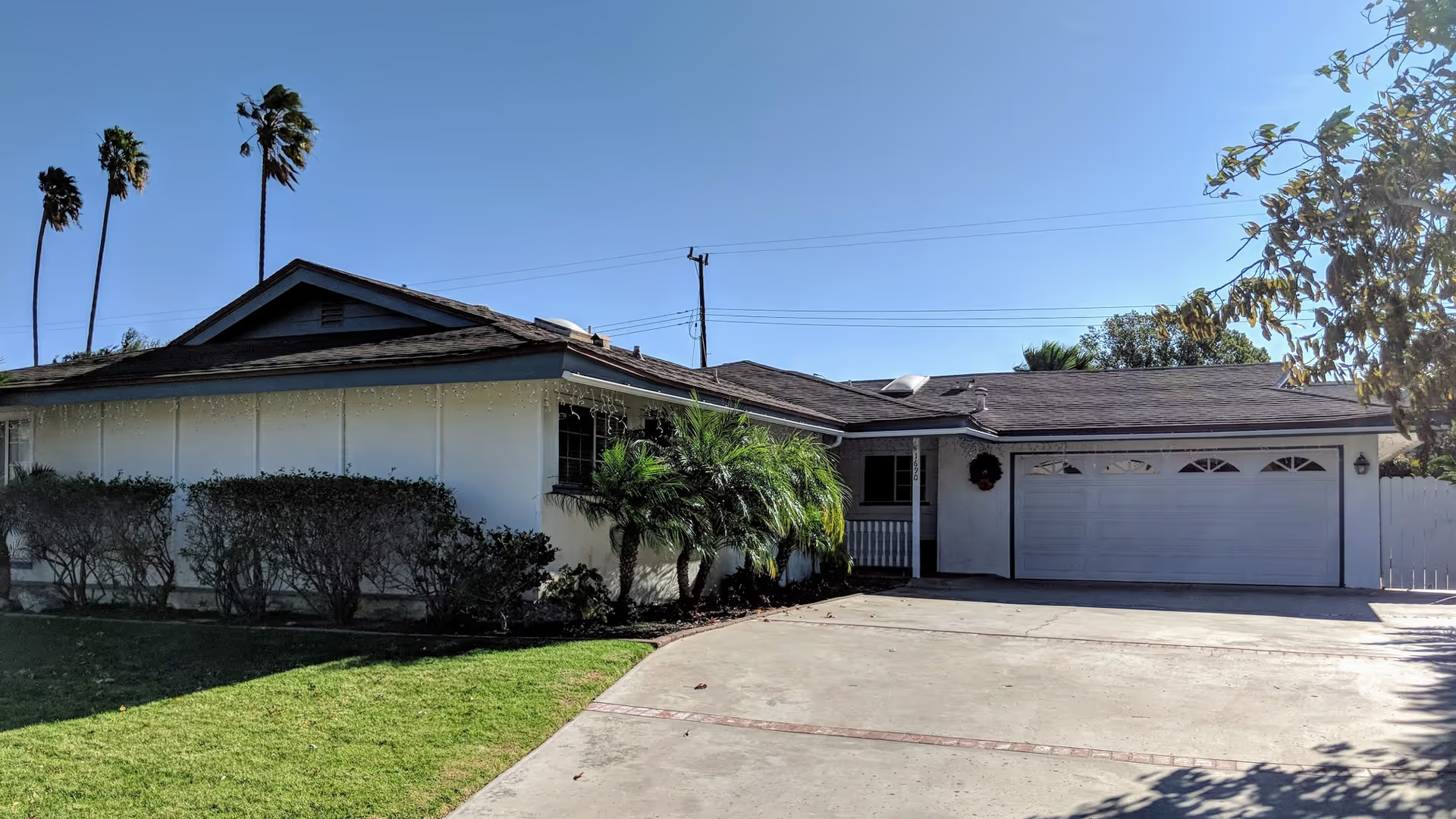
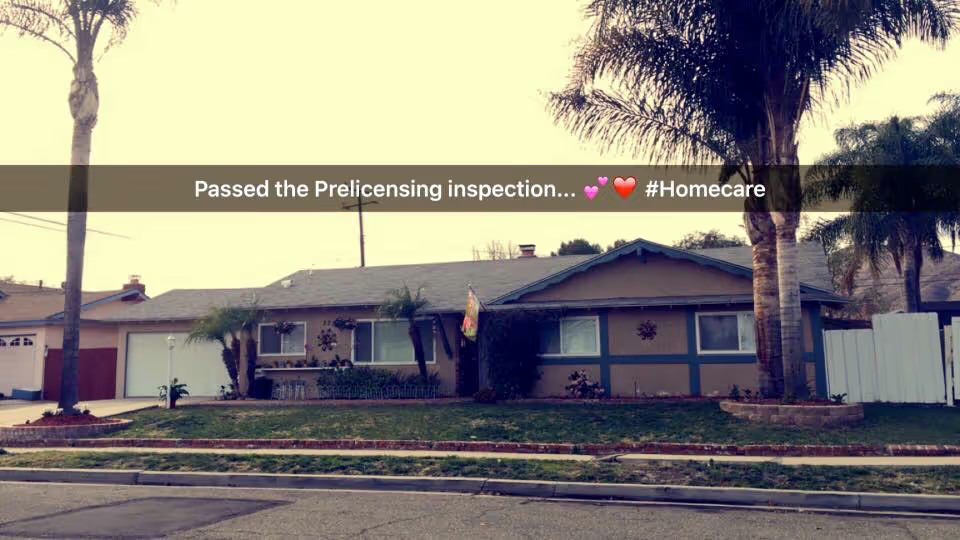
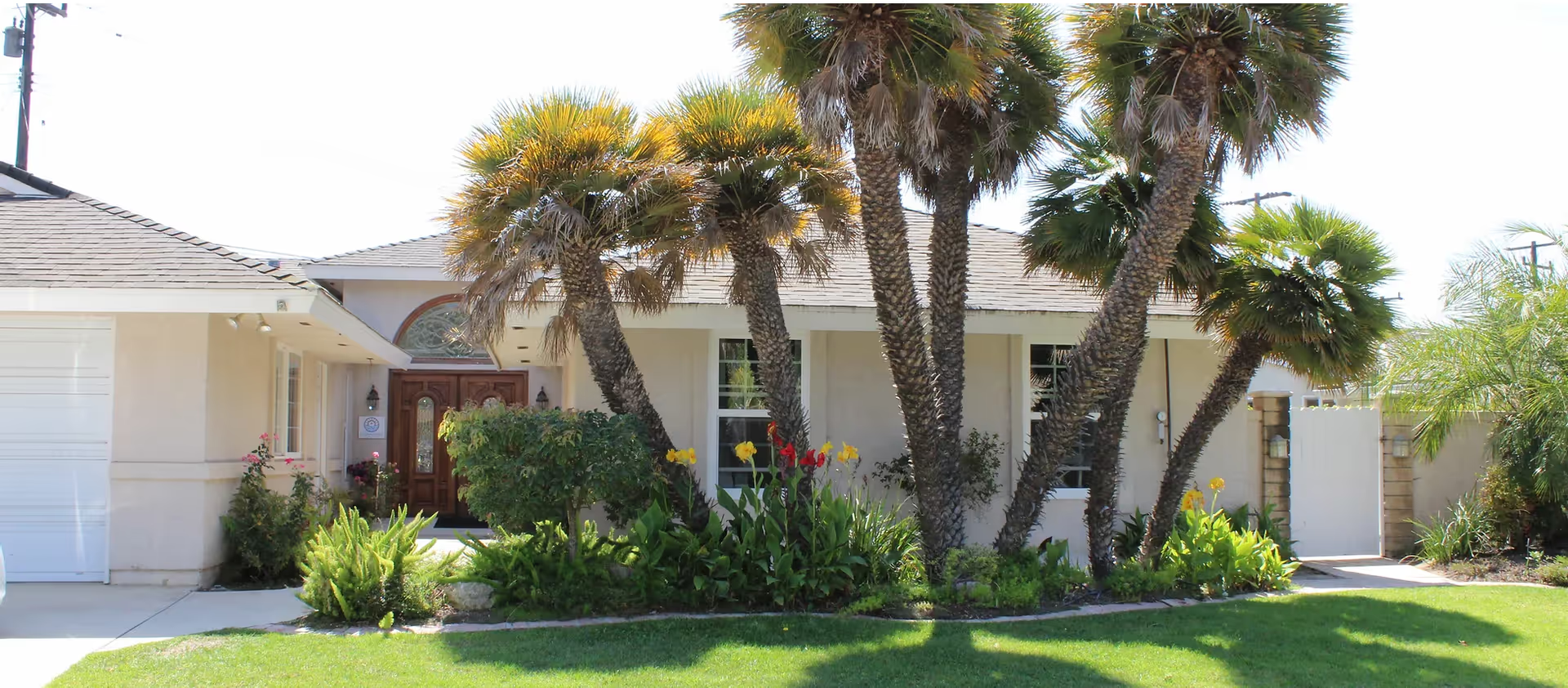
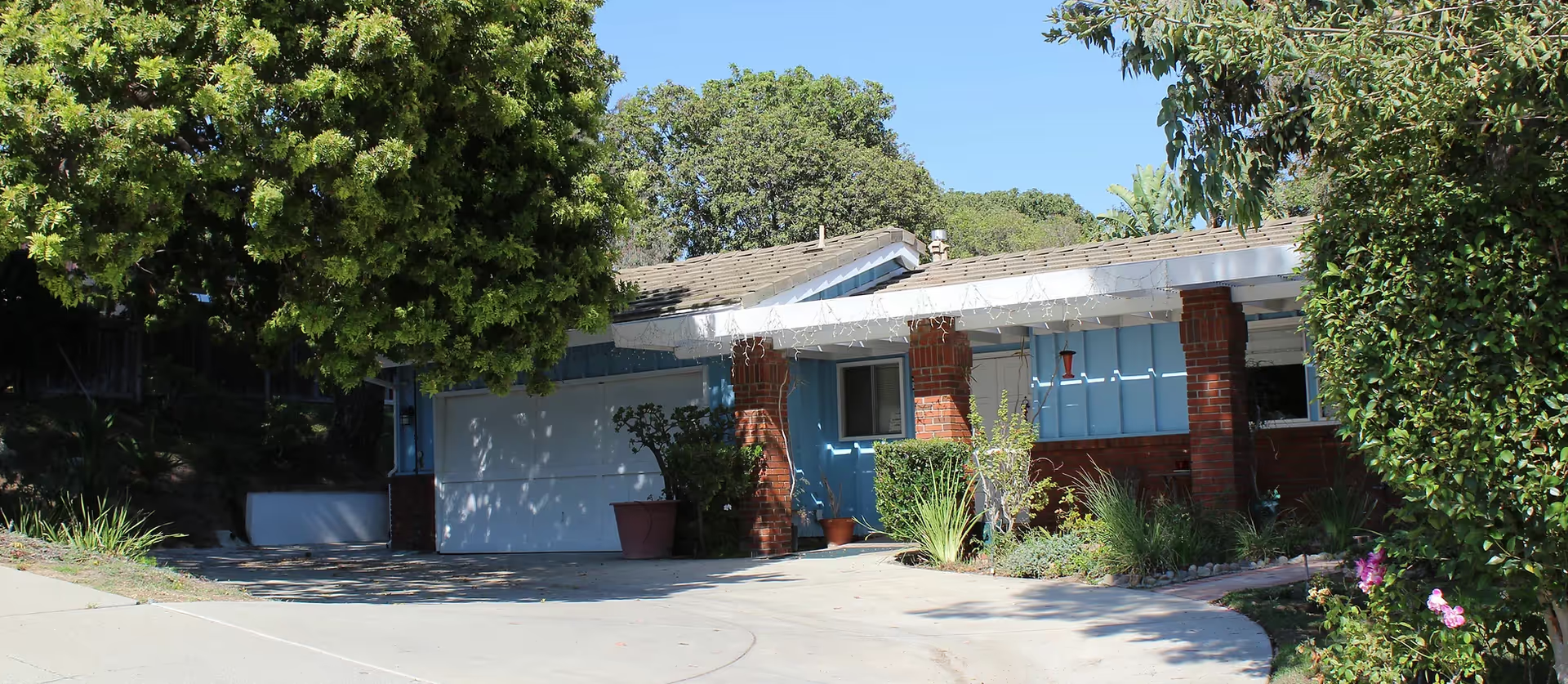
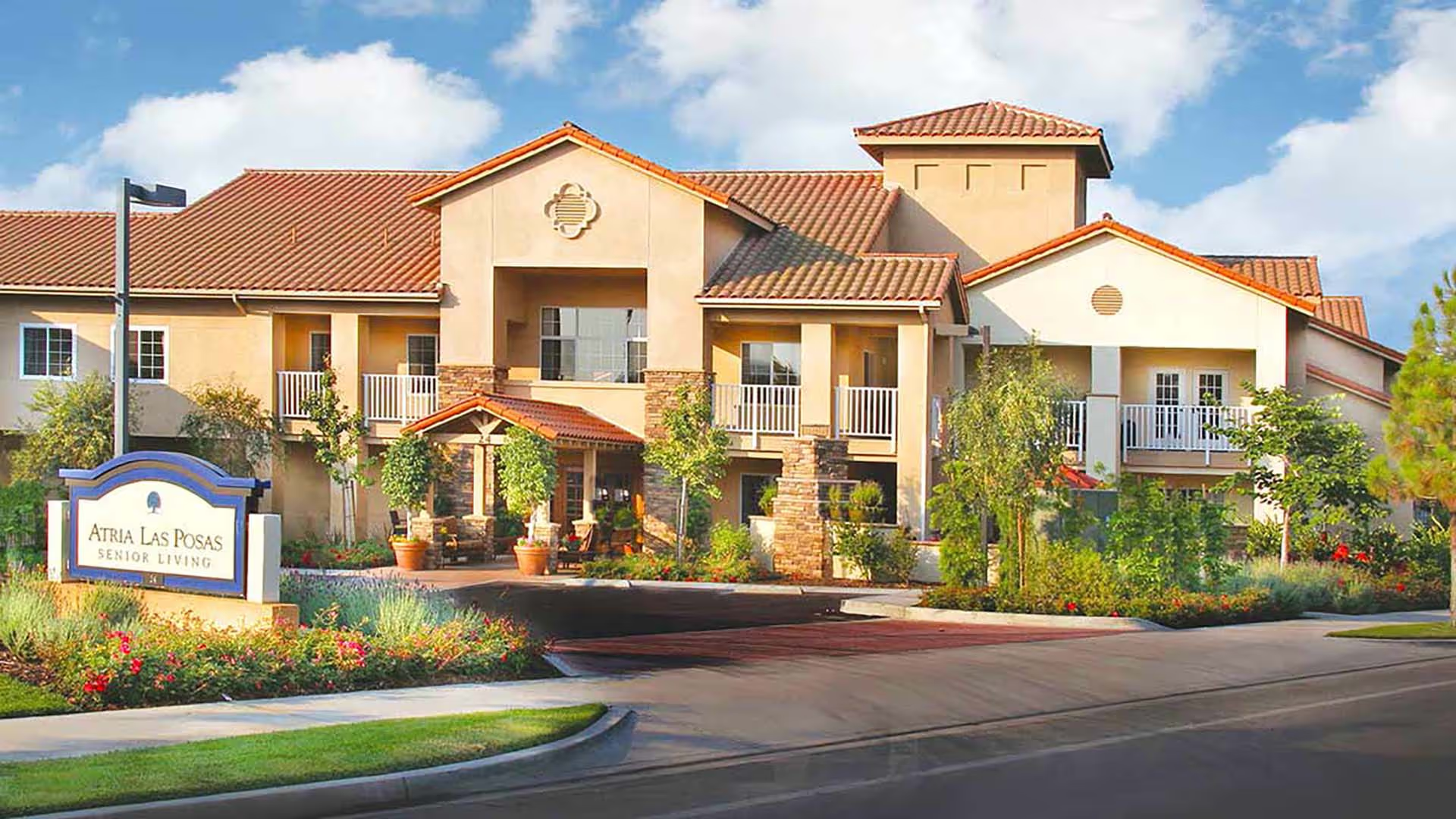
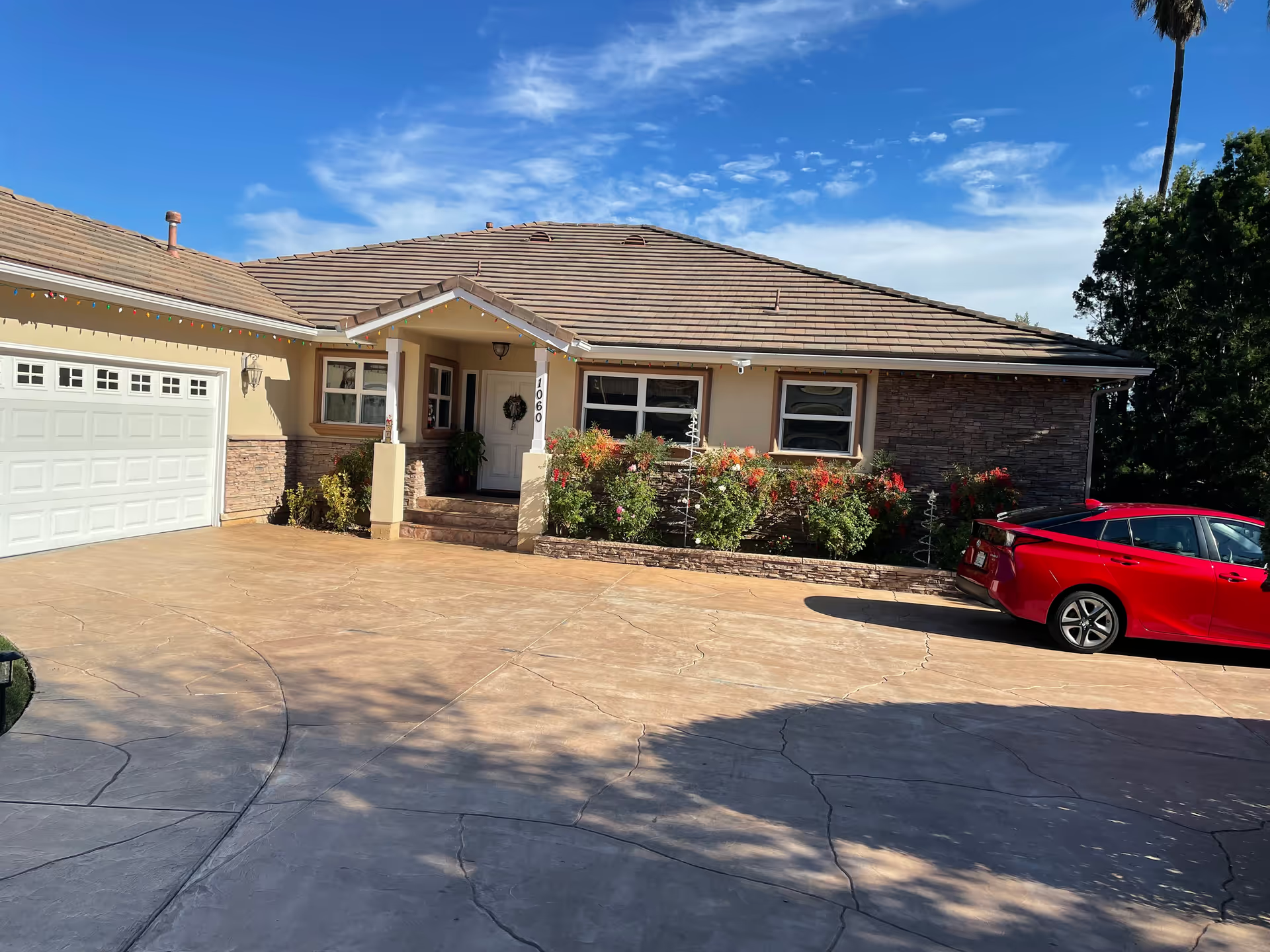
Camarillo Senior Living is consistently described as a well-located, attractive campus with pleasant grounds and bright common areas. The community offers a full continuum of care—assisted living, memory care, and skilled nursing—plus on-site physical and occupational therapy and a rehabilitation unit, which many families find useful when transitions or short-term rehab are needed. Apartment options include private and shared suites with small kitchenettes; dining areas are generally described as bright and restaurant-style.
Care quality and staffing draw mixed but largely positive comments. Direct-care staff, CNAs, and many nurses were praised for being compassionate, attentive, and engaged; physical and occupational therapists also receive strong endorsement for clinical effectiveness. At the same time, reviewers identify operational staffing challenges: short staffing at times, slow responses to non-urgent requests, and occasional gaps in clinical knowledge for higher-acuity, post-stroke, or complex-medication cases. Several accounts point to communication breakdowns between therapy and nursing or uneven supervision of trainees; these indicate the need for families of higher-acuity residents to confirm specific staffing, supervision, and clinical competencies during a tour.
Dining and food service are a clear area of variability. Many residents and families describe appealing, well-prepared meals, a caring kitchen staff, multiple entrée choices per meal, and pleasant dining-room ambiance. Others report inconsistent food quality and slower service for supplemental or in-room orders. Meal-service logistics (limited window of dining-room service and slower delivery of supplemental items) are recurring operational notes to verify in person.
Activities programming is an overall strength: reviewers cite an active calendar, frequent entertainers, classes, outings, and a proactive activities director. The program provides social engagement and a variety of options, which residents and families appreciate. At the same time, some reviewers felt activities could be more stimulating or better adapted for residents with sensory impairments or higher support needs; families with specific cognitive or sensory-care goals should ask about individualized programming.
Facility maintenance and cleanliness receive mixed feedback. Many praise cleanliness in common areas and the grounds’ upkeep; others report sanitation concerns in particular areas (notably parts of memory care) and issues like refrigerator or microwave cleanliness in units. Maintenance responsiveness appears inconsistent: examples range from same-day HVAC repairs to delays on other requests. Some resident rooms are described as smaller or sparsely furnished, and a few families reported problems managing laundry and personal belongings—operational processes worth reviewing during a visit.
Management and operational communication show both strengths and weaknesses. Admissions and financial disclosures are often described as transparent and helpful, and front-desk or admissions staff receive positive comments for tour assistance. Conversely, several reviewers report inconsistent follow-up from management, miscommunication among staff, and unclear round-the-clock nursing coverage in some cases. Infection-control policies (for example, quarantine after COVID exposure) have been enforced and may affect visitation or programming during outbreaks.
Overall, Camarillo Senior Living offers strong rehabilitative resources, an active social program, pleasant grounds, and many compassionate caregivers, making it a good fit for residents who will benefit from integrated therapy and social engagement. Prospective residents or families should tour with attention to clinical staffing levels, memory-care sanitation practices, meal-service logistics, and processes for belongings management; confirming how the facility adapts programs and staffing for higher-acuity or sensory-impaired residents will help determine fit for specific needs.