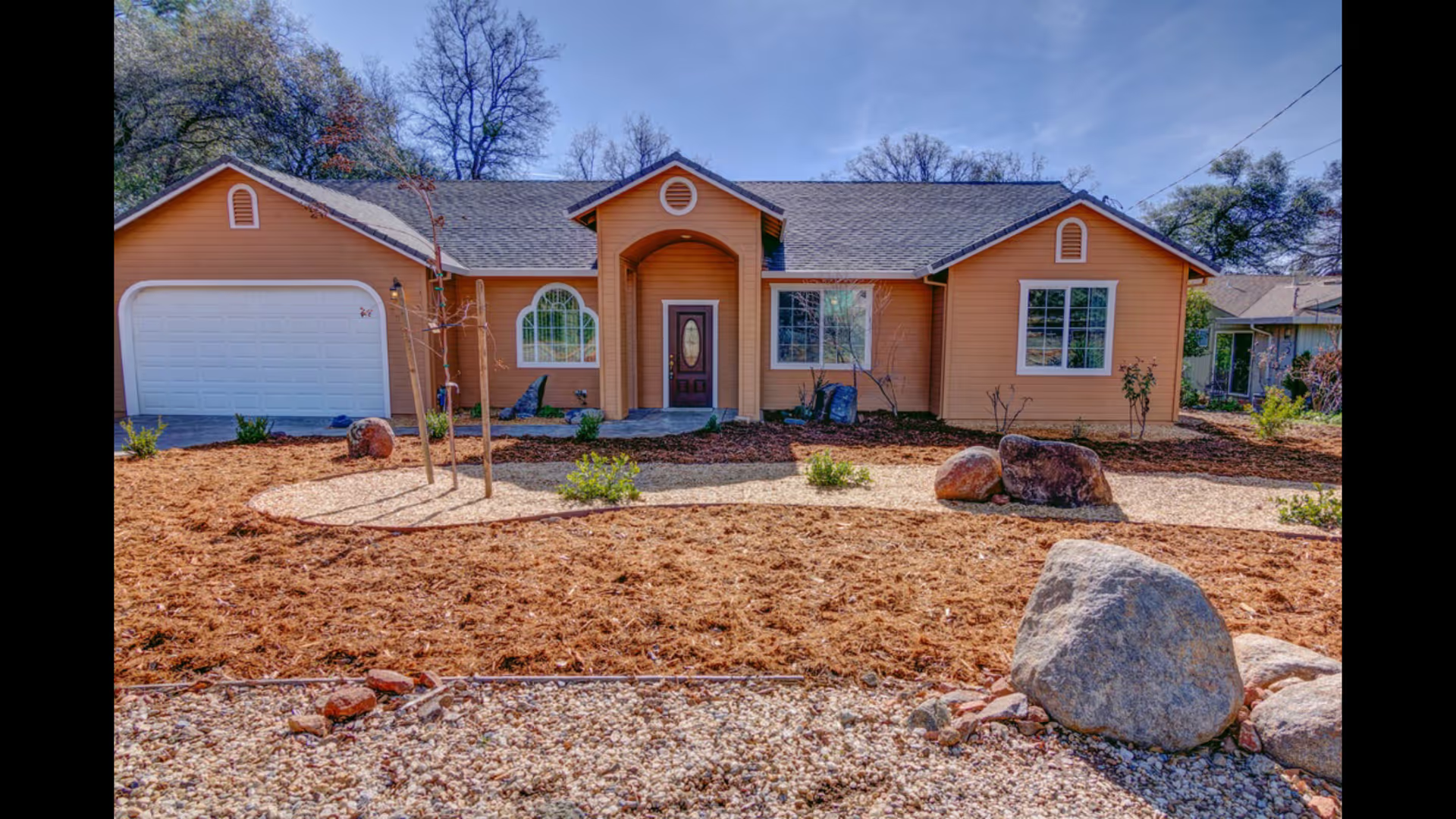
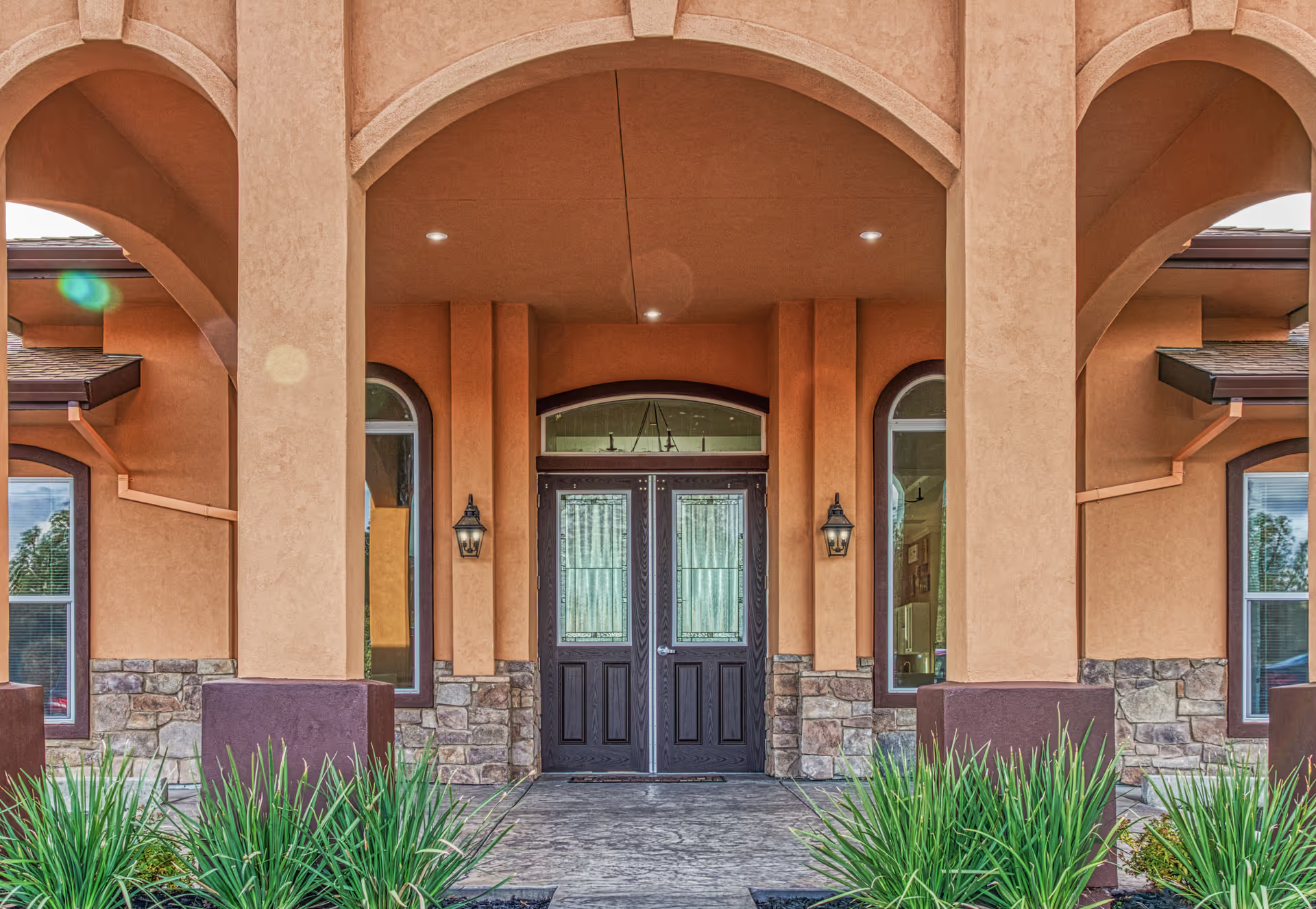
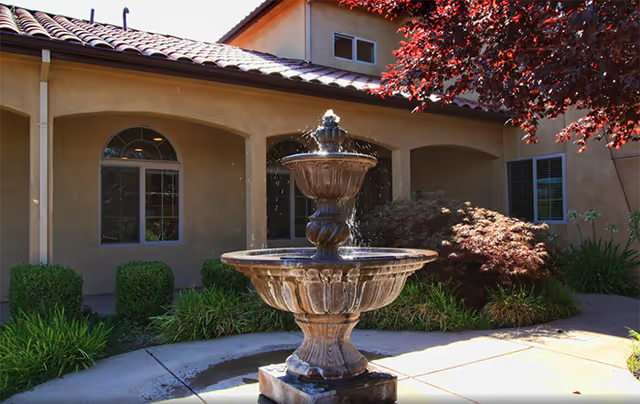
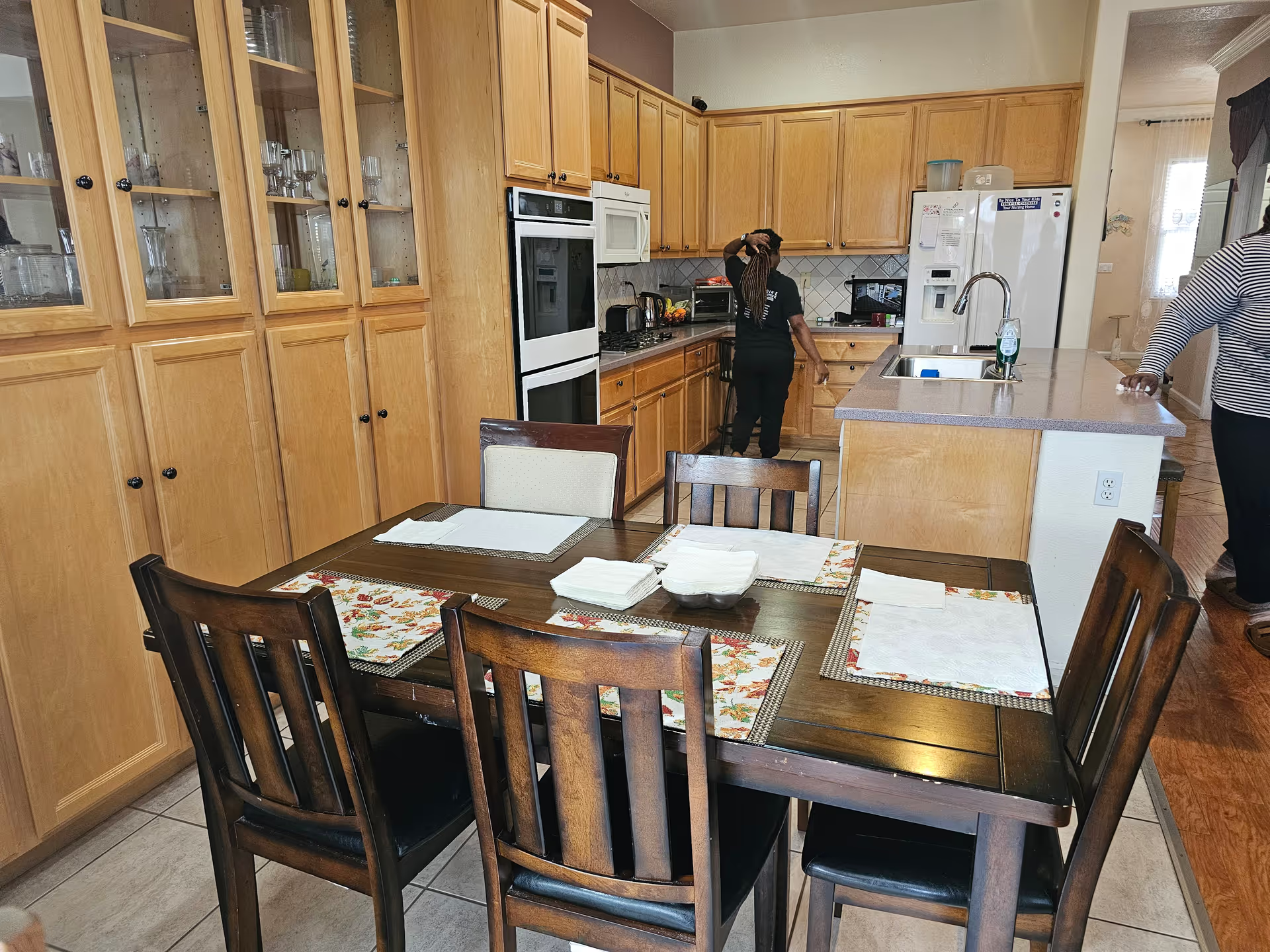
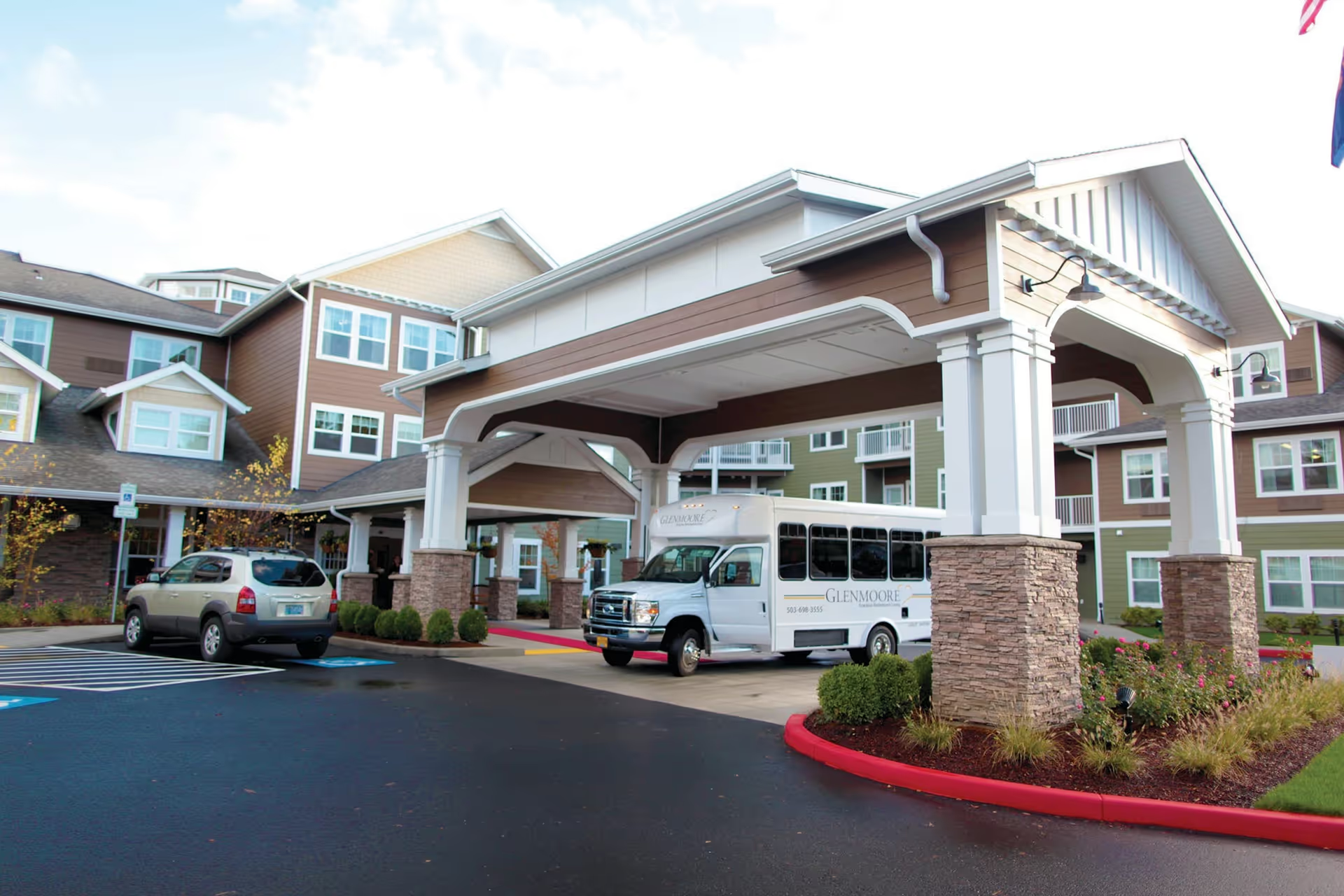
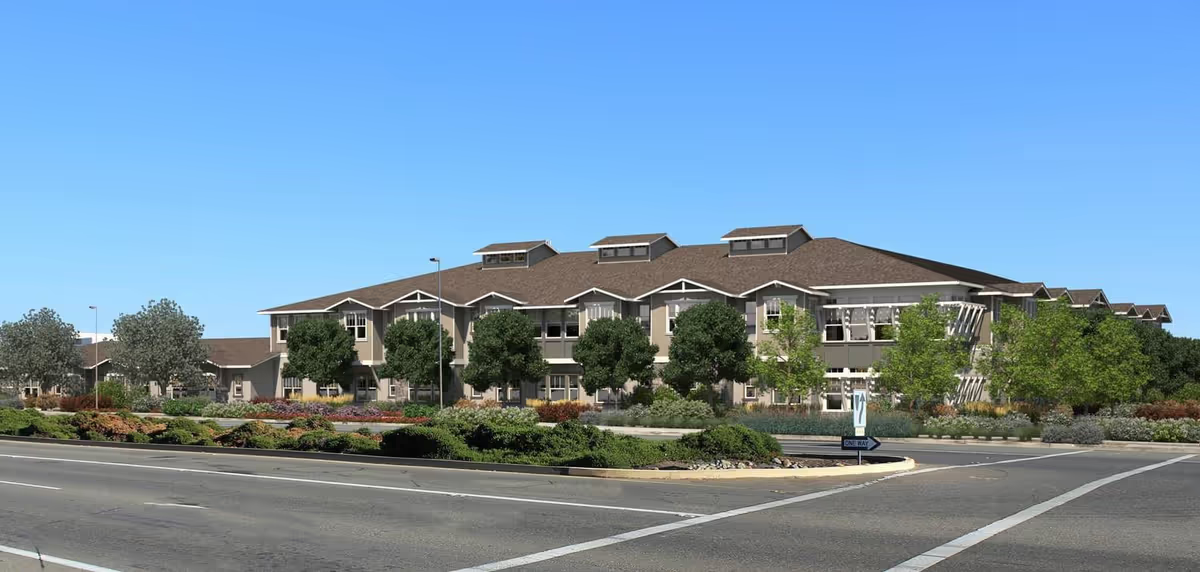
Overall impression: Ponté Palmero is a well‑appointed, resort‑style senior living community that many residents and families describe as comfortable, social, and richly amenitized. The campus offers a mix of apartment, townhouse and cottage housing with full kitchens, granite counters, private garages and attractive common areas. The community provides a broad calendar of activities, frequent outings and regular shuttle service, which contribute to a lively social environment for independent and engaged residents.
Staff and care: Staff are frequently described as warm, attentive and long‑tenured; many families highlight compassionate relationships and responsive maintenance. At the same time, there are consistent concerns about understaffing and uneven caregiver availability, particularly in assisted and memory care contexts. These operational gaps have been linked to missed personal‑care tasks, delays in assistance, inconsistent medication administration, and specific safety‑related issues (for example, pendant/alarm delays and transfer‑related vulnerabilities). There is a pattern suggesting the community is well suited for independent and lower‑acuity assisted living residents, but families seeking robust 24‑hour clinical oversight for higher‑acuity needs should verify nursing coverage and response protocols.
Dining: Dining experiences are distinctly polarized. Many reviewers praise restaurant‑style service, engaged chefs, brunch events and three‑course meals; others report bland or cold food, small portions, and quality inconsistencies. Nutritional adequacy and portion size are recurring themes: prospective residents should sample multiple meals and ask about menu rotation, special‑diet handling and meal‑delivery contingencies before committing.
Activities and social life: Programming is a clear strength. The schedule typically includes exercise classes, arts and crafts, clubs (ukulele, knitting, poker, book club), movie nights, field trips and seasonal special events. Memory‑care programming and dementia‑friendly layouts are present, but some families felt certain activities were overstimulating or not well‑matched to advanced dementia needs. Weekend activity levels also appear to be lower in some cases.
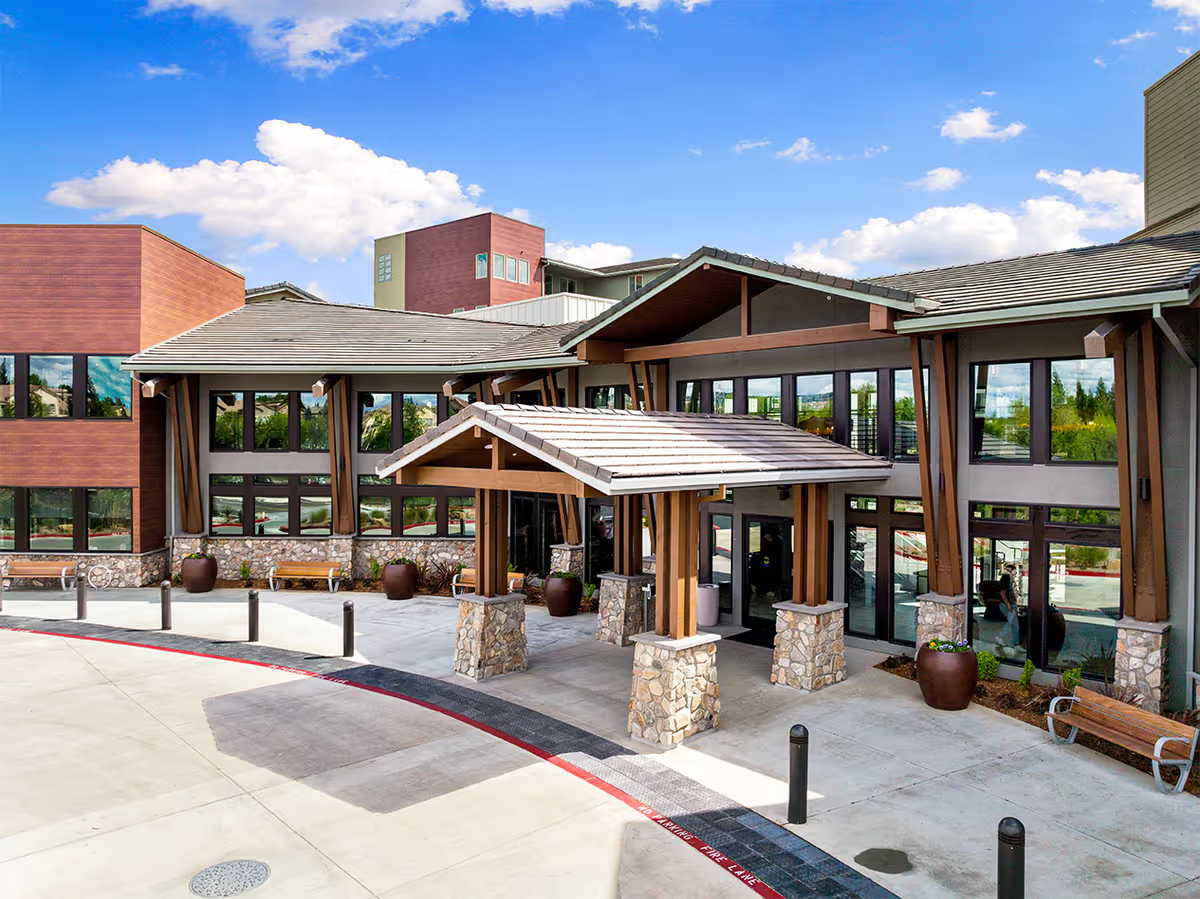
Facilities and operations: The physical plant and grounds are often described as clean, modern and well maintained, with appealing amenities such as pools, gyms, salons and garden plots. However, there are intermittent sanitation and housekeeping concerns reported in some units and common areas, and site geography (steep terrain, exterior corridors, single elevators in places) can limit accessibility for residents with mobility impairments.
Management and billing: Management responsiveness is variable in the feedback: positive accounts highlight smooth move‑ins and helpful admissions staff, while critical accounts cite opaque billing practices, extra charges for care tasks, and inconsistent follow‑up on family concerns. Intake and care‑planning processes also vary; a standardized clinical assessment and clear written care agreements are important to request during touring and contracting.
Notable patterns for prospective families: Experiences are polarized—many residents and families report excellent staffing relationships, robust activities and attractive apartments, while others describe operational shortfalls around assisted‑care reliability, dining consistency, sanitation in specific units, and billing transparency. Prospective residents should personally tour multiple dining periods, review the care‑planning and nursing coverage model, ask for written examples of billing for ancillary care, and observe staffing levels on weekends and evenings to match the community’s capabilities to their expected level of care.