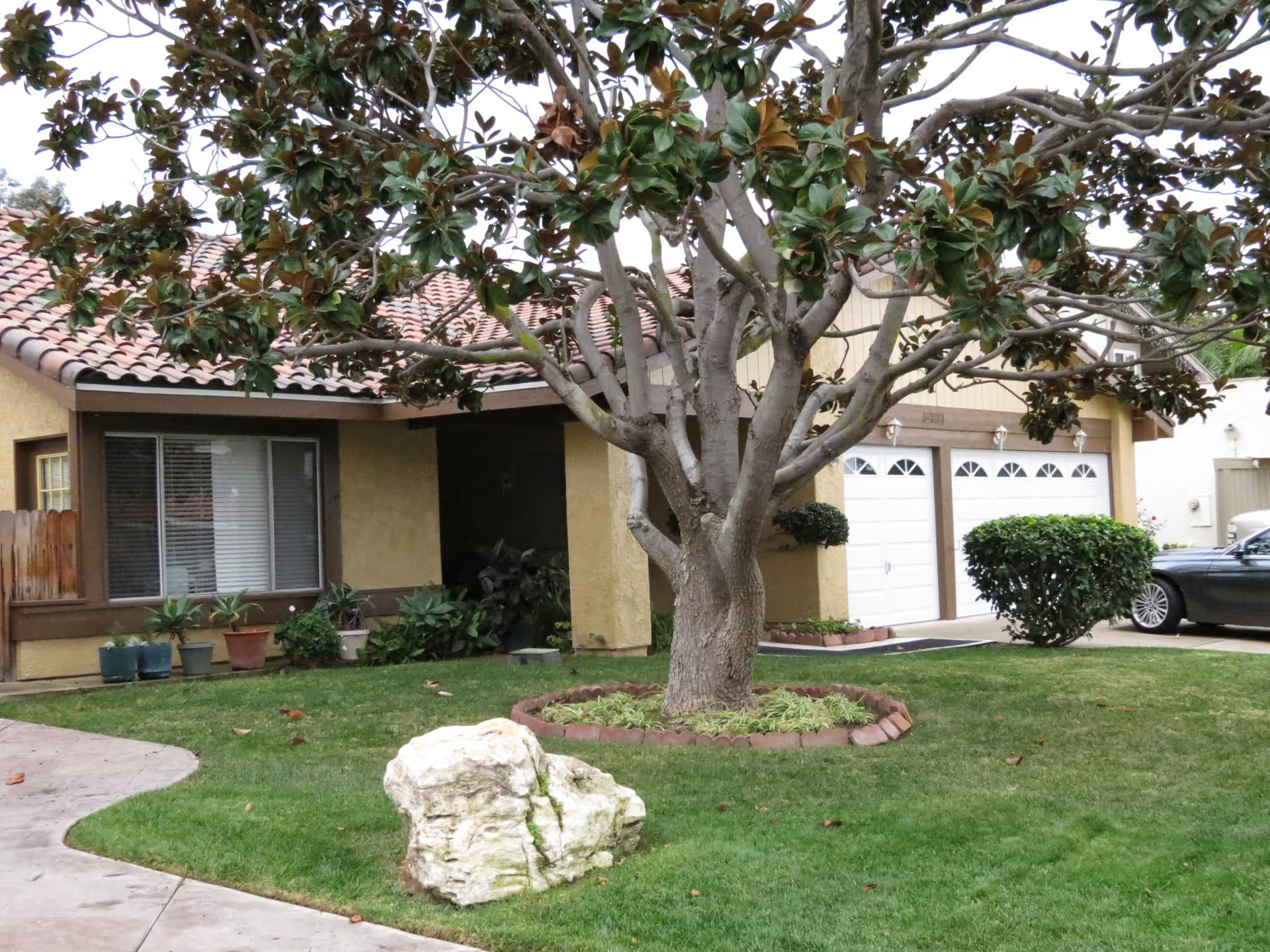
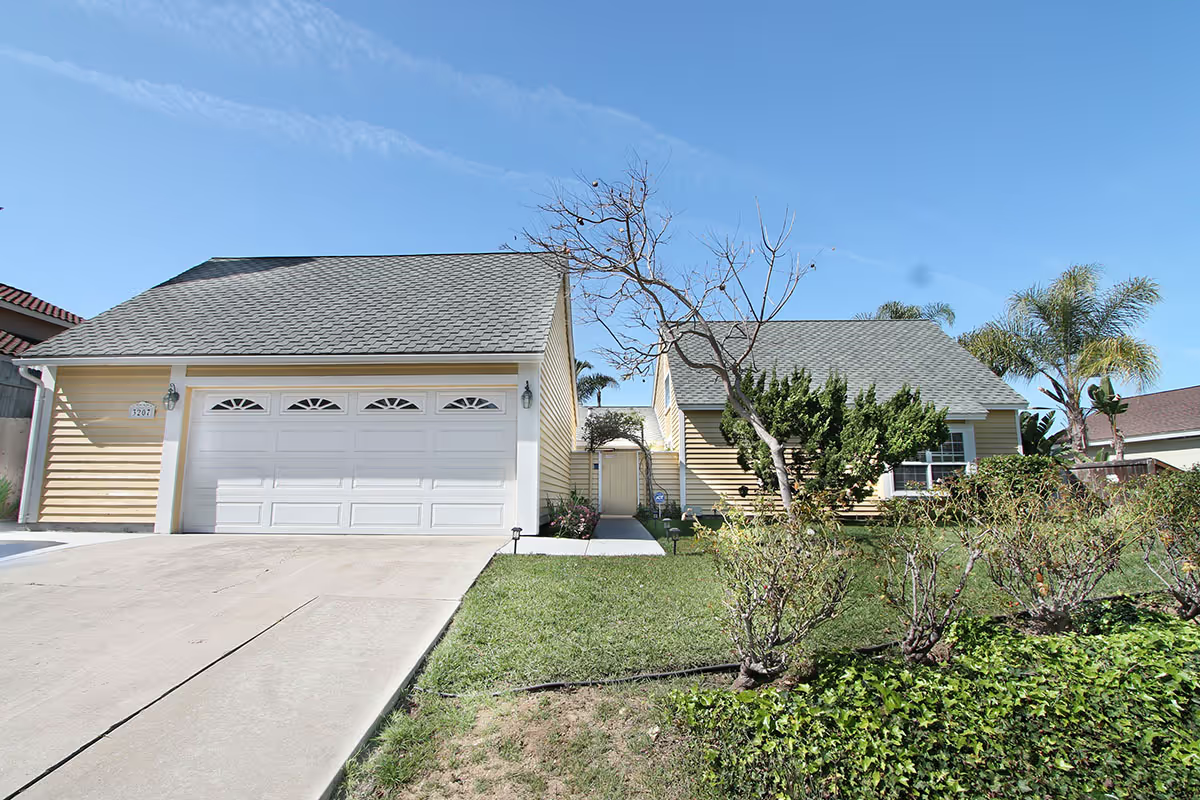
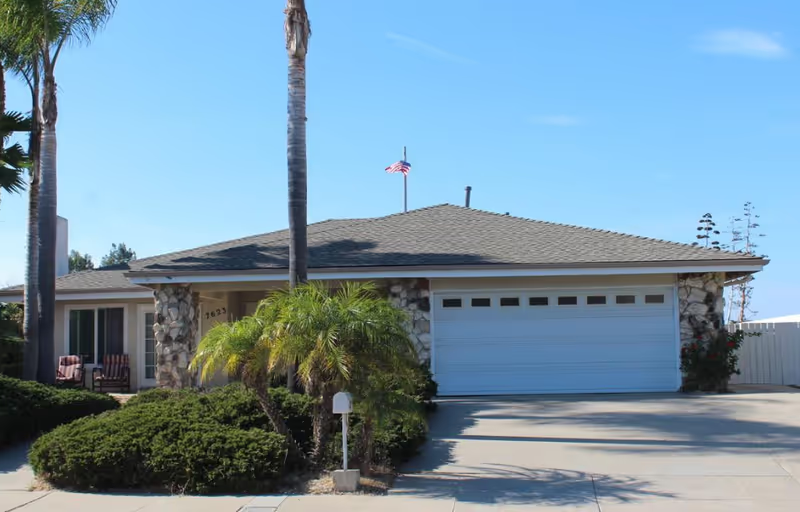
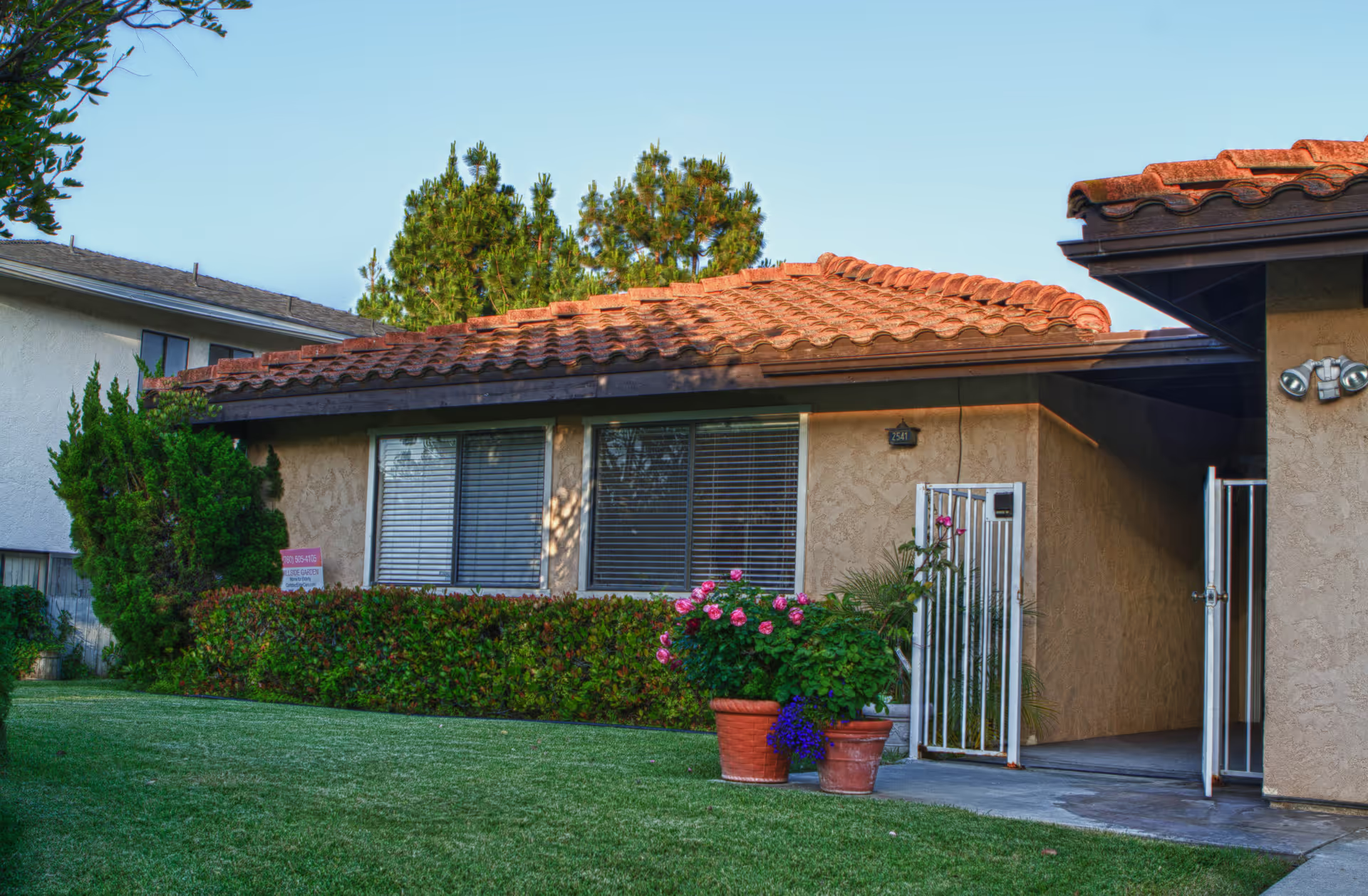
Tenenbaum Villa is described primarily as a small, licensed residential home with a family-like atmosphere, an attractive house and backyard, and caregivers who many families find compassionate and attentive. Reviewers commonly praise individual staff members and the owners for being kind, proactive, and willing to go beyond basic duties. Several families described residents enjoying meals, making new friends, and feeling comfortable and safe in the environment; visits and memories were characterized as positive by some relatives.
Care quality appears mixed. On the positive side, caregivers are often described as caring, patient, and hands-on; owners are characterized as involved and supportive. However, a notable pattern of concerns centers on memory-care capability and consistency. Some families reported incidents that imply gaps in staff training or in implementation of memory-care best practices. Those concerns, coupled with comments about low or inconsistent caregiver presence, suggest the facility may not reliably meet the needs of residents with moderate-to-advanced cognitive impairment.
Operational and day-to-day issues surfaced in several areas. Staffing levels and caregiver availability were singled out as an operational weakness — with comments indicating that a single on-site caregiver model may leave residents without consistent attention at times. Reviewers also raised issues that point to inconsistent personal-care routines (dressing, grooming) and variable staff professionalism. A separate theme involves household management and boundaries: descriptions imply unclear policies around resident storage and use of personal spaces, and social activities (for example, frequent parties) that some families find disruptive to routines.
Dining and facilities are generally described positively. Multiple accounts note enjoyable meals and a pleasant, well-maintained interior and yard. The small-house setting appears to offer privacy and a homelike feel that many families prefer to larger institutions. Activities and social interaction are present and can be a strength for residents who thrive in a lively household; however, those same activities may be less appropriate for residents who require structured memory-care programming.
For prospective residents and families: Tenenbaum Villa may be a good fit for those seeking a licensed, small, home-like setting with engaged owners and compassionate caregivers. Families should, however, evaluate the facility’s staffing patterns, ask specifically about memory-care training and protocols, observe personal-care routines, and clarify policies on resident property and household scheduling. Those with higher-acuity memory-care needs should verify that the facility can provide consistent supervision and trained staff before making a placement decision.