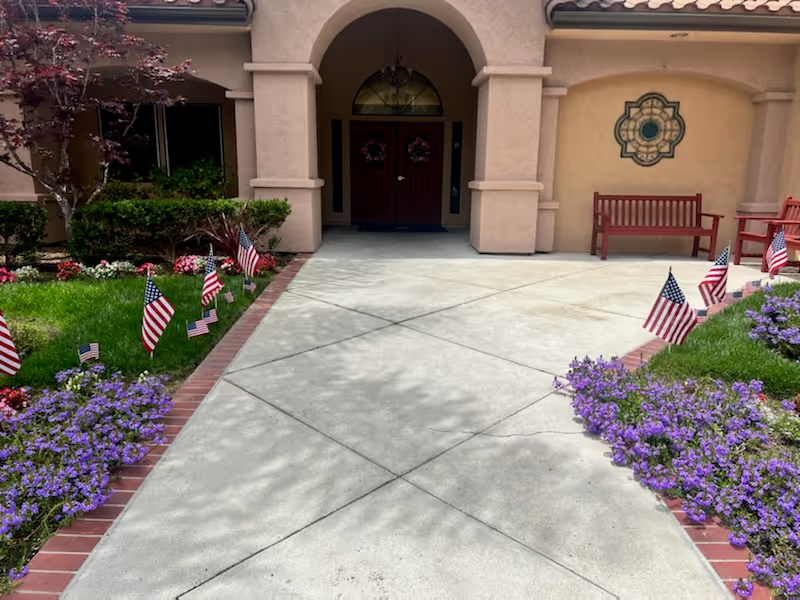
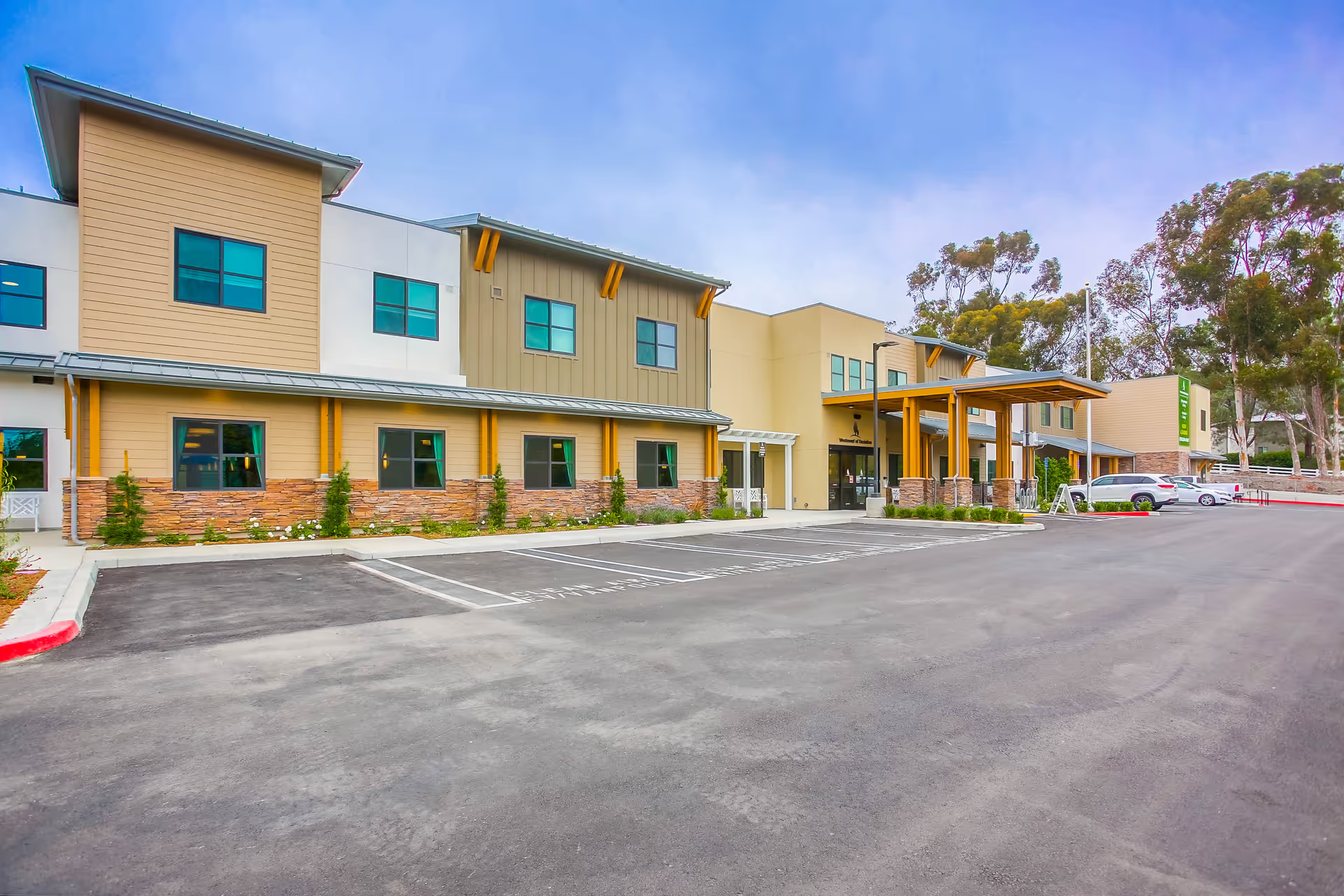
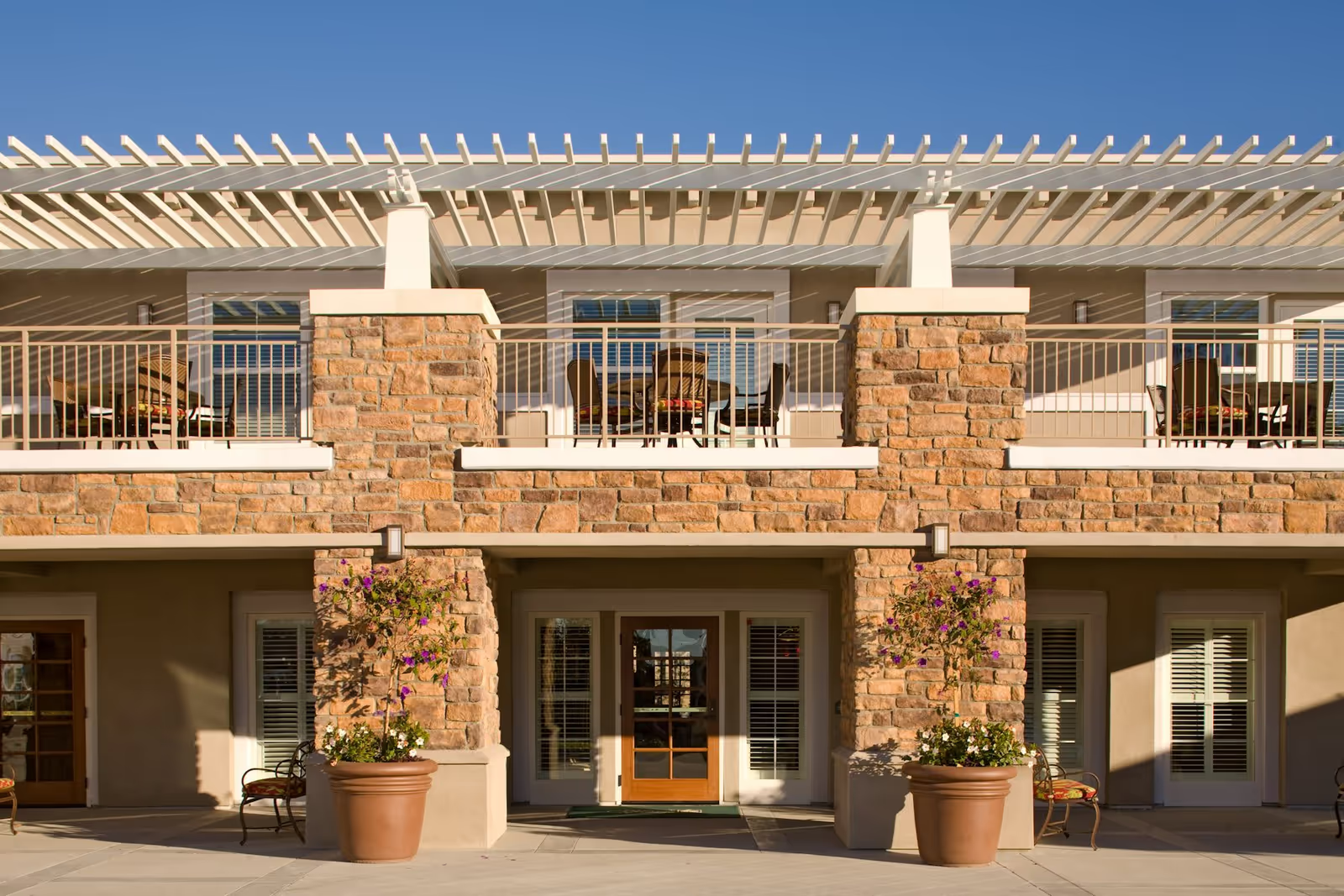
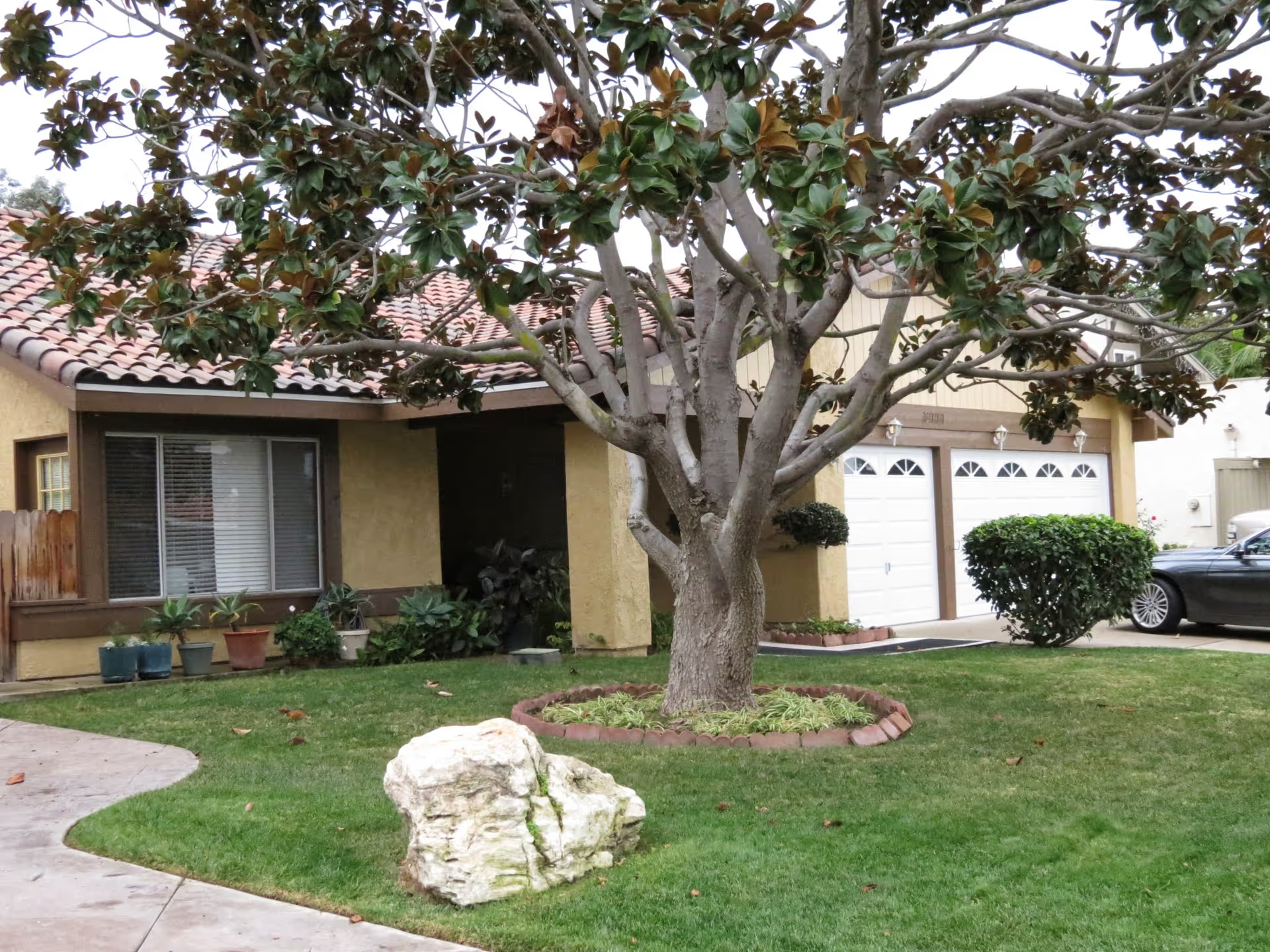
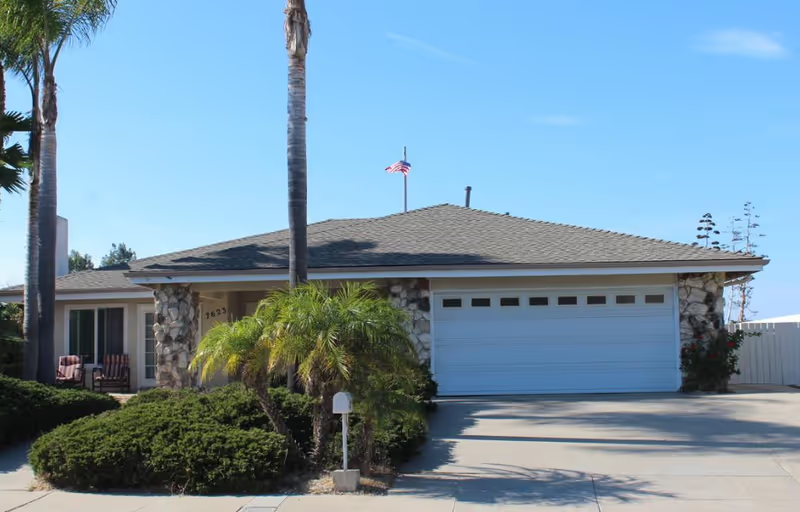
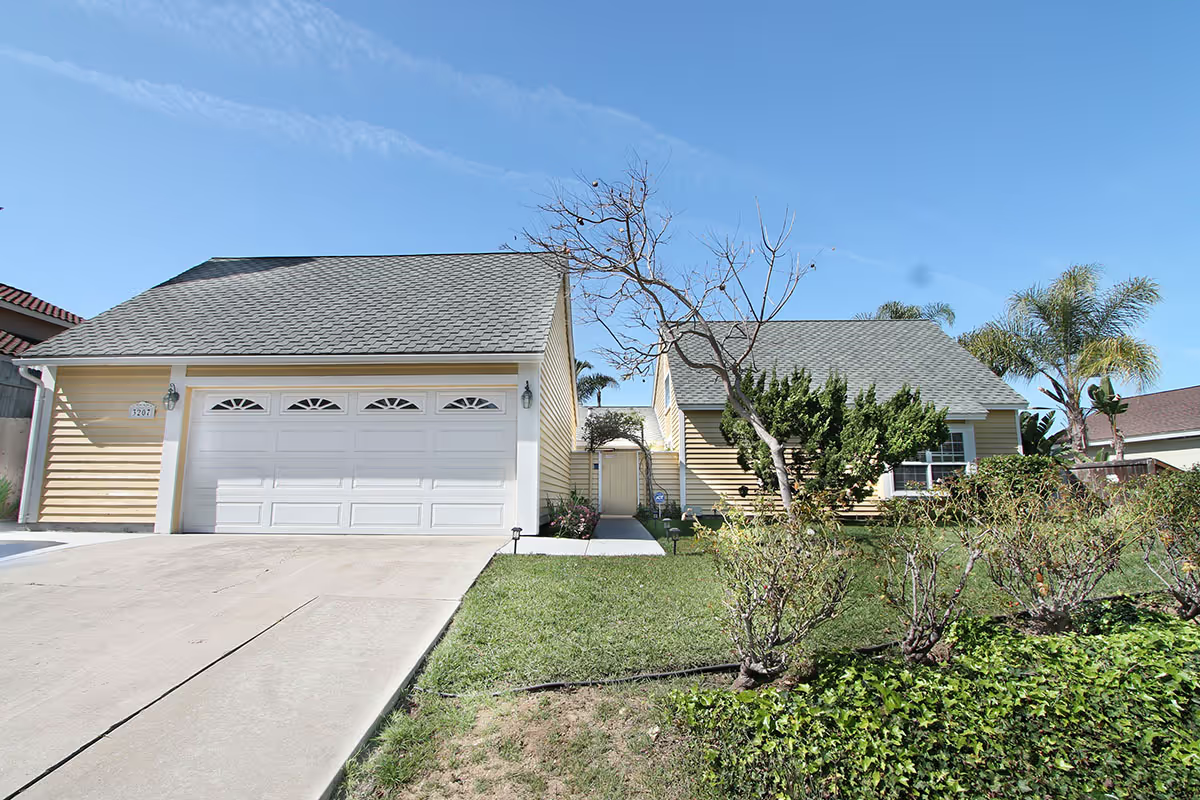
Overall impression: RanchView Senior Assisted Living is consistently described as a small, family-owned facility with a home-like atmosphere, strong attention to cleanliness and grounds, and a pronounced emphasis on activities—especially music, art, and outdoor time. Many families praised the facility's compassionate caregivers, engaged owners, and a dementia-focused approach that can be beneficial for residents with memory impairment. The property itself is frequently described as bright, airy and well-maintained, with a large landscaped courtyard and easy outdoor access that families value.
Care and staff: Reviewers commonly highlight warm, attentive caregiving and experienced dementia-care staff. Several families described measurable improvements in resident well-being while in residence (for example, weight stabilization and increased engagement). The private ownership and hands-on involvement of owners and administrators are cited as strengths that contribute to personalized attention and rapid resolution of many operational issues. At the same time, there are recurring concerns about clinical continuity: nursing leadership and med‑tech roles appear to turn over at times, and that inconsistency can affect care handoffs and reliability of clinical tasks.
Clinical management and safety: Positive accounts of hospice support and individualized care coexist with accounts of lapses in execution of medical orders and follow-up. Multiple families described instances where physician orders or specific clinical interventions were not consistently applied or where follow-up for skin issues and other medical complaints was delayed. These accounts point to operational gaps in clinical oversight and shift-to-shift consistency rather than an absence of caring staff. Safety practices such as wander-prevention and hands-on attention are noted as strengths, but reviewers also described falls and other clinical incidents that underscore the facility’s dependence on stable clinical staffing and clear protocols.
Dining and daily life: The dining program earns mixed-to-positive remarks. Many reviewers praised the food, meal presentation, and the facility’s routine of live entertainment and activities tied to dining and social engagement. A smaller set of accounts raised concerns about inconsistent portioning or occasional meal interruptions. Activities programming is a clear strength—regular live music, arts and crafts, gardening, and Bible study create a lively calendar that families frequently cite as improving quality of life.
Facilities and amenities: The facility’s small scale and private-home feel are repeatedly affirmed; reviewers like the bright interiors, lack of institutional odor, and the large, sunny courtyard. That same small scale can be a limitation for families seeking a broader range of amenities or a larger resident community. Several families noted a smaller resident population, which supports individualized attention but can also limit conversational peers for residents with milder cognitive decline.
Management, communication, and costs: Management is often described as accessible and involved, with many families noting frequent photo/video updates and direct communication. However, there are recurring themes around inconsistent transparency, variable communication tone, and limited receptivity to criticism from some members of leadership. A few families characterized interactions as defensive when raising concerns. Cost is another area of divergence: many reviewers consider the fee reasonable for the level of private, non‑corporate care, while other families felt the monthly fee was high relative to their experience and expectations.
Notable patterns to weigh: Strengths cluster around personalized, compassionate caregiving; an engaging activity program; clean, attractive physical spaces; and owners who are closely involved. Areas for due diligence include confirming clinical staffing stability and oversight (RN and med‑tech continuity), clarifying protocols for adherence to physician orders and for clinical follow-up, understanding exact meal-service practices and portioning, and discussing how the facility handles family concerns and feedback. Prospective families should tour with those operational questions in mind, ask about recent staff turnover, incident-response protocols, and sample activity/dining schedules to determine whether RanchView’s home-like model matches their priorities.