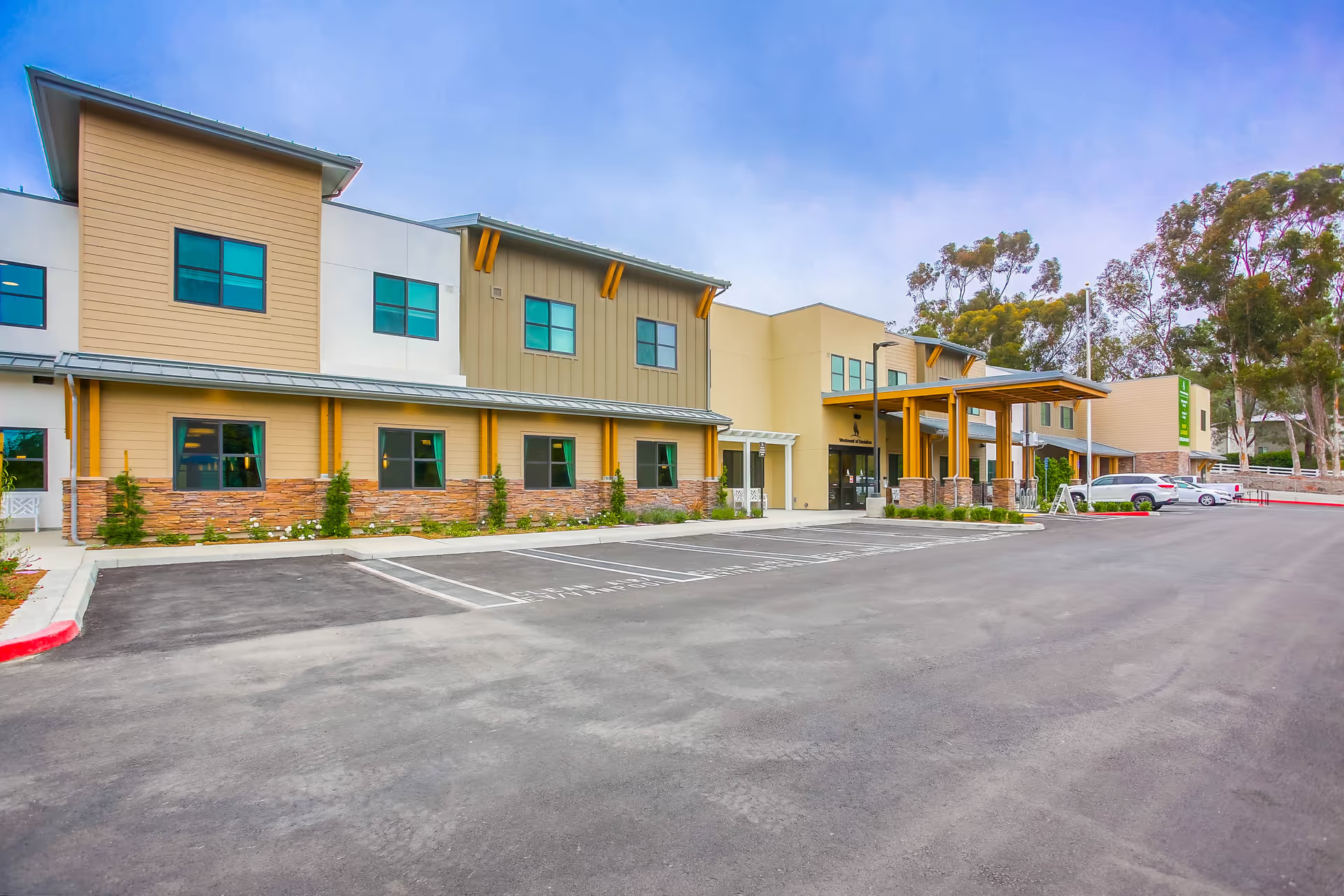
Overall impression: Summerfield Memory Care of Encinitas is described by many families as a small, home-like memory-care community with a strong focus on dementia-specific programming. Strengths most commonly cited include compassionate, dementia-trained caregivers, a visible and accessible leadership team, well-regarded daily meals prepared by a capable chef, and numerous indoor and outdoor social areas that support engagement. The facility’s compact size and neighborhood layout are repeatedly referenced as supporting familiarity between staff and residents and enabling personalized attention.
Care and staff: Reviewers overwhelmingly highlight warm, attentive caregiving and staff who learn residents’ names and preferences. There is consistent praise for 24-hour companionship, dementia-focused training, and on-site nursing and hospice coordination. Executive leadership and community administration are often described as proactive and reachable; several families noted clear communication and rapid resolution when routine issues arise. However, a pattern of inconsistent staffing and periodic turnover was noted, which families linked to slower response times at certain moments and variable follow-through on some managerial promises.
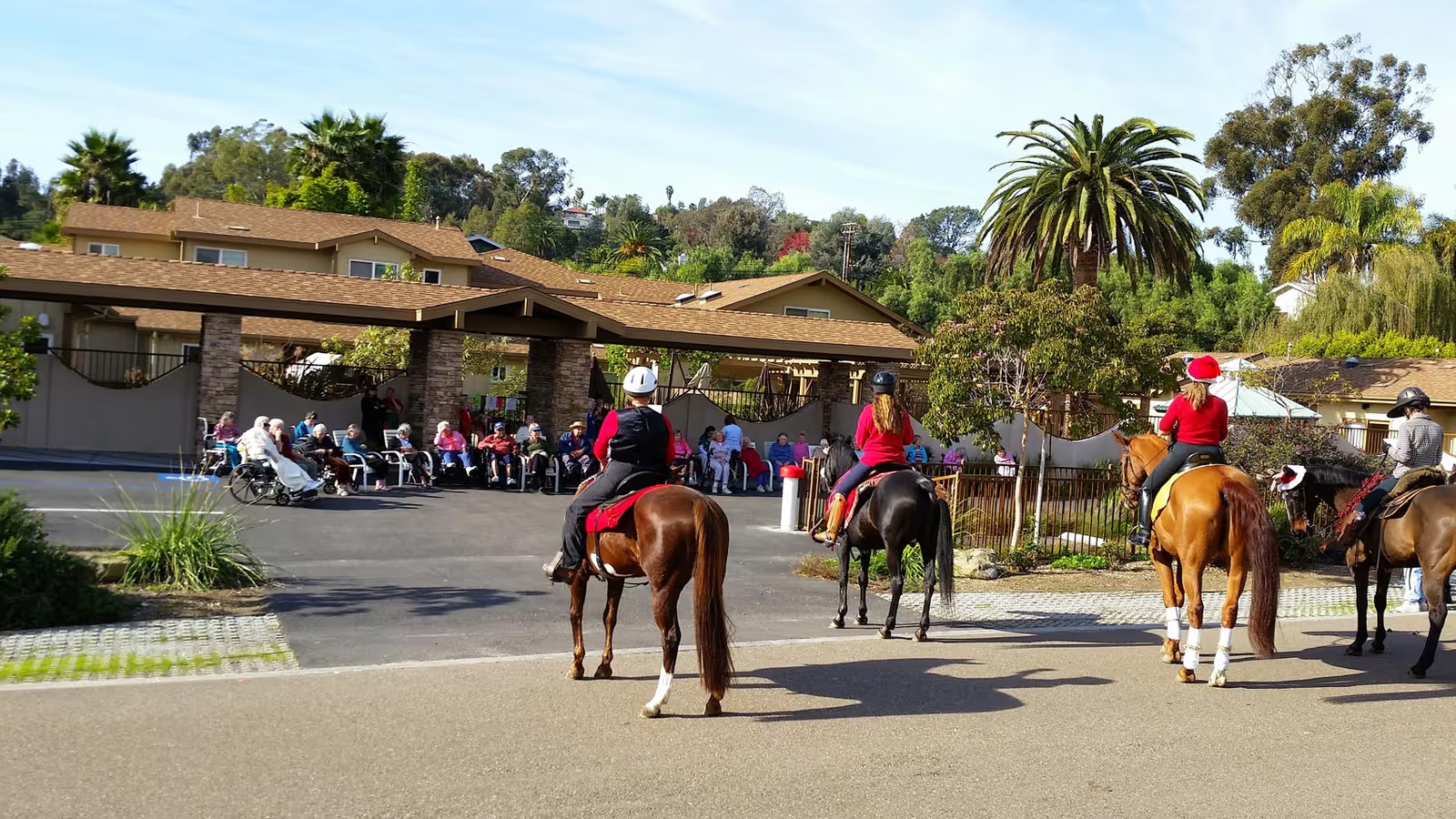
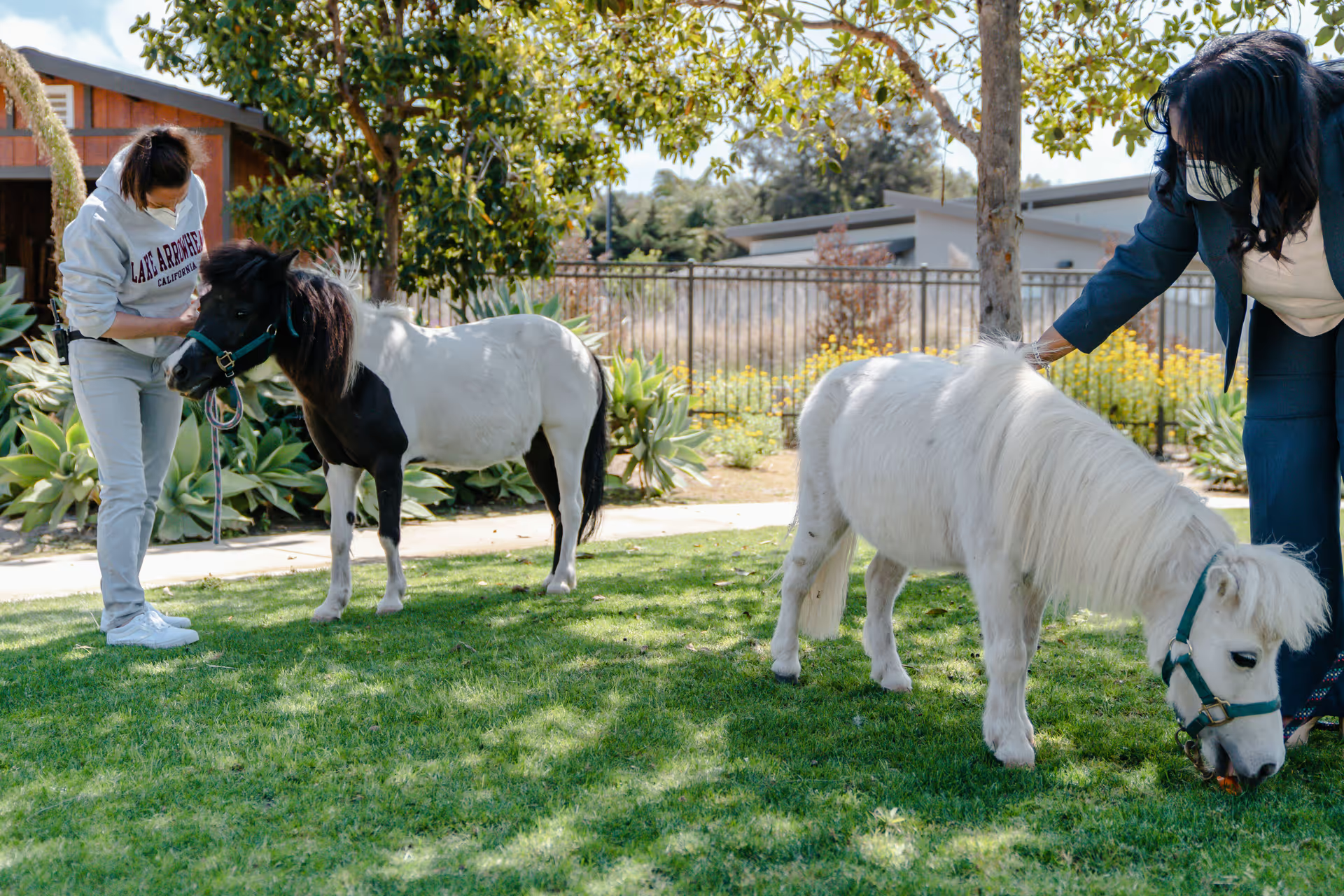
Dining and activities: Dining is a clear strength — fresh, varied meals and a talented chef are frequent positives, and many residents are reported to enjoy the food. Activity programming is robust, with art classes, music, group games, outings and a day-stay option that families value for socialization. That said, some families would like more consistency and variety in scheduled activities and more frequent off-site outings. The community’s Montessori-style and engagement-focused approaches were singled out as beneficial for resident stimulation.
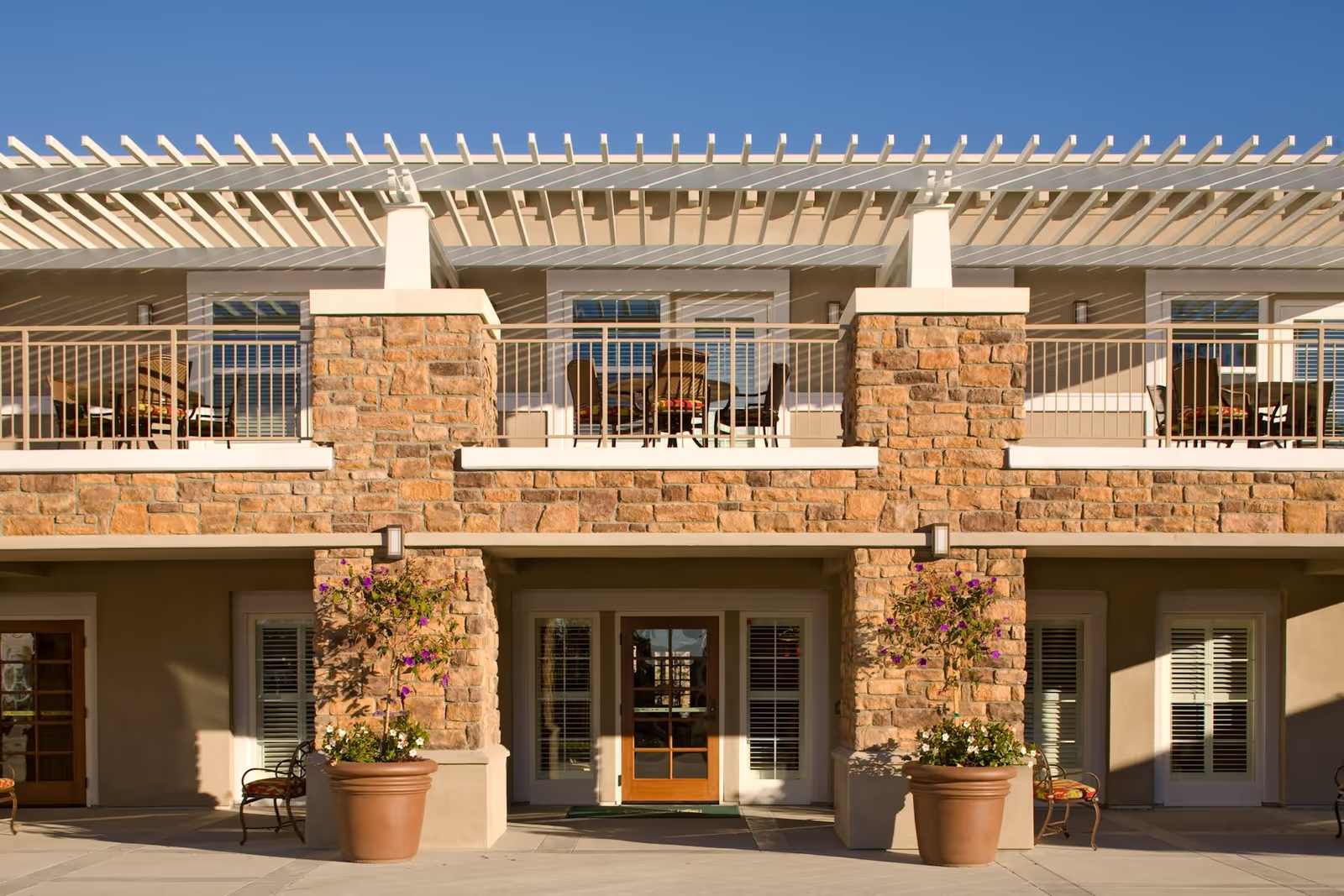
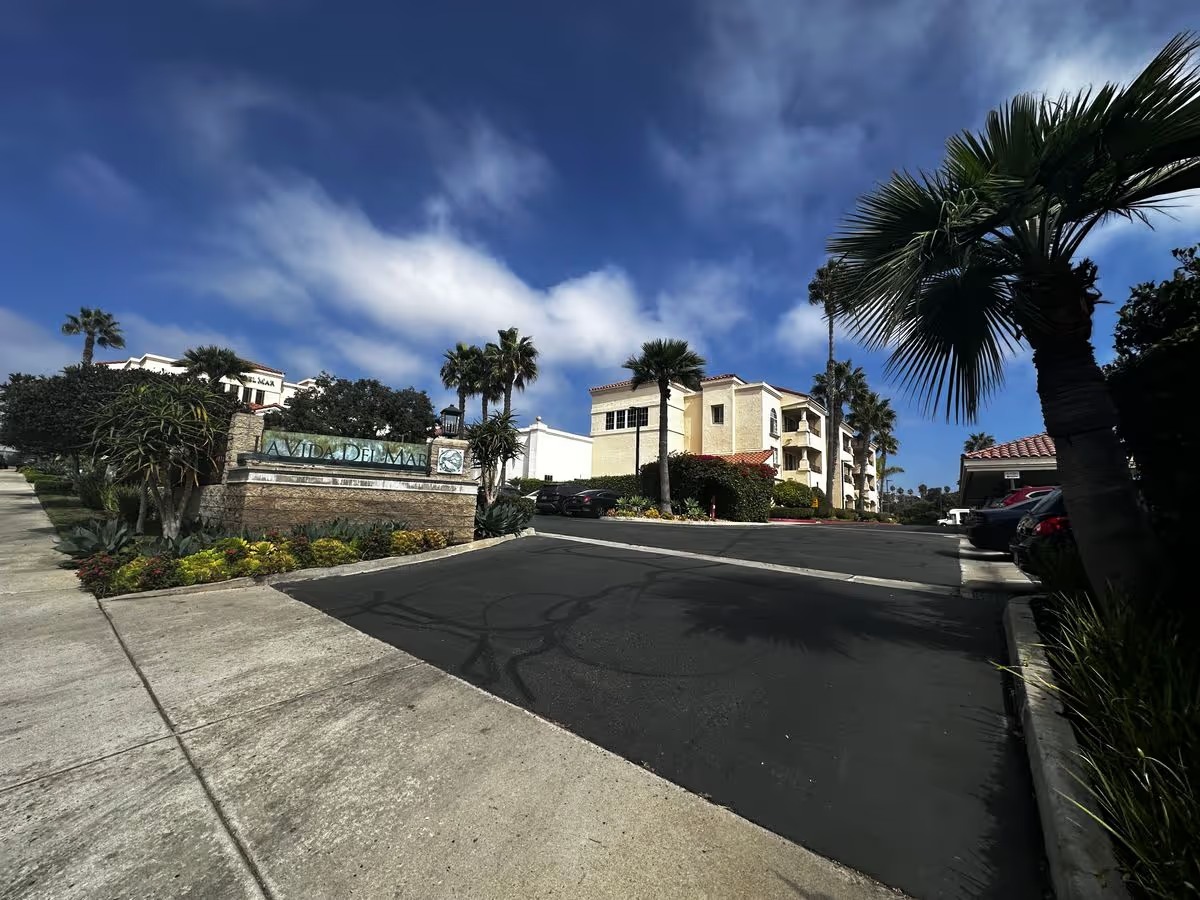
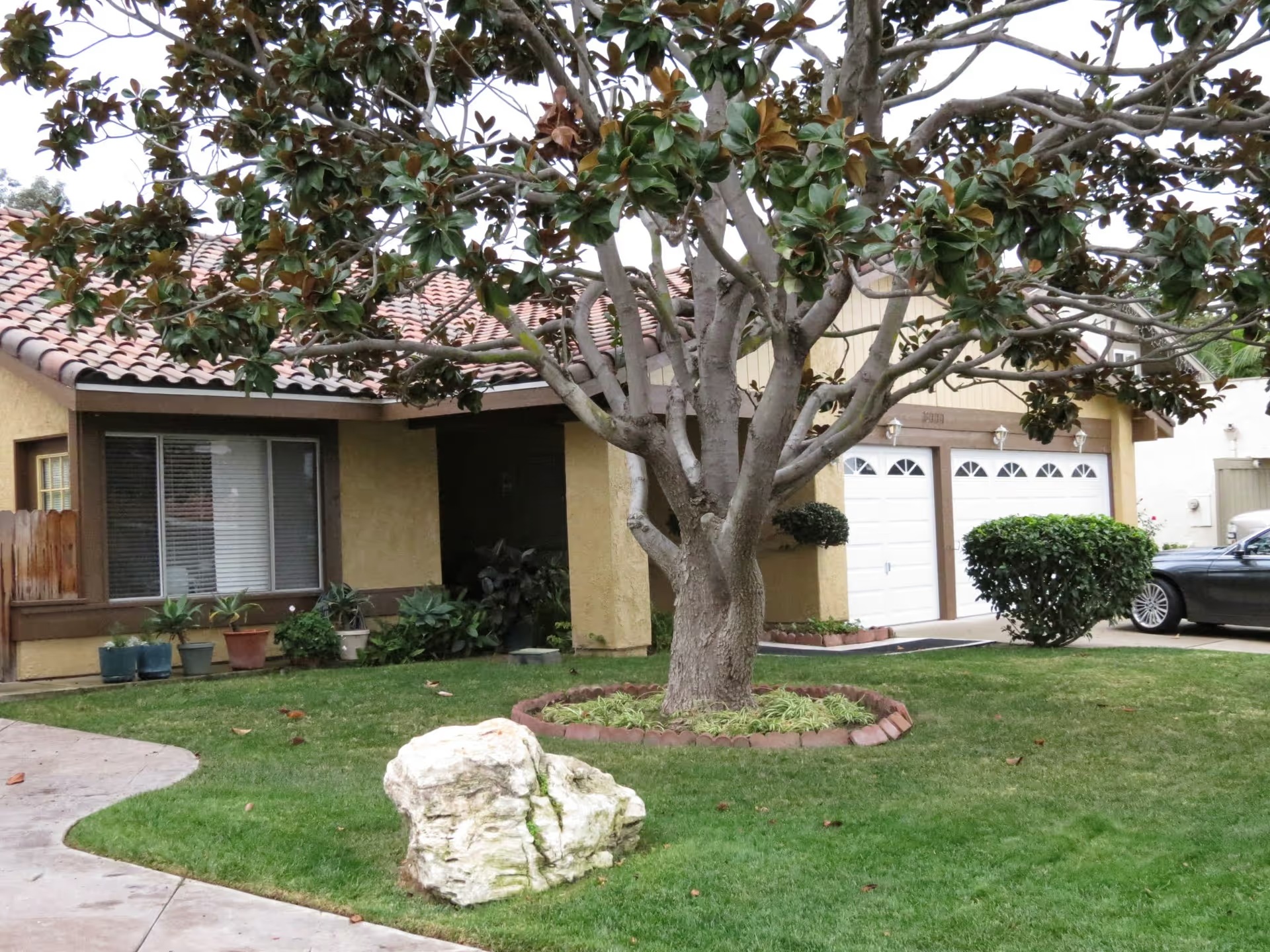
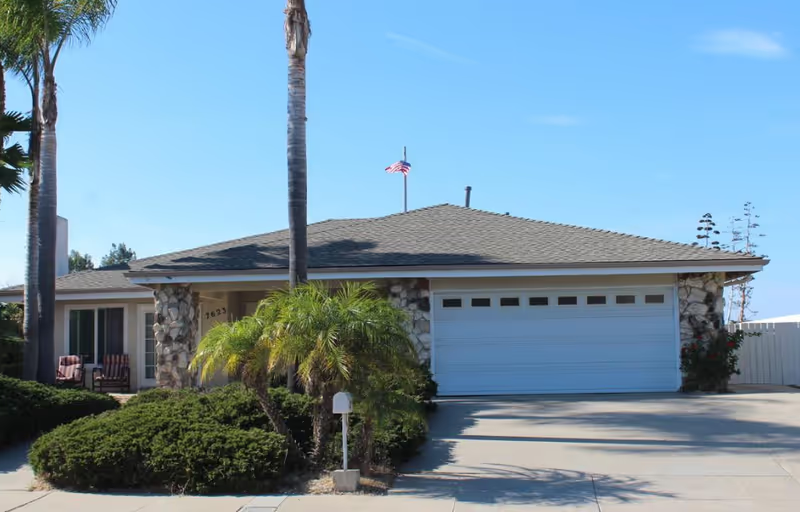
Facilities and environment: The physical plant is described as clean, homey and easy to navigate. Multiple enclosed courtyards, patios and pathways support safe outdoor access and walking. The memory-care design—neighborhoods with shared shower rooms and open circulation that allow safe wandering—is viewed positively for resident safety and orientation. The building is not brand new but is maintained; room configurations include studio and semi-private options with practical amenities. A notable facility trait is the lack of private in-room showers, which some families identified as a limitation relative to other properties.
Clinical and operational concerns: Several operational weaknesses recur across reviews. Families described inconsistent bathing and hygiene routines, laundry and personal-belongings management issues, and gaps in medication-administration processes; these deficits were linked to worry about reliability and dignity of care in isolated instances. There are also mentions of a scabies-related event and broader pest-control and infection-event management concerns, which some families expected to be handled more proactively. Limited off-site transportation and occasional variability in staff responsiveness and activity scheduling were additional operational constraints cited.
Balance and recommendation considerations: For prospective residents and families, Summerfield’s chief attractions are its dementia-specific focus, personalized caregiving, strong dining program, and secure, walkable outdoor spaces. These strengths are balanced against operational items to evaluate during a tour: staffing consistency and turnover patterns, medication-administration safeguards, laundry and belongings tracking processes, infection-control protocols, and the absence of private in-room showers. Many families concluded that, after comparing multiple options, the community’s culture and leadership made it an appropriate choice for their loved ones, while advising continued attention to the operational issues noted above.