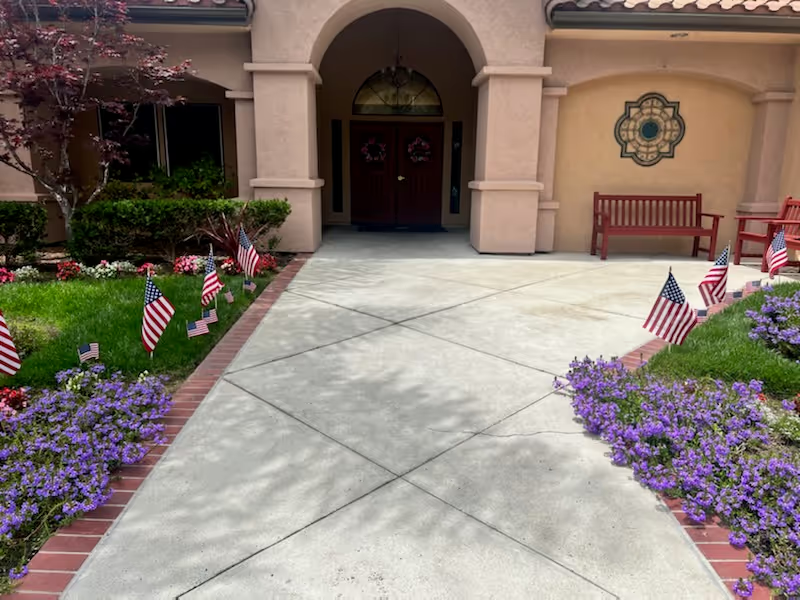
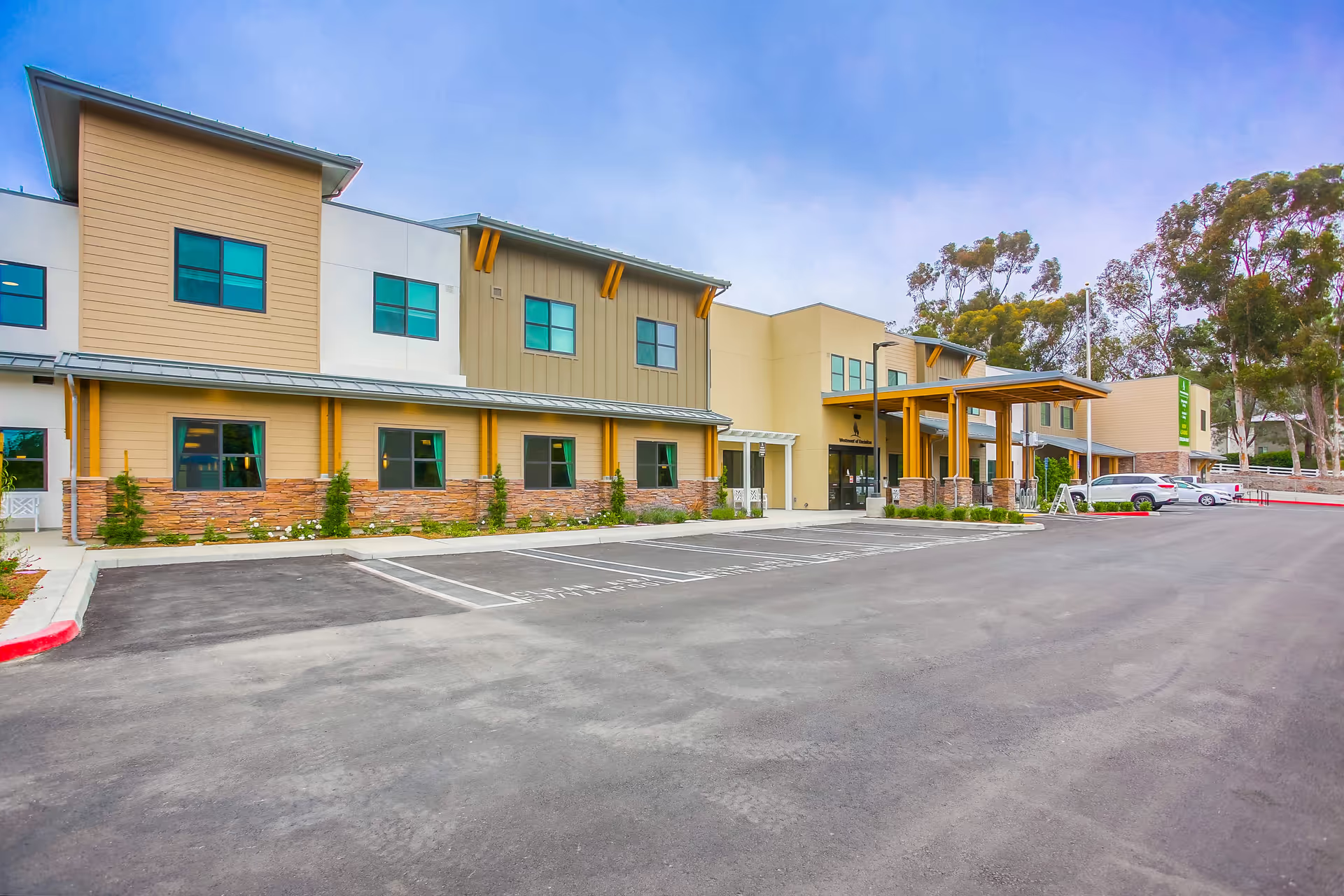
Silverado Encinitas receives predominantly positive feedback for its memory-care expertise, compassionate staff, and individualized approach. Families and professional care managers often describe staff as knowledgeable, patient, respectful, and attentive to residents’ histories, preferences, and changing needs. Several accounts highlight support during transitions, responsive communication with families, and coordination with outside clinicians and hospice providers. Reviewers also value the community’s nursing and geriatric clinical resources. However, one highly adverse account raised concerns following a resident’s death, including fall response, overnight safety planning, staff preparedness, medication coordination, and whether the resident’s needs were an appropriate fit. This account contrasts with other families’ positive descriptions of clinical care; prospective families may wish to discuss staffing, escalation procedures, and support for complex behavioral and medical needs in detail.
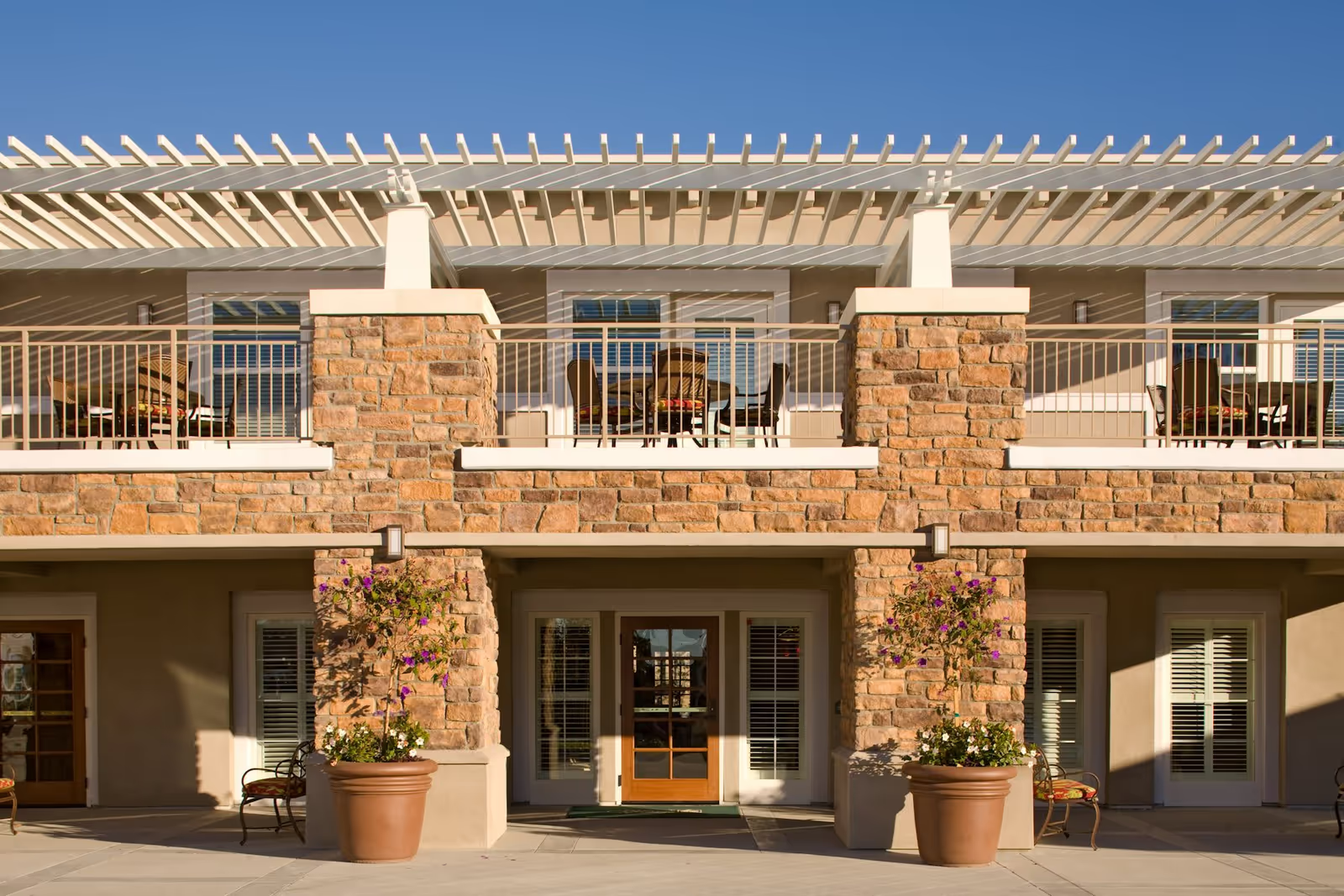
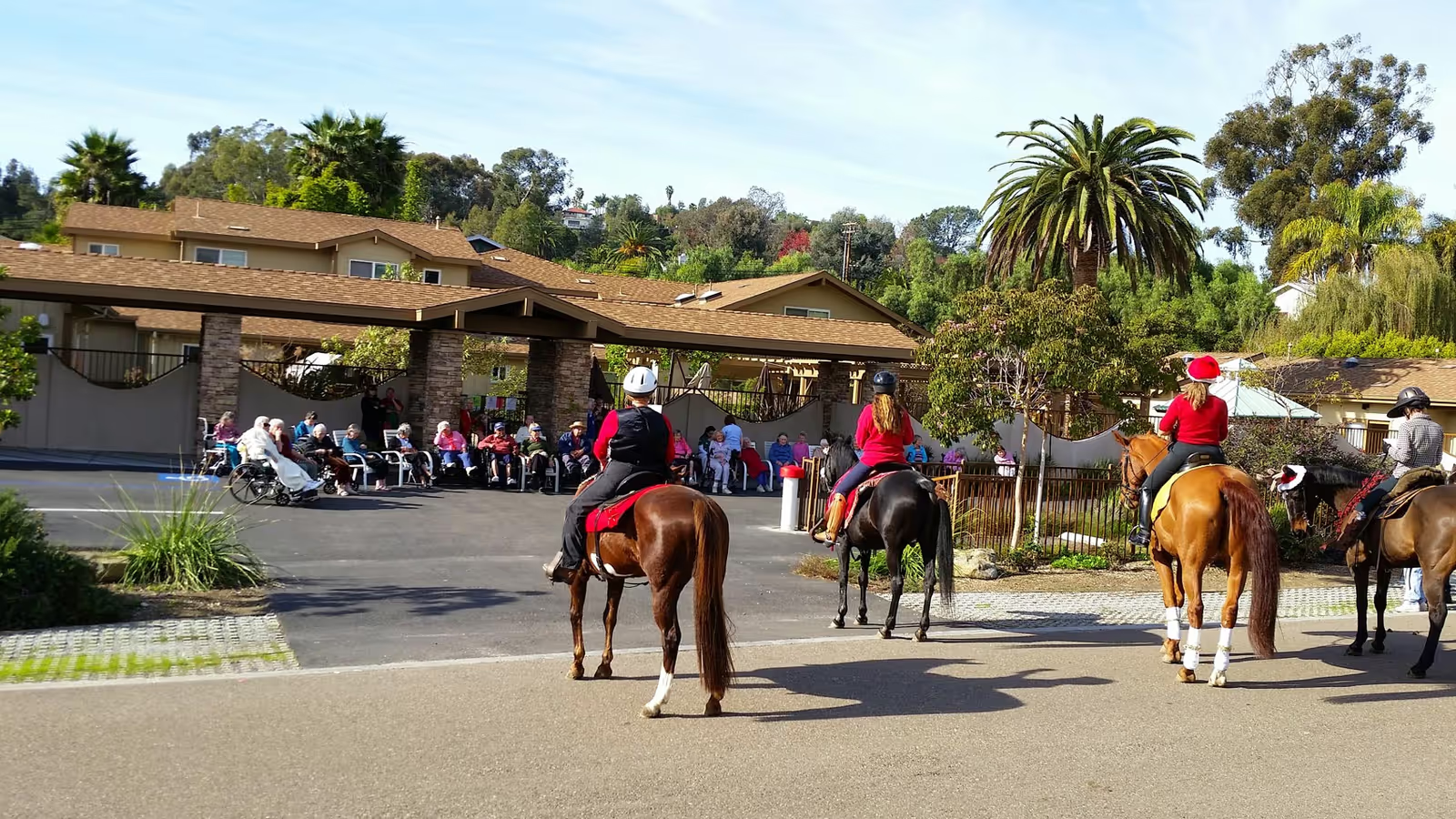
Engagement is a recurring strength. Reviews describe a broad schedule of cognitive, creative, social, and physical activities, along with outings, special events, and opportunities for family participation. Animals—including resident pets and therapy animals—are distinctive features that many families say bring comfort and interest. The secured outdoor areas, patios, gardens, and walking spaces are also valued. Experiences are not uniform, though: some families felt that activities did not sufficiently match a resident’s communication or cognitive abilities, and one account characterized outdoor access and individual stimulation as limited. The community may therefore be a better fit for some residents and stages of dementia than others.
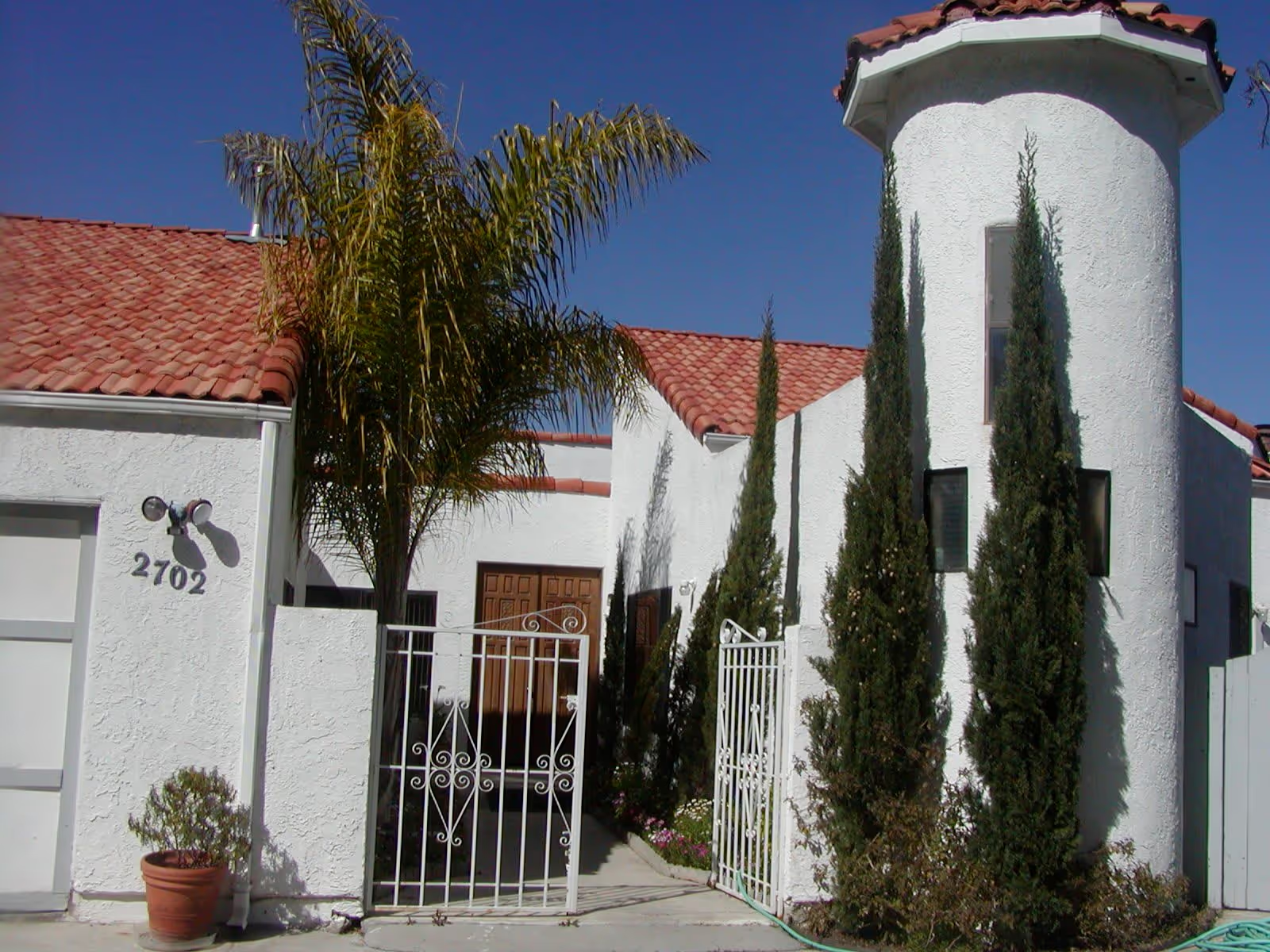
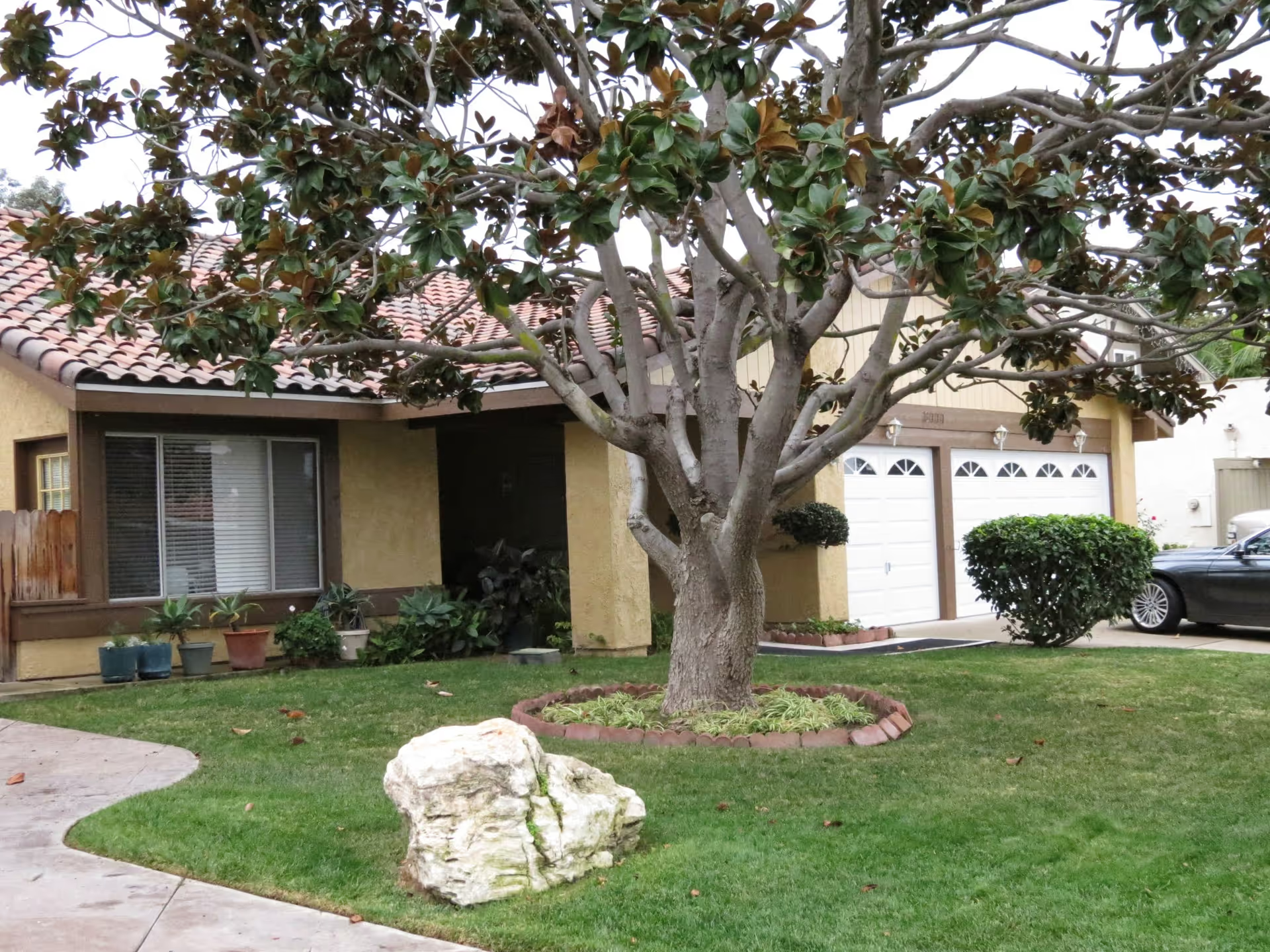
Dining feedback is generally favorable, with families mentioning meal variety, enjoyable food, family meals, and accommodations for different dietary needs. Other accounts describe inconsistent meal quality or follow-through on special requests. The facility is often described as clean and welcoming, but some visitors noted a persistent odor, dated decor, or upkeep concerns. Room size is a more consistent drawback: some reviewers found rooms small or dated, and shared-room arrangements and available space for personal belongings were not suitable for every family. Several reviewers also consider the monthly price and deposit high, particularly in relation to room size or perceived value.
Management and service coordination receive mixed assessments. Many families praise open communication, helpful leadership, and staff who make themselves available; others describe dismissive communication or difficulty getting promised routines and supports carried out consistently. Concerns also appear around cleanliness and oversight of personal belongings, though these are not universal accounts. Overall, the reviews portray a community with strong perceived strengths in staff compassion, specialized memory-care programming, and family involvement, alongside meaningful variation in room condition, cost, follow-through, and fit. An in-person visit, discussion of the resident’s specific care needs, and clear questions about room options, activity adaptation, clinical escalation, and service commitments may help families assess suitability.