Overall impression: Reviews present a mixed picture. Several families and long-term residents praise the facility’s clean, well‑maintained physical environment and describe a homelike atmosphere with compassionate, personalized care from staff and an owner/administrator who is knowledgeable about dementia. At the same time, other reviewers raised operational concerns that affect trust and daily life for some residents.
Care and staff: Positive comments highlight attentive administration and staff who provide individualized support, contributing to overall resident satisfaction in many cases. However, a recurring theme is inconsistency: some reviewers describe staff who are unresponsive or terse, while others found staff helpful. More concerning are reports of medication-administration errors and related trust issues; these suggest gaps in medication tracking and verification processes rather than isolated praise. Staffing availability and staff knowledge/communication were also uneven across accounts.
Dining and activities: Dining quality is generally described as acceptable or "OK," indicating that meals meet basic expectations but may not stand out. Activity programming appears to be limited for some residents — multiple comments referenced few or no activities — which may reduce engagement opportunities for those seeking a more active social calendar.
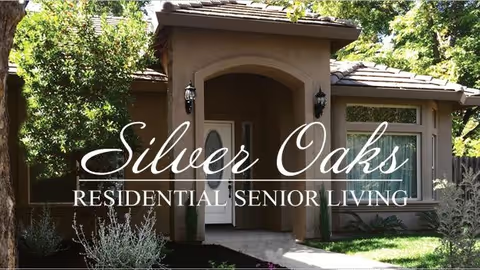
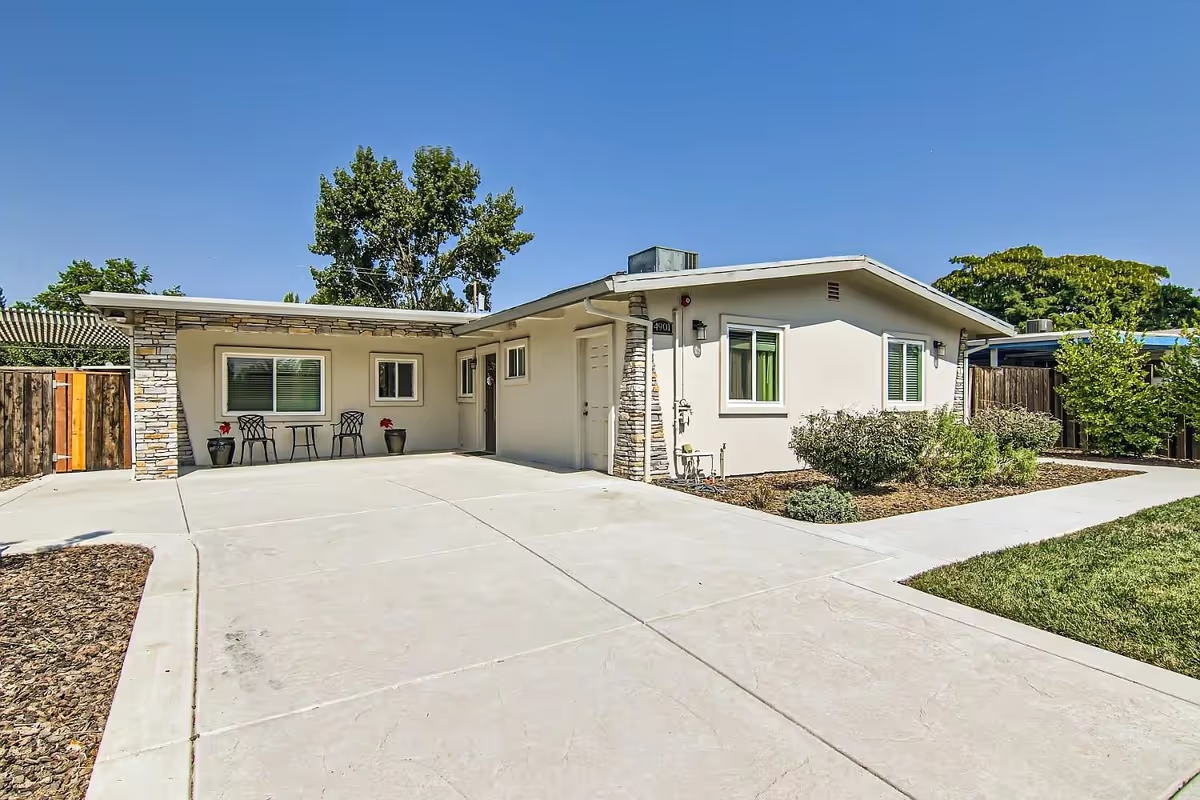
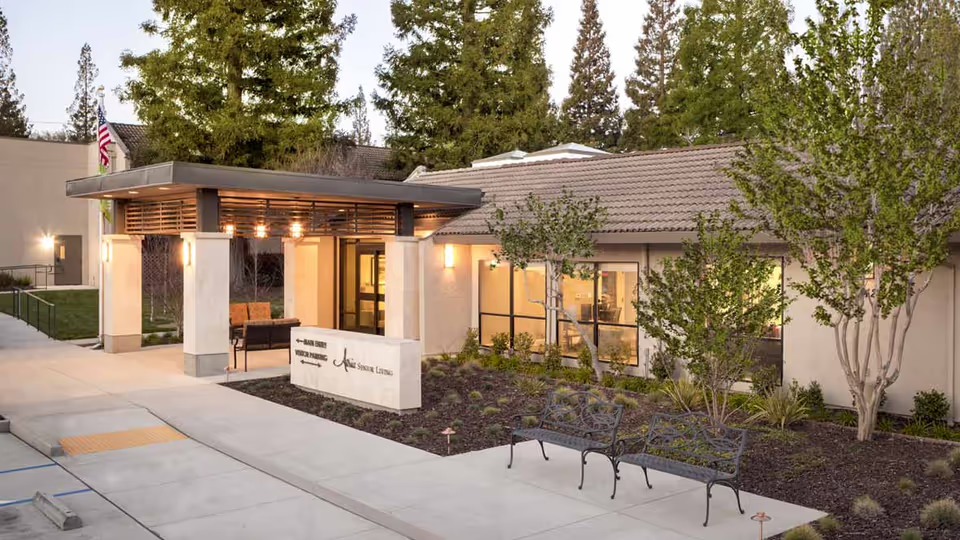
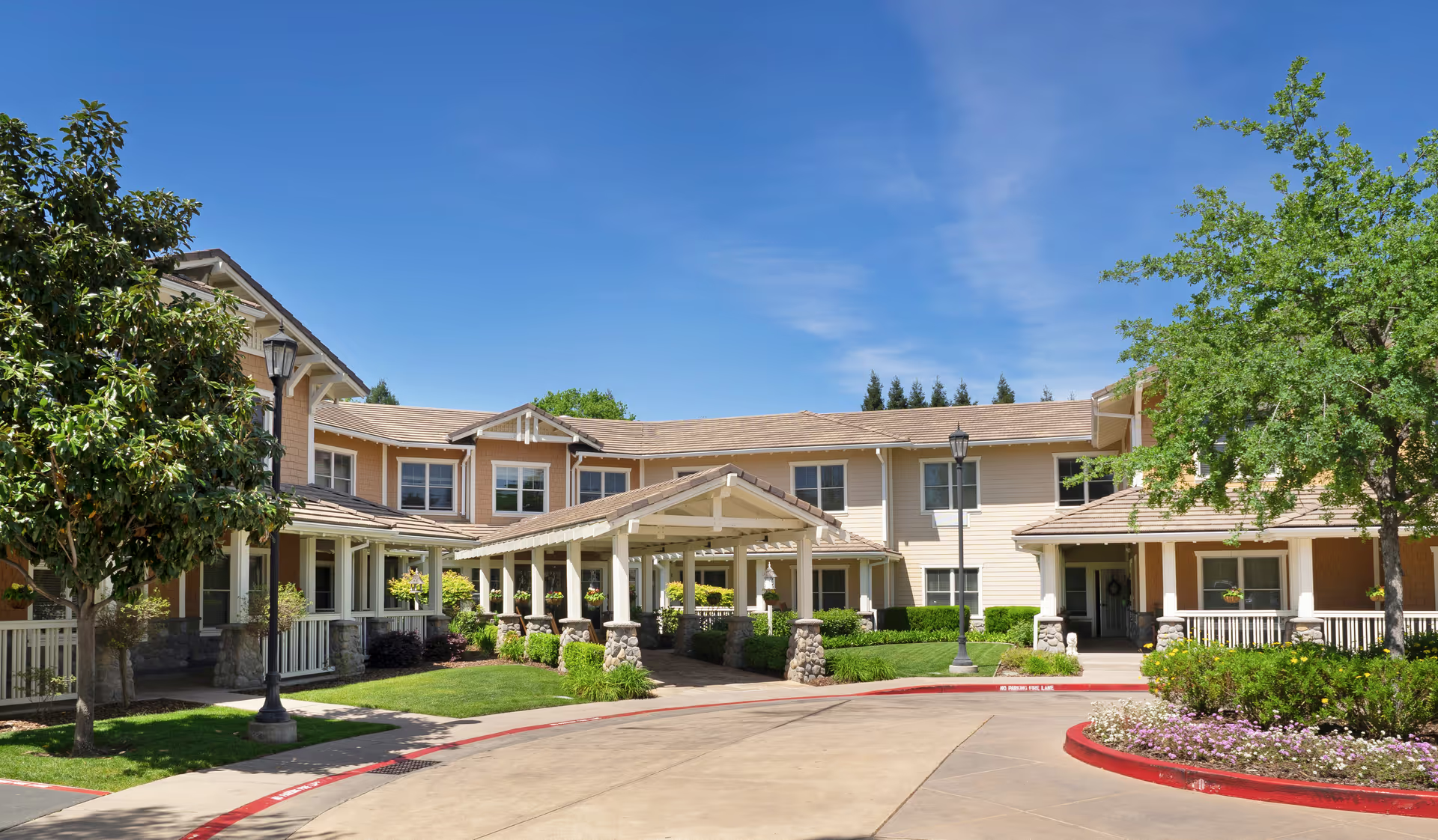
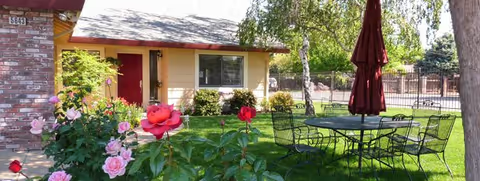
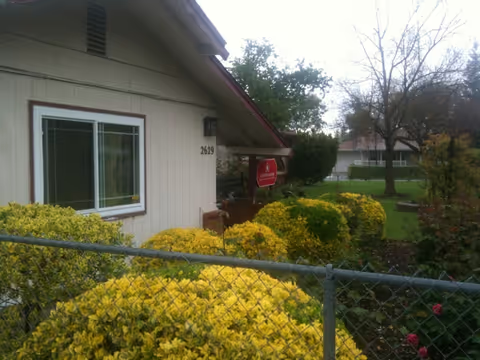
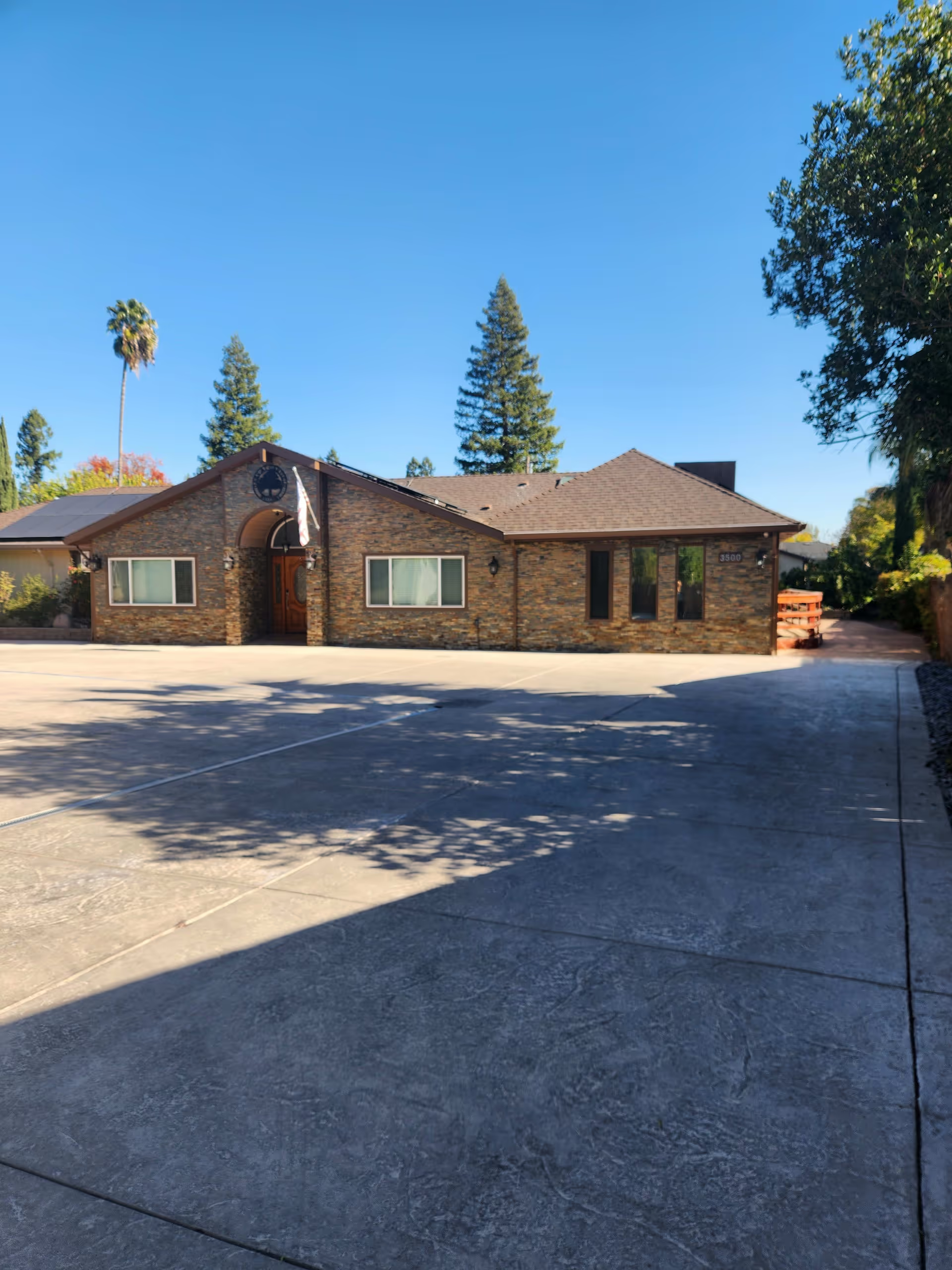
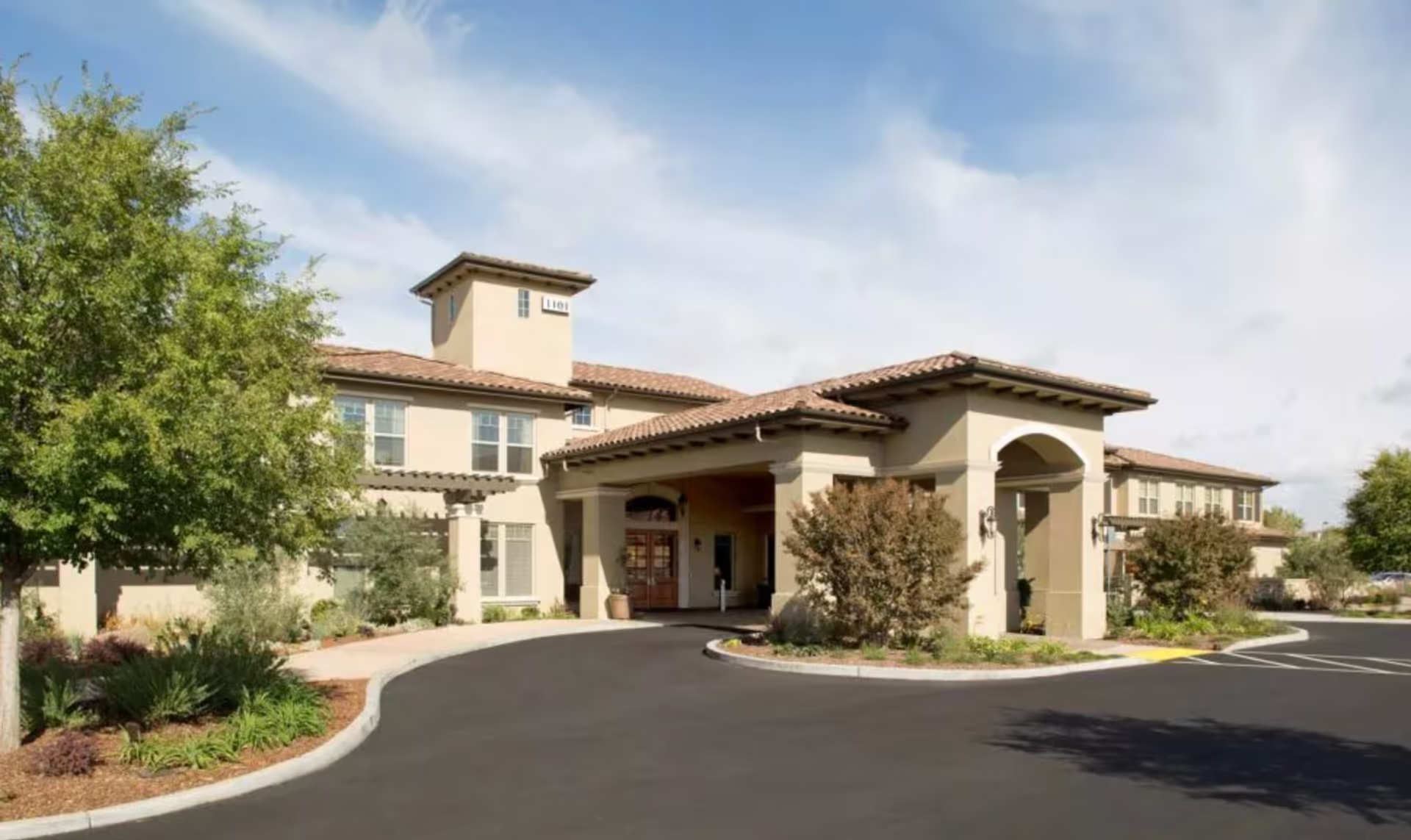
Facilities and admissions: The physical plant is consistently viewed positively: clean, pleasant, and home‑like. Admissions interactions varied; when admission staff or the owner were involved, reviewers often noted informative and pleasant tours. At the same time, reviewers reported coordination issues during tours and admissions, and a lack of available rooms at times, indicating capacity constraints and variable admissions staffing.
Management, billing and policies: There are mixed impressions of management. Some reviewers commend the administrator’s attentiveness, while others describe management inaction when concerns are raised. Specific operational patterns emerged around billing and occupancy: unexpected rate increases, double-occupancy rooming changes, and at least one billing dispute were cited. These items point to a need for clearer contract terms, transparent communication about rooming/fees, and stronger complaint-resolution processes.
Notable patterns and considerations for families: Strengths include a clean, well‑cared‑for environment, a generally compassionate approach to individualized care, and administrative dementia knowledge. The most significant areas to evaluate in person are medication-management protocols, staff-to-resident responsiveness during different shifts, the schedule and variety of activities, and the written contract terms governing fees and rooming arrangements. Prospective families should ask for documentation of medication administration procedures, examples of activity calendars, clarification of occupancy policies, and the facility’s process for handling complaints and refunds before committing.