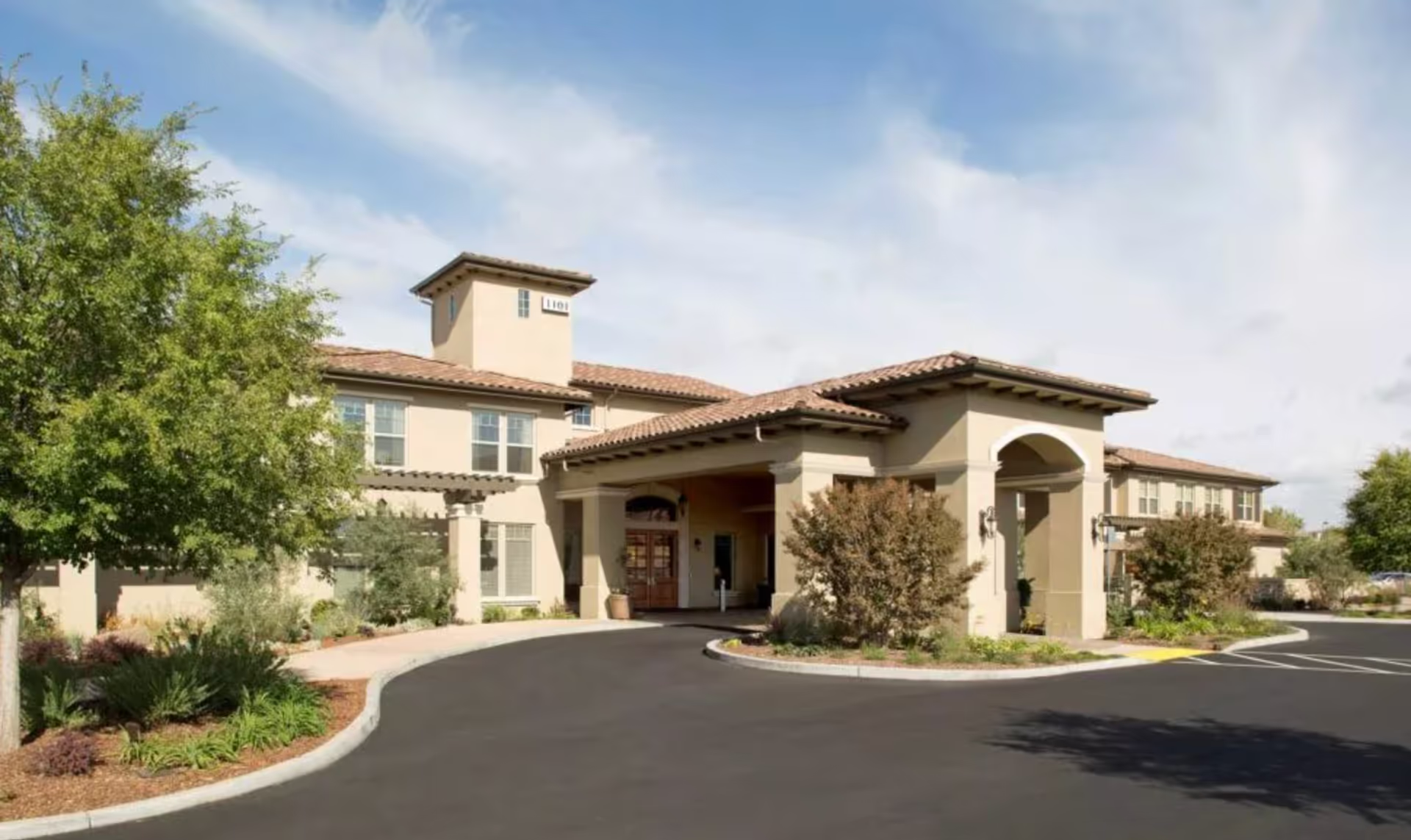
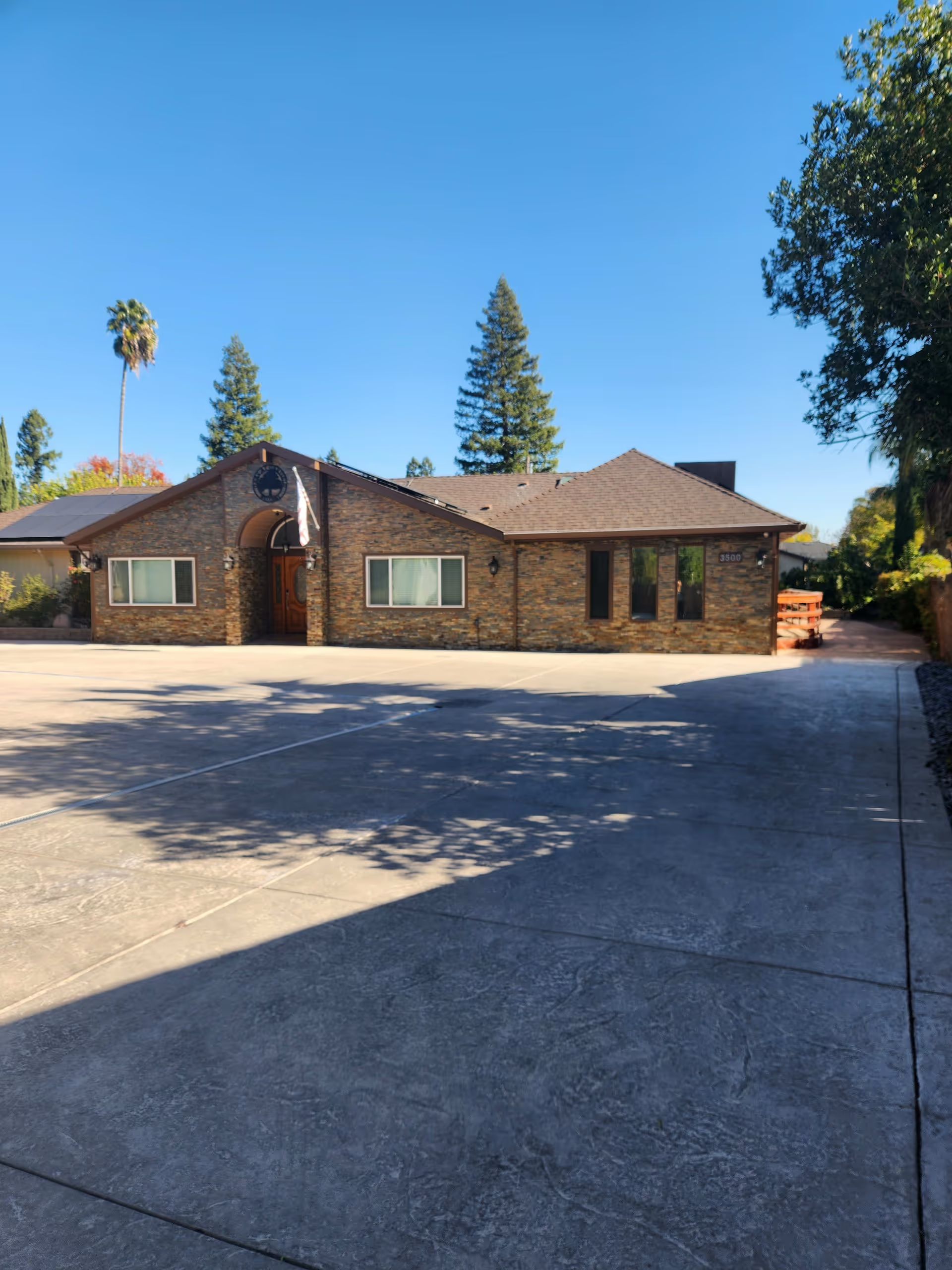
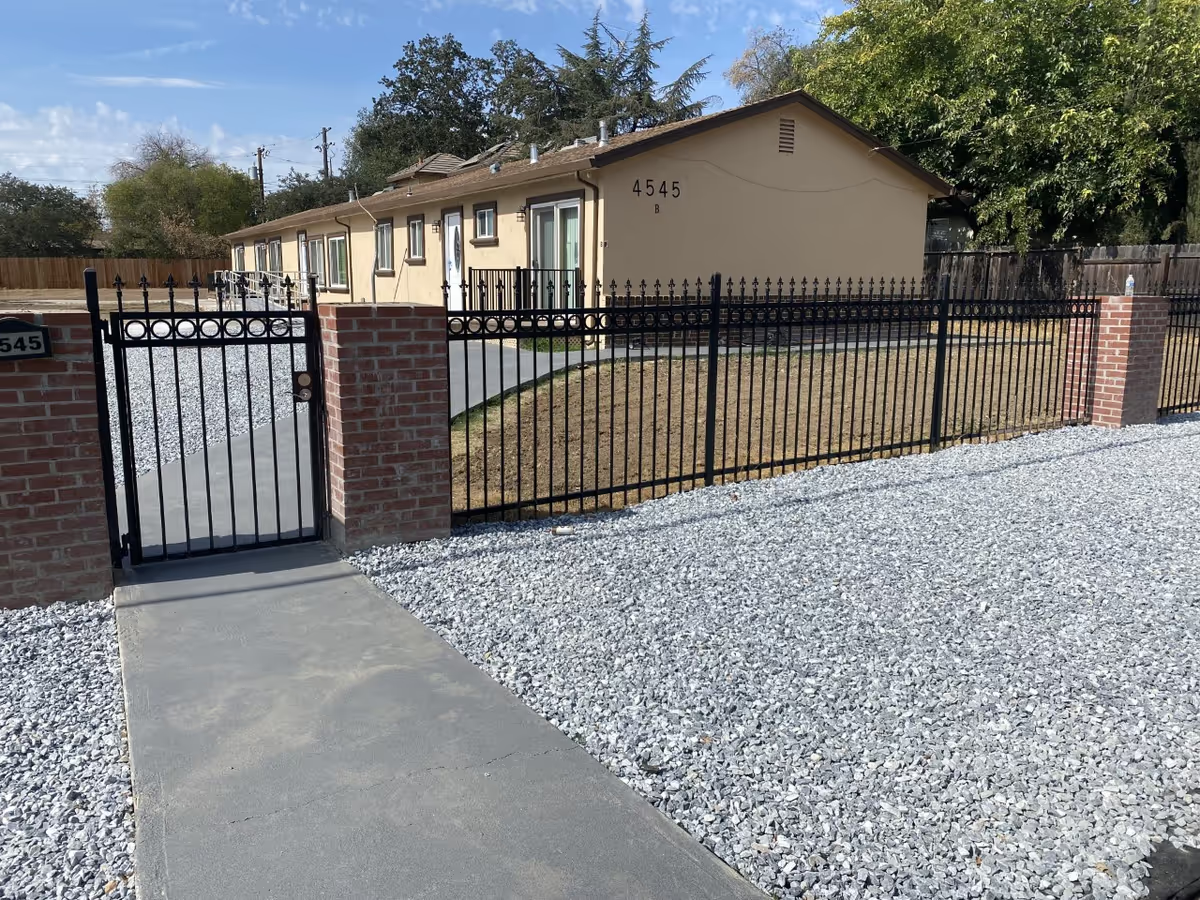
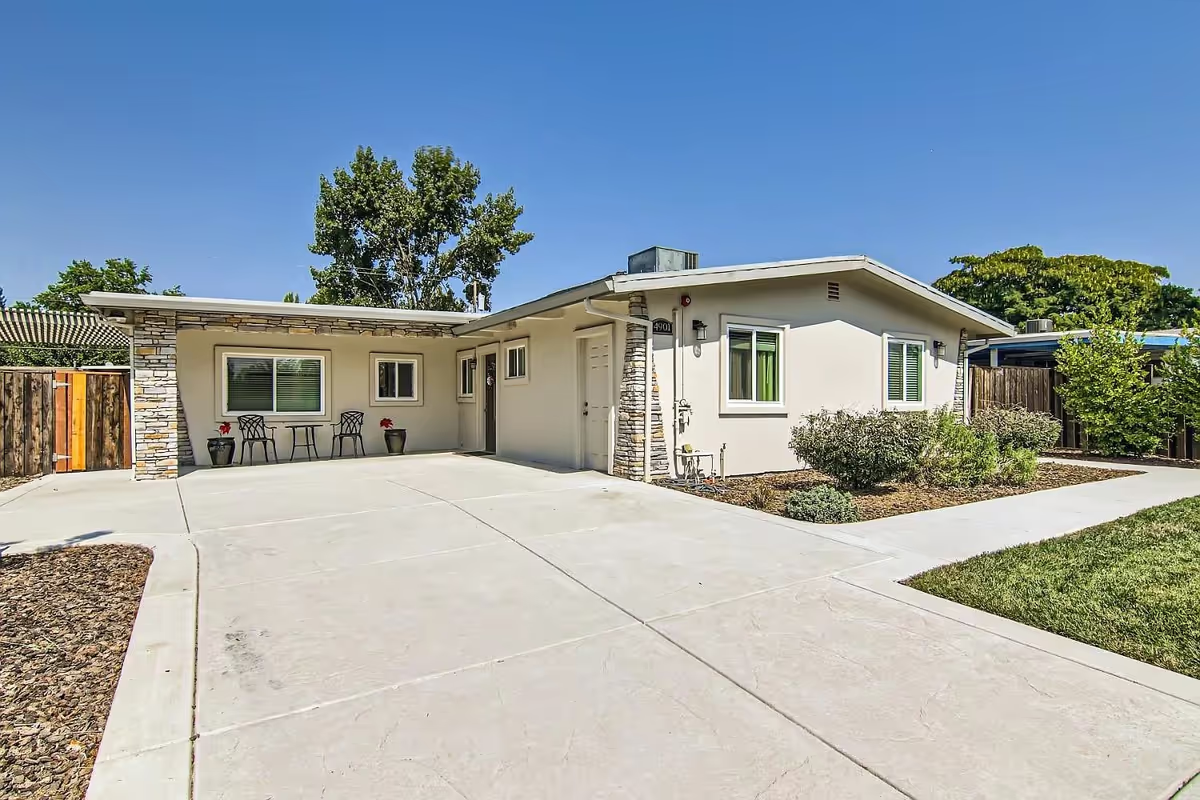
The reviews for Mission Carmichael HealthCare Center reflect a highly polarized set of experiences. Many families and residents praise the compassion and attentiveness of individual nurses, CNAs, and therapy staff, and several accounts describe strong, effective physical and occupational therapy programs, engaging activities (music, art, pets, bingo), and a generally warm, family‑like culture in parts of the facility. At the same time, a substantial number of reviews describe operational weaknesses that materially affect day‑to‑day care.
Care quality shows a bifurcated pattern. Positive accounts emphasize individualized attention, respectful interactions, and proactive coordination of medications and pain management in select cases. Conversely, multiple reviews identify systemic failures: delays in responding to call bells, inconsistent bathing and toileting schedules, and concerns about medication administration controls. These issues combine to create variability in the timeliness and reliability of basic personal care and clinical oversight.
Staffing and staff conduct are recurring themes. Numerous reviews single out dedicated, long‑tenured staff and highlight caring CNAs and nurses by name; however, many others describe understaffing, frequent use of agency/registry personnel, and high turnover. Those operational staff issues are linked in reviews to slower response times, uneven skill levels, and problems with phone and voicemail responsiveness. Several reviews also document difficulties in family communication and care coordination with administrative or social‑work teams.
Dining and nutrition emerge as a consistent operational concern. Positive comments note helpful dietary staff and well‑planned meals for some residents, but many reviewers report inconsistent food quality, kitchen closures between meals, and failures to meet therapeutic dietary needs (for example, meals that do not align with renal or high‑protein plans and poor handling of special diets/allergies). Supply‑chain problems—shortages of linens and other consumables—also affect meal service and resident comfort in some accounts.
Facilities and housekeeping descriptions vary across reviews. Some areas and units are described as clean and well maintained, while others cite sanitation concerns, odor issues in common areas, inconsistent laundry handling, and deficiencies in basic supplies. Physical‑plant problems referenced include unreliable air conditioning, nonfunctioning ice machines, damaged or missing furniture, and limited front‑desk staffing after hours, which has caused access and safety concerns for visitors.
Management and systems-level patterns include reports of leadership turnover, unclear billing or insurance processing, and uneven infection‑control practices (including COVID‑related transitions). There are also multiple mentions of property‑loss issues and at least one allegation of theft and inadequate resolution—this points to weaknesses in property control and accountability processes. Family members are advised to clarify billing policies, staffing models, and property‑loss procedures during admissions.
In summary, Mission Carmichael appears to offer high-quality, compassionate care in many instances—notably in therapy services and among dedicated nursing and CNA staff—but it also demonstrates persistent operational and management challenges that produce inconsistent resident experiences. Prospective residents and families should consider an in‑person tour, ask specific questions about current staffing levels and agency use, medication‑administration safeguards, dietary accommodations for therapeutic needs, housekeeping and laundry protocols, property‑loss policies, and infection‑control practices before making placement decisions.