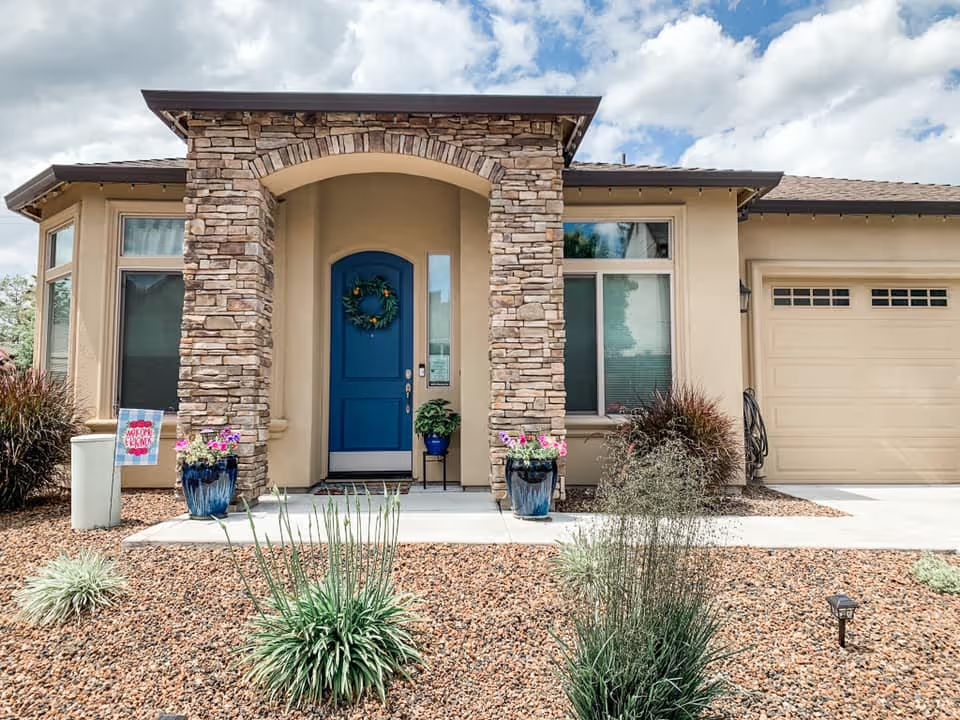
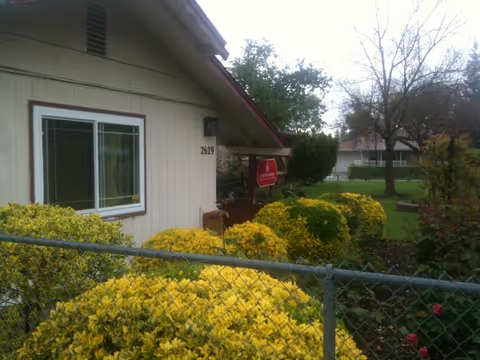
Reviews for RiverPointe Post Acute are strongly polarized. Many families describe excellent clinical rehabilitation, highly engaged therapists, and caring front-line staff who facilitate meaningful recovery and safe discharges home. Those positive accounts repeatedly highlight skilled PT/OT/Speech teams, attentive CNAs, compassionate nurses, an active activities program, and administrative staff who respond to concerns. Several reviews also note clean and bright common areas, helpful dietary accommodations, large visiting rooms and patios, and that leadership has taken steps to improve operations under new ownership.
Concurrently, a substantial subset of reviews raise operational concerns that affect resident experience and safety. The most consistent themes are inconsistent sanitation and environmental maintenance, variable staffing (particularly slower response on evening and night shifts), and problems with phone-based communication and discharge planning. Several families described delays or omissions in medication administration and clinical follow-through, as well as gaps in infection-control processes and roommate notification — issues that merit direct inquiry when considering placement. There are also repeated remarks about the building’s age and physical layout: narrow doors, cramped multi-occupancy rooms, limited family seating, and bathroom accessibility problems.
Dining and daily-care experiences vary across stays. Many reviewers praise the dietary team for accommodating preferences and for generally palatable meals, and some credit good portioning and alternate-menu availability. Other reports describe meal trays delayed in delivery or inconsistent assistance with feeding for higher-dependency residents. Laundry and personal-property handling have been flagged as an operational weakness by multiple families, with instances of lost clothing or denture problems cited.
Staff performance is a central dividing line in the feedback. Positive accounts emphasize respectful, communicative clinicians and staff who provide individualized attention and quick problem resolution. Critical accounts describe unprofessional conduct, use of personal devices during shifts, smoking near resident areas, and uneven oversight of staff behavior. A small number of serious claims — including allegations of theft and other misconduct — appear in the record; these are individual but significant and should prompt families to ask about incident reporting, investigation processes, and regulatory or ombudsman activity.
Management and leadership receive mixed marks: some reviewers praise proactive, hands-on administrators who address concerns and drive improvement, while others report poor responsiveness to billing, discharge, and safety-related calls. Parking constraints and exterior smoking-management issues also recur as practical concerns for visitors.
For prospective residents and families: a tour and direct questions are advisable. Specific items to check include staffing ratios by shift, infection-control and roommate-notification protocols, medication-administration safeguards, laundry and property policies, room configurations (private vs. shared), availability of family seating/overnight accommodations, and the facility’s complaint/investigation process. Where rehabilitation is the primary goal, RiverPointe’s therapy teams have many positive endorsements; however, families should weigh that strength against variability reported in environmental maintenance, responsiveness, and administrative follow-through.
Overall, RiverPointe offers notable clinical and rehabilitative strengths with variability in operational consistency. Those considering placement should verify current conditions and quality indicators in person and seek recent, unit-specific information from facility leadership before making decisions.