Reviews for Windsor El Camino Care Center are notably polarized: many families describe effective short-term rehabilitation and a number of staff who demonstrate strong clinical skill and compassion, while others report recurrent operational and safety concerns that materially affected resident well-being. Strengths most often cited include focused physical therapy programs (including intensive PT availability in some cases), engaged wound-care and physician services on-site, and admissions/front-desk staff who can provide a smooth entry experience. Several accounts describe measurable functional improvement and attentive nursing oversight during short-term stays.
At the same time, recurring themes point to inconsistent long-term care quality. Reviewers describe gaps in medication administration and documentation, missed or delayed medication doses, and lapses in clinical follow-up after hospital discharges. Infection-control and sanitation practices are described as uneven across units, and there are multiple references to incontinence-care concerns and delayed assistance with basic needs. Wound care and chronic-condition management are praised in some reports but cited as inconsistent in others, producing variable outcomes for residents.
Staffing and staff conduct emerge as a central operational issue. While many families highlight dedicated, knowledgeable nurses, others report understaffing, high turnover, and variable bedside manner among CNAs and ancillary staff. Delays in responding to call lights, inconsistent overnight coverage, and limited 24/7 RN availability were noted as contributors to safety and comfort problems. Language-access limitations and occasional unprofessional conduct are additional communication challenges cited by families.
Dining and therapies show mixed performance. Positive reports describe adequate portion sizes and effective therapy teams; negative reports cite inconsistent meal temperature and preparation, failure to honor therapeutic or restricted diets, and occasional spoiled or poorly prepared items. Activities and communal amenities (recreation room, gym, outdoor grounds, coffee/tea) are present but sometimes underutilized or described as repetitive, particularly for long-term residents.
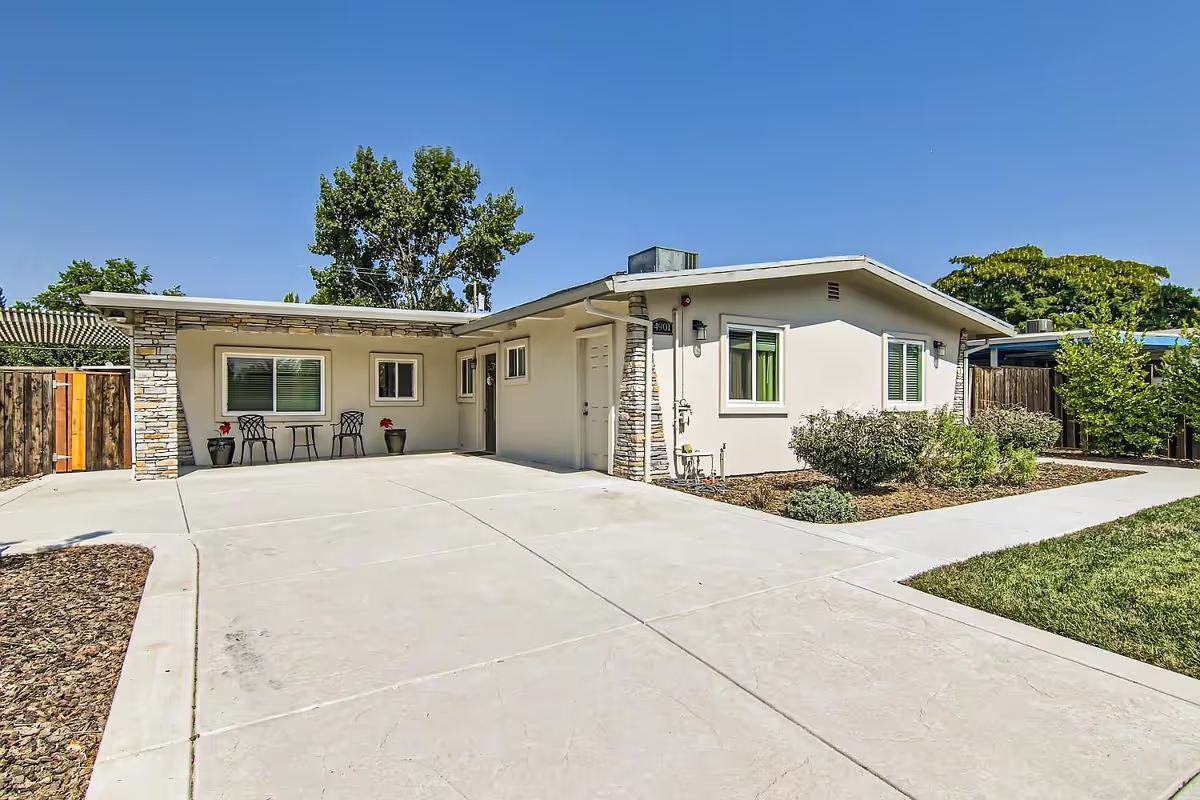
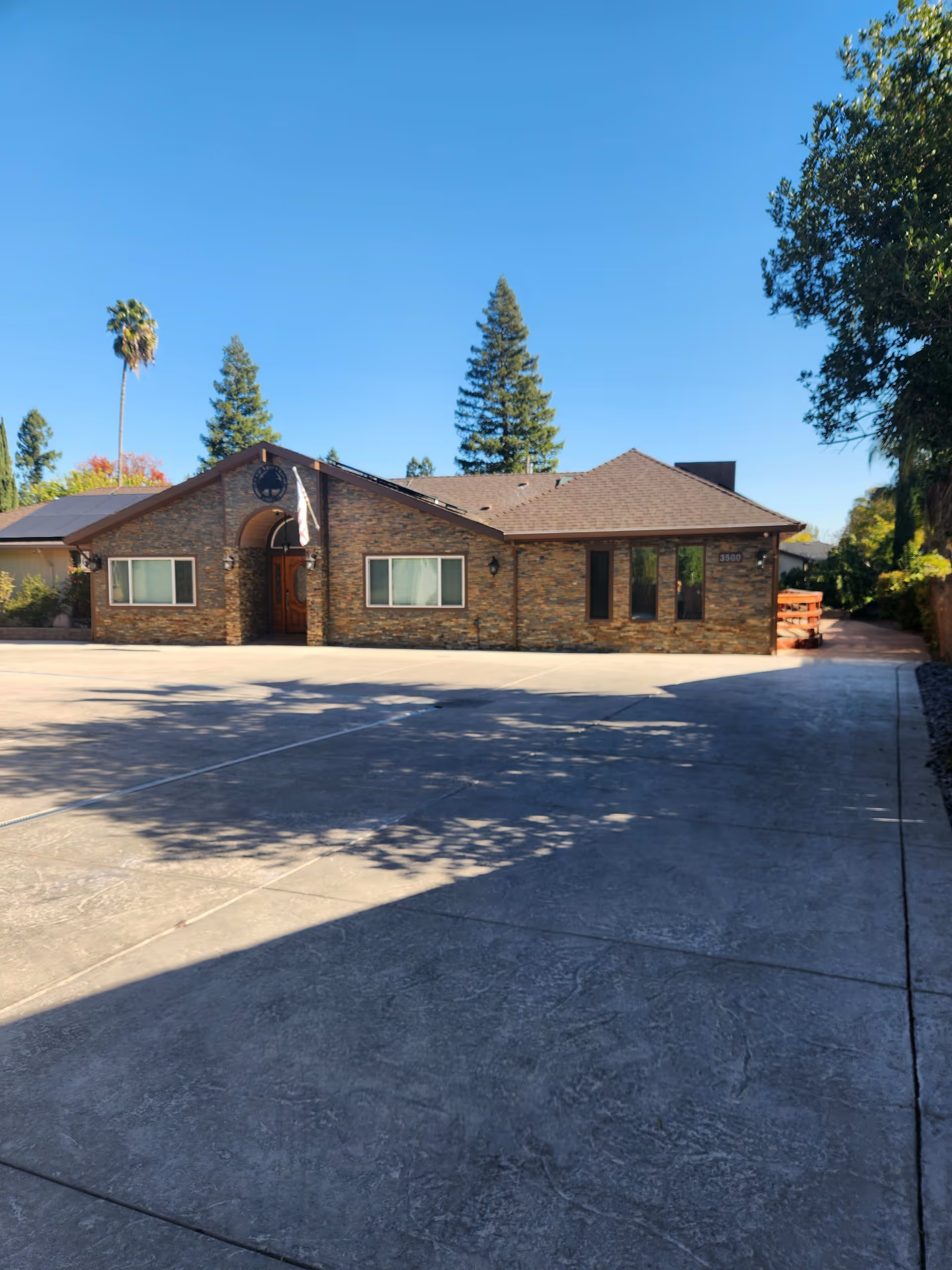
The physical plant is described as older and unevenly maintained. Some areas have received updates (new floors, a welcoming lobby), but other parts of the facility are reported as worn, with small or poorly lit rooms, occasional overcrowding, and ongoing maintenance issues. Parking and neighborhood safety are mentioned as limitations for visitors. Reviewers also raised privacy and resident-identification process concerns, including examples that suggest opportunities for stronger confidentiality and charting practices.
Management and administrative responsiveness are inconsistent across accounts. Admissions staff receive positive mention at times, yet several families reported poor follow-through on complaints, inadequate communication about clinical changes, lost or mishandled belongings, and billing or documentation irregularities—some characterized as alleged theft or billing problems. When the facility's clinical teams are cohesive and responsive, families report trusting relationships and good outcomes; when organizational controls weaken, families report safety and oversight failures.
Overall pattern: prospective residents and families will encounter widely varying experiences at Windsor El Camino. The facility can provide high-quality short-term rehabilitation and has committed clinical staff in certain units, but persistent operational liabilities—especially inconsistent staffing, variable sanitation and infection-control practices, dining inconsistencies, documentation gaps, and uneven management responsiveness—create measurable risk for long-term residents or those with complex medical needs. Visitors touring the facility should assess current staffing levels and night coverage, observe cleanliness and meal service, review medication and wound-care protocols, inquire about family communication practices, and verify language access and privacy safeguards before admitting a loved one.