Overall impression: Reviews convey a polarized picture of Stoney Point Healthcare Center. Many families praise the facility for strong, compassionate hands-on care—especially for residents with dementia and those receiving rehabilitation services—while a contrasting set of concerns highlight operational inconsistencies that affect day-to-day reliability. Prospective residents and families are likely to encounter both notable strengths in clinical and social engagement and recurring administrative or process gaps.
Care quality and clinical issues: Numerous comments describe skilled, patient caregiving from RNs, CNAs and therapists, with several accounts of effective dementia approaches, humor and patience used in interactions, and positive rehab outcomes. At the same time, reviewers raised substantive concerns about inconsistent medication handling, irregularities in medication administration, and uneven attention across shifts (notably night shifts). There are also repeated notes about delayed or inconsistent basic care tasks such as frequent diaper changes or bathing schedules in some cases; these indicate variability in day-to-day clinical reliability rather than a uniformly poor or uniformly excellent standard.
Staff, supervision and communication: Strengths include many staff described as friendly, professional and accommodating—administration and day-shift nurses were singled out positively in multiple comments. However, several critiques point to lapses in supervision (unsupervised staff breaks, inattentiveness at nurse stations), communication failures (slow or unreturned calls from social workers, limited access to management), and occasional language barriers that interfered with clear care discussions. These patterns suggest that interpersonal warmth exists alongside operational communication gaps that can frustrate families.
Dining and personal-property management: Opinions about meals are mixed. Some families praised meals and specific positive dining experiences (breakfasts highlighted), while others described menu monotony and a carbohydrate-heavy pattern. A frequent operational issue across reviews is loss or mix-up of clothing and personal items, including laundry errors and damaged dentures; this points to weaknesses in property-tracking and resident belongings protocols.
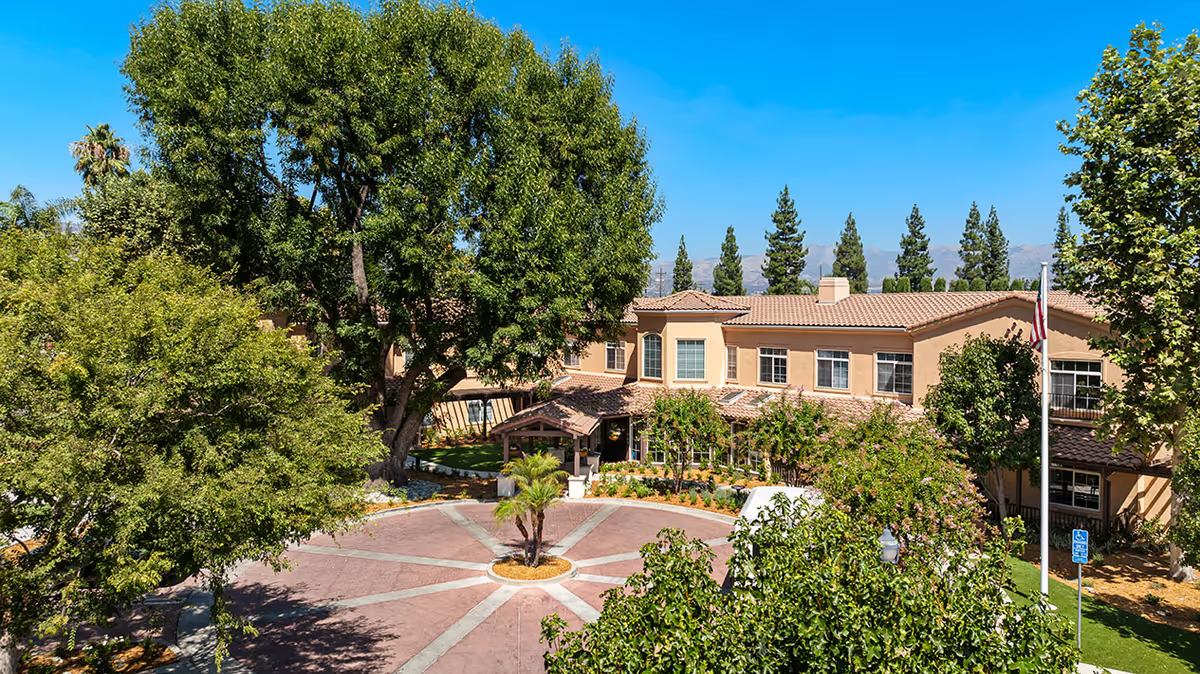
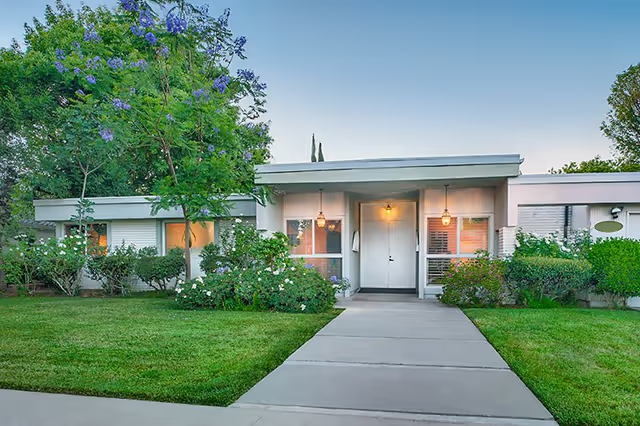
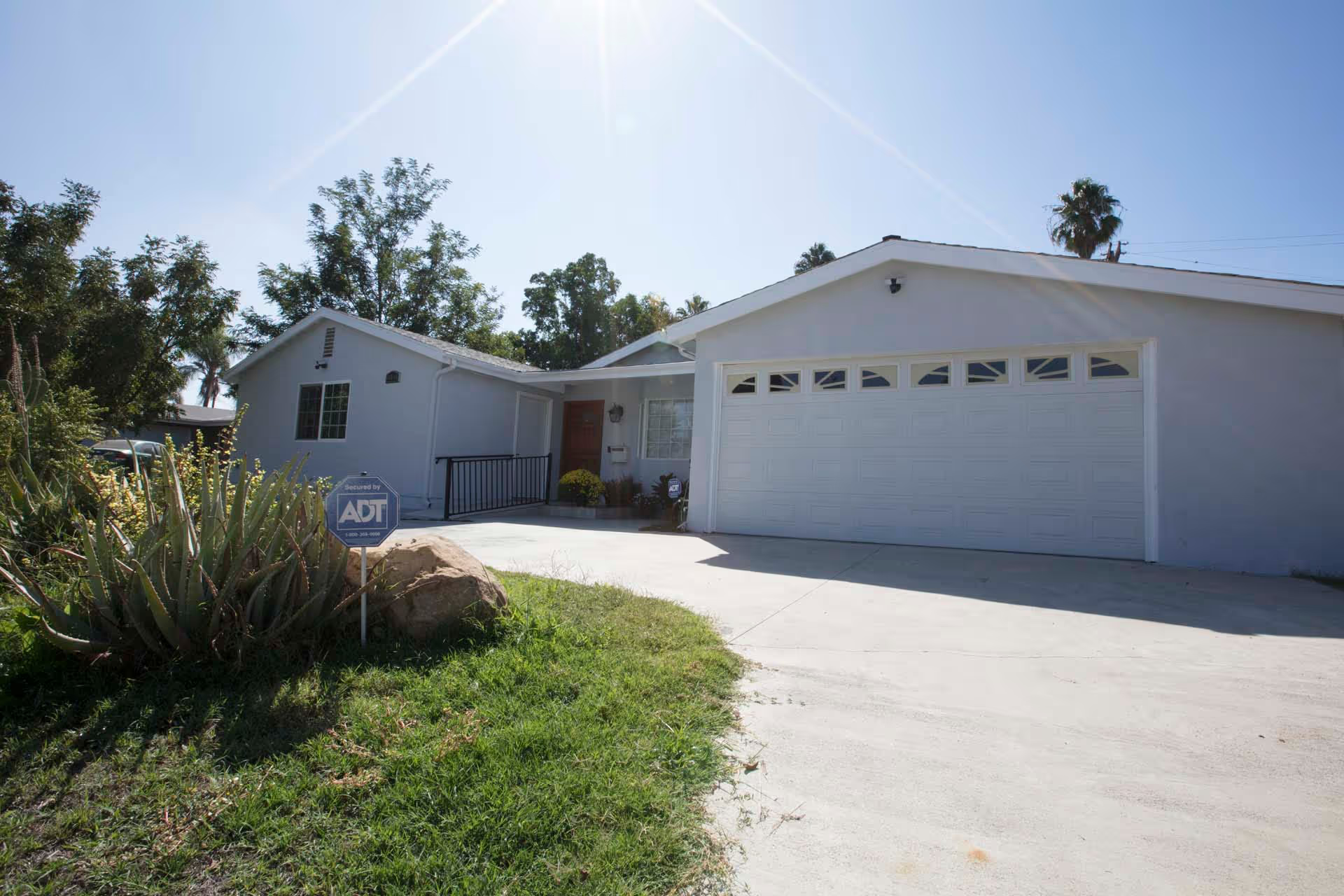
Activities and environment: Activity programming receives consistent positive feedback—music, dancing, games and outdoor recreation were commonly mentioned as strengths that support resident engagement. Facility appearance and cleanliness observations vary: many reviewers found common areas clean and the outdoor space appealing, while others described parts of the building as dated or in need of repair. Room configurations (for example, three-bed rooms) were noted as a privacy concern by some families.
Management, safety and notable incidents: Reviewers describe a changing management picture—some say culture improved with new leadership, while others link management turnover to declines in care. Safety concerns around the facility’s ability to manage residents with challenging behaviors were raised, including instances of wandering and interactions between residents that families found troubling. There are also references to serious matters such as state investigations and allegations of theft; these mentions warrant direct follow-up by prospective families with regulators and the facility for current resolution status.
Patterns and guidance: The overall pattern is one of pronounced variability: strong clinical and social strengths coexist with operational and administrative weaknesses. When evaluating this facility, families should verify current staffing patterns (including night coverage), medication-management protocols, property-laundry procedures, and complaint-resolution practices. Ask to review recent state inspection results and to speak with current families or the ombudsman to clarify how the facility has addressed past concerns. Visiting in person, observing shift changes, and confirming communication expectations with social-work and administrative staff can help determine whether the facility’s strengths align with a prospective resident’s needs.