The reviews present a mixed but largely positive portrayal of Roseleaf Senior Care, with consistent praise for staff engagement, activities, and cleanliness alongside recurring operational concerns. Many families emphasize a caring, cheerful front-line team and a well-kept environment; however, several operational patterns contribute to uneven experiences across residents.
Care and staff: Reviewers frequently highlight compassionate, resident-focused interactions and note staff with geriatric nursing experience and memory-care training. This appears to support good social engagement and individualized attention in many cases. At the same time, there are repeated references to variability in staff responsiveness and conduct. That variability is presented as an operational trait rather than a single isolated event: some families describe smooth, attentive care while others describe experiences that fall short of expectations. This results in an overall characterization of generally strong caregiving capacity with intermittent inconsistencies in execution and communication.
Dining: Dining impressions are mixed. Some accounts describe acceptable variety and meals that meet residents’ needs, while other descriptions characterize the food as low in quality and limited in variety compared with alternatives. The primary pattern is inconsistent meal quality and menu variety, suggesting the food-service operation may deliver different outcomes at different times or for different residents. Prospective families may wish to sample meals and ask about menu rotation and accommodations for dietary preferences.
Activities and social life: The activity program is a clear strength. Reviews describe numerous games, themed events, creative touches (for example, festive activities and resident-focused celebrations), and ongoing opportunities to keep residents engaged. The small-community model appears to support a lively communal atmosphere and close social connections among residents, which many families value for quality of life.
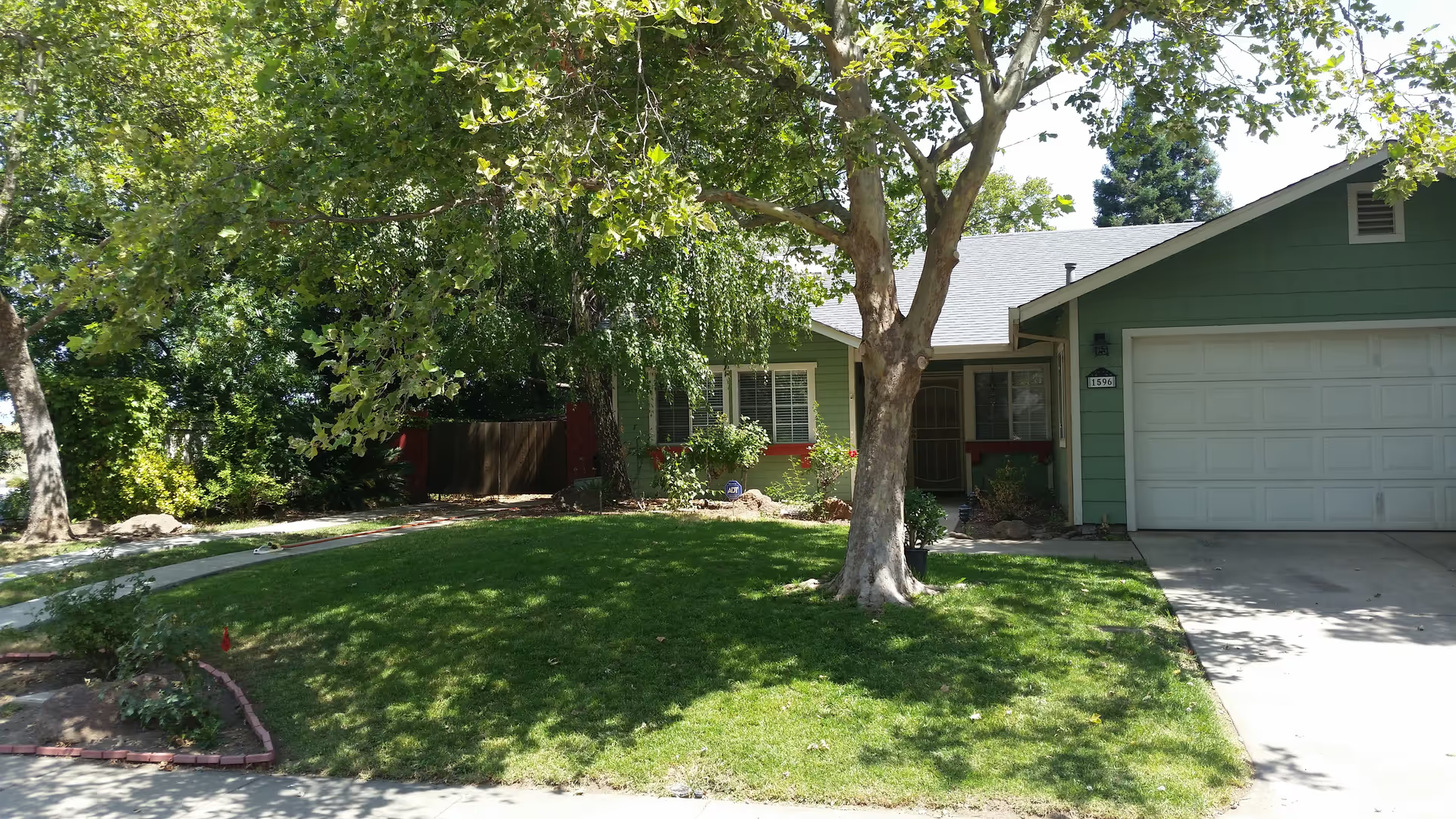
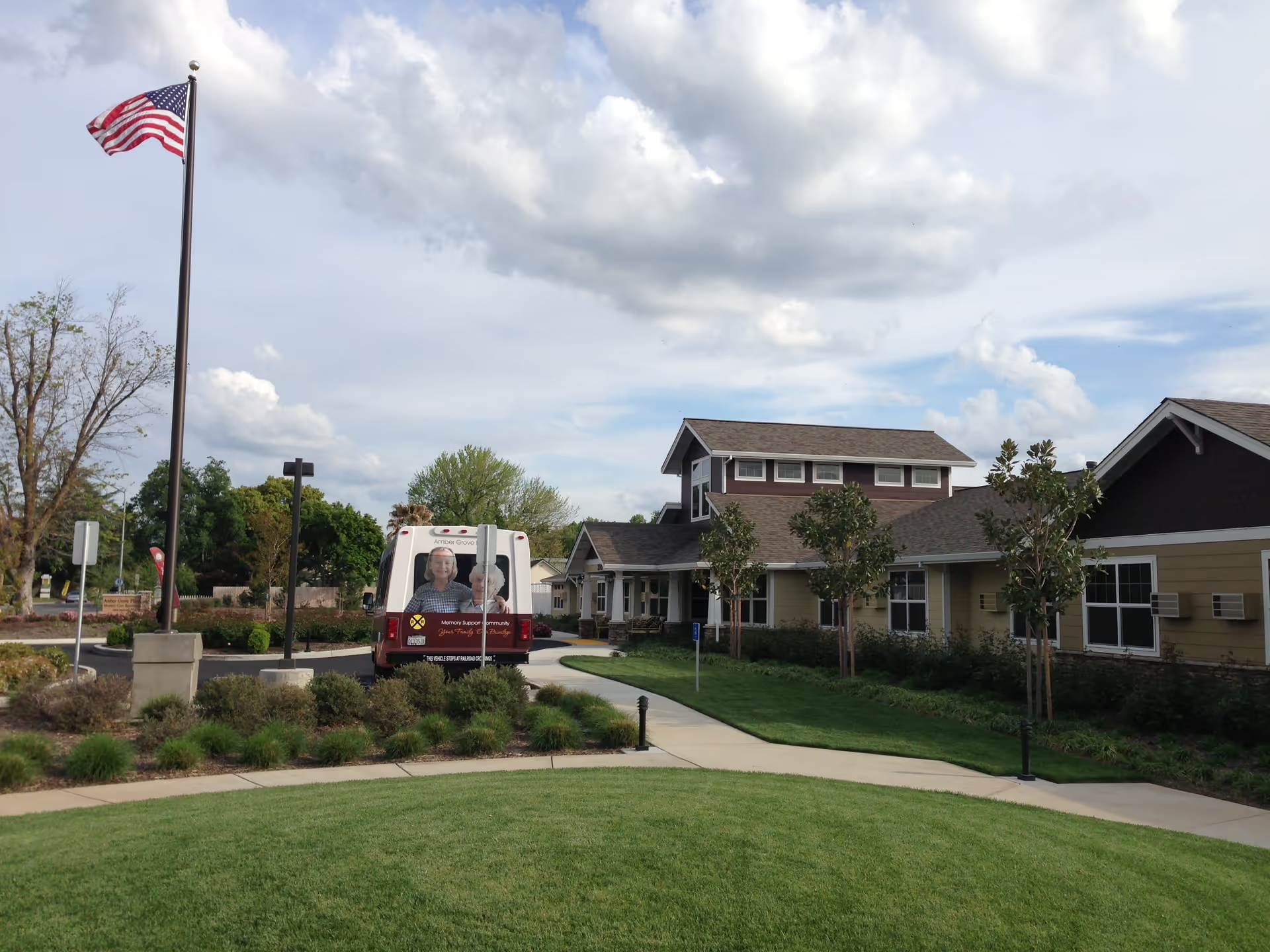
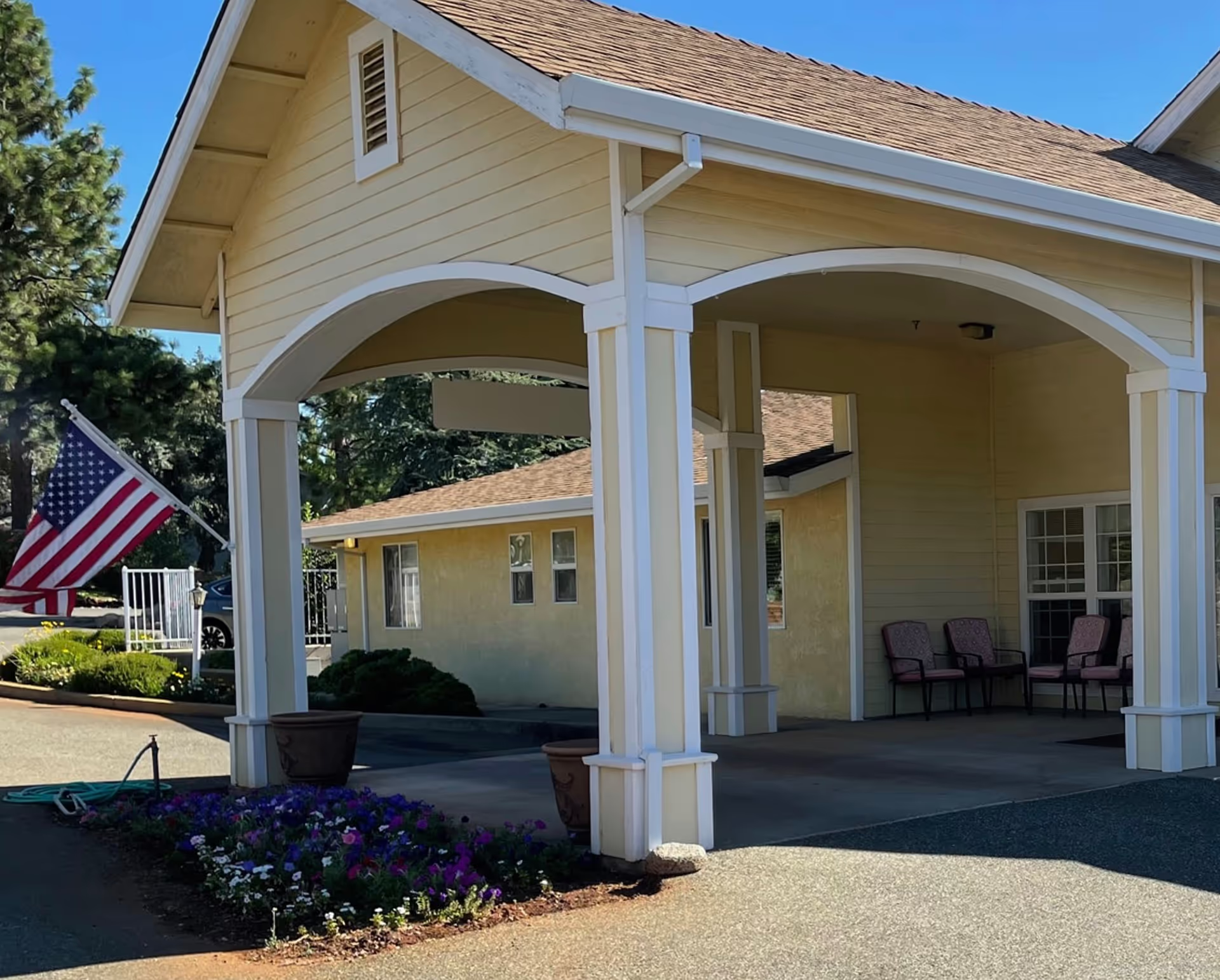
Facilities and environment: Cleanliness and maintenance are consistently noted as positives; reviewers commonly describe tidy interior spaces and a well-kept facility. At the same time, physical-layout issues are raised: shared bathroom arrangements affect privacy for some residents, and there are mentions of dim or inadequate lighting that can contribute to a subdued or depressing ambiance for others. The facility’s smaller scale supports personalization but may limit the range of amenities and private-space options available.
Management and notable patterns: Operational consistency emerges as the key theme. Where leadership and staffing align, families report a smooth, well-run experience; where alignment falters, families report communication challenges, mood/ambiance concerns, and lower perceived care quality. The reviews form a polarized pattern rather than uniformly poor or uniformly excellent feedback. For decision-making, visitors should evaluate current staff-to-resident ratios, observe mealtime service, review bathroom/private-room options, and speak directly with management about protocols for staffing, supervision, and dining. Those priorities will help determine whether the facility’s strengths in social programming and cleanliness align with an individual resident’s needs and expectations.