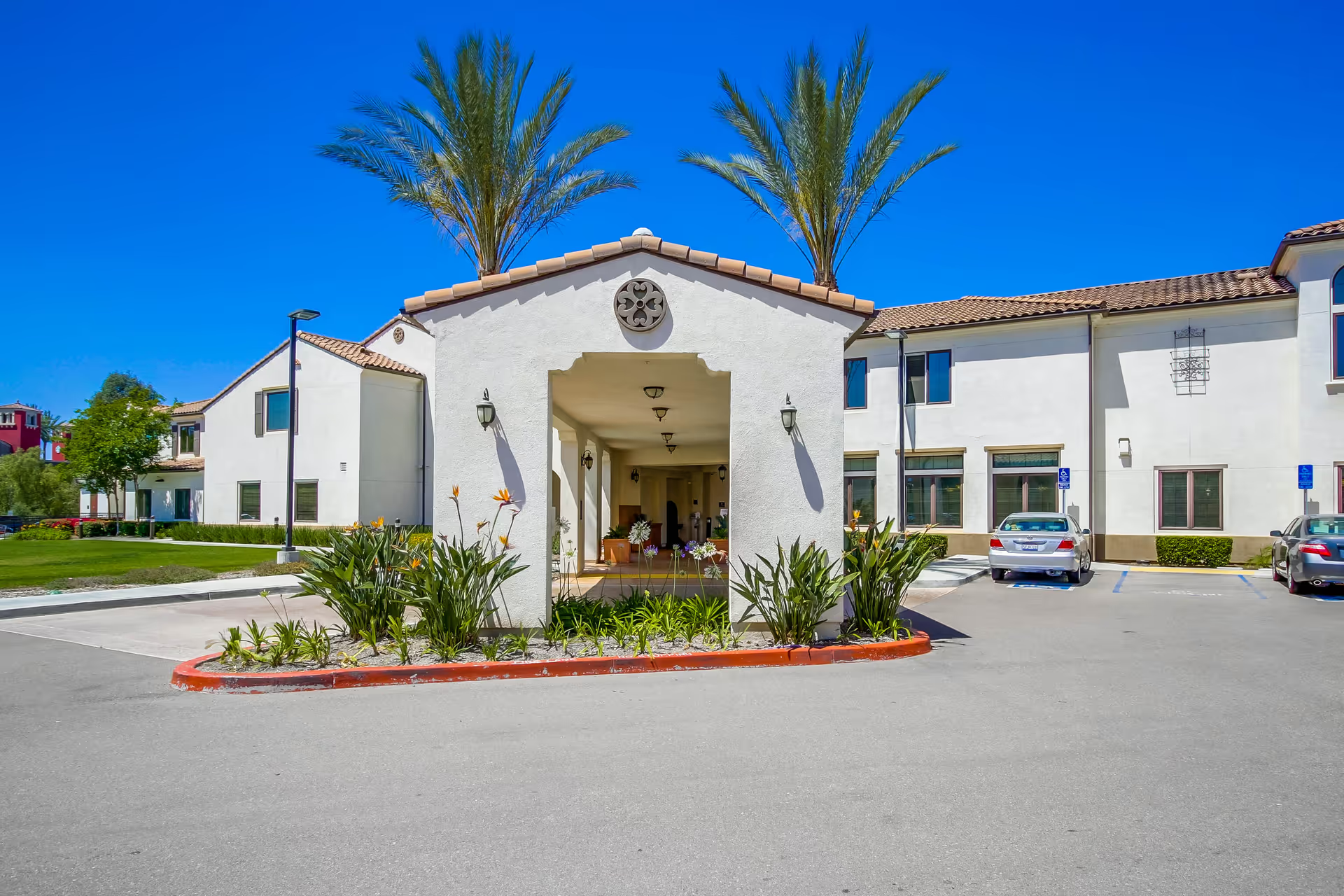
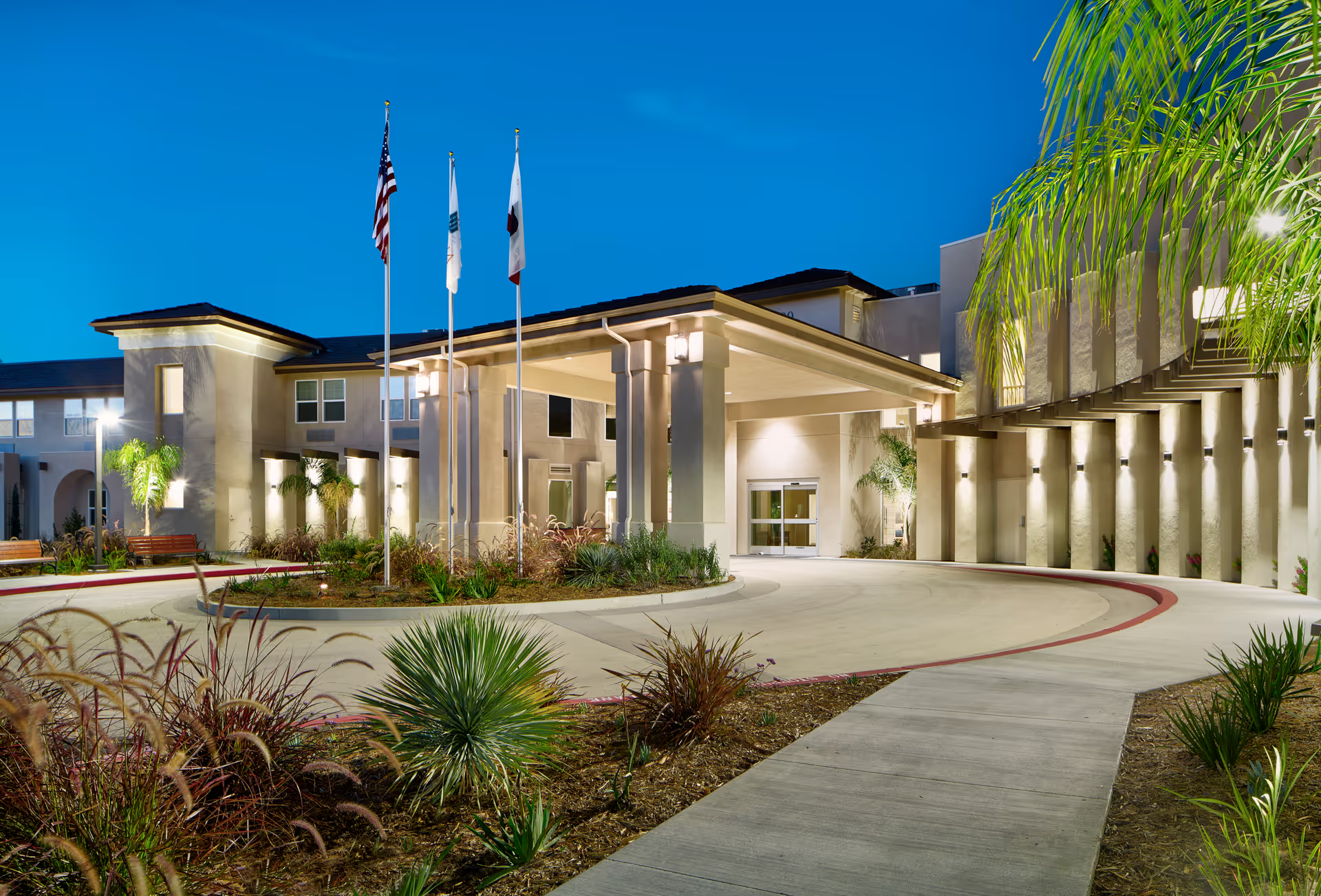
ActivCare Rolling Hills is consistently described as a dementia-focused memory-care community with strong clinical staffing and a well-maintained physical environment. Reviewers emphasize a visible clinical presence — including on-site licensed nurses and a permanent nurse coordinating care — and credit that model with measurable improvements in residents' physical health, emotional well-being, and overall quality of life. Cleanliness, safety, and a single-floor, accessible layout are recurring strengths that families associate with peace of mind.
Staff and leadership receive frequent praise for compassion, respect, and responsiveness. Caregivers, nurses, and administrative staff are characterized as attentive, patient, and engaged; management is described as hands-on and quick to follow up on incidents. Families report clear communication, routine updates, and assistance during transitions, and many highlight supportive end-of-life and hospice collaboration. At the same time, there are occasional comments indicating variability in leadership responsiveness and isolated difficult transitions for some families.
Dining is generally noted as accommodating and tailored to medical recommendations, with many accounts of diet-adapted meals and an active dining atmosphere. However, there are recurring remarks about inconsistent food quality and preparation (for example, bland or overcooked items), suggesting meal-service consistency is an area for improvement.
The activity program is a pronounced strength: a broad, resident-centered calendar includes daily programming, themed parties, bus trips, outdoor walks, on-site therapeutic animal visits, and volunteer opportunities. Reviewers repeatedly cite improved mood and engagement as outcomes of the social and recreational offerings.
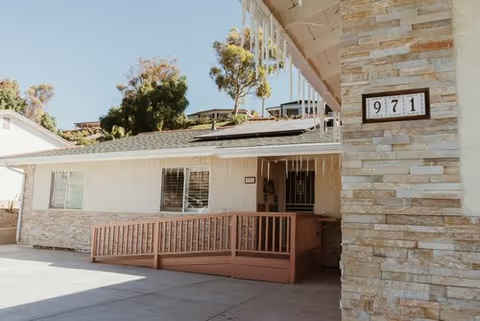
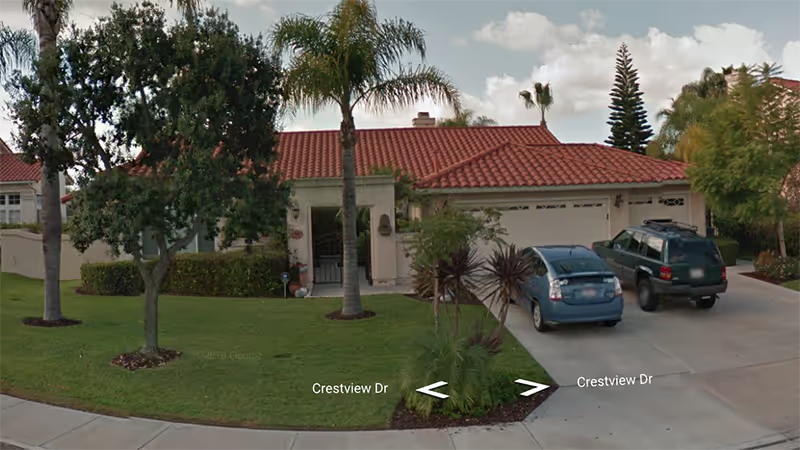
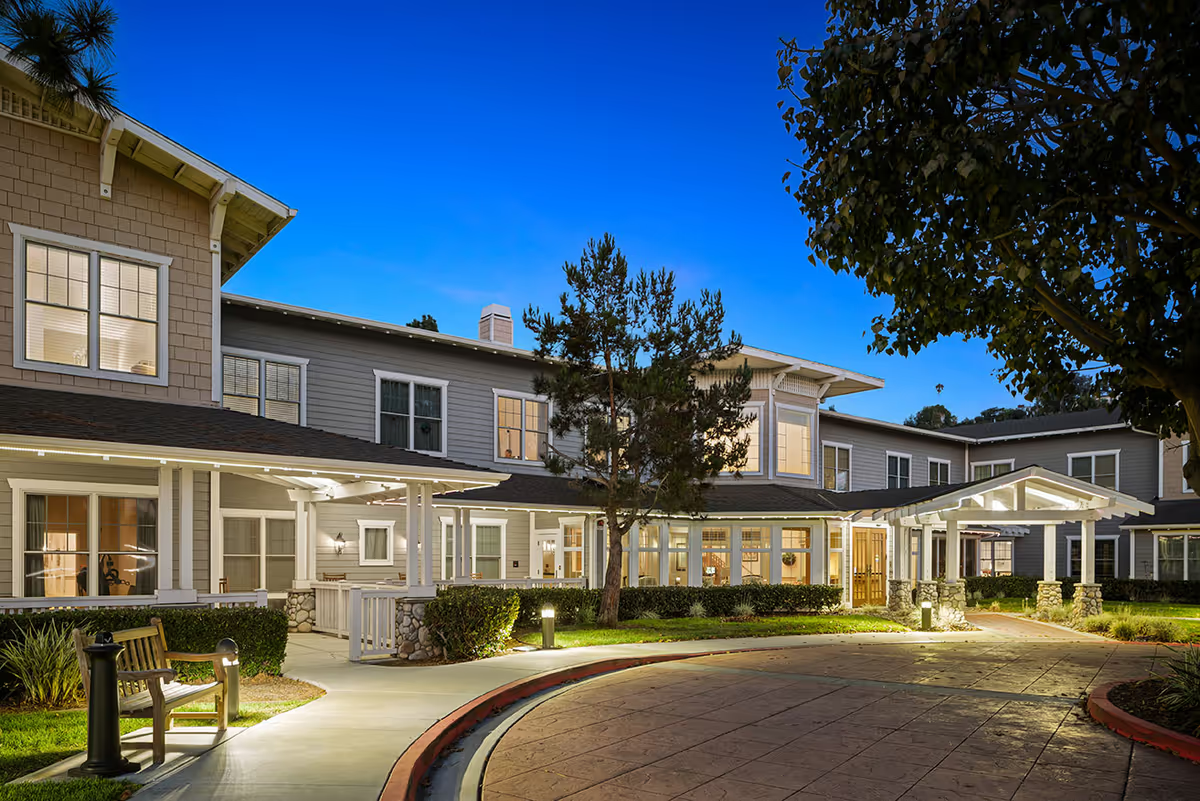
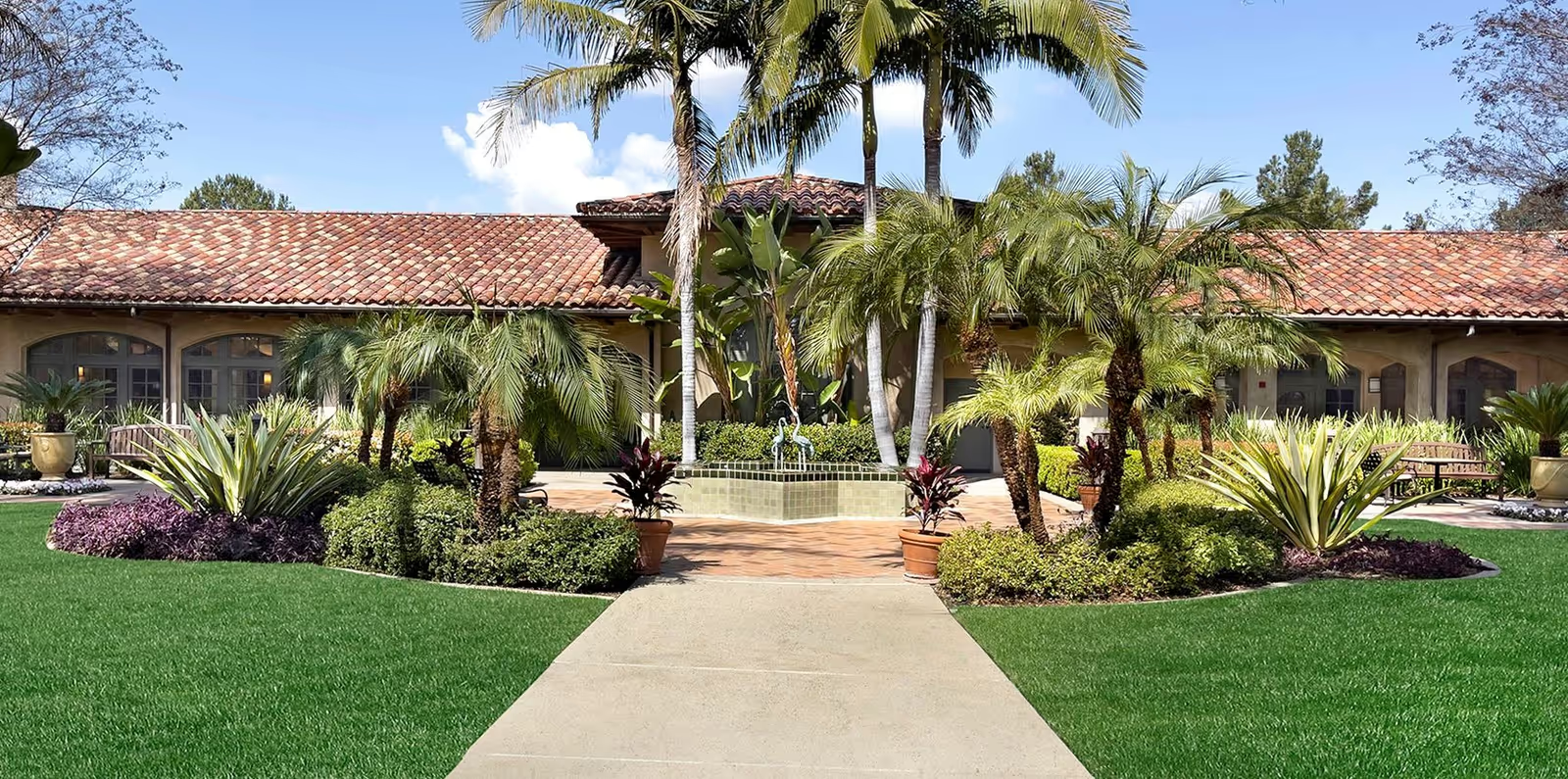
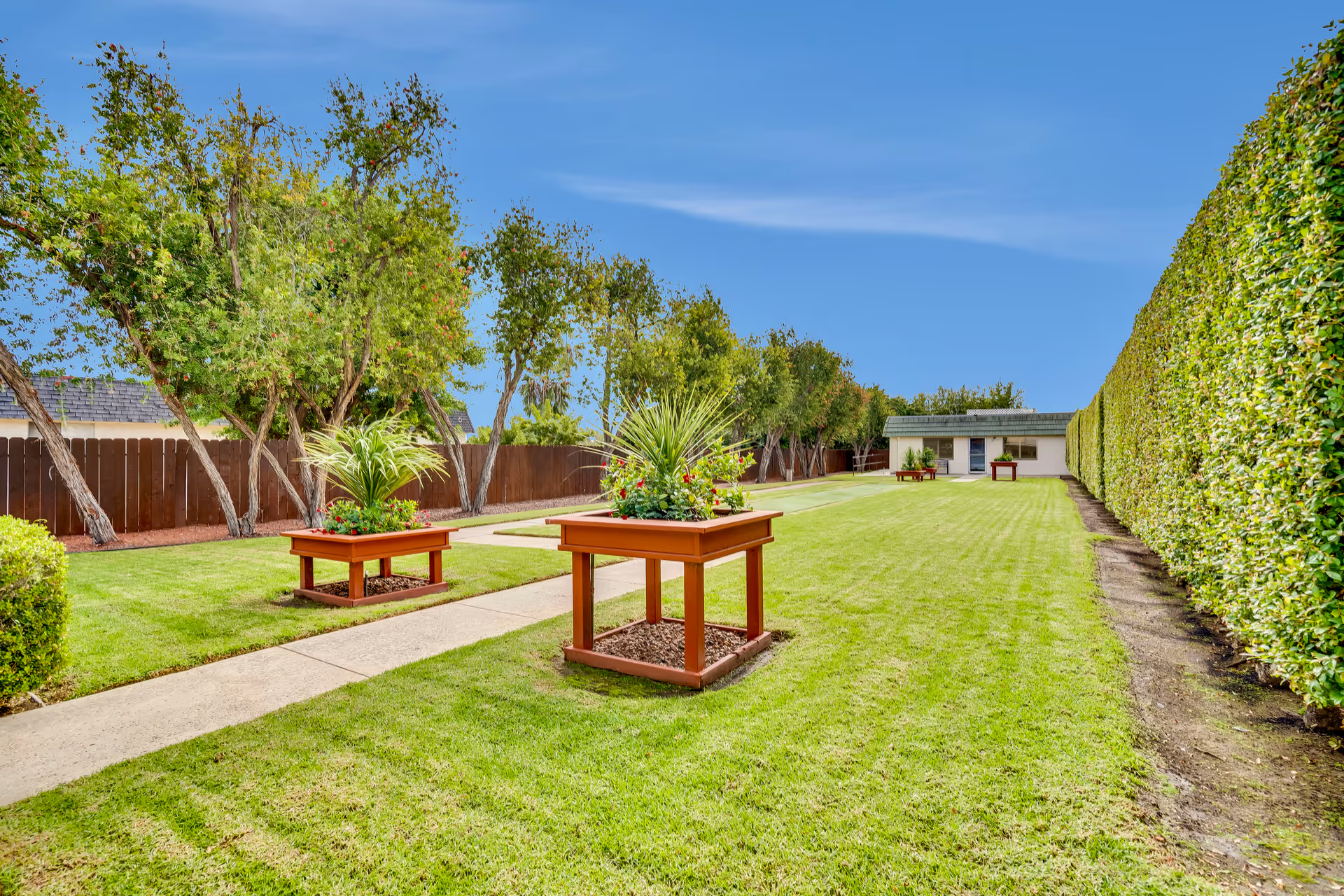
Facility amenities and campus features are favorably described — clean common areas, a welcoming great room, well-maintained gardens, outdoor spaces (including recreational features), and accessible rooms. Operational friction points cited in multiple accounts include locking/door-access procedures that can delay entry to rooms or bathrooms and limited or absent in-room call/alert systems. A few comments also note older amenities in parts of the building that could benefit from updates.
Patterns to note for prospective families: the community's dementia specialization, clinical staffing model, and robust activities are clear assets that many families praised. Common operational concerns center on care continuity when agency staff are used, variability in meal-service quality, occasional gaps in external physician coordination, limitations in room call systems and door-access logistics, and the facility's cost/contract clarity. Asking targeted questions about agency-staffing ratios, in-room call systems, physician coverage, recent renovations, and contract terms will help families assess fit relative to these recurring themes.