Reviewers describe a facility with notable variation in the resident experience. Several families praised individual caregivers — nurses, CNAs, and therapy staff — for showing compassion, providing hands-on rehabilitation, and offering personalized attention that supported recovery. The facility's location and ability to handle dietary needs were also cited as practical advantages for some residents and families.
At the same time, a pattern of clinical-operations concerns appears across accounts. Multiple reports indicate inconsistent medical oversight, delayed escalation when residents' conditions changed, and gaps in wound care and fluid-status monitoring. There are also recurring mentions of infection-related problems and concerns about timely recognition and treatment of urinary or systemic infections. A small number of reviewers described severe outcomes that they felt were related to these care-process issues.
Staffing and responsiveness are mixed themes. While many individual caregivers are described as caring and professional, other accounts describe long waits for assistance, call-bell response delays, and high patient-to-nurse ratios that may contribute to inconsistent attention. Reviewers also flagged variability in staff training or competence, and some described management practices that prioritize throughput or rapid discharge, which families felt affected continuity of care.
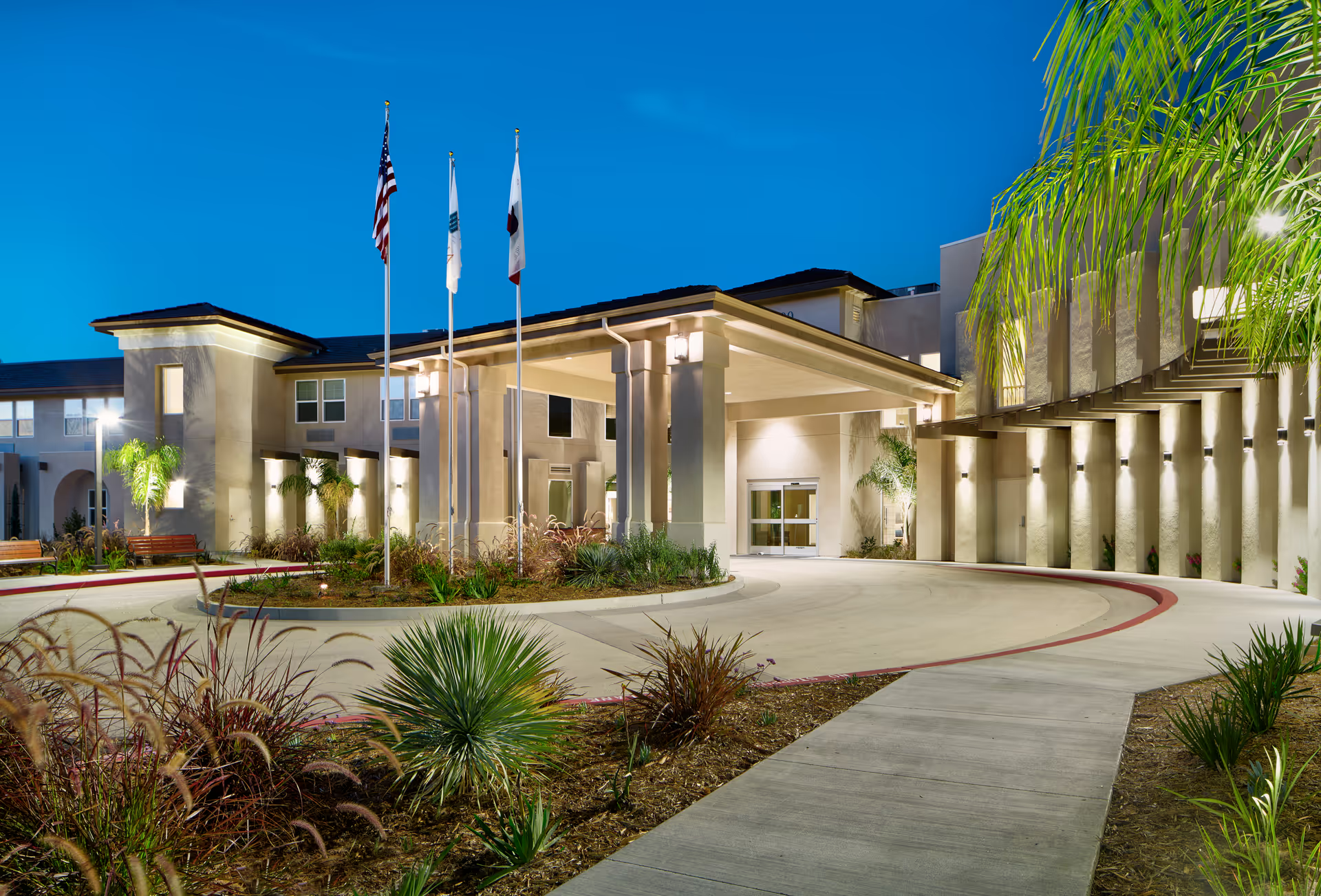
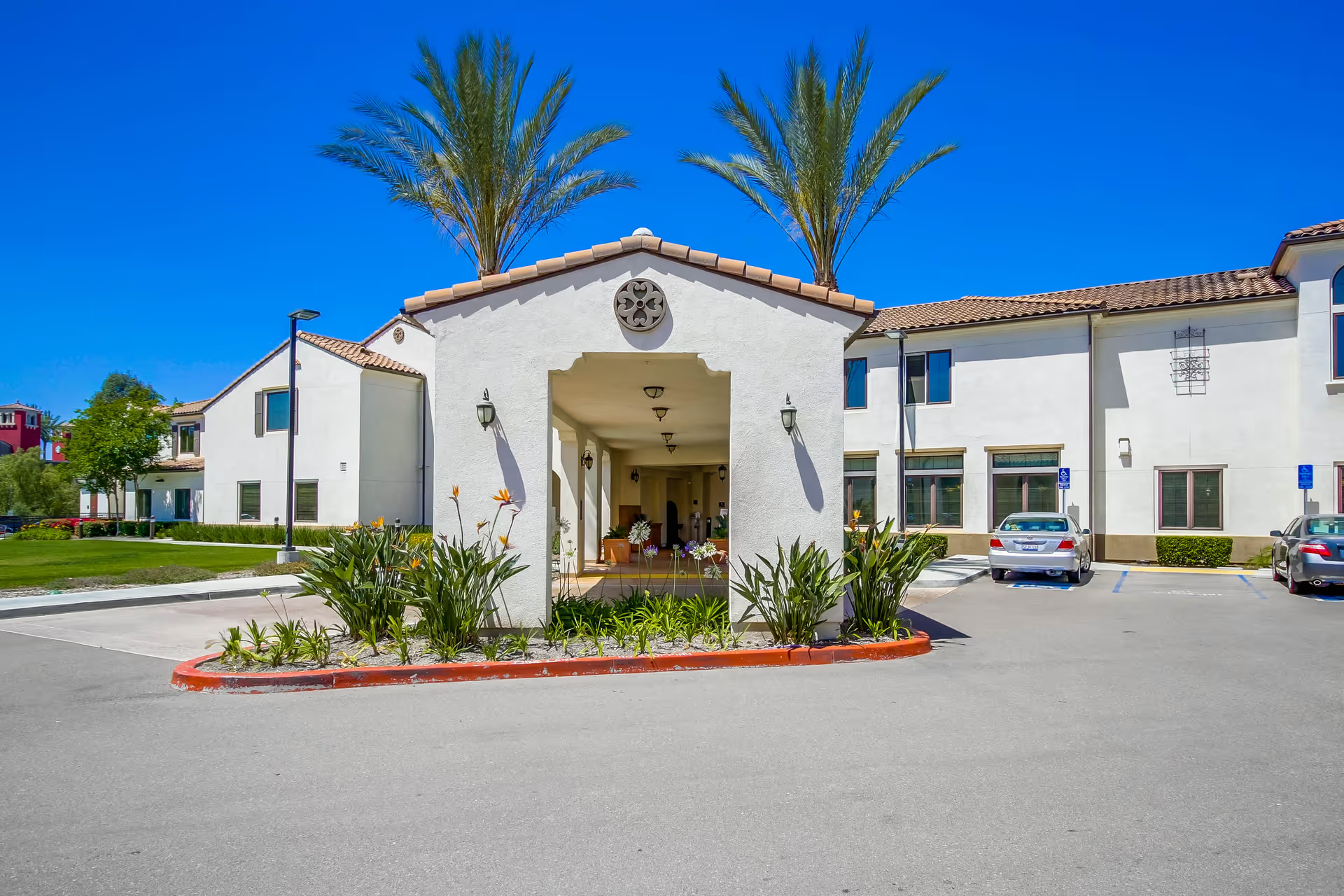
Facility environment and daily living concerns are similarly mixed. Several families found parts of the building attractive and comfortable, while others reported cleanliness and sanitation issues in specific areas and slow housekeeping response at times. Dining receives divergent comments: some appreciated dietary accommodations, whereas others described inconsistent food quality. Personal-item controls and inventory processes were identified as an operational weak spot by some reviewers.
Safety and administrative practices drew attention: examples include reports of bed-rail and alarm nonuse, transfer-safety lapses, and one-off episodes of poor physician communication or insensitive staff interactions. These incidents, combined with allegations of elder abuse and staff-conduct concerns raised by reviewers, suggest that prospective residents and families should review the facility's safety protocols, escalation pathways, and complaint-resolution processes before admission.
Recommendations for prospective residents and families: ask for current staffing ratios, review the facility's wound-care and infection-control policies, clarify handoff and escalation procedures for clinical changes, inquire about bathing and hygiene schedules, and confirm protocols for bed alarms and transfer safety. Visiting during different shifts and speaking with therapy staff and nursing leadership can help evaluate whether the facility's positive caregiving strengths are consistently applied to an individual resident's needs.