Overall impression: Brookdale Sylvan Ranch elicits strongly mixed impressions. Many families describe a warm, caring environment with active programming and well-kept outdoor spaces; others raise operational concerns that point to inconsistency in day-to-day care. The facility's strengths are tangible—engaged direct-care staff, a varied activity calendar, family events, and attractive grounds—while the recurrent weaknesses cluster around reliability of clinical and support services.
Care and staff: A prominent strength across accounts is the compassion and bedside manner of many direct-care employees, with examples of personalized attention, good family communication, and coordination with hospice when appropriate. Several reviewers highlight staff who know residents’ preferences and medical needs and who go beyond routine tasks. Counterbalancing this, there is a recurring pattern of inconsistent responsiveness and staff turnover. Specific operational concerns include gaps in medication-administration controls and occasional delays in attending to resident needs (including assistance at mealtimes). These patterns suggest variability in performance across shifts or teams rather than uniformly poor or uniformly excellent care.
Dining and nutrition: Dining experiences are mixed. Positive comments note accommodating meal preferences (examples include daily milkshakes and specific requests like milk), family-style meal opportunities, and attentive dining staff. At the same time, many accounts point to inconsistent food quality, limited flavor in some meals, and uneven implementation of nutrition protocols. Families concerned about intake or weight change should verify the facility’s mealtime assistance procedures, menu cycle, and how kitchen-staff accountability is handled.
Activities and engagement: Program offerings are a clear strength—residents enjoy crafts, music, games, excursions (sports outings, parks), and frequent scheduled events. Memory-care programming emphasizes cognitive engagement, smaller-group dining, and structured activities. However, several comments indicate variability in activity execution and in reminders or encouragement for residents to participate, especially among those with higher assistance needs. Prospective families should observe activity periods and ask about staff ratios for programming in memory units.
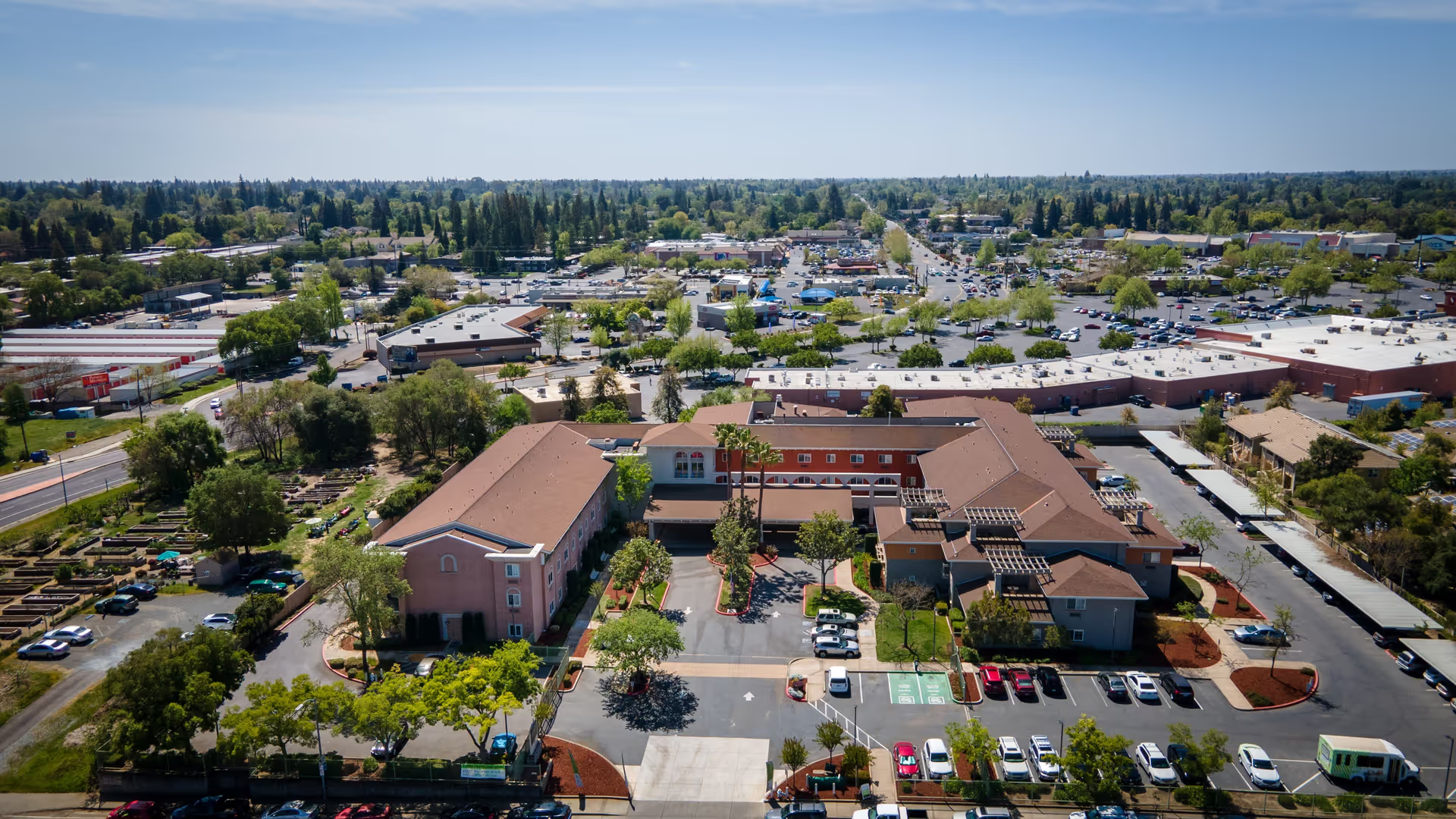
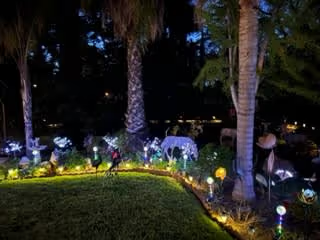
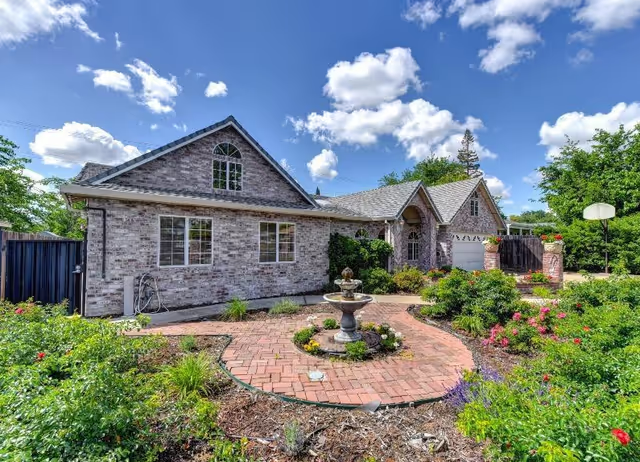
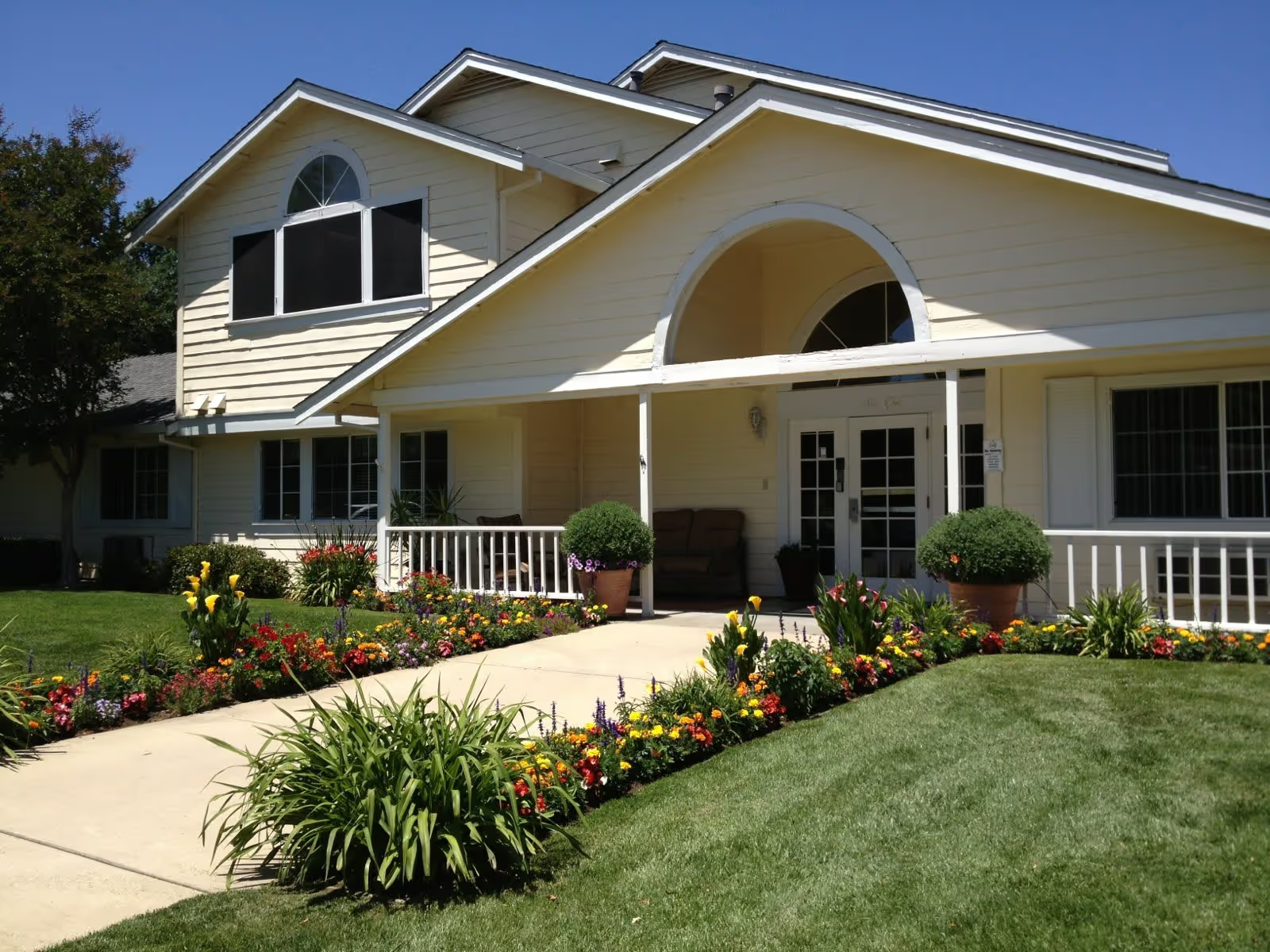
Facilities and environment: The campus and grounds receive consistent praise—landscaped outdoor areas, secure fenced yards, accessible patios, and generally clean communal spaces. Some units are noted as dated or darker than preferred, and there are housekeeping inconsistencies reported at the apartment level. The operator is undertaking renovations and aesthetic improvements, which may address interior condition concerns. Accessibility features and private-studio options are valued by families.
Management and operations: Management responsiveness is described in both positive and negative terms. Many families credit on-site leadership with strong communication, flexibility, and problem resolution. Others describe billing disputes, perceived prioritization of finances, delayed incident follow-up, and uneven management follow-through. Of particular note are documented operational gaps: medication controls, mealtime assistance, incident documentation/response, housekeeping consistency, and occasional short staffing. These operational themes are the main drivers of negative perceptions and warrant close inquiry during tours and contract review.
Notable patterns and recommendations: Reviews indicate a polarized experience—some residents and families experience high-quality, personalized care in an attractive setting; others encounter intermittent lapses in clinical or support services. For prospective residents and families, recommended due diligence includes: observing meal service and an activity period in person, asking for the facility’s medication-administration and mealtime-assistance protocols, requesting recent staffing ratios and turnover statistics, reviewing incident-reporting and follow-up procedures, examining billing and fee transparency in the contract, and checking the status/timeline of planned renovations. These steps can help determine whether the facility’s strengths align with an individual resident’s clinical needs and expectations.