Overall impression: Reviews describe a facility with clear strengths in person-centered care, rehabilitation, and a welcoming culture, alongside operational inconsistencies that prospective families should evaluate in person. Many reviewers emphasized strong clinical and therapeutic supports and a close, family-like environment; however, other accounts point to variable service performance in areas such as meals, room configuration, and care coordination.
Care and staff: Across accounts, nursing staff, CNAs, therapists, and social-work personnel receive frequent praise for compassionate, attentive interactions and effective clinical support. The facility is characterized by a strong rehabilitation focus, with physical, occupational, and speech therapy frequently credited for measurable recovery progress. Several reviewers singled out individual staff members and the director-level leadership for particularly helpful or compassionate care, including end-of-life support. At the same time, some reviews describe lapses in responsiveness (for example, delays in personal-assistance tasks) and concerns about communication tone; these indicate variability in day-to-day staff responsiveness rather than a uniform pattern of practice.
Dining and activities: Experiences with dining are mixed. Many reviewers praised the kitchen crew and described food that exceeded expectations; others described food-service quality as microwave-style or unsatisfactory. The facility appears to offer a lively activities program — movies in common areas, social events, and organized programming — which many residents and families found engaging and supportive of social needs.
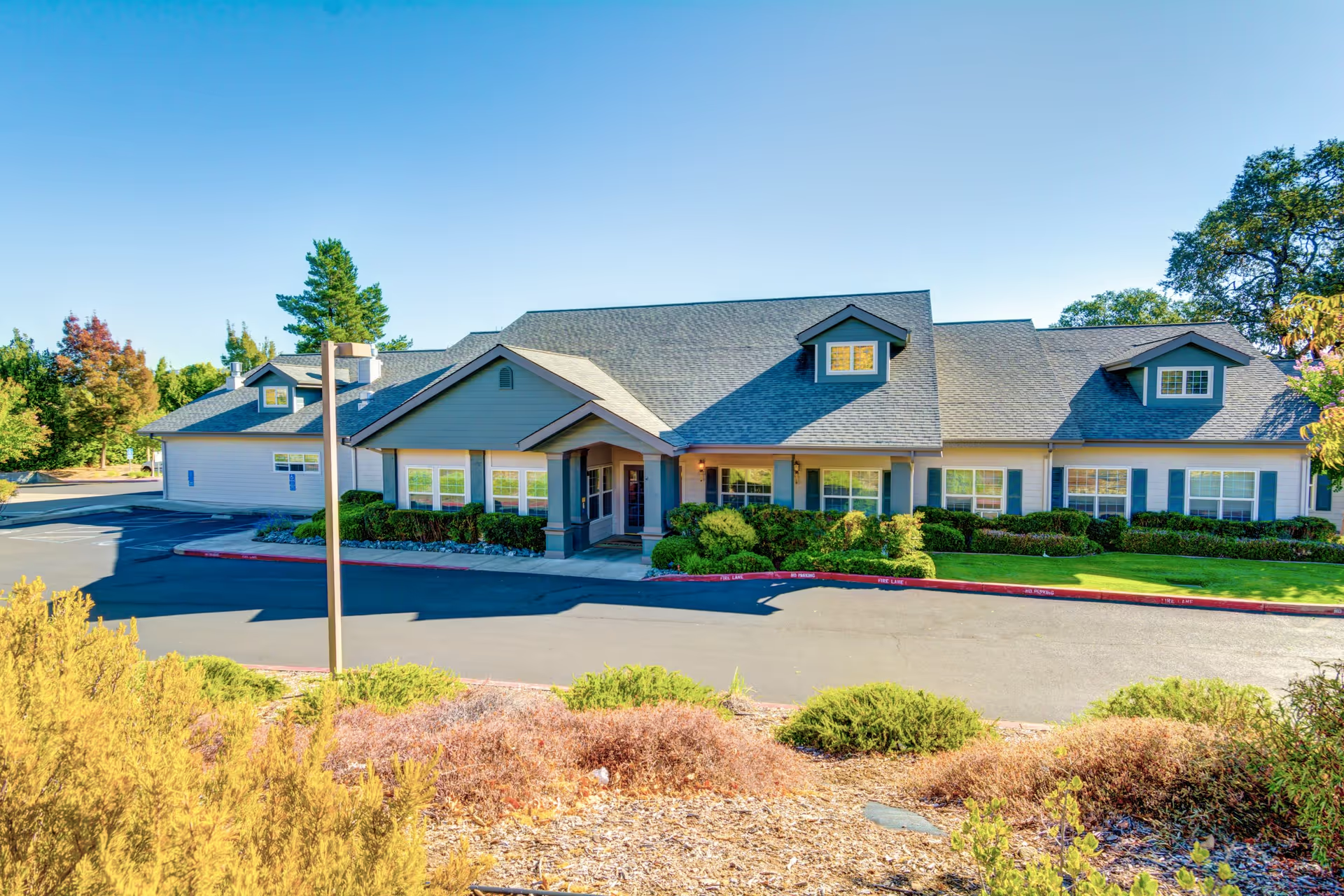
Facilities and accommodations: The site is repeatedly noted for its attractive hilltop location and panoramic views. Many describe the facility as clean and well maintained. However, building layout and room configurations are a recurring operational issue: four-person rooms with shared toilets reduce privacy and accessibility, while two-person rooms receive favorable comments for privacy. Some reviewers identified outdated elements and limited accessible bathrooms/showers in parts of the building, suggesting that physical accessibility and privacy vary by unit.
Management and operational patterns: Positive themes of teamwork, safety focus, and integrated care are present, but they coexist with patterns of uneven execution. Notable operational gaps include inconsistent meal-service quality, variable therapy follow-through, delays or gaps in discharge medication provision and communication of diagnostic results, and variable sanitation standards across units. These items point to care-coordination and quality-control opportunities rather than a single categorical failure.
What to consider when evaluating: Families should observe specific units and room types, ask about bathroom accessibility and privacy in multi-bed rooms, review therapy schedules and measurable goals, confirm discharge-medication and diagnostic-result protocols, and discuss staffing patterns for personal-assistance responsiveness. The facility shows clear strengths in rehabilitative care, compassionate nursing, and social programming, but prospective residents may want to confirm operational consistency in meal service, sanitation, and care-coordination processes before making a placement decision.