Overall impression: Reviews convey a consistently positive view of A Place Called Home Residential Care, with repeated praise for attentive caregivers, cleanliness, and a home-like atmosphere. Families highlight a combination of personal attention, effective rehabilitation support, and amenities that support both short-term recovery and memory-care needs.
Care and staff: The facility is repeatedly described as providing attentive, individualized care; certain caregivers (notably Nori and Marilyn) are singled out for dependable, compassionate service. Reviewers also emphasize 24/7 supervision and strong family communication. Physical-therapy involvement and progress toward discharge are mentioned, indicating an ability to handle post-acute rehabilitation. The pattern of praise suggests reliable day-to-day caregiving and responsiveness to health needs.
Dining and activities: Meals are characterized positively, described as very good and well prepared. Therapy and recovery-focused activities (PT) are clearly available and appear effective for short-term recuperation. Review content provides limited detail about a broader, structured recreational calendar or social programming beyond therapy; prospective families seeking an active leisure schedule may want to request the current activity plan.
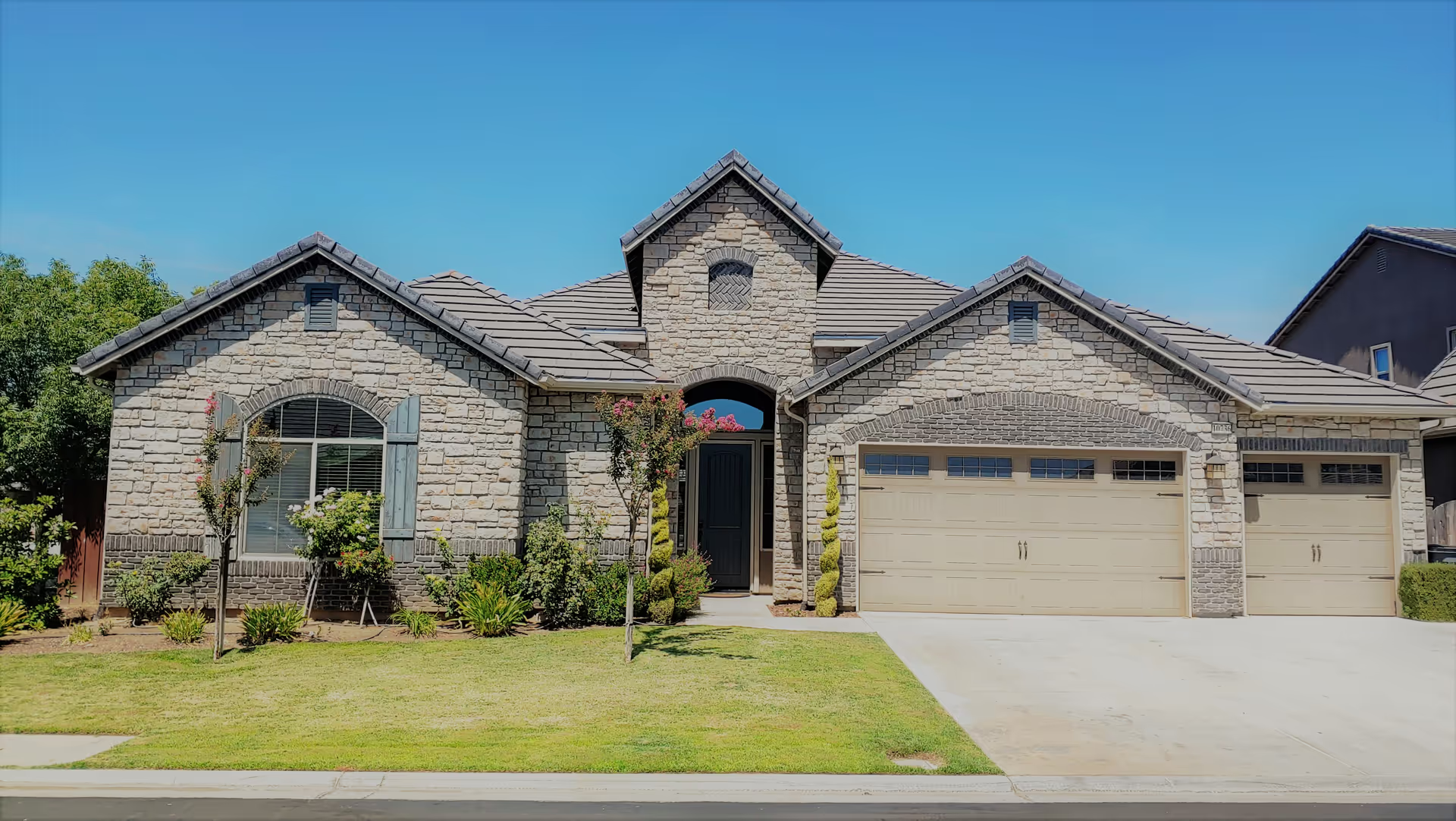
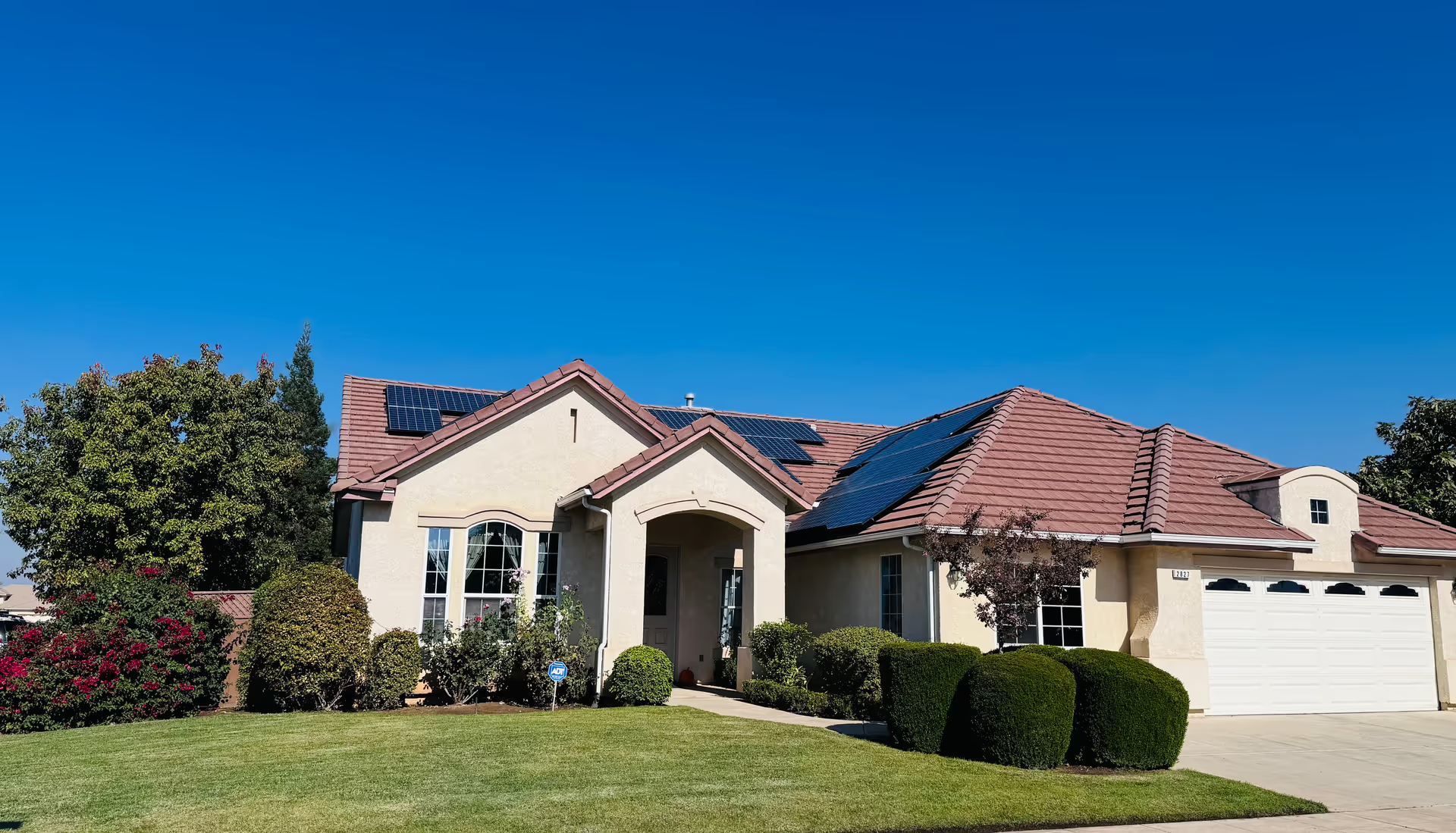
Facilities and amenities: The property is described as remodeled, clean, and comfortable, with private rooms (each with a TV) and private bathrooms, a welcoming common area, and an outdoor patio for visiting. Reviewers note a somewhat upscale, home-like environment and roomy, safe layouts. This small-household model appears to support personalized visits and family comfort.
Management and communications: Management and administration receive positive comments for accessibility and supportive engagement with families. Reviewers describe clear communication and a welcoming ownership/administrative presence. This contributes to perceptions of transparency and trust.
Notable patterns and considerations: The set of reviews is uniformly favorable, which underscores strengths in caregiving, cleanliness, and family communication. Areas where information is sparse include formal staffing ratios, the extent of on-site medical/specialty services beyond therapy, and the breadth of recreational programming. There is also an operational characteristic common to small, home-like facilities: a reliance on a limited staff roster, which can create dependence on key individuals for consistency of care and may affect availability during high demand. Prospective residents and families should verify current capacity, staffing levels, and the facility's roster of clinical services during a tour to confirm fit with medical and social needs.