Overall impression: Reviewers describe a small, home-like facility with strengths in cleanliness, safety, and staff warmth. Many accounts highlight compassionate, hands-on caregivers and an engaged director or owner who contributes to a well-organized, secure environment. Families appreciated practical elements such as webcam access, proactive advice about transportation and equipment, reasonable pricing compared with previous placements, and availability of short-term respite stays with a two-week minimum.
Care and staff: The facility is generally characterized as providing caring, attentive direct care and as having improved clinical responsiveness compared with prior facilities some families used. Staff are often described as personable and invested in residents’ well-being; however, there are also instances indicating inconsistent communication and occasional unprofessional telephone interactions. This produces a mixed picture: strong day-to-day caregiving paired with variability in administrative responsiveness and external communication.
Dining and clinical supports: Meals were described positively, with reviewers noting satisfactory food quality. Clinical guidance—such as direction on transport needs and equipment—was reported as proactive. At the same time, reviewers noted limits in dementia-focused programming and activity-level adaptation for residents with cognitive impairment, which can affect perceived clinical engagement for that population.
Activities and engagement: A recurring theme is a desire for more structured and frequent activities. Reviewers commented that the environment feels home-like and pleasant, but that stimulation and programming are limited, particularly for residents with dementia or higher supervision needs. Those seeking an environment with intensive, structured day programming may find the activity offerings insufficient.
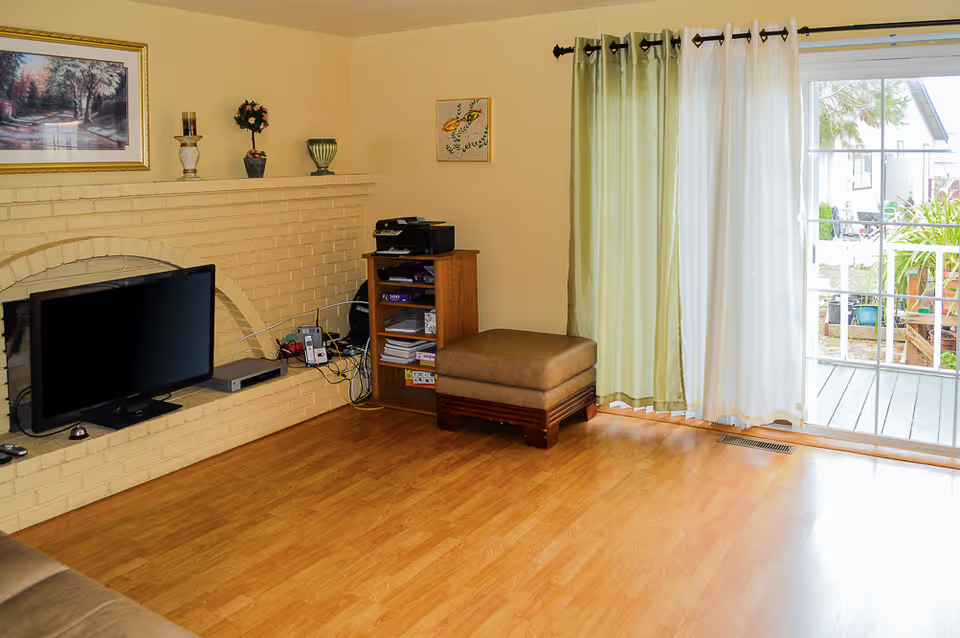
Facilities and accommodations: The facility is described as clean, attractive, and secure. Physical constraints were also noted: resident rooms tend to be small and some bathrooms are shared, which may be important for families prioritizing private space and en-suite facilities. Webcam availability was viewed positively as a transparency and monitoring measure.
Management and patterns to consider: Management involvement is a clear strength when the director is engaged; several families praised the director’s accessibility and organization. Conversely, other interactions revealed inconsistent communication and moments of unprofessional conduct by staff on phone calls, indicating variability in administrative performance. Transportation appears to be conservative—staff provide rides mainly for essential medical appointments rather than social outings, which may limit off-site activity opportunities.
Who this may suit: The home may be a good fit for families seeking an affordable, secure, home-like setting with compassionate direct care and a hands-on director. It may be less suitable for residents who require extensive dementia-specific programming, high levels of structured activities, larger private rooms, or frequent nonmedical transportation. Prospective residents and families should weigh the facility’s strong caregiver engagement and cleanliness against the noted limitations in activities, room configuration, and occasional communication inconsistencies, and consider an in-person visit and direct questions about dementia programming, transportation policies, and staffing responsiveness.