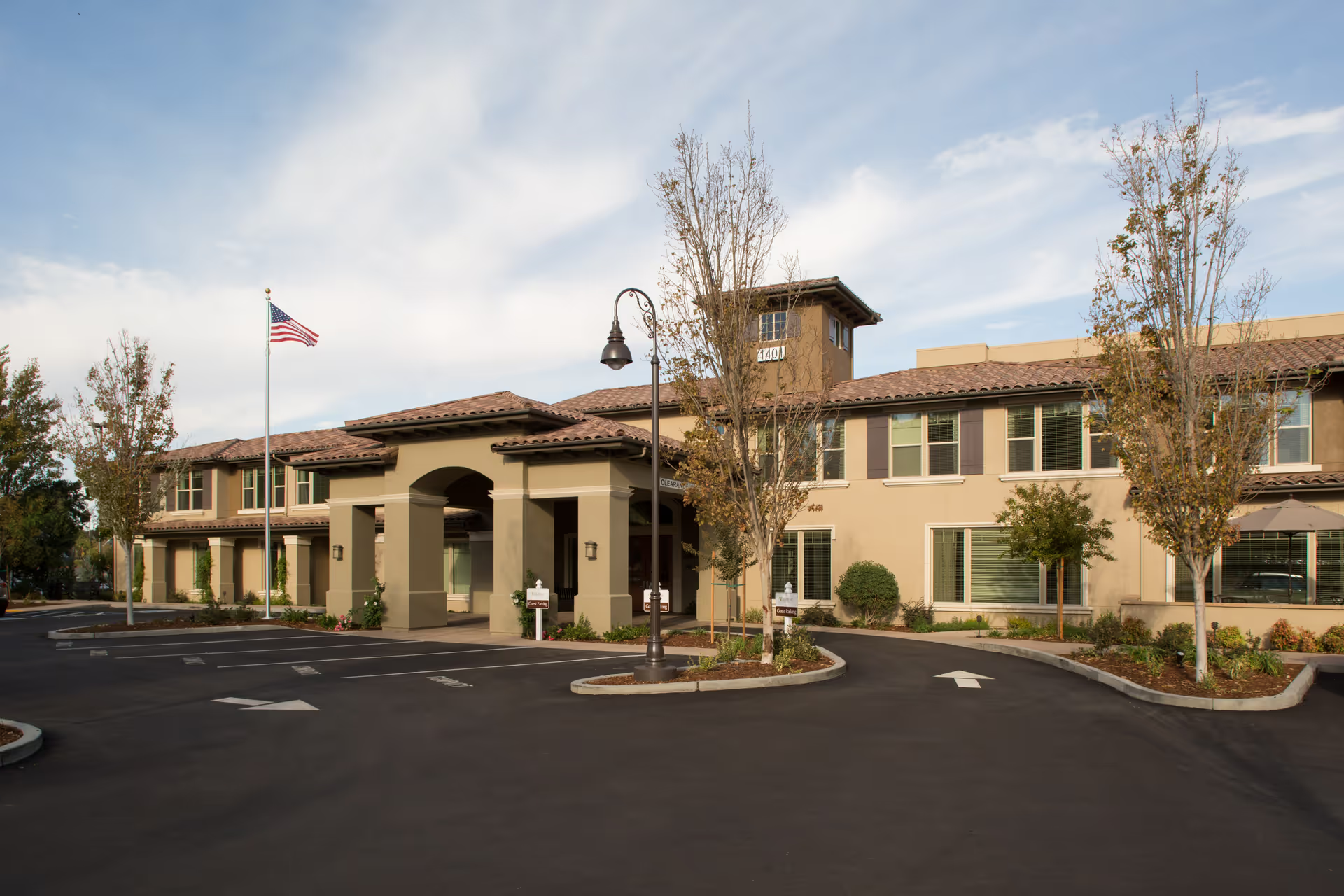
Reviewers present a mixed but actionable picture of Bayberry Skilled Nursing & Healthcare Center. Many families and patients praised the warmth and compassion of frontline caregivers, the effectiveness of the therapy department, and the facility’s cleanliness and pleasant environment. The rehabilitation program and therapy staff are a consistent strength; several accounts describe measurable functional gains such as relearning to walk and successful transitions back home. The facility’s grounds, private visitation spaces, and social programming (bingo, ice cream socials, games) are noted as positive contributors to resident quality of life.
Clinical care is described in largely positive terms when therapy and attentive nursing are involved, with multiple mentions of respectful treatment that preserved resident dignity and of staff who provide emotional as well as practical support. At the same time, reviewers describe variability in day‑to‑day operational reliability: some families encountered timely, attentive nursing and responsive CNAs, while others reported slow responses, unreturned messages, and limited physician access for escalating medical concerns. There are specific clinical concerns reflected in the reviews — for example, delays in evaluation of swallowing issues and inconsistent post‑surgical monitoring — which point to gaps in clinical incident response and family communication when problems arise.
Dining and nutrition receive mixed feedback. The kitchen often produces tasty meals and the nutritionist is viewed as knowledgeable, but several reviewers experienced inconsistent accommodations for therapeutic diets (notably diabetic needs) and small portion sizes at times. Prospective residents with specific dietary requirements would be prudent to discuss meal‑planning processes and monitoring for therapeutic compliance before admission.
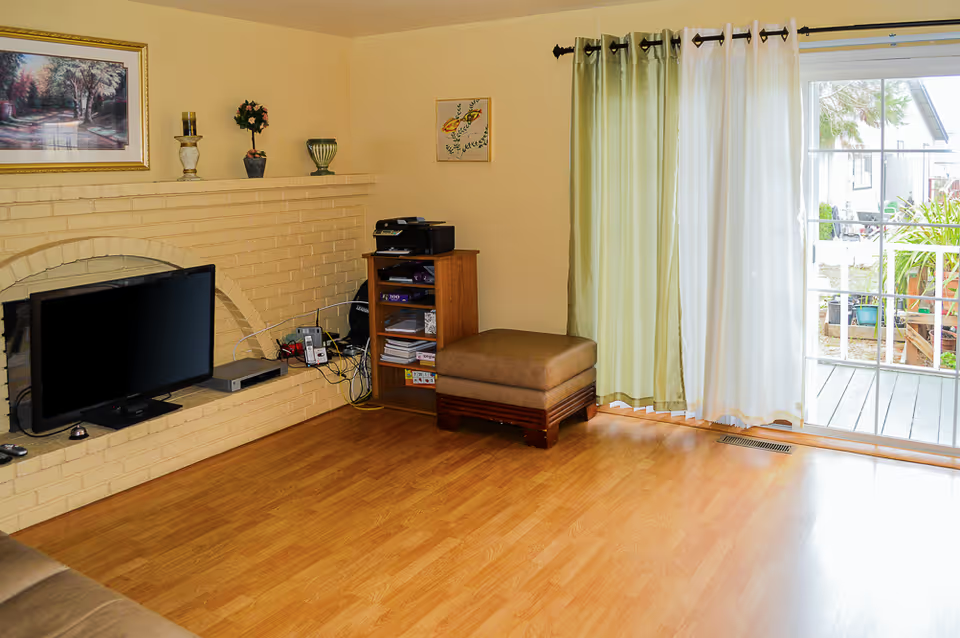
The facility’s amenities and environment are frequently praised: clean common spaces, well‑maintained grounds, private rooms with bathrooms and patio access, and a secure/gated campus. Activities programming and opportunities for social engagement are evident. However, some reviewers called out limited room space, problematic roommate situations, and renovation or layout factors that make some units feel constrained.
Administrative and operational issues are the most recurrent concern. Complaints cluster around inconsistent visitation check‑in procedures, variable front‑desk responsiveness, unreturned family communications, and weak discharge planning— including reports of inadequate aftercare coordination and late or poorly timed administrative/billing contacts. Several families raised questions about pharmacy billing practices and financial transparency. The staffing model also appears to rely heavily on trainees in some units; while this supports a training environment, it may contribute to variability in staff experience and competency from the family perspective.
For prospective residents and families: Bayberry offers clear strengths in rehabilitation, compassionate frontline care, a clean physical environment, and active social programming. At the same time, it would be advisable to confirm, before admission or therapy enrollment, specific operational details—discharge and aftercare planning processes, physician coverage, how therapeutic diets are implemented and monitored, in‑room communication devices, visitation check‑in policies, and billing procedures. Families who do move forward should plan for close early communication with nursing leadership and the social‑work/administrative team to verify individualized care plans and to establish clear expectations for follow‑up and reporting.