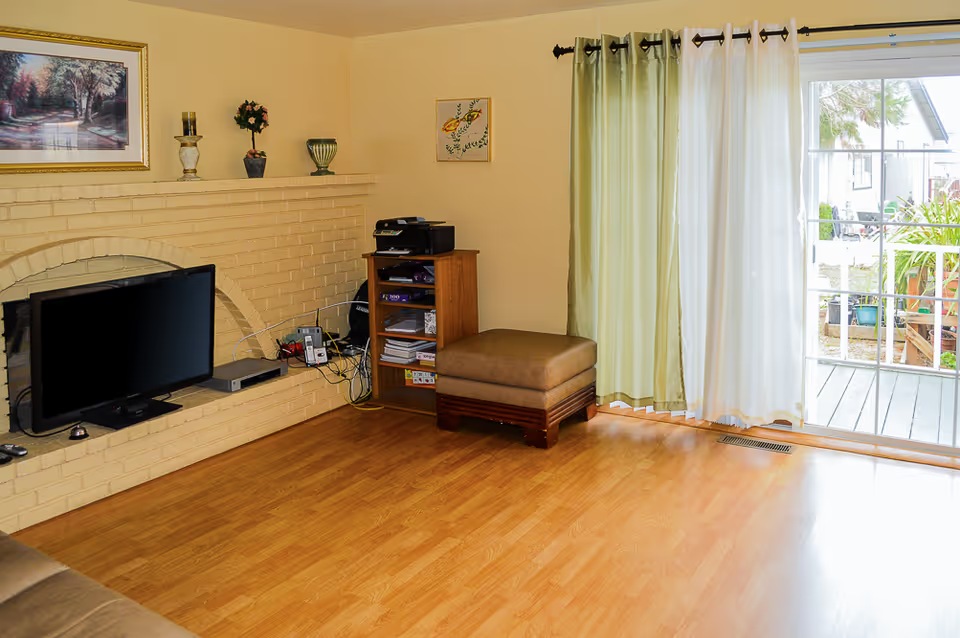
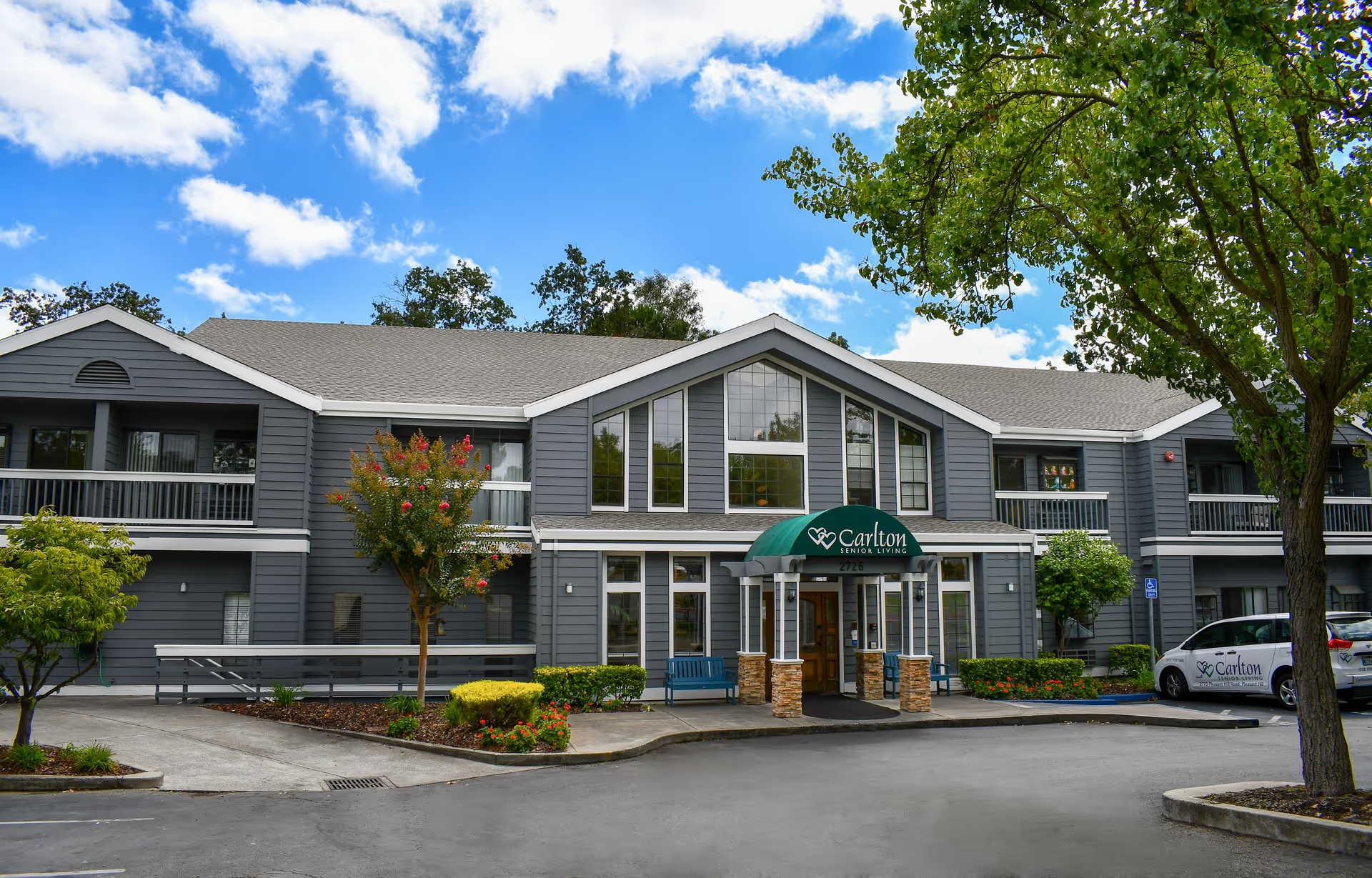
Oakmont of Concord is consistently described as a clean, well-maintained community with modern, bright interiors and a range of amenity-driven features. Reviewers highlight secured outdoor courtyards and gardens, comfortable common spaces that resemble hotel-style dining and lounges, and a wide amenity set including a theater, fitness room, salon/spa, library, and pet-friendly areas. The physical plant and landscaping are frequently noted as inviting, and many apartments — including private studios and one-bedroom layouts — are described as spacious and suitable for bringing personal furniture and displays.
Staff and care quality are central strengths in the reviews. Many families and residents characterize the caregiving team as compassionate, attentive, and communicative; leadership and front-desk personnel are often described as proactive and approachable. Multiple accounts note consistent daily contacts, prompt callbacks, and a generally supportive move-in process that eases family transitions. The presence of on-site nursing support and med-tech staff contributes to a perception of clinical oversight. That said, a recurring operational concern is limited clinical coverage for residents with higher acuity needs: several comments indicate that the community is best suited to active older adults or those needing assisted living-level care rather than advanced medical care. Reviewers also describe uneven responsiveness during evenings and after-hours, and occasional staffing variability that can affect direct-care availability.
Dining and activities are prominent features. The community’s restaurant-style dining, varied menus, and meal options that accommodate selective eaters receive widespread praise; some families call the food gourmet and the dining service excellent. Conversely, there are isolated but repeated notes about inconsistent meal quality and presentation — including cold or less appealing dishes — so meal experience may vary over time or between shifts. The activity program is frequently described as robust, with a full calendar, themed events, music, art, movies, outings, and an engaged activities director who generates high participation. For residents seeking socialization and an active lifestyle, the offerings are a clear advantage. Memory-care programming exists on-site and is physically designed into the community, but reviewers describe variability in program depth and appropriateness for some residents with advanced memory impairments.
Management and operational patterns are mixed. Many reviews praise leadership for clear communication, frequent family updates, and an open, family-like culture. Named staff members and directors are credited with strong follow-through. At the same time, there are notes about inconsistent admissions/tour experiences, occasional disorganization during tours, and variability in staff experience levels that may reflect turnover or recent hires. There are recurring mentions of additional fees — for parking, salon services, and other extras — and a perception of premium pricing; prospective residents should review fee schedules. Infection-control practices received both positive and critical mentions: some families praised clear COVID procedures and frequent updates, while others expressed concerns about staff adherence and outbreak handling. Separately, a small number of serious claims about staff conduct were raised and framed by reviewers as requiring investigation; prospective families may wish to ask management about grievance processes and staff training.
Overall, Oakmont of Concord appears well suited to older adults who value an active, social, and service-rich environment with attentive caregiving and high-quality grounds and amenities. It tends to perform strongly on hospitality, cleanliness, and programming. Families of residents with more advanced medical or behavioral needs should probe clinical staffing levels, night and weekend coverage, and memory-care programming detail. Likewise, prospective residents should ask about pricing structure, parking arrangements, and specific infection-control policies to align expectations with the community’s operational patterns.