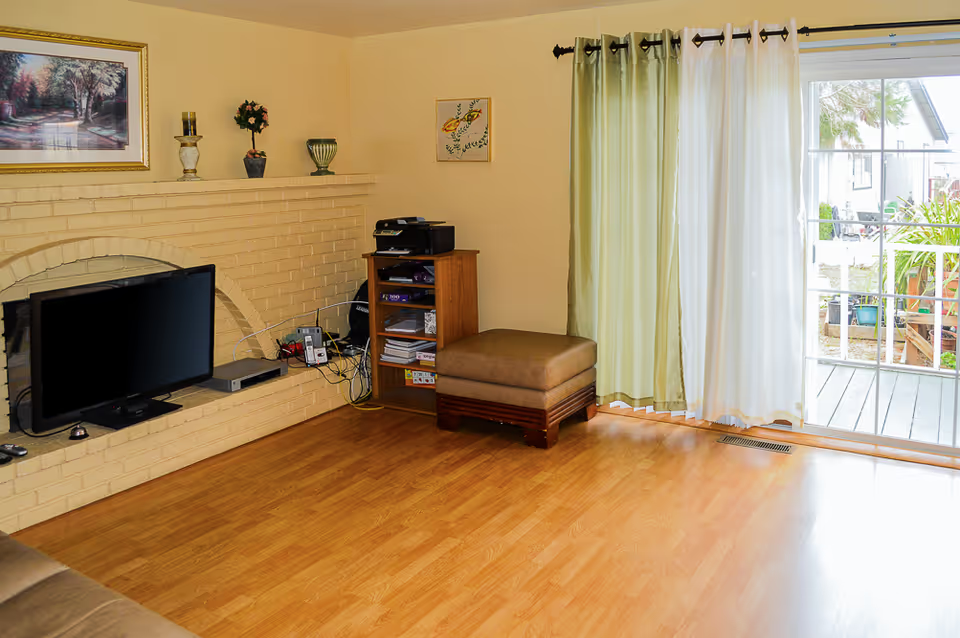
Overall impression is mixed: families consistently describe a warm, home-like atmosphere with staff who provide compassionate, family-style caregiving and attention to residents’ comfort, meals, medications and emotional needs. Resident rooms are described as clean and well maintained; staff assistance with personal grooming and nail care was highlighted. The facility appears to have structured daily operations and an on-site licensed nurse, and private rooms were noted (example pricing cited at $3,000 for a private room). These elements suggest a baseline level of clinical oversight coupled with a domestic environment.
Care and staffing show strengths and weaknesses. The caregiving team is characterized as thoughtful and compassionate, and management involvement and longevity were cited as positive factors. At the same time, there are recurring concerns about inconsistent staff engagement—families described impersonal tours and periods when staff appear less attentive. A notable operational pattern is limited emphasis on rehabilitation and clinical programming relative to custodial and comfort-focused care. Nighttime staffing levels emerged as a specific operational vulnerability: reviewers indicated gaps in overnight coverage and potential delays in addressing residents’ needs during the night, including incontinence-care concerns.
Facilities, dining and activities are generally viewed positively at an environmental level: the setting is described as comfortable and homey, with attention to cleanliness and routine meal service. Specific, structured activity or therapy programming is less well documented in the available summaries; prospective families may want clearer information on recreational and rehabilitative offerings, activity schedules, and how individualized care plans support engagement.
Management presents a mixed picture. Long-tenured, involved ownership and an experienced manager were cited as strengths, but there is also a perception that occupancy and rent revenue drive some managerial decisions. This creates a tension between a caring day-to-day culture and concerns about priorities in admissions and care planning. Prospective residents and families should schedule visits at different times of day, request documentation of staffing patterns (especially nighttime staffing and on-call coverage), review care-plan and rehabilitation options, and ask about protocols for incontinence care and overnight response times to better assess fit and operational reliability.