Oakmont of Montecito is a large, amenity-rich senior living community offering independent living, assisted living, and memory care. Across the reviews, families and residents commonly praise the staff for being warm, attentive, and familiar with residents and their families. Many describe individualized support with daily needs, nursing oversight, and thoughtful help as residents’ needs change. Families also value the option to remain in the community when moving to a higher level of care. A small number of accounts raise concerns about caregiver rotation or responsiveness, so prospective residents may wish to ask how care assignments, supervision, and escalation procedures work in practice.
Dining is frequently characterized as restaurant-like, with attentive service and a range of menu choices; residents and visitors often praise the food. Experiences are not uniform, however: a few visitors described meals as average or the food as only fair. The activity program is a consistent strength, with games, classes, music, exercise, holiday events, and outings. Reviewers also mention transportation for appointments and errands, and some families appreciate the effort to keep residents engaged during periods when outings were limited.
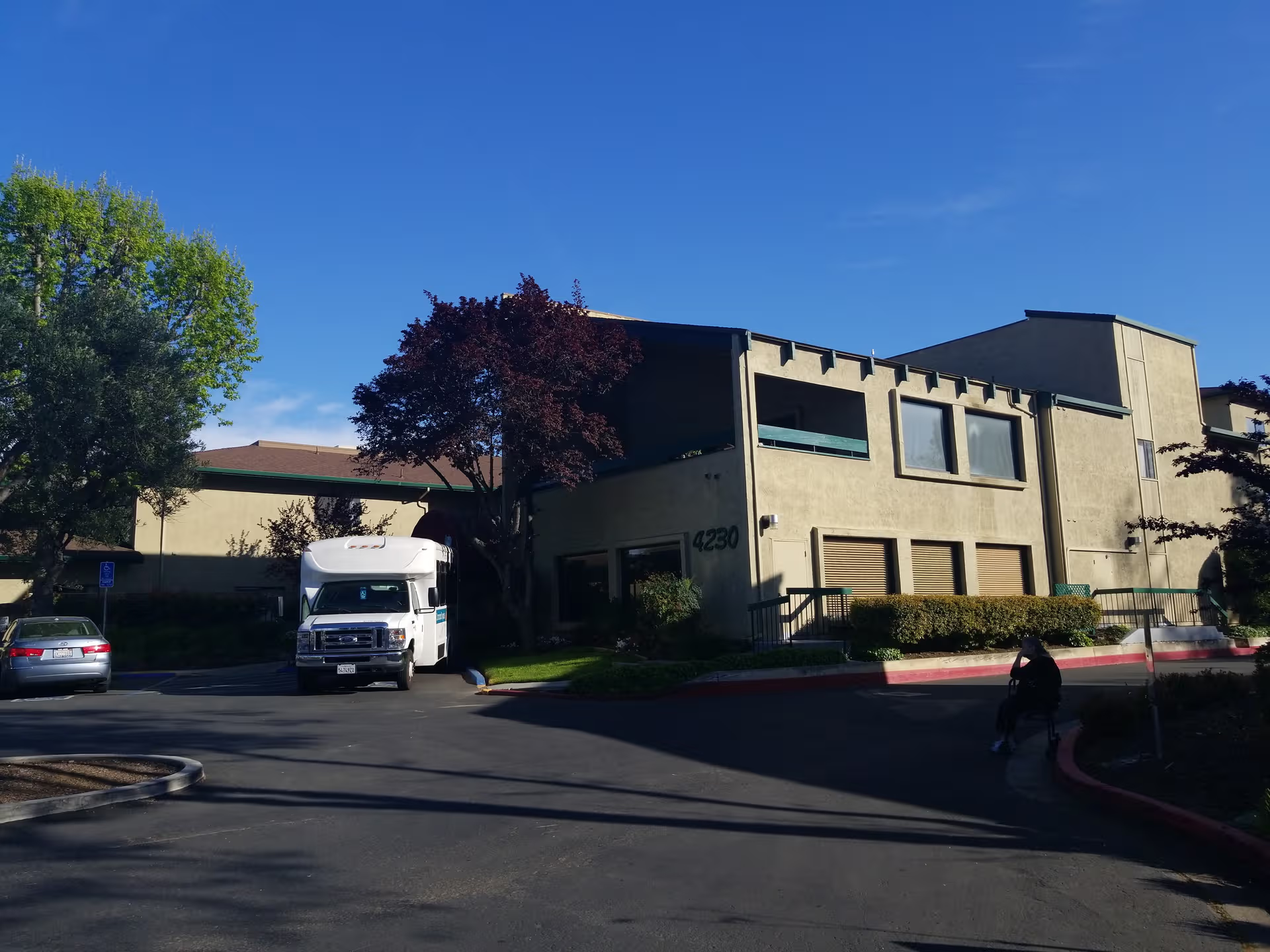
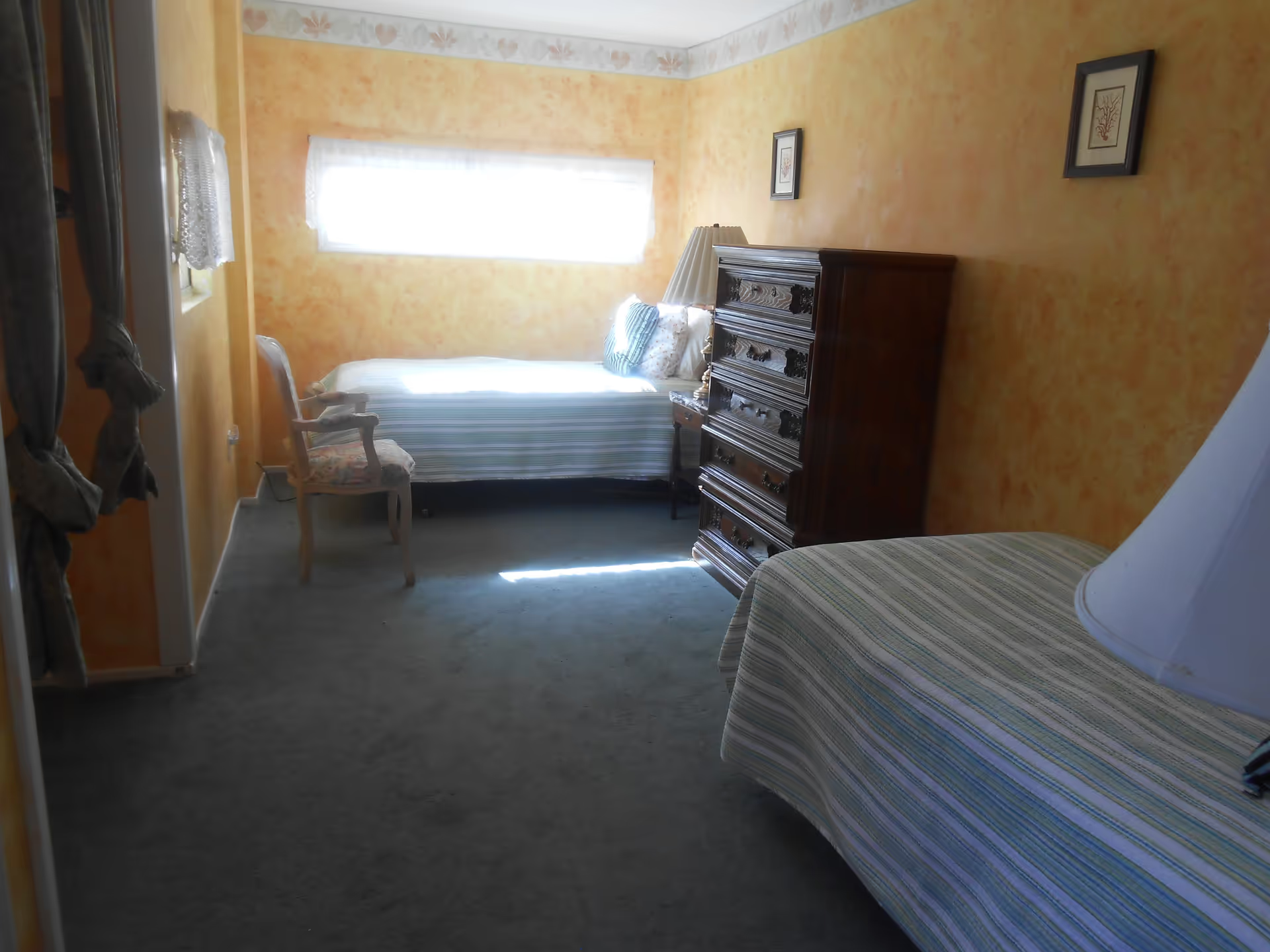
The physical environment is often described as attractive, clean, and well maintained. Apartments range from studios to larger units, with some offering full kitchens, private laundry, and outdoor space. Amenities cited include landscaped courtyards, a heated pool, theater, library, fitness areas, and dedicated activity spaces. The campus’s size and long hallways are meaningful considerations, particularly for residents who prefer a smaller, more intimate setting or have mobility or wayfinding needs. Some families also found the location inconvenient, and one noted traffic noise on Clayton Road.
Management and front-line staff receive broadly positive feedback for being welcoming, knowledgeable, and accessible; some reviewers also point to stable leadership and responsive follow-up. Cost is the most recurrent drawback: several families considered the community expensive or outside their budgets. Other fit considerations include limited language support for a non-English-speaking resident and a reported preference for more consistent caregiver assignments. One strongly negative account described concerns about emergency-call reliability, response during a power outage, and staffing responsiveness. These concerns differ from the generally favorable accounts, but families should directly ask about call-system testing, backup power, emergency procedures, and response monitoring when evaluating the community.