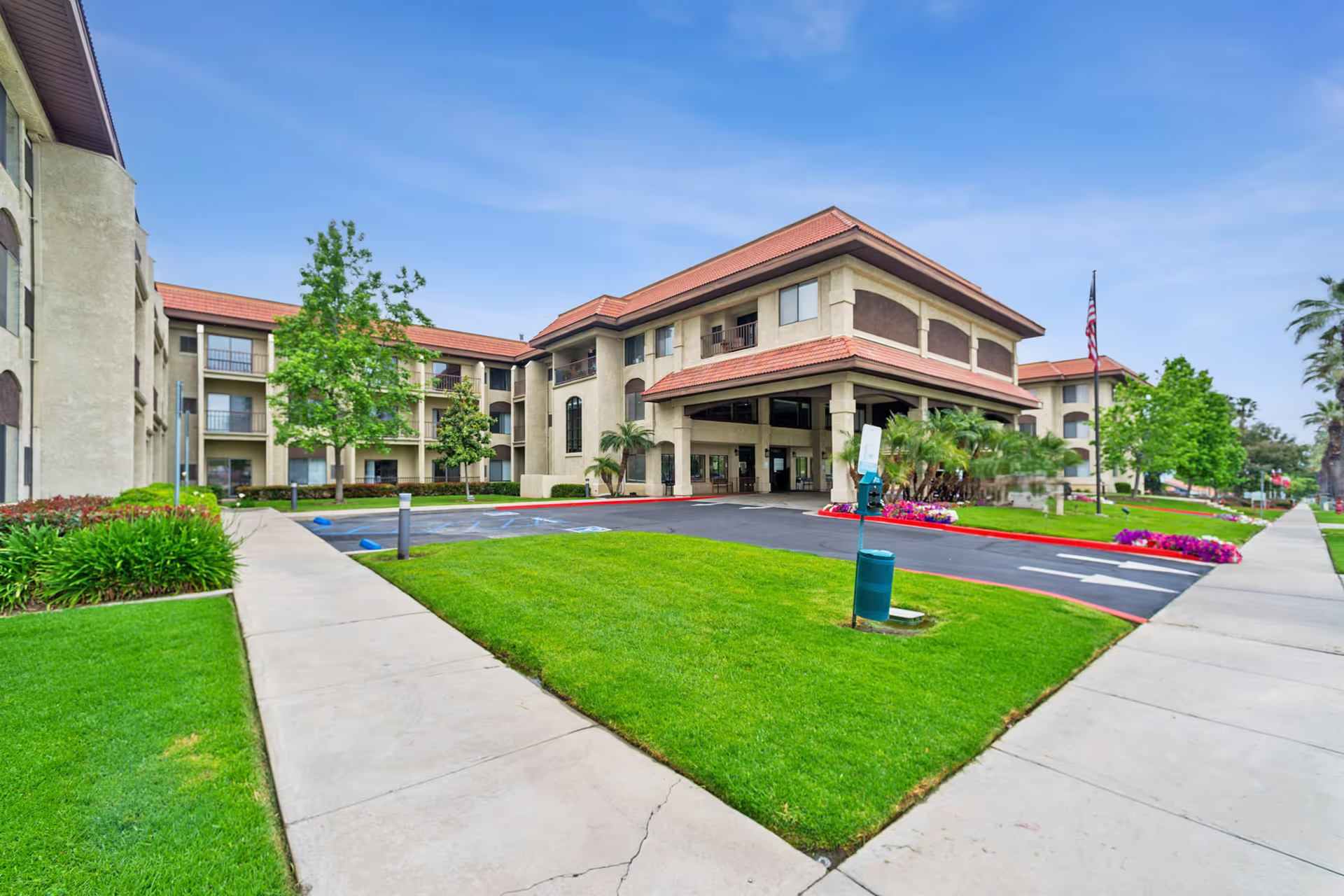
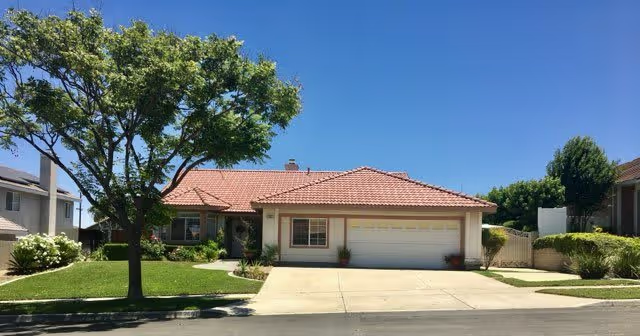
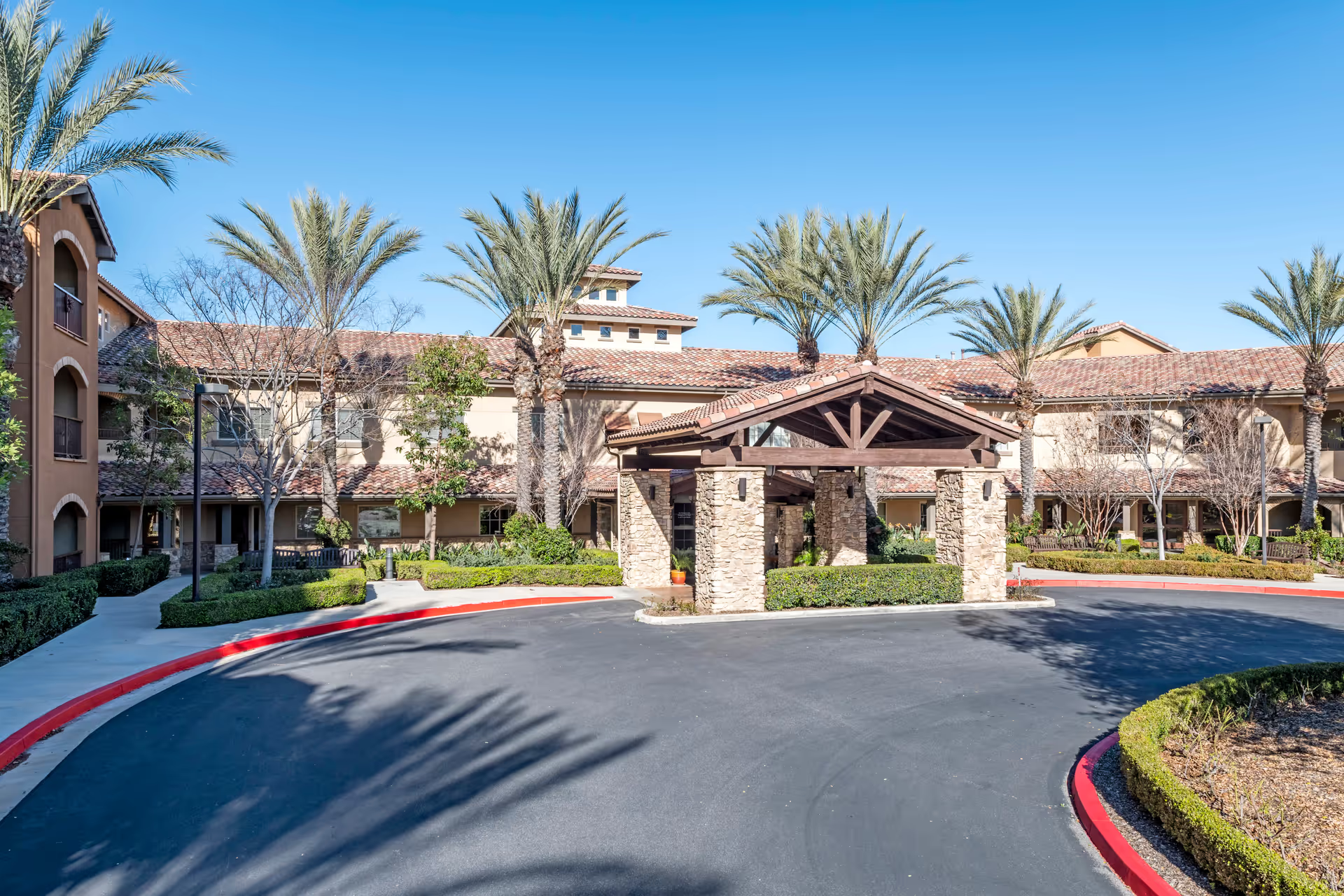
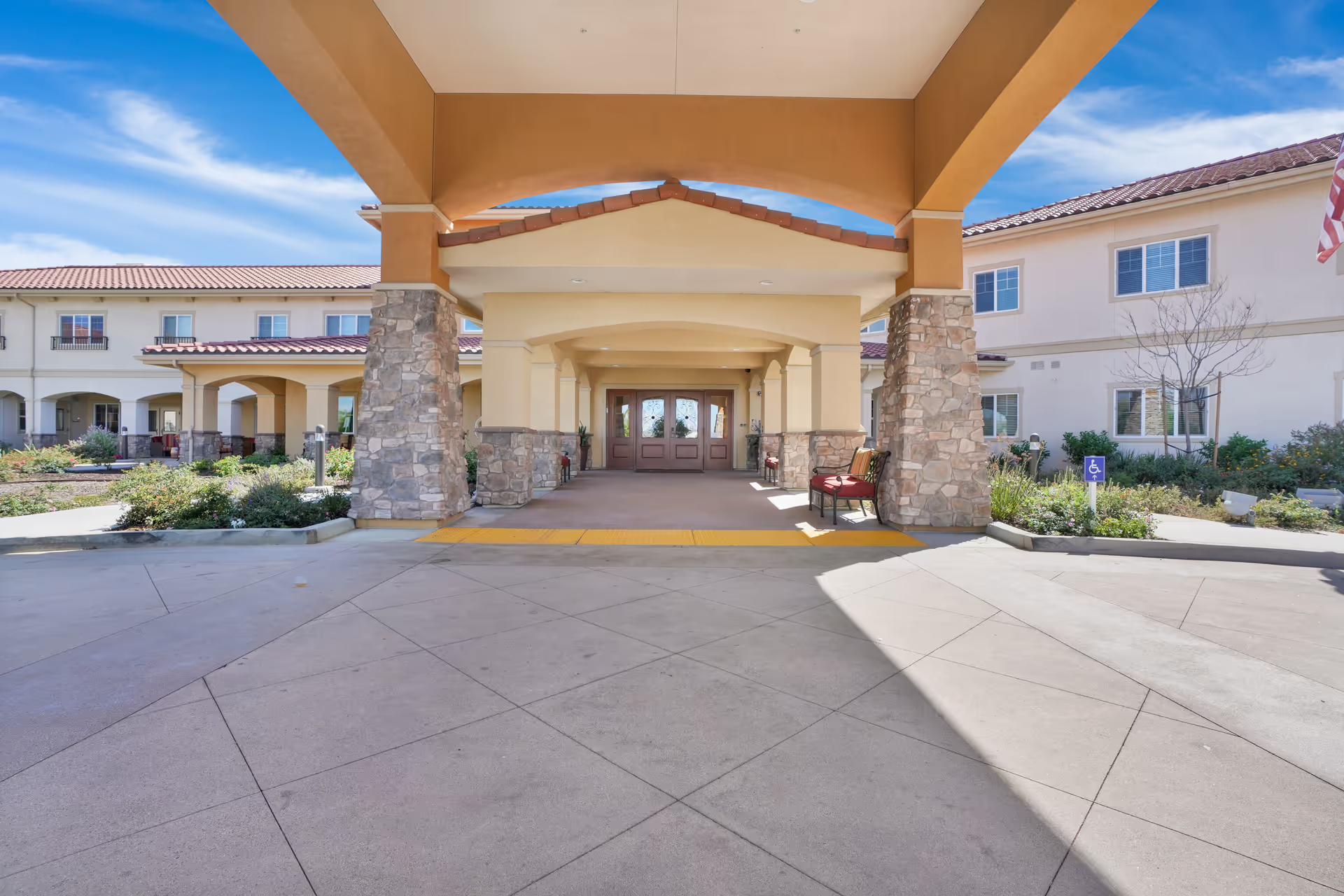
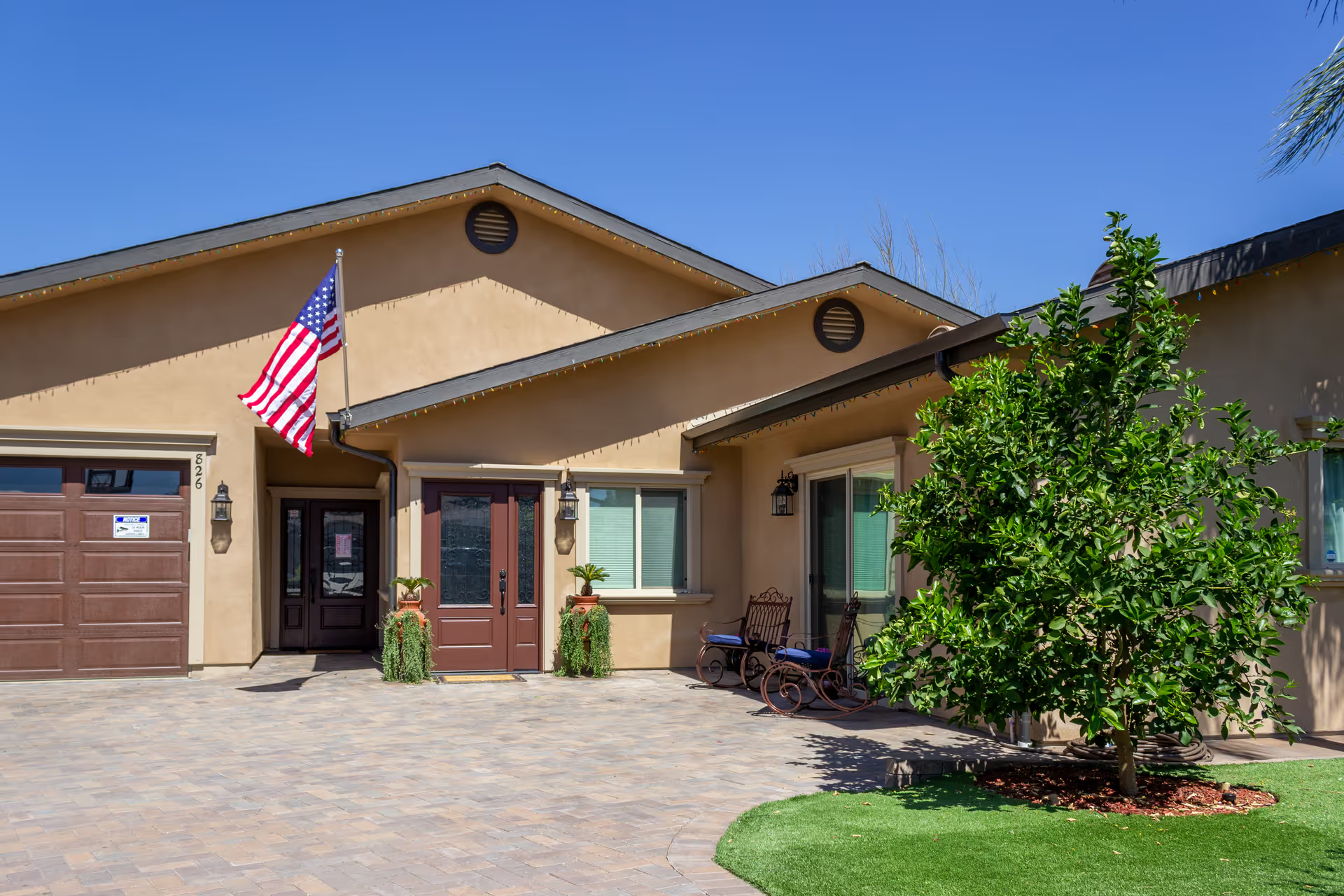
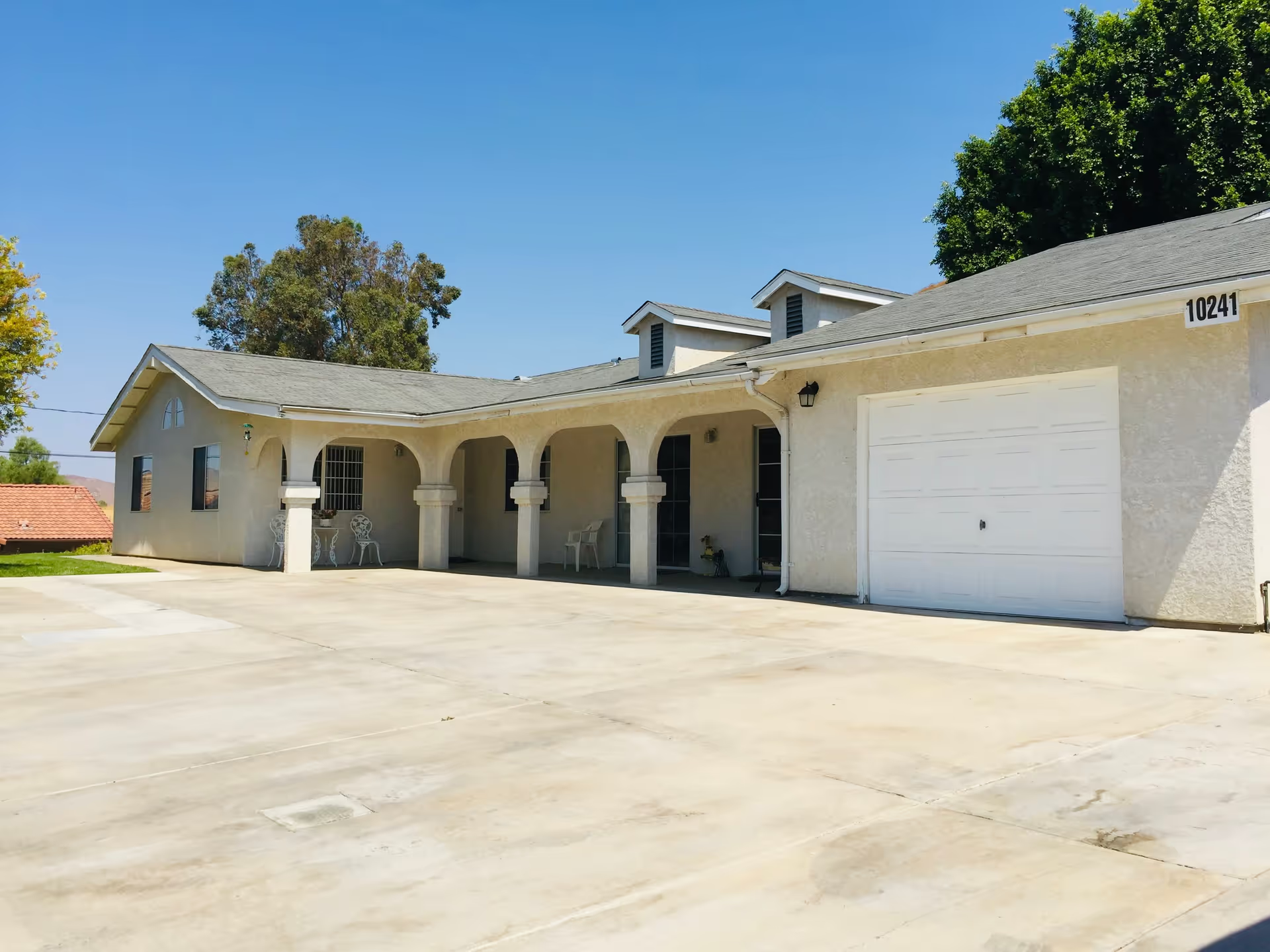
Brookdale Corona presents a mixed but largely positive clinical profile: many families and residents describe compassionate, individualized caregiving delivered by experienced, long‑term staff who know residents personally. The community emphasizes memory‑focused programming, with a broad schedule of activities, therapeutic groups, and social engagement that families credit with improving mood and sleep. Onsite amenities — including a hair salon, activity rooms, an atrium, and well‑landscaped, secured outdoor courtyards — contribute to a bright, home‑like environment and support outdoor mobility and socialization.
Care quality at the unit level is generally described as attentive and person‑centered. Reviewers frequently cite staff members by name for going above and beyond, and many note effective coordination with hospice and external care partners. The facility’s physical layout (U‑shaped design, clear paths) and secure grounds are repeatedly identified as strengths for residents with cognitive impairment. Housekeeping and general maintenance are commonly described as reliable; overall cleanliness and a pleasant atmosphere are recurring positives.
Despite these strengths, a number of operational concerns recur. Staffing consistency is an important pattern: families report lower caregiver‑to‑resident ratios at night and periods when call alerts are not promptly answered. These observations point to staffing‑allocation and retention pressures that can affect responsiveness. Security and room‑access controls also emerge as an area needing attention — reviewers describe incidents that suggest gaps in personal‑property protection and in controls for unauthorized room entry, which translate into concerns about resident safety and follow‑up after incidents.
Administrative and business practices are another notable area of divergence. Several families describe opaque billing or sales practices, including unexpected move‑in and first‑month charges and sizable rate increases shortly after admission; this has generated concerns about pricing transparency and financial communication. In addition, reviewers cite inconsistent interdepartmental communication (for example, dietary requests not relayed to all staff) and occasional management turnover that corresponds with uneven family notification and incident follow‑up.
Dining feedback is mixed: while many find the meals acceptable and praise variety and portioning, others describe inconsistency in quality and examples where specific dietary requests were not consistently implemented. Privacy in shared accommodations is a practical limitation for some families — double rooms are described as compact, and community bathing facilities are used in some units, which may not meet preference for private in‑room bathing.
Overall, Brookdale Corona appears to offer strong, person‑centered day‑to‑day care with a robust activities program and well‑maintained grounds. Prospective residents and families should weigh those clinical and environmental strengths against operational considerations: clarify staffing levels (especially overnight), review the facility’s billing and contract terms carefully, confirm security and room‑access policies, and discuss how dietary and communication preferences are documented and relayed. Those steps can help align expectations and address the pattern‑level issues that emerge across experiences.